
Insight for people running care services
Regulatory guidance, workforce insight and practical resources for everyone working in health and social care in the UK.
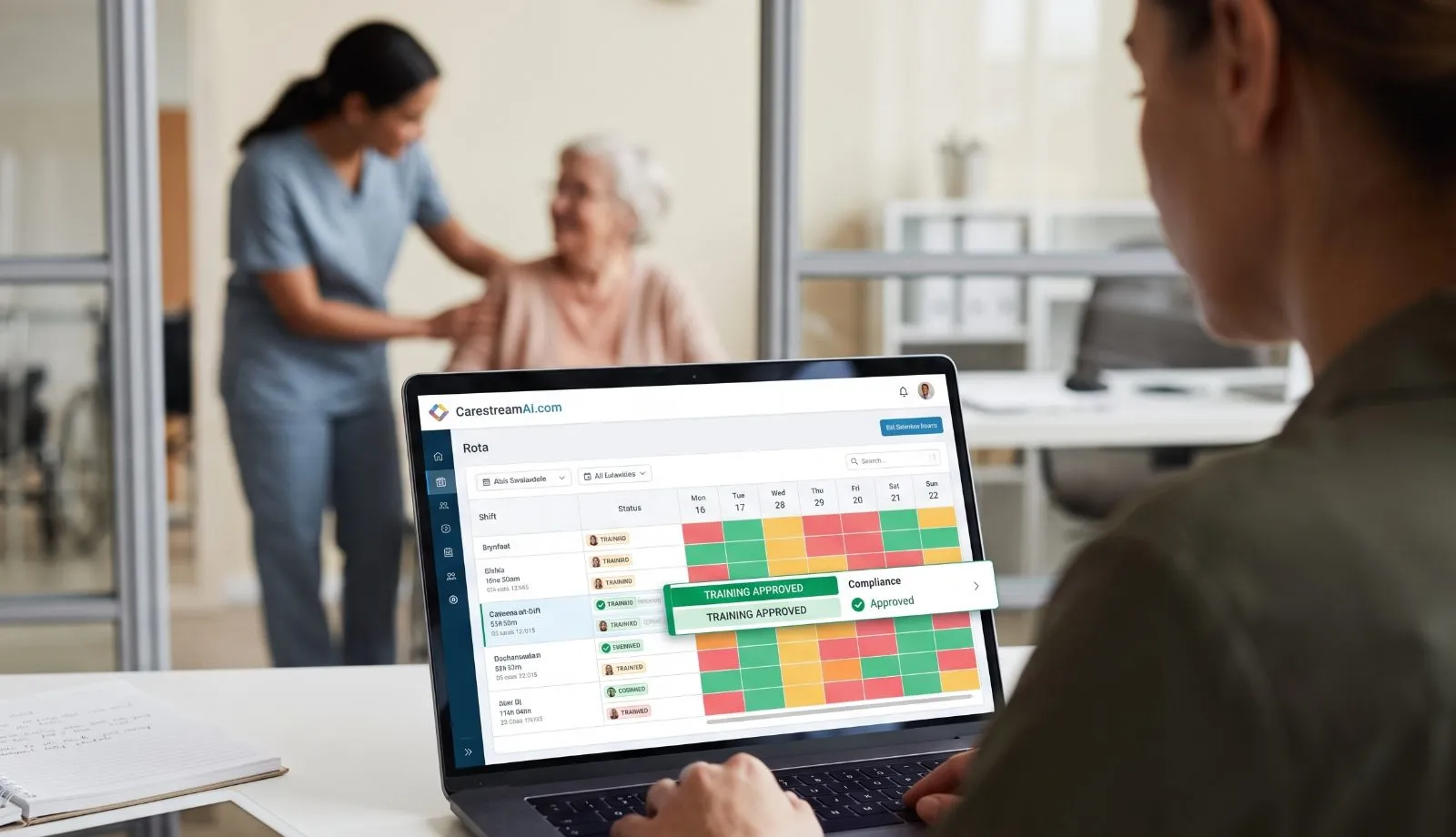

Care home software: what to ask before you pay for a system your night staff will actually open
Most systems fail on adoption rather than features. Five criteria for choosing care home software, the four shapes it comes in, and a way to test one before you commit.
18 Nov 2026·6 min read
COSHH certificate: does one exist and how long does it last?
Six things managers believe about the COSHH certificate, corrected against the Regulations, and a plainer account of what a training record has to show.
18 Nov 2026·7 min read
DBS renewal for care workers: how often should DBS be renewed?
A reference for registered managers on DBS renewal: why no expiry date exists, what the Update Service does and does not tell you, and how to set an interval you can defend.
18 Nov 2026·6 min read
Safeguarding audit for care homes: what to review in your log each month
A month by month walk through the safeguarding log, in the order an inspector would ask about it, ending with scoring and a named owner for every gap.
18 Nov 2026·6 min read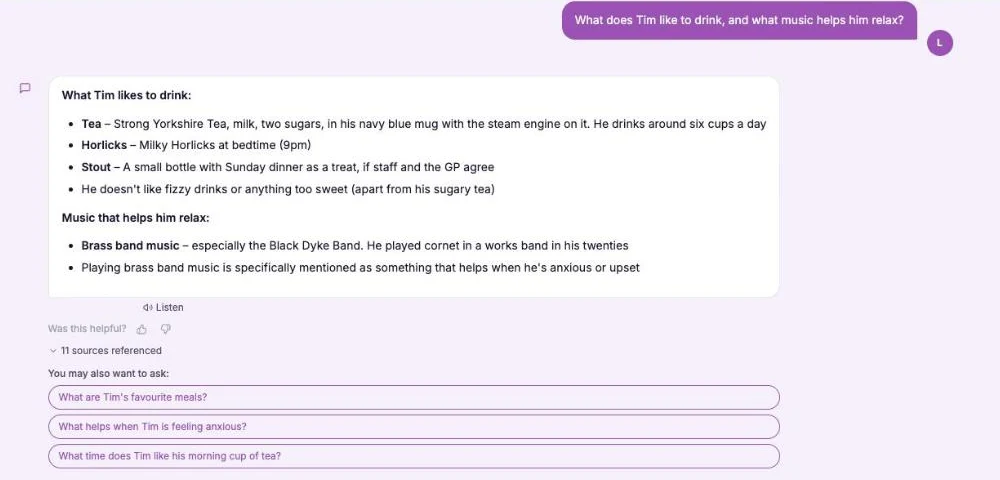
This Is Me Document: What Goes In It and How a Home Keeps It Alive
A line that says "likes tea" does nothing for a night carer. This reference sets out what a good This is me style document holds, and how a home keeps it from going stale.
18 Nov 2026·8 min read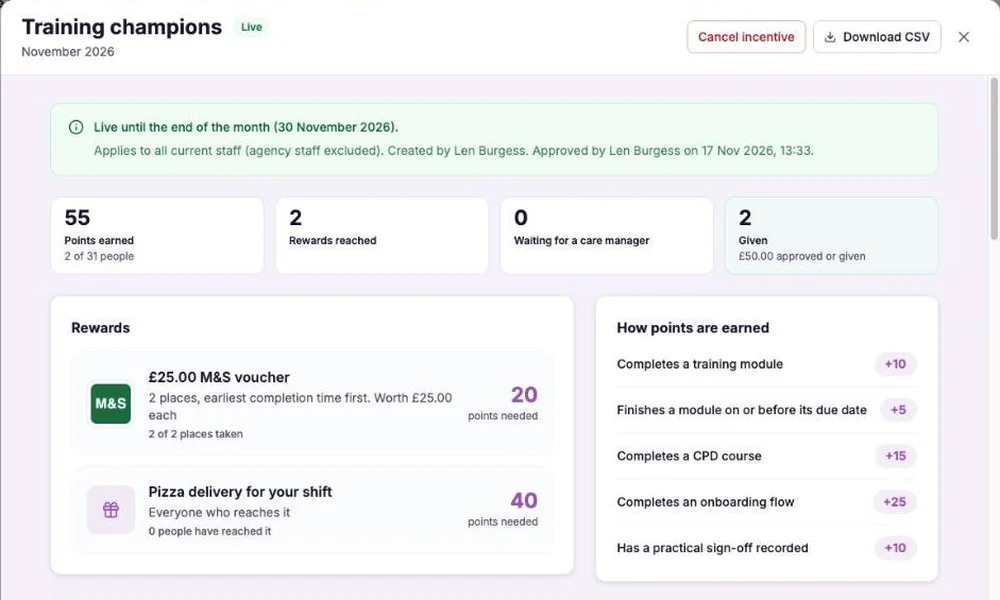
Care Home Staff Incentive Scheme: Rewarding Training Without a Leaderboard
A monthly incentive can lift training completion, or it can sour a team. A worked example shows the rules that keep a scheme fair, capped and honest about what it counts.
17 Nov 2026·7 min read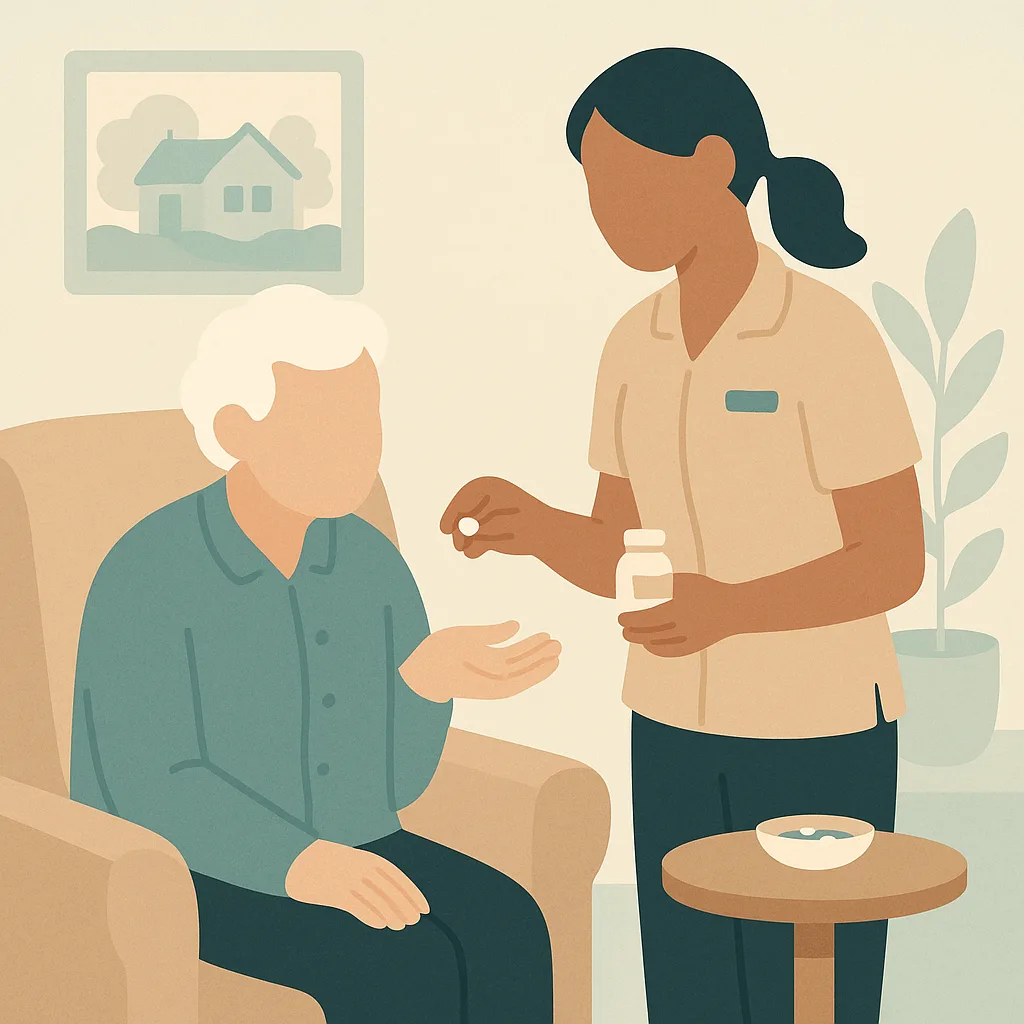
MAR Charts Explained for New Care Staff: What to Record and Common Errors
A worked example of one medicines round shows what goes on a MAR chart, what to write when a dose is refused or given when required, and six recording errors to avoid.
17 Nov 2026·7 min read
How to run a hand hygiene audit in a care home: watch one person, record what you see
A deputy watches one care worker through a morning round and records every hand hygiene moment, the technique, the basin and the kit, then turns each gap into feedback and a re-check.
17 Nov 2026·8 min read
Palliative Care vs End of Life Care: Four Beliefs Care Staff Get Wrong
Four beliefs about palliative care and end of life care, each checked against NHS, NICE and Marie Curie wording, so care staff use the right words in care plans and handovers.
17 Nov 2026·5 min read
Care Certificate Assessor: Eight Questions an Inspector Could Ask
Who can assess the Care Certificate, what they must watch in real work, when a classroom will do and who signs it off, as eight questions with the evidence to show.
16 Nov 2026·7 min read
Infection Control Audit: A Walk Round, a Score and a Plan
A walk round the building with the free infection control audit, section by section, then how to score it, how often to repeat it and how to turn each failed check into a named action.
16 Nov 2026·7 min read
Care Certificate vs Level 2: Which Does a Care Service Need?
Both rest on the same sixteen standards, but only the Level 2 qualification is regulated by Ofqual. A decision guide to which one a care service needs, for which member of staff.
16 Nov 2026·5 min read
Business Continuity Plan Care Home: The Night the Power Failed
An invented power failure at a care home, followed stage by stage, to show what a business continuity plan has to make happen and what the Care Quality Commission expects to hear.
16 Nov 2026·7 min read
Care Home Audit Software Compared: What Six Vendors Publish
GoAudits, SafetyCulture, Birdie, Unique IQ, Lumiform and CareStream compared on four things each publishes: how it charges, templates, free access and mapping to Care Quality Commission wording.
16 Nov 2026·6 min read
Is the Care Certificate Mandatory? Six Beliefs Tested Against the Rules
The Care Certificate is recommended, not written into law. Six common beliefs about it, tested against Regulation 18 and the official Q&A, with who needs it and who does not.
16 Nov 2026·7 min read
Domiciliary Care Policies and Procedures: What a Care Home Set Leaves Out
A care home policy set cannot simply be reused by a home care agency. Five areas need their own rules: lone working, key safes, travel time, missed visits and medicines in a person's own home.
16 Nov 2026·7 min read
CQC Audit: What Inspectors Check and the Evidence to Keep
Inspectors ask how you know, not whether you audit. Here are the questions they can ask under each of the five key questions, the audit that answers each, and the record to keep.
16 Nov 2026·7 min read
How Long Does the Care Certificate Take? The 12 Week Plan
The 12 week limit, the 90 minute course and the part that really takes the time: observation and sign off. With a week by week plan.
16 Nov 2026·6 min read
Safeguarding Policy Care Home Example: One Bruise, Eight Steps
A made up bruise on an invented resident, followed step by step through what a safeguarding policy must make happen under Regulation 13, the Care Act 2014 and the notification duty.
13 Nov 2026·9 min read
Infection Prevention and Control Policy: Eight Questions an Inspector Can Ask
Eight questions an inspector can ask about infection prevention and control, from the isolation room you do not have to who leads, each with the evidence that answers it.
13 Nov 2026·9 min read
How often should care home audits be done? A suggested schedule
Four audits are daily, one is weekly, eighteen monthly, five quarterly and two periodic. The schedule laid out first, then the reasoning, the changes we would make and how to show an inspector it was kept.
13 Nov 2026·7 min read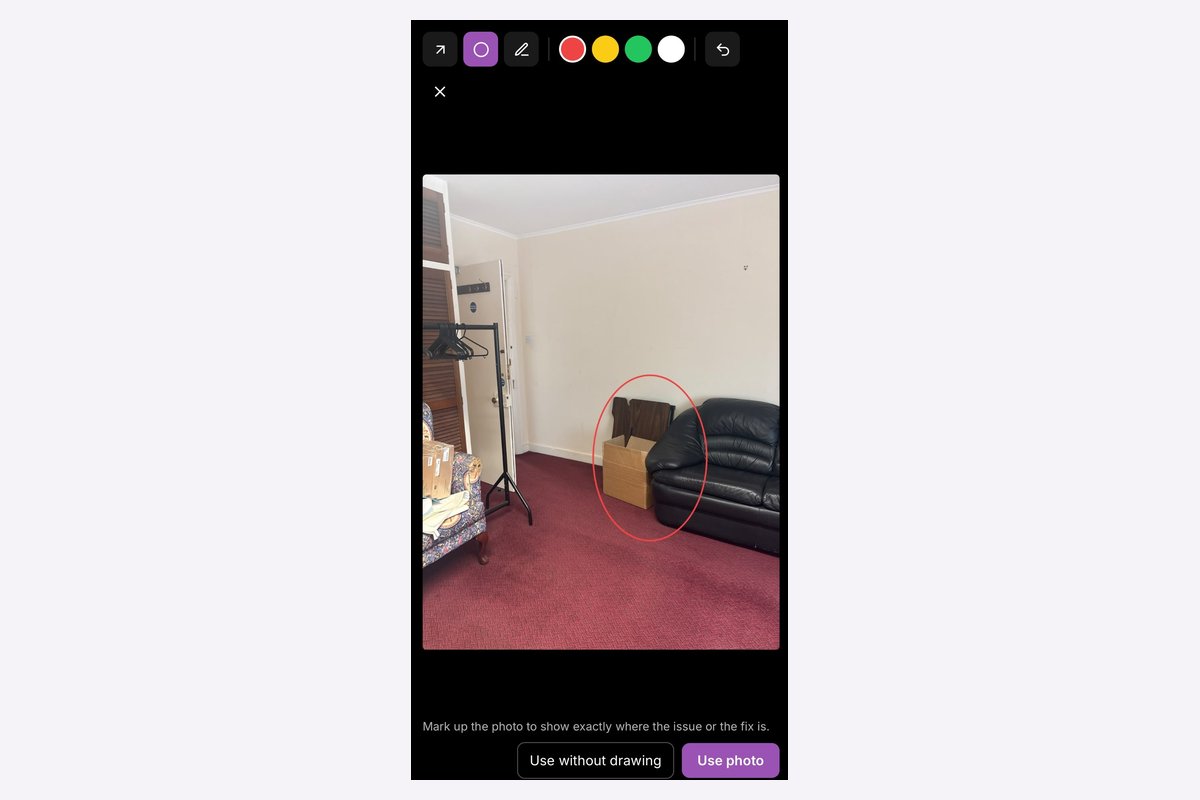
How to run a care home kitchen audit: one morning, start to finish
One illustrative kitchen audit morning told through a registered manager, from last month's unfinished actions in the kitchen doorway to the signed record, with the lessons she takes from each stage.
13 Nov 2026·9 min read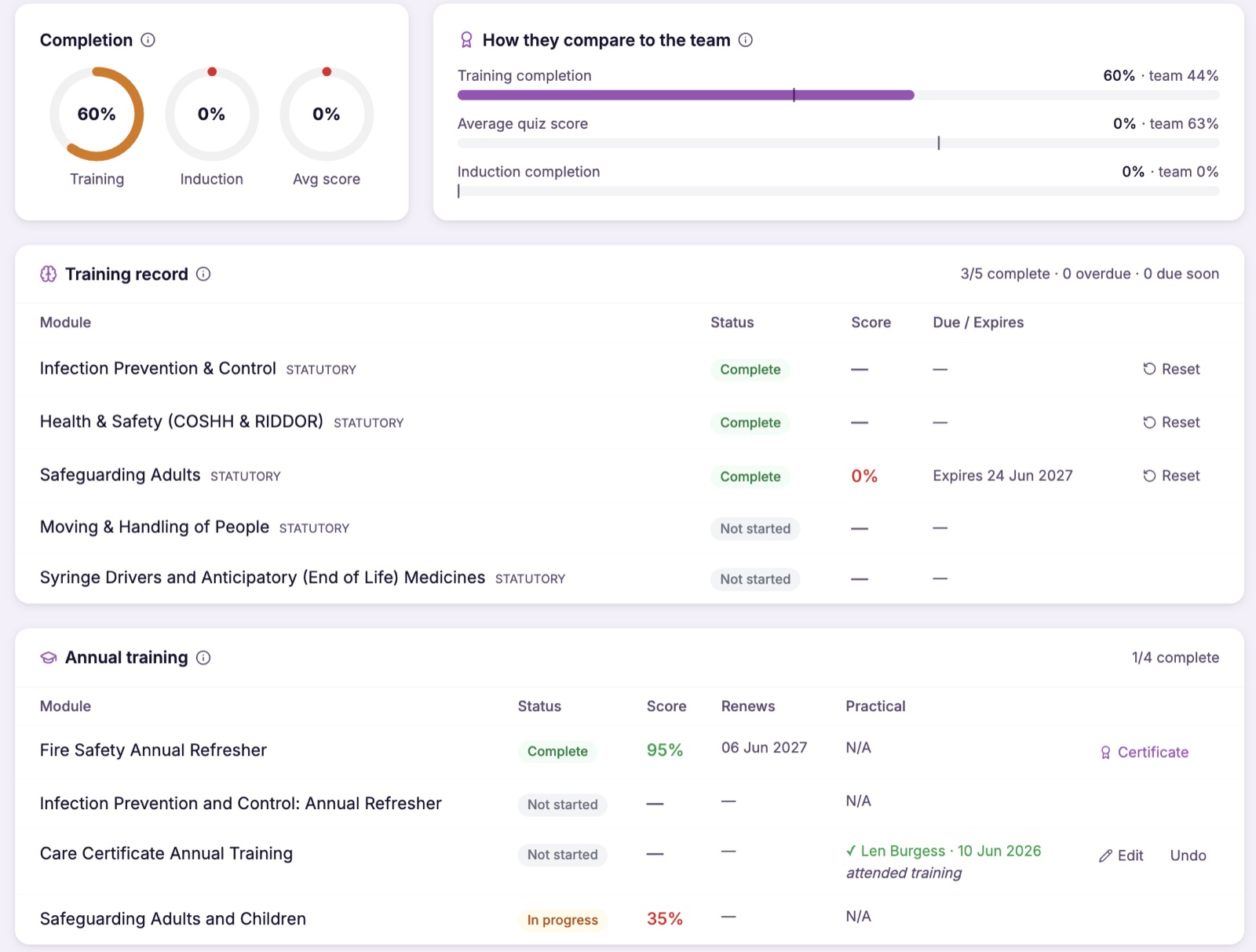
Best Care Certificate Courses Online in the UK: Seven Options Compared
Which route should an employer choose for the Care Certificate online? Seven UK options judged on cost as the team grows, records, assessment and time, with a pick for each type of employer.
13 Nov 2026·9 min read
Care Certificate Standards Explained: What the 16 Ask of a New Starter
What each of the 16 Care Certificate standards asks of a new starter, why some pages still say 15, and how the employer signs it off.
13 Nov 2026·10 min readEnd of Life Care Training: What Should Care Staff Learn?
End of life care training prepares care staff to support someone in the last months, weeks and days of their life, and to support the people who love them. Many people in care homes, nursing homes and home care services will die in your care, so this is part of everyday work, not a specialist extra. Good palliative care training for carers builds the confidence to talk honestly about dying, to recognise when someone is entering the last days of life, to keep them comfortable and to follow their wishes, and it helps staff look after themselves too.
6 Oct 2026·9 min read
Infection Control Training for Care Staff: A Guide for Managers
Infection control training gives care workers the knowledge to stop infections spreading between the people they support, their colleagues and themselves. It covers how infections travel, standard precautions such as hand hygiene and PPE, recognising and reporting illness, managing outbreaks, cleaning, laundry, waste and sharps. In adult social care, where many people are older, frail or living with long term conditions, a single lapse can affect a whole home. That is why infection control is treated as essential training for every role and refreshed every year.
6 Oct 2026·9 min read
Moving and Handling Training for Carers: What Must It Include?
Moving and handling training for carers should teach staff how to help people move safely and with dignity, using the right equipment and the individual's handling plan, without putting either person at risk of injury. It should cover the law, how backs get hurt, risk assessment, safe handling principles, hoists and slings, other aids such as slide sheets and bed rails, falls, and the limits of each worker's role. Because it is a physical skill, the knowledge must be followed by an observed practical in your service before anyone is signed off.
6 Oct 2026·8 min read
COSHH Training for Care Staff: What Should It Cover?
COSHH training teaches care staff how to use, store and dispose of hazardous substances safely, and every member of your team who comes into contact with them needs it. In adult social care that is almost everyone: care workers handling body fluids and continence products, domestic staff using bleach and descaler, laundry staff with detergents and soiled linen, kitchen staff with oven cleaner, and maintenance staff with paints and water treatment chemicals. The law requires employers to give these staff suitable information, instruction and training, and an annual refresher is the simplest way to keep that current.
6 Oct 2026·9 min read
Health and Safety Awareness Course for Care Staff: What It Covers
A health and safety awareness course for care staff teaches everyone in your service how to spot hazards, follow risk assessments, work safely alone, respond to accidents and report what happens, so that the people you support, your team and visitors all stay safe. Generic workplace courses are built around offices, factories or building sites. Care is different: your staff work in people's homes and bedrooms, with hot water, medicines, equipment and people whose needs change day to day. The best training reflects that reality and is refreshed every year.
6 Oct 2026·9 min read
Mental Health Awareness Training for Care Staff: A Manager's Guide
Mental health awareness training for care staff gives everyone in your service a shared, basic understanding of mental health: what it is, how common needs show up in the people you support, how to talk to someone who is distressed, and what to do when you are worried about their safety. It is not training to diagnose or treat. It is the foundation that helps every worker notice changes early, respond with kindness and confidence, and pass concerns to the right person quickly.
6 Oct 2026·8 min read
What Food Hygiene Training Do Care Staff Need Each Year?
Any member of staff who prepares, handles or serves food, or helps someone to eat and drink, needs food hygiene training that fits a care setting, and they need it refreshed every year. In a care home or a person's own kitchen, the people you support are often older, frail or living with long term conditions, so a lapse that would give a healthy adult a bad stomach can lead to a hospital admission. Good food hygiene training gives carers the habits that prevent that, from handwashing and fridge checks to allergens and texture modified meals.
6 Oct 2026·9 min readMedication Training for Care Workers: What Should It Cover?
Medication training for care workers should give every member of staff who handles medicines the knowledge to do it safely, then confirm in practice that they can. That means understanding the law and their role, the medicines people commonly take, consent and capacity, how to prepare and give medicines, how to record them, how controlled drugs are stored, and what to do when something goes wrong. Knowledge alone is not enough. NICE guidance expects care providers to check each worker's competence by observing them, and to review it at least once a year.
6 Oct 2026·9 min read
GDPR Training for Care Staff: What Your Team Needs Each Year
GDPR training for care staff is a yearly refresher that teaches everyone in your service how to handle personal information lawfully, keep it confidential, share it safely and spot a data breach before it grows. In adult social care that information is mostly health and care data, which UK GDPR treats as special category data needing extra protection. The Data Security and Protection Toolkit expects staff to complete data security training every year, so a short annual course is the simplest way to keep your team current and your evidence ready.
6 Oct 2026·8 min read
Care Certificate CPD Certified Course from CareStream
Yes. The Care Certificate remains the expected induction baseline for new health and social care staff in England, and the CQC continues to support its use across the sector. The real question is not whether the certificate still matters. It is whether the evidence behind it stays current. An annual refresher is what keeps that evidence alive, signed off and ready for inspection.
29 Sept 2026·6 min read
How do you use a training matrix for safe staffing, not just compliance?
Most care providers keep a training matrix to prove compliance after the fact, then plan the rota as if training had nothing to do with it. The matrix becomes a staffing tool the moment you read it against the rota, shift by shift. That is the difference between evidence of training and evidence of safe staffing.
21 Sept 2026·8 min read
How do you build a training calendar for a care home?
A training calendar is not a list of courses. It is a collision management tool. The job is to spread statutory and mandatory renewals across twelve months so nothing lands in the same week and nothing quietly lapses. Many services start from an awkward position: a whole cohort was inducted together, so every renewal falls due in the same month.
20 Sept 2026·8 min read
What should a care home training matrix actually contain?
A care home training matrix needs rows for every person, columns for every requirement, honest status values, and four fields most templates leave out: competency sign-off, assessor, evidence location and renewal date. Most matrices track completion dates and nothing else. That is why they satisfy an auditor and still leave a registered manager exposed when an inspector asks how they know a carer is competent.
17 Sept 2026·6 min read
The Annual Training Plan That Survives Contact with the Rota
Most training plans are written in January, laminated, and dead by March. You know the feeling. You booked a full day of manual handling refreshers, then three carers called in sick, and the agency cover could not use the hoist.
16 Sept 2026·11 min read
The Care Compliance Dashboard Nobody Opens (And How to Fix It)
The care compliance dashboard was supposed to make your life easier. Instead, it sits in a browser tab nobody visits, showing a percentage that never moves and a colour that never changes. You bought it because you wanted oversight. What you got was another screen to ignore.
16 Sept 2026·11 min read
Chasing Staff Training Completions? Reminder Emails Are Making It Worse
You send the reminder email at 9am on Monday. Two people open it. By Friday, you send another one, slightly more pointed this time. The same two people open it, and one of them asks what the login is again. Staff not completing training is not a new problem, but the way most services respond to it has become a quiet failure. Training reminders ignored, week after week, are not a signal that your team lacks commitment. They are a signal that the reminder itself has stopped carrying any weight.
16 Sept 2026·10 min read
What "Compliant" Actually Means for One Care Staff Member
The word "compliant" gets thrown around in team meetings, handover notes and inspection prep, but ask two managers to define it, and you will get two different lists. For one care assistant, compliance is not a single status. It is a stack of separate conditions, each with its own evidence, its own renewal date and its own failure mode. Staff compliance in care homes is not one thing. It is eleven things that rarely live in the same place.
16 Sept 2026·8 min read
Mandatory Training for Care Staff: The Full List and How Often to Refresh
There is no single universal list of mandatory training for care staff in England. That sentence will either reassure you or frustrate you, depending on how many hours you have spent trying to find one. The truth is that the Care Quality Commission does not publish a fixed schedule that applies to every service, and no regulation sets out a tidy table of modules and refresh dates. What exists instead is a legal duty, a set of published guidance, and a practical expectation that your training matrix reflects the actual risks in your service.
15 Sept 2026·11 min read
CPD Accreditation in Care: What It Really Means and When It Matters
Your training matrix is full of certificates. Most of them carry the letters CPD. Somewhere between the fire safety refresher and the moving and handling update, you have probably nodded at the logo and filed the certificate without ever being told what the accreditation actually means, who awarded it, or whether it would survive a sceptical inspector's question. That is not a criticism. It is what the training industry has allowed to happen.
14 Sept 2026·10 min read
Is an Excel training matrix still safe for a care home?
Yes, an Excel training matrix is still safe for a small single-site service with one named owner and a stable team. It stops being safe when there are multiple editors, multiple sites, renewals nobody owns, or evidence that has to be produced on demand. The failure is never Excel itself. The failure is the point at which the spreadsheet stops matching the operation. If you finish reading and decide to stay on Excel, this article has still done its job.
12 Sept 2026·9 min read
Incident-Led Training in Care: Turning What Went Wrong Into What Your Team Learns
Every incident is already a training moment. The medication error, the fall, the complaint from a family member, the near miss on a night shift. Each one contains a lesson your team needs. But in most care services, that lesson dies somewhere between the investigation write-up and the next staff meeting. The report gets filed. The learning never reaches the people who need it most.
11 Sept 2026·12 min read
Micro Learning for Care Staff: What Works on a 12-Hour Shift
Your training room is empty because your staff are on shift. That is not a scheduling failure. It is the reality of running a 24/7 care service, and it is exactly why microlearning for care staff has moved from a nice idea to an operational necessity. But before you replace your induction day with a library of five-minute videos, it is worth being honest about what short training modules care teams actually complete, retain, and use when it matters.
9 Sept 2026·11 min read
Policy Changed. Who Needs Retraining? A Four-Question Framework for Care Managers
A policy update lands in your inbox at 4.45pm on a Friday. Your first instinct is to retrain everyone, because retraining everyone feels safe. It looks like thoroughness. It gives you something to say when someone asks what you did about the change. But retraining everyone is not thoroughness. It is an inability to tell who is actually affected, and it costs you attention you will need later.
8 Sept 2026·12 min read
Updating COVID Policies in Care Homes: What to Keep, What to Cut, and What to Rewrite
Your policy library is carrying dead weight. Somewhere between the fire safety folder and the medication management file sits a visiting policy that still mentions lateral flow tests on arrival, a staff absence policy that quotes isolation periods from 2021, and an admissions checklist that asks for a negative PCR before every new resident moves in. None of it matches how your service actually operates in 2026. All of it was written in a hurry, by people who were frightened, during a period when the guidance changed faster than anyone could reasonably track.
8 Sept 2026·12 min read
Face to Face Training in Care: What Actually Has to Be in the Room?
You have sat through the same moving and handling refresher four times. You have watched staff check their phones under the table. You have paid for the trainer, the backfill, the shift cover chaos, and the room that smelled faintly of cabbage. And somewhere in the middle of it, you have asked yourself the question every registered manager eventually asks: does this actually have to be face-to-face?
7 Sept 2026·11 min read
How do you record in person training so it counts as CQC evidence?
A certificate proves attendance, not competence. CQC expects evidence that staff are suitably qualified, competent and skilled under Regulation 18 of the Health and Social Care Act 2008 (Regulated Activities) Regulations 2014. This article sets out what a record needs to include to hold up, what a weak record looks like, and a paper-friendly format any service can use in 2026.
6 Sept 2026·7 min read
Six signs your policy set has quietly drifted out of date
Every care service has out-of-date care policies. Not because anyone is negligent, but because a policy library is a living thing, and living things drift. The problem is that most managers only discover the drift during an inspection or an incident, when the gap between what the document says and what the service actually does suddenly matters.
4 Sept 2026·10 min read
How do you run in house training in a care home when nobody has a spare hour?
The scarce resource in a care home is not the training material; it is the person delivering it. Most in-house training fails because it is designed as if the trainer has a free day, when in reality a senior or manager has been handed the job on top of a full rota. Short, repeatable sessions built around the rota, with the reading done before staff arrive, are how you keep statutory and mandatory training current without burning out the person who delivers it.
1 Sept 2026·8 min read
How Often Should Care Policies Be Reviewed? The Honest Answer for UK Care Providers
The sector baseline has settled on annual review for most core policies. That is the defensible starting point, but it is not the whole answer. The off-cycle triggers are where the real risk sits.
27 Aug 2026·9 min read
CQC Terminology for Care Providers: The Words That Carry Weight in an Inspection
Most providers use CQC vocabulary loosely in everyday conversation. A manager says "we need to notify CQC" when they mean they should mention something in an email.
26 Aug 2026·10 min read
Policies Aligned to CQC Quality Statements: A Writer's Guide
Most policies fail this test. They live in a folder, written in dense English, structured for nobody in particular and on a shelf in the manager's office. The carer who needs the answer cannot find it. The inspector who needs to trace it to a quality statement cannot see the thread. Both walk away with the same conclusion: the policy is not doing its job.
26 Aug 2026·12 min read
CQC quality statements explained: the single assessment framework and what changes in 2026
The CQC has changed its assessment framework twice in three years, and many providers are still trying to work out what inspectors actually look at. This piece is a straight guide to CQC quality statements.
24 Aug 2026·8 min read
Why Downloaded Care Policy Templates Create Contradictions (And What to Do About It)
Most care services run on a patchwork of downloaded templates, and nobody reconciled them after they were assembled. That is the uncomfortable truth behind a lot of confident policy folders.
24 Aug 2026·11 min read
Care Policy Version Control: How to Know Which Version Is Current (Without Buying New Software)
The most dangerous document in your care service is not the one that is missing. It is the one that looks current but is not. Managing policy versions in a shared drive is a quiet, persistent problem, and the question of which version is current gets harder every time someone saves a file with a name like "Fire Safety Policy FINAL (2).pdf".
23 Aug 2026·8 min read
When Two Policies Disagree, Staff Follow the Wrong One
It is 3am and a domiciliary carer is standing in a client's kitchen, phone in hand, trying to remember which reporting route applies to the bruise she has just noticed. She read the safeguarding policy last week. It said one threshold. She read the incident reporting policy this evening. It said something slightly different.
23 Aug 2026·11 min read
Keeping Care Policies Current When CQC Regulation Moves: A Guide for Registered Managers
You cannot read gov.uk every day. You have a rota to fill, a supervision backlog, and a team that needs you on the floor, not in a browser tab. Yet adult social care regulation updates keep landing, and each one quietly asks the same question: which of your policies are now out of date?
23 Aug 2026·11 min read
Policy Gap Analysis for Care Homes: A Step by Step Guide
Most care homes do not fail inspection because they lack policies. They fail because the policies they have do not match what actually happens on shift. If you have been through a stressful inspection, you already know the difference between a policy folder and a policy culture.
23 Aug 2026·9 min read
Onboarding International Care Staff: A 4-Week Induction Playbook for UK Providers
The uncomfortable truth is this: the Health and Care Worker visa route for care workers has closed. Every international recruit you hire from now on is already in the UK, often carrying experience from a previous sponsor, and your first month together will decide whether they stay.
23 Aug 2026·16 min read
Policies Required by CQC for a Care Home: The Complete Checklist
There is no single, official list of policies required by CQC for a care home. That is the uncomfortable truth most registered managers discover somewhere between their first inspection and their third.
22 Aug 2026·9 min read
Translating Care Policies: What Gets Lost, and How to Check Understanding
Your care policies are written in English. A significant portion of your workforce thinks, dreams, and asks questions in another language. Translating care policies is the obvious first step, and it is a necessary one.
22 Aug 2026·10 min read
How Many Care Workers in England Speak English as a Second Language? The Data Behind the 3am Question
The adult social care sector has spent years recruiting internationally while never once testing whether policy comprehension survived translation. That is the uncomfortable truth this article starts from.
22 Aug 2026·8 min read
CQC Evidence Categories Explained: Where Your Evidence Base Is Thin, and How to Fix It
Your filing cabinet is full. Your training matrix is colour-coded. Your supervision records are signed and dated. And somewhere in the gap between what you can produce and what an inspector can ask for, your evidence base has a hole you will not see until someone points at it.
11 Aug 2026·15 min read
The Complete Guide to Care Home Audits: Digital Solutions for Daily, Weekly and Monthly Compliance
As a care home manager, you are expected to juggle dozens of regulatory checks each month, from the medicine cupboard to fire evacuations.
21 Jul 2026·7 min read
Difference Between Policy and Procedure: Five Beliefs That Leave Care Staff Guessing
A policy says what a service commits to. A procedure says who does what. Five common beliefs about the two, tested against the law, and a quick test for your own documents.
9 Jul 2026·7 min read
Safeguarding Adults Training: What Staff Must Know and How Often
Which level of safeguarding training each care role needs, how often to refresh it, how children fit in, and the evidence an inspector can ask to see.
26 Jun 2026·8 min read
Dementia Training Standards Framework: What Should Happen After the Course
A seven step walkthrough of the Dementia Training Standards Framework, from choosing a tier to the follow-up and refresher that happen after the course ends.
25 Jun 2026·7 min read
The Complete Guide to Care Certificate Training in the UK
If you are entering the health or social care sector this year, or you manage a team that needs to demonstrate consistent competency
24 Jun 2026·13 min read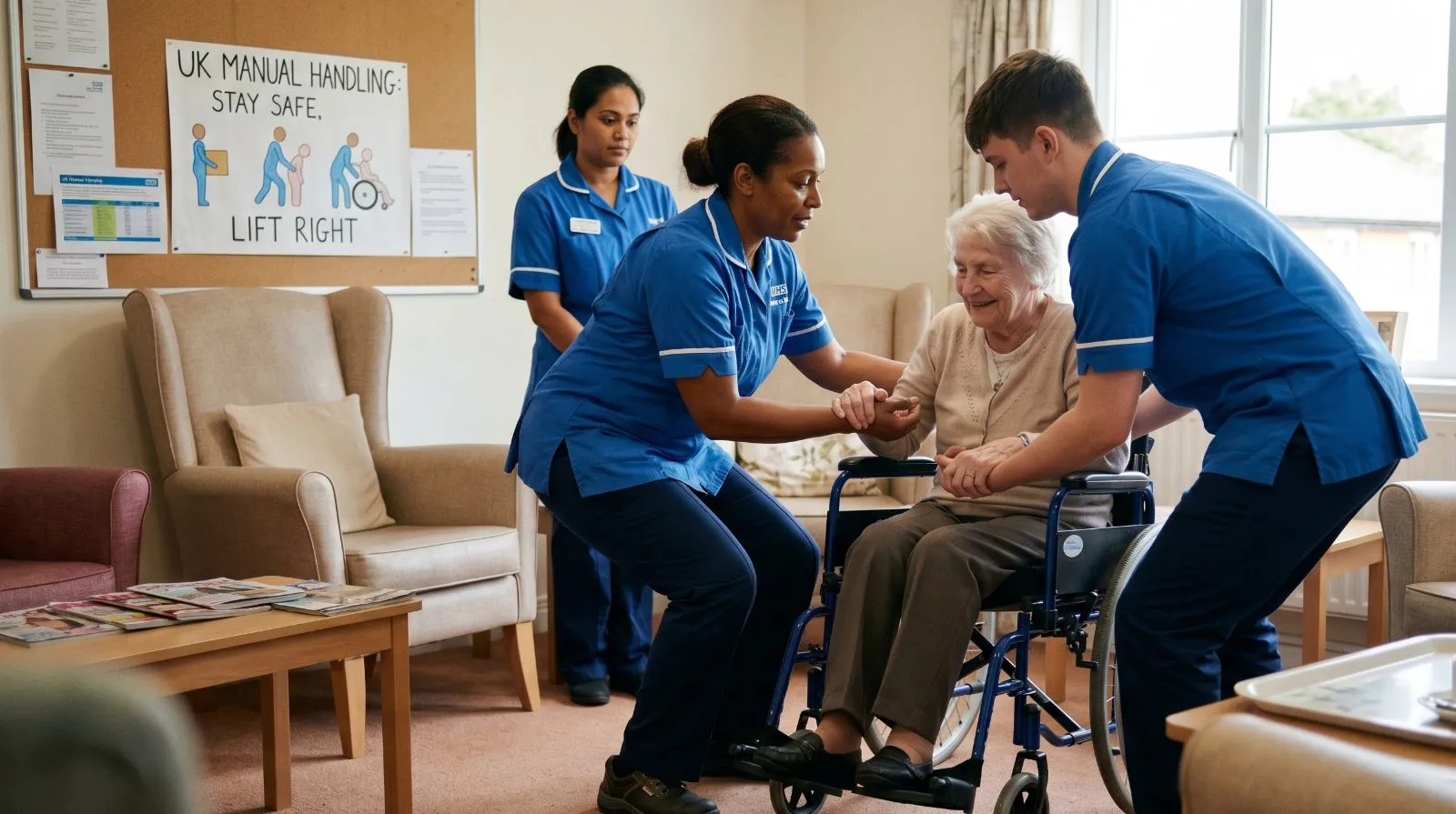
The Complete Guide to Manual Handling Training Courses (UK Regulations and 2026 Best Practice)
Every year, thousands of care workers in the UK sustain injuries that could have been prevented with proper training, and employers face legal consequences when they fail to meet their obligations.
23 Jun 2026·12 min read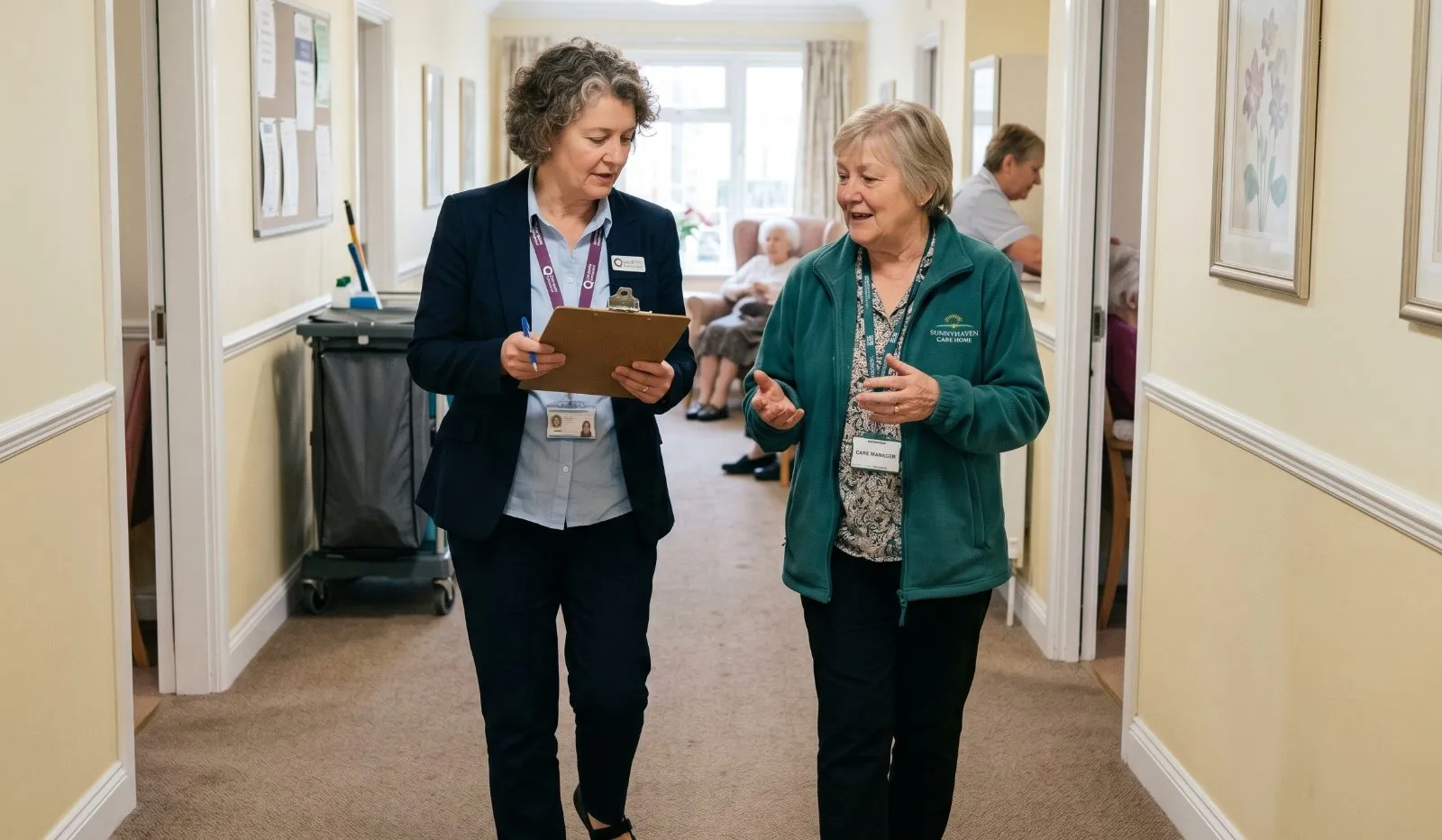
CQC Inspection: How Long It Takes, What Happens and What Follows
CQC sets no fixed length or gap for an inspection. Here is what its own pages say about frequency, triggers, notice, the report and your right to challenge it.
17 Jun 2026·7 min read
The 2026 CQC Single Assessment Framework: What It Is, What It Means, and How It Applies to You
The CQC Framework in 2026: What's Changing and How to Get Your Care Service Ready
1 Jun 2026·15 min read
RIDDOR in Care Homes: What to Report, When and How
RIDDOR applies to care settings, but the specific triggers are often misunderstood. A clear breakdown of what must be reported, to whom, and within what timeframe.
17 May 2025·12 min read
How to evidence equality and diversity for CQC
CQC's Equality & Diversity requirements go beyond a signed policy. Inspectors want to see evidence that your workforce has equitable access to guidance, training, and support.
1 May 2025·9 min read
Overseas Care Workers and Your Policies: Four Ways to Make Them Understood
Overseas care workers can pass an English test and still misread a policy. Four ways to close that gap, compared on cost, accuracy after updates and the evidence each leaves.
3 Apr 2025·6 min read
CQC Readiness Report: What It Is, What It Holds and What It Cannot Tell You
A CQC readiness report is a private record of how prepared a service is. See how it differs from the regulator's report and a mock inspection, and exactly what the CareStream version contains.
7 Mar 2025·7 min read
Night Shift Care Home Walkthrough: Who Answers the Question When the Manager Is Asleep
A night shift in a care home followed in order, showing where staff meet questions the policy folder cannot answer fast, and what a manager can put in place.
20 Feb 2025·7 min readNo articles match that. Try another category or clear the search.
Put the guidance to work
Everything here is written from what care services actually run into. See how CareStream handles it against your own policies.




