Nobody has told Joy, a care worker on a morning round, that her deputy is watching her hands. The deputy walks a few steps behind with a tablet and a printed copy of the hand hygiene policy. She is not checking the folder. She is counting.
That is the point of a hand hygiene audit: you observe what happens at the bedside and the basin, not what the policy says should happen.
One person, one round, enough moments
The free Hand Hygiene Observation Audit in CareStream works as a hand hygiene audit tool built around watching one member of staff at a time. You pick the person, the area and the shift, and you answer as you watch.
It asks for the role of the person watched, from care worker to kitchen staff. It also asks how many hand hygiene opportunities you saw.
Fewer than five counts as a fail. A short watch tells you too little, so the audit pushes you to keep going.
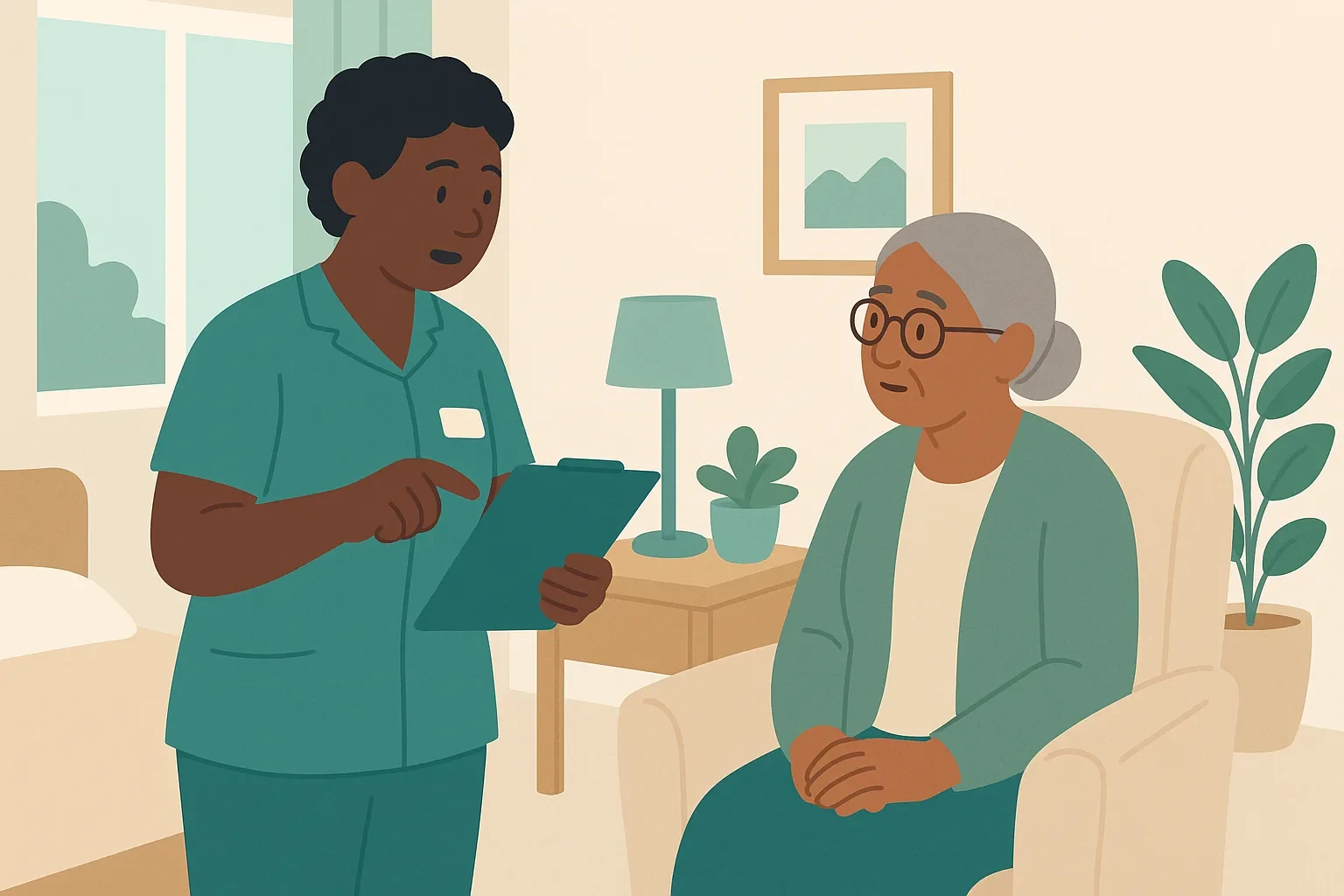
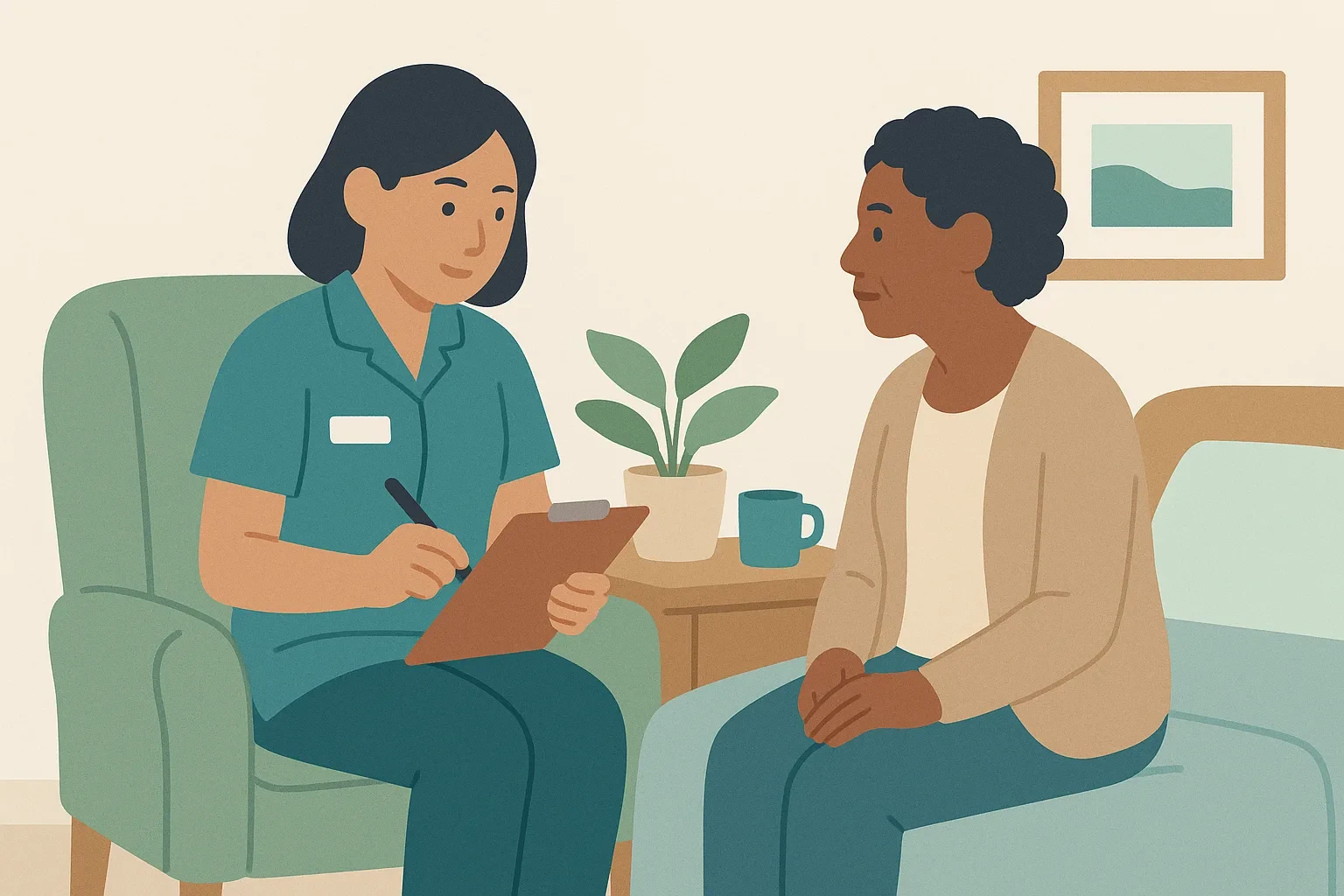
Figure: the setting for an observation, a care task in a person's room with the observer recording what happens.
Do not announce the moments
Another early question asks whether the observation was done without telling the person which moments you were watching. The honest answer matters.
Tell Joy you are auditing and she will wash her hands beautifully for ten minutes. Tell her which moments you will count and the result becomes a performance.
Two other checks sit here, and they are about the person, not the sink. Has the person completed infection prevention and control training in the last twelve months? Is their competence in hand hygiene recorded?
Where the answer to either is no, the free infection prevention and control course is one way to close the gap.
Every audit in the library is free to run, with scoring, actions and a report. No card needed.
Create a free accountCheck the basin and the supplies first
Before Joy washes anything, the deputy looks at what she has to wash with. A perfect technique is no use at a basin with no soap. Any handwashing audit tool should start here.
The audit has a section for facilities and supplies. It asks about each of these.
- A dedicated handwash basin with hot and cold running water.
- Liquid soap from a working dispenser.
- Disposable paper towels, with the dispenser stocked.
- Foot operated bins for used towels, clean and not overflowing.
- Alcohol hand rub within reach at the point of care, with dispensers full and in date.
- A basin that is not used for washing equipment or tipping fluids.
The last item has a basis in guidance. The NHS England manual on standard infection control precautions says clinical handwash basins must be used for that purpose only.
The moments, one by one
The heart of the audit is the section on moments. The NHS England manual lists the five moments for hand hygiene in direct care.
- Before touching a patient.
- Before clean or aseptic procedures.
- After body fluid exposure risk.
- After touching a patient.
- After touching the surroundings of a patient.
The audit asks the same questions in plain care wording. It covers touching a person or their surroundings, clean tasks such as wound care, and body fluid risk including continence care.
It adds a check for after removing gloves. The manual says hands should be cleaned before putting on and after removing gloves. For each check you answer yes, no or not applicable, and if a moment was missed the audit asks which one.
Soap and water or hand rub?
A hand washing audit that only counts washes misses half the picture, so this audit also checks hand rub.
Two questions in the moments section test the choice of method. Were hands washed, not rubbed, when visibly soiled? And were they washed after contact with someone with suspected or confirmed diarrhoea or vomiting?
The manual agrees. It says to use soap and water when hands are visibly dirty, or when caring for someone with vomiting, diarrhoea or a suspected or known gastrointestinal infection. In all other circumstances, alcohol hand rub is the routine choice during direct care.
Watch for the habit that goes the wrong way. A worker who reaches for hand rub after continence care with a person who has diarrhoea has missed this.
Score the technique
The technique section asks for seconds spent washing or rubbing, with a minimum of 20. The NHS guide to washing your hands gives about 20 seconds as the time for soap and water, so the audit sets the same floor.
Then come yes or no checks on what you see.
- All surfaces covered, including thumbs, fingertips and between the fingers.
- Wrists included in the wash.
- Hands rinsed and dried completely with a paper towel.
- Taps turned off with the towel or a hands free method.
- Hand rub rubbed in until dry, not wiped off.
You finish with an overall rating out of five. A score of four or more passes. We suggest you rate what you saw and not what you expect of a good worker.
Sleeves, nails and gloves
The next section covers what the person is wearing, often called bare below the elbows. It asks whether sleeves are short or rolled above the elbow, and whether wrist watches, bracelets and stoned rings are absent. A plain band is allowed where local policy permits.
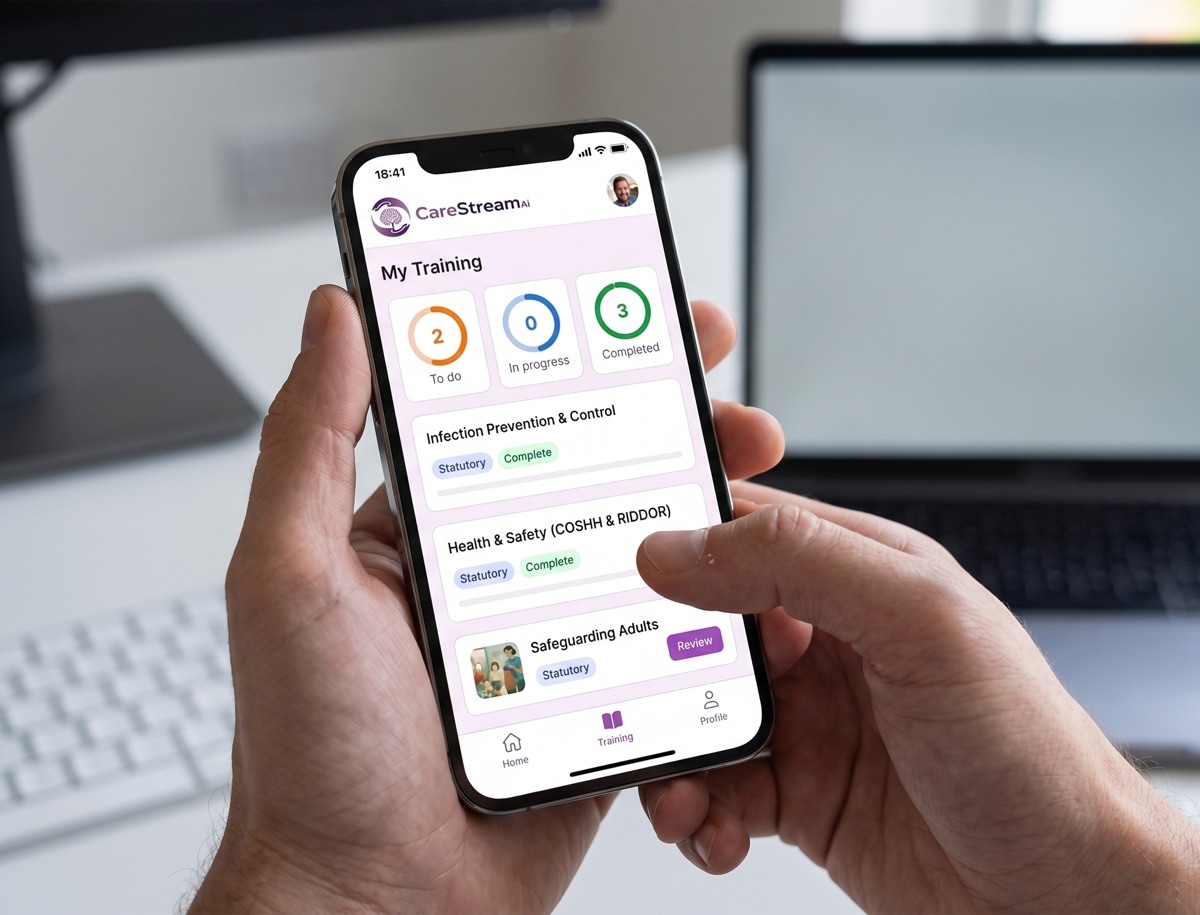
Pick an audit, assign it, score it on a phone and close the actions. Create a free account to start.
Create a free accountIt also asks about short, clean nails with no polish or false nails, and cuts covered with a waterproof dressing. The NHS England manual has matching points on bare forearms, jewellery and nails.
Then gloves and aprons. Were gloves worn where there was a risk of body fluids and changed between people and tasks? Were aprons changed? Was personal protective equipment put on and taken off in the order your policy sets, and thrown away in the right waste stream?
Feedback the same day, then a re-check
The last section is the one that makes the audit worth doing. It asks whether the person got feedback on the day of the observation.
Then it asks whether the observation found any gaps. Answer yes and the audit opens follow up questions: describe the gaps, confirm that a re-observation or refresher has been arranged, and set the date of the re-check.
It also asks for actions, who owns them and by when. Finally it asks whether the result is reported into your monthly infection prevention and control review.
Keep the feedback kind and exact. "You did not clean your hands after taking off your gloves in the second room" is useful. "Your hand hygiene needs work" is not.
What the rules say
The legal basis is Regulation 12, on safe care and treatment. The duty is set out in the regulated activities regulations, and the legislation site carries the full text. Paragraph 2(h) of Regulation 12 is the part on infection risk: assess it, then prevent, detect and control spread.
There is also a code of practice on preventing and controlling infections. The code of practice on the prevention and control of infections says it is not mandatory. Providers must have regard to it, and the Care Quality Commission must take it into account.
Neither the regulation nor the code mentions a hand hygiene audit. Nor does the page for the code give hand hygiene technique. The NHS England manual adds that monitoring of standard precautions must be ongoing.
For the wider picture across the whole building, see our infection control audit walk round. A hand hygiene observation is a closer look at one habit, not a replacement for it.
How often, and who goes next
The audit is set to monthly, with one person per run. That is our setting. We know of no rule that fixes an interval, so let your policy decide.
Choose a different person each month, across roles and shifts, so the results build into a pattern. To see this beside every other check in the year, read how often care home audits should be done.
A record of dated observations, closed actions and re-checks is useful evidence of how you assess and manage infection risk. It does not promise any rating.
This kind of hygiene audit sits best beside the training that supports it.
Benefits of CareStream's free hand hygiene audit
The Hand Hygiene Observation Audit is one of the free audits for care services on a free CareStream account, with no card needed.
- It scores each observation and shows a result for each section.
- Each gap turns into an action, with a named owner and a date.
- The auditor and manager can sign the record on screen.
- It suits care homes, nursing homes, home care and extra care.
If your policy wants a different set of questions, you can copy an audit or build your own audits on the Enterprise plan.
Before the next round
Pick the person, the area and the shift. Open the audit, check the basin before you watch the hands, and stay long enough to see five moments.
Then give your feedback before the shift ends, and put the re-check in the diary.
Sources
- National infection prevention and control manual, Chapter 1: Standard infection control precautions, NHS England · england.nhs.uk
- Code of practice on the prevention and control of infections, GOV.UK · gov.uk
- Infection prevention and control resource for adult social care, UKHSA and DHSC, GOV.UK · gov.uk
- Regulation 12: Safe care and treatment, legislation.gov.uk · legislation.gov.uk
- How to wash your hands, NHS · nhs.uk
Frequently asked