Training collection
Equality and Diversity Training for Care Staff
Equality and diversity training usually fails on the record rather than the room. Staff attended. Nobody wrote down who, or what they scored. Equality and diversity training that an inspector can see has three parts: the learning, the score and the observation.
The six courses here cover the ground from two directions. Law, bias and challenging discrimination on one side. Food, prayer, language, privacy and independence on the other. One set explains the duty, the other shows the shift it lands on.
Underneath them sits the Care Certificate. It is free in English for every member of staff. Standard 4 of it covers equality, diversity, inclusion and human rights.
Every course here is scored, and staff take it in the hub on a phone or a laptop. A certificate follows once you have signed off the competency you watched, because no course can see anybody at work. The training record carries all three parts for each person.
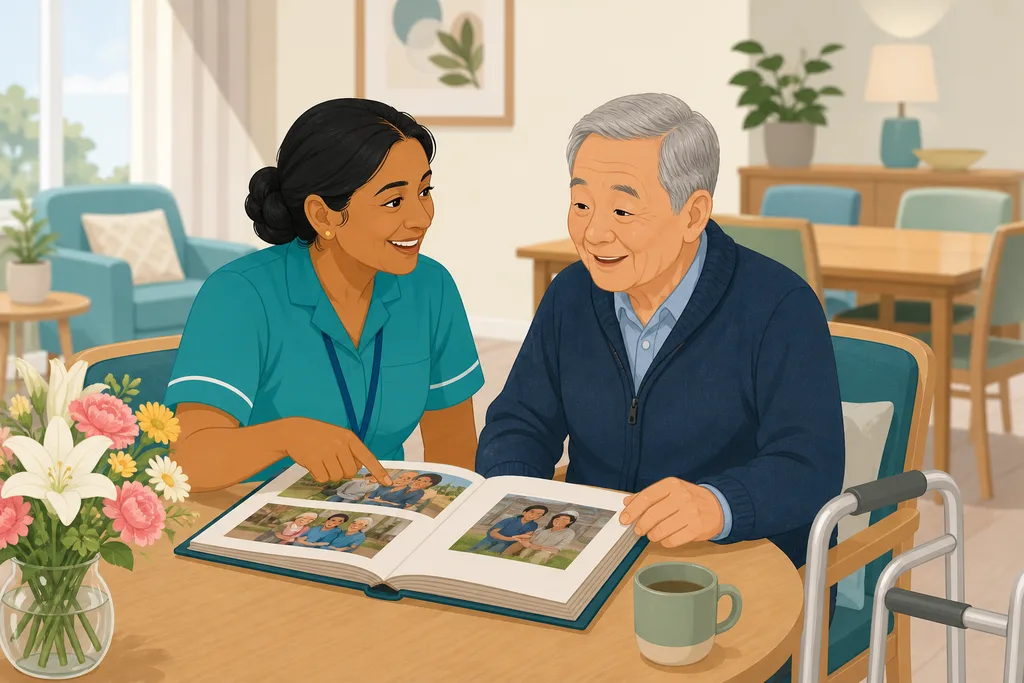
This training covers how we respect and celebrate the differences between residents and staff at our home. You will learn how our policies protect everyone's rights and dignity, and how to support residents to live fulfilling lives in their community without discrimination.
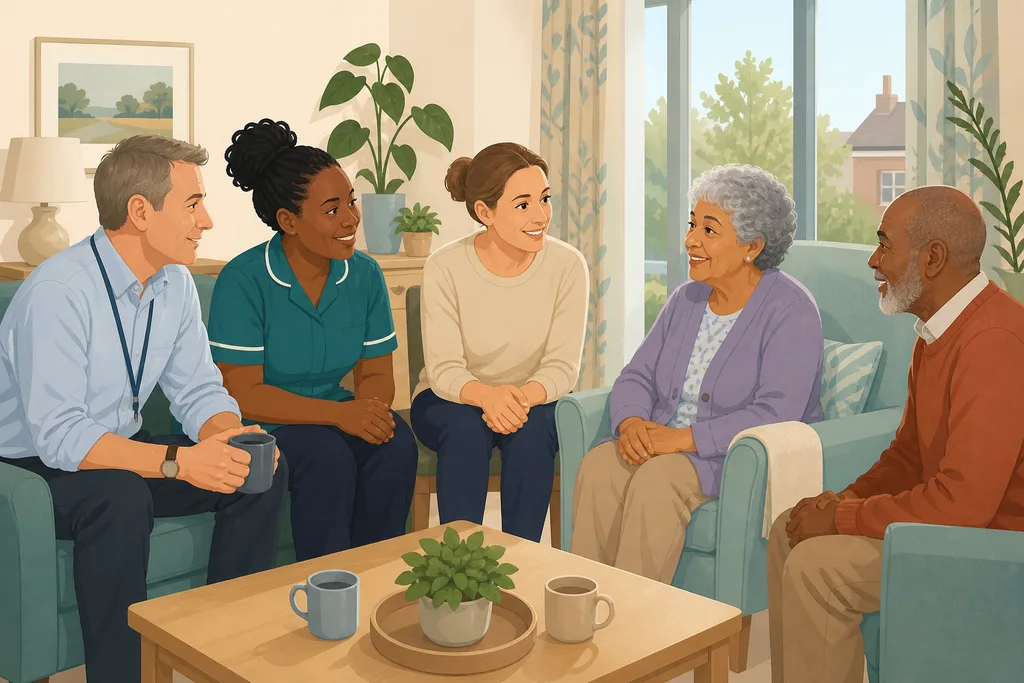
This training covers how we protect the privacy, dignity and respect of everyone living in our residential care home. You will learn practical ways to uphold these fundamental rights in your daily work. Respecting privacy and dignity is a legal requirement and central to providing good quality care.
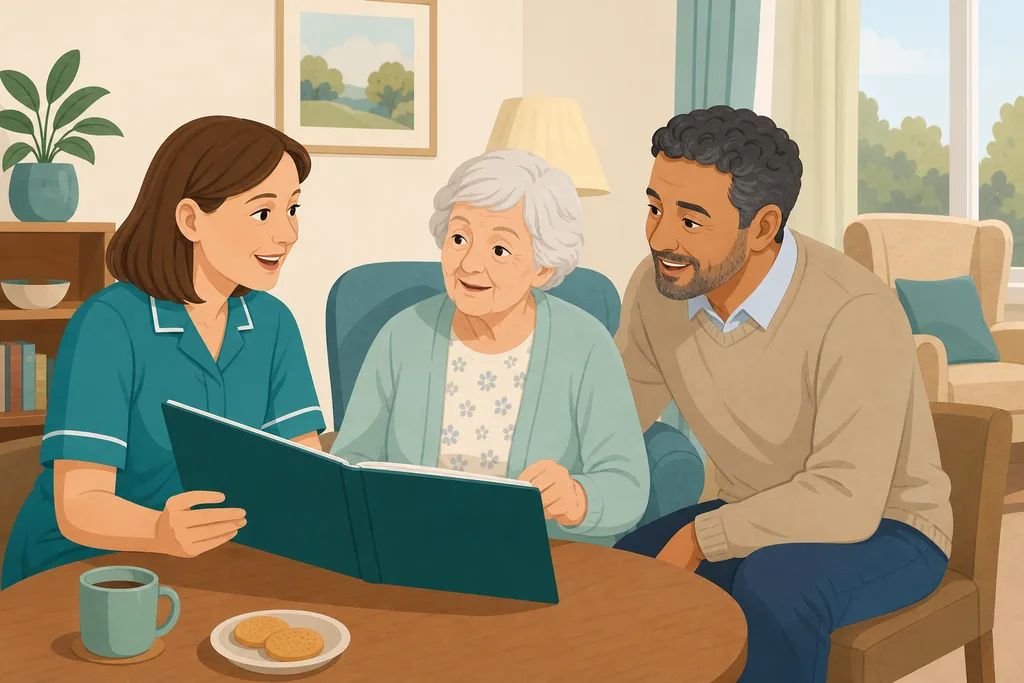
This training covers how to create and maintain care plans that truly reflect each resident's individual needs, preferences, and goals. You will learn how to involve residents and their families in planning care, and how to ensure care plans guide daily practice in a way that respects dignity, choice, and independence.
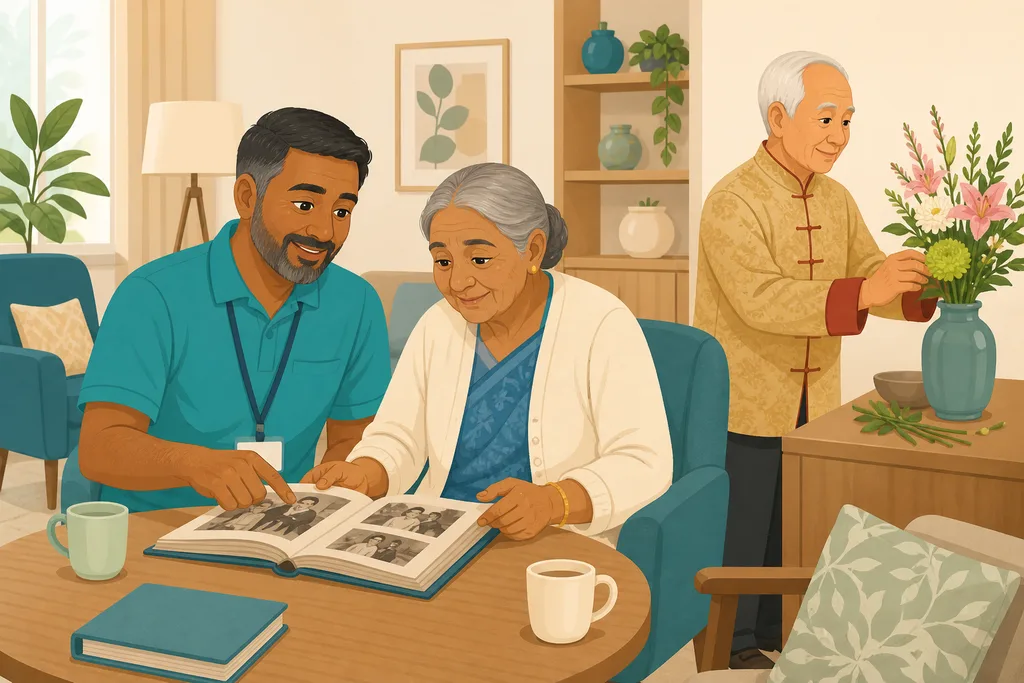
This training helps you understand and respect the diverse cultural, religious and personal backgrounds of the people we support. You will learn how to provide person-centred care that honours each individual's identity, beliefs and preferences. This is essential to meeting CQC fundamental standards and ensuring everyone feels valued and respected in our service.
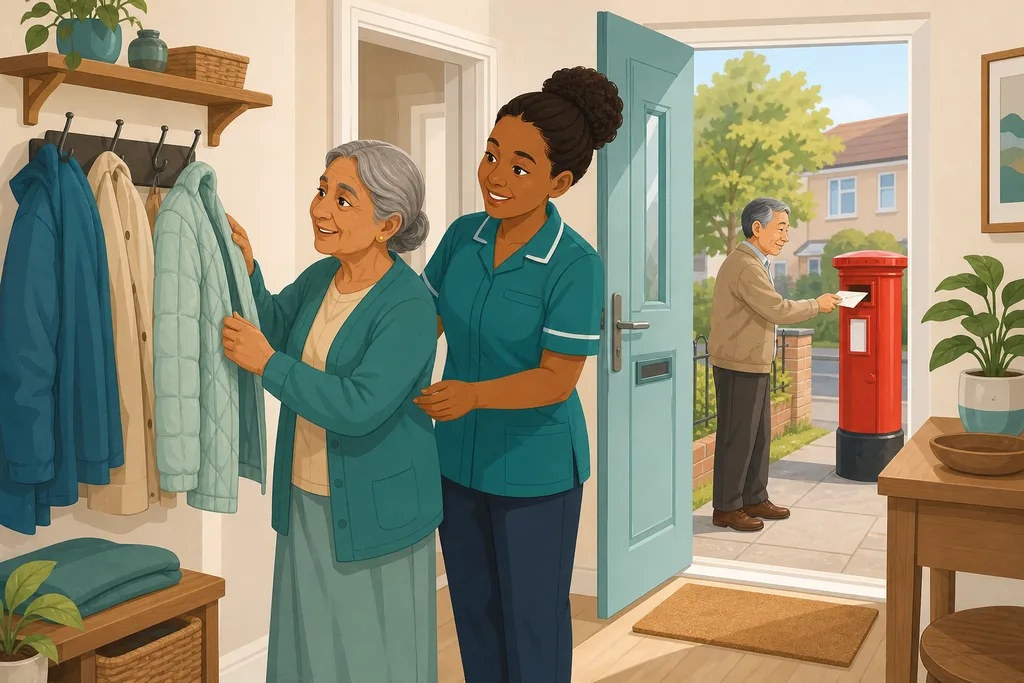
This module helps you support the people you care for to live as independently as possible, making their own choices and living ordinary lives in the community. You will learn practical ways to promote independence, respect personal choice, and help people participate fully in everyday activities that matter to them.
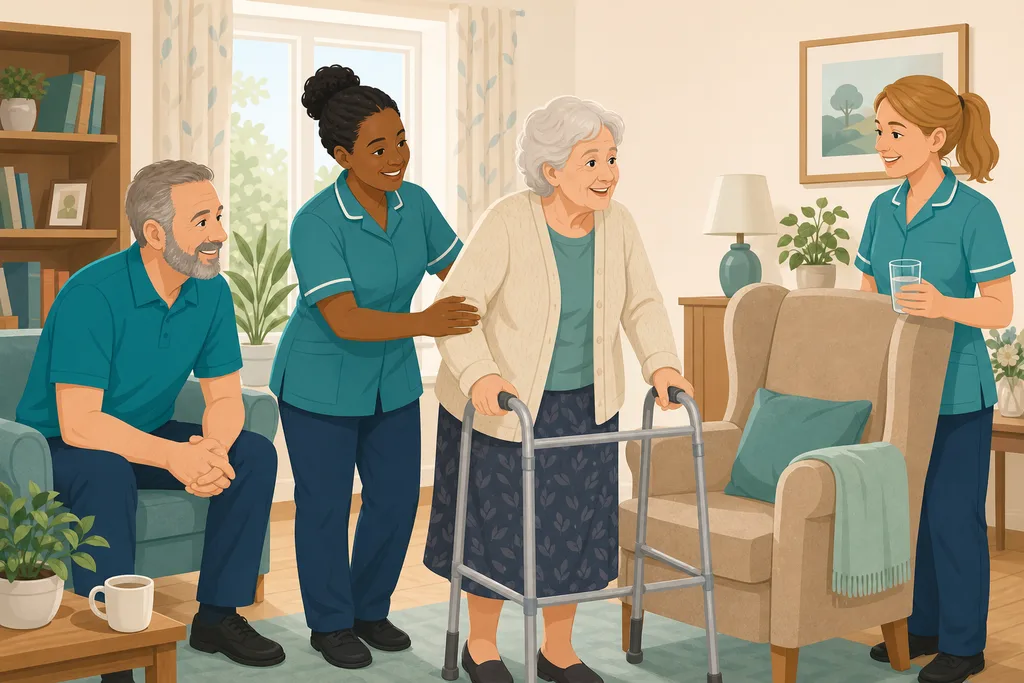
This annual refresher covers the core standards of the Care Certificate that underpin all care work in our service. You will revisit essential principles including person-centred care, dignity and respect, communication, safeguarding, health and safety, and infection control. This training ensures you continue to meet the fundamental standards expected of all care workers in the UK.

What your team learns from these six courses
Most teams have had a session on this. Fewer can say what changed on the floor afterwards, or point to the person whose day is different because of it. These modules are built around the second question.
The equality and inclusion module itself
The equality, diversity and inclusion course for care staff runs to 6 lessons. It opens with what the three words mean in a care setting, not in a textbook.
It then moves on to community links. Next come a person's own preferences, and how to spot and challenge discrimination. The last two lessons cover faith and cultural needs, and the adjustments people need.
Managers searching for equality diversity and inclusion training usually mean this module. It carries 20 questions and a 80 per cent pass mark. Learner time is about 35 minutes.
The discrimination lesson is the one that earns its place. Staff rarely refuse anyone anything. They do sometimes assume, and the lesson works on that.
Culture, privacy and the daily detail
Cultural diversity in care takes the practical half. Food, dress and what a person likes. Faith and spiritual support, and talking across a language gap. It puts culture inside the care plan, not beside it.
Privacy, dignity and respect in a care home covers what good looks like in the building itself. Privacy during personal care. Respecting choice. Confidentiality. Body language, and privacy in rooms that other people share.
Together they answer the question families ask without ever saying it out loud. Will my mother be known here, or simply looked after?
Both modules run to 6 lessons with a scored assessment at the end, so the time is modest and the record is real.

Figure: the conversation after the module, which is where most of the change happens.
Person centred planning and ordinary living
Person centred care planning covers what the phrase actually requires. Involving the resident. Involving families and advocates. Recording preferences and life history, and using the plan rather than filing it.
Promoting ordinary living and independence pushes further. It covers choice and control, and taking part in the community. It ends on positive risk, and on spotting the help that has quietly taken independence away.
That last lesson is unusual and worth the time. Doing too much for somebody is rarely discussed on a training day. It is one of the quiet ways a service removes the very thing it was asked to protect.
Both modules suit supported living and extra care as much as a residential home. The words change a little. The thinking does not.
The Care Certificate standard underneath it all
The free Care Certificate course in English is CPD certified and runs to 16 sections, about 90 minutes and 32 questions.
Standard 4 is equality, diversity, inclusion and human rights. A worker has to explain bias, discrimination and protected characteristics. They also have to say how good practice lowers the risk.
One outcome matters more than the rest for a manager. Standard 4 asks the worker to recognise, challenge and report discrimination in line with your own policies, which means your documents have to say how.
The wider set of sixteen Care Certificate standards and what each one covers explains how induction fits together.
Where this training shows up in your evidence, and what a free account covers
Training is judged by what it leaves behind. Three records do most of the work: the completion, the score and the observation.
What the price covers for each member of staff
Five of the six courses are £25.99 plus VAT for each person, bought once. The price for each licence falls as the number rises, and the basket applies it without being asked.
The Care Certificate course is different. It is free in English on a free account, with certificates included and access that does not expire.
Every learner gets the lessons, a scored assessment and a named certificate once you sign off the observation. Language choice from 60+ languages begins on the Starter plan.
A wrong answer does not simply lose a mark. It sends a short follow up lesson and a fresh question on the same point, and the attempt stays on the record.
How the record answers the question an inspector asks
Staff must receive the training they need for the duties they are employed to do. That duty sits in Regulation 18 on staffing, alongside support, supervision and appraisal.
Induction has its own reference point. The Care Certificate standards published by Skills for Care changed in the 2025 update. A standard on learning disability and autism was added, taking the set to sixteen.
Skills for Care is plain that workers are assessed on what they know and what they do. A course covers the first half. Your observation covers the second.
There is more to it than the matrix. Our guide to the equality and diversity evidence an inspection looks for shows how the training record sits beside care records and what staff say.
Who this training is perfect for
It suits a service with a mixed team. Several first languages may be spoken on one shift. Nobody wants a session that talks down to them.
It suits a home supporting people from different backgrounds, where food, prayer and dress are daily questions rather than annual ones.
It also suits a manager rebuilding an induction. Nine protected characteristics are named in section 4 of the Equality Act 2010, and new staff are expected to know them.
Services with a settled team and a full matrix may only need the free Care Certificate module. Start there and buy nothing until a gap shows.
Why CareStream suits a mixed team better than a yearly licence
The usual options are a per learner subscription, a classroom session for a group, or a free video with no assessment behind it. A good trainer in a room is still the best way to handle a hard conversation.
What those options rarely give you is a record per person in the language that person reads. A session register proves attendance. It does not prove that the person at the back of the room understood a word of it.
You can buy a single module for a single person, and the price is on the page before you start. The score, the follow up lesson and the observation sign off then sit together under that person's name.
For a service with twenty staff and four languages, that is the difference between a folder of signatures and evidence you can hand over.
Benefits of CareStream for equality and diversity training
- Six courses covering law and bias on one side, culture and daily practice on the other.
- The Care Certificate module free in English, CPD certified, with no card needed.
- A follow up lesson on anything a learner gets wrong, with every attempt recorded.
- Nothing is certified until you have watched the person work and signed that off.
- One matrix showing who holds what, and what is due next.
CareStream does not claim a course makes a service inclusive. It gives you the learning, the score and the sign off, and leaves the judgement where it belongs.
Equality and Diversity Training for Care Staff FAQs
Is equality and diversity training mandatory in care?
No rule names a course by that title. The Health and Social Care Act 2008 (Regulated Activities) Regulations 2014 require staff to receive the training they need for the duties they are employed to perform. Equality sits inside the Care Certificate, so most services treat it as part of induction.
Which Care Certificate standard covers equality?
Standard 4, equality, diversity, inclusion and human rights. It asks a worker to explain equality, protected characteristics, diversity, inclusion and human rights, and to show interactions that support culturally appropriate care.
How many Care Certificate standards are there?
16. The 2025 update added awareness of learning disability and autism. Many training pages still say fifteen, so it is worth checking anything you were sent.
Is the Care Certificate course free?
Yes, in English, for every member of staff on a free account. It is CPD certified, carries no card requirement and the access does not expire.
What do the other five courses cost?
£25.99 plus VAT for each member of staff, paid once. The price for each licence falls for larger teams, and the basket works it out for you.
How long does the equality course take?
About 35 minutes across 6 lessons, with a 20 question assessment at the end and a 80 per cent pass mark.
Can staff take the courses in their own language?
The Care Certificate is in English on the free plan. From the Starter plan, learners choose from 60+ languages, and their certificate is still issued in their own name.
Does a certificate prove a member of staff is competent?
No. It records that the person completed the course and passed the assessment. You sign off the observed competency before the certificate is issued, which is where practice is judged.
What is the difference between equality and inclusion?
Equality is about not treating someone worse because of who they are. Inclusion is about the person taking part in the life of the service. The first module separates the two, with bias and discrimination in between.
Does cultural diversity training duplicate the equality course?
No. The equality module covers law, bias and challenging discrimination. The cultural diversity module stays with daily practice: food, dress, language, religious and spiritual support, and culture in care planning.
How do we evidence this training to an inspector?
The matrix shows who completed what, when, and the score. The certificate carries the name and date, and the observation sign off records who watched the person work.
Which services buy this collection?
Residential and nursing homes, home care agencies, supported living services and hospices. It matters most where the team speaks several first languages or the people supported come from several backgrounds.
Do staff have to retake the courses?
The certificates are dated and renew yearly, which is why they are described as annual training. The matrix shows what is due so nothing drifts quietly out of date.
What does a wrong answer do?
The learner is sent a short follow up lesson and a fresh question on the same point. They close the gap before they can finish, and every attempt is kept on their record.
Can we start without paying anything?
Yes. A free account gives every member of staff the ten CPD certified courses, the audit templates and a check of your first 5 policies, with no card needed.
More on training
Guides and collections that go with this page, and the full libraries.
Policies are one part of it.
CareStream is the compliance system underneath: your policies, your staff training, your audits and your evidence, kept current and ready for the day somebody asks to see them.
- Policies written and kept updated for you
- Staff training that records itself against the standard
- Gap analysis showing what you are missing before an inspector does
- Everything in one place, for one price




