Cultural Diversity in Care training that gets your team CQC-ready
- CQC-aligned, mapped to the Care Certificate framework
- Completed in the hub in over 60 languages
- A certificate for every staff member, for your CQC evidence
- A wrong answer triggers a follow-up lesson, so gaps are closed
No subscription needed. Bulk discounts from 10+ licences.
From £25.99 per staff member, one-off. No subscription needed.
Trusted by UK care providers
Specialists in the technology behind it all
The same technology behind the world's best products powers CareStream, so your team's cultural diversity in care training stays accurate, always up to date with the latest guidance, and is delivered in over 60 languages.
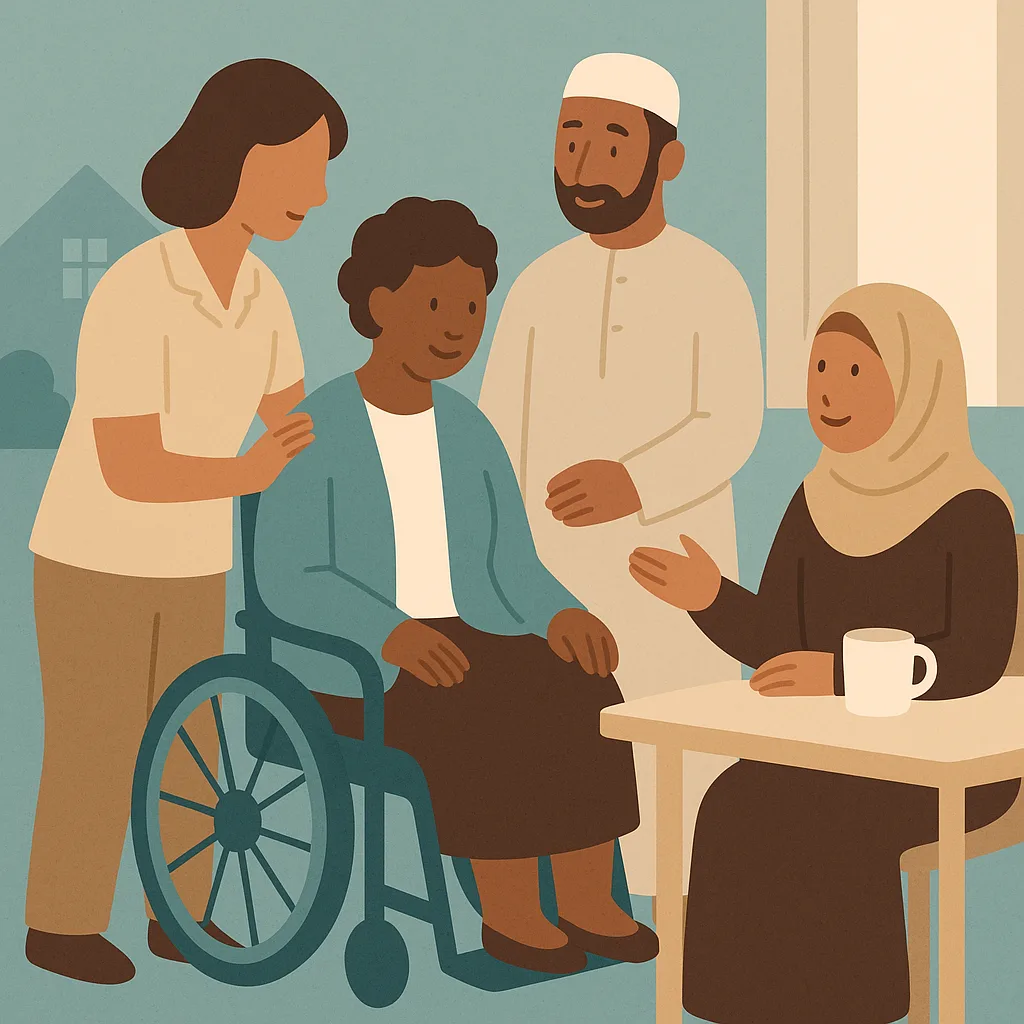
Understanding Cultural Diversity
Cultural diversity means the different backgrounds, beliefs, values and traditions that make each person unique. This includes ethnicity, religion, language, food preferences, dress, customs and life experiences. Every person we support has their own cultural identity that shapes who they are. Our role is to learn about and respect these differences, not treat everyone the same way.
What does person-centred care mean in relation to cultural diversity?
In the hub, a wrong answer sends the staff member a short follow-up lesson and a fresh question on the same point. They close the gap before they can finish the module, and every attempt is recorded for your CQC evidence.
That is how the training works. Give your whole team the full Cultural Diversity in Care module.
Avg. Duration
About 35 minutes
Certificate
For every staff member
Available Languages (60+)
Course Published by
A clear, practical grounding in cultural diversity in care.
This training helps you understand and respect the diverse cultural, religious and personal backgrounds of the people we support. You will learn how to provide person-centred care that honours each individual's identity, beliefs and preferences. This is essential to meeting CQC fundamental standards and ensuring everyone feels valued and respected in your service.
By the end, your staff will be able to:
- Identify the different aspects of cultural diversity that affect care delivery
- Explain how to provide person-centred care that respects cultural and religious needs
- Recognise situations where cultural preferences should guide care planning and activities
- Apply appropriate communication approaches when supporting people from diverse backgrounds
- Describe how to challenge discrimination and promote equality in daily care practice
A closer look at the cultural diversity in care module.
The module is built in short, practical sections. Each one teaches a part of the topic, then applies it to a real care scenario and checks understanding before moving on.
Understanding Cultural Diversity
Cultural diversity means the different backgrounds, beliefs, values and traditions that make each person unique. This includes ethnicity, religion, language, food preferences, dress, customs and life experiences. Every person we support has their own cultural identity that shapes who they are. Our role is to learn about and respect these differences, not treat everyone the same way.
Cultural Needs in Care Planning
Person-centred care means understanding each individual's cultural preferences and building these into their care plan. This includes dietary requirements, religious observances, communication preferences, modesty requirements and personal care preferences. We must ask people about their needs, record them accurately and ensure all staff follow them. Cultural needs are as important as medical needs.
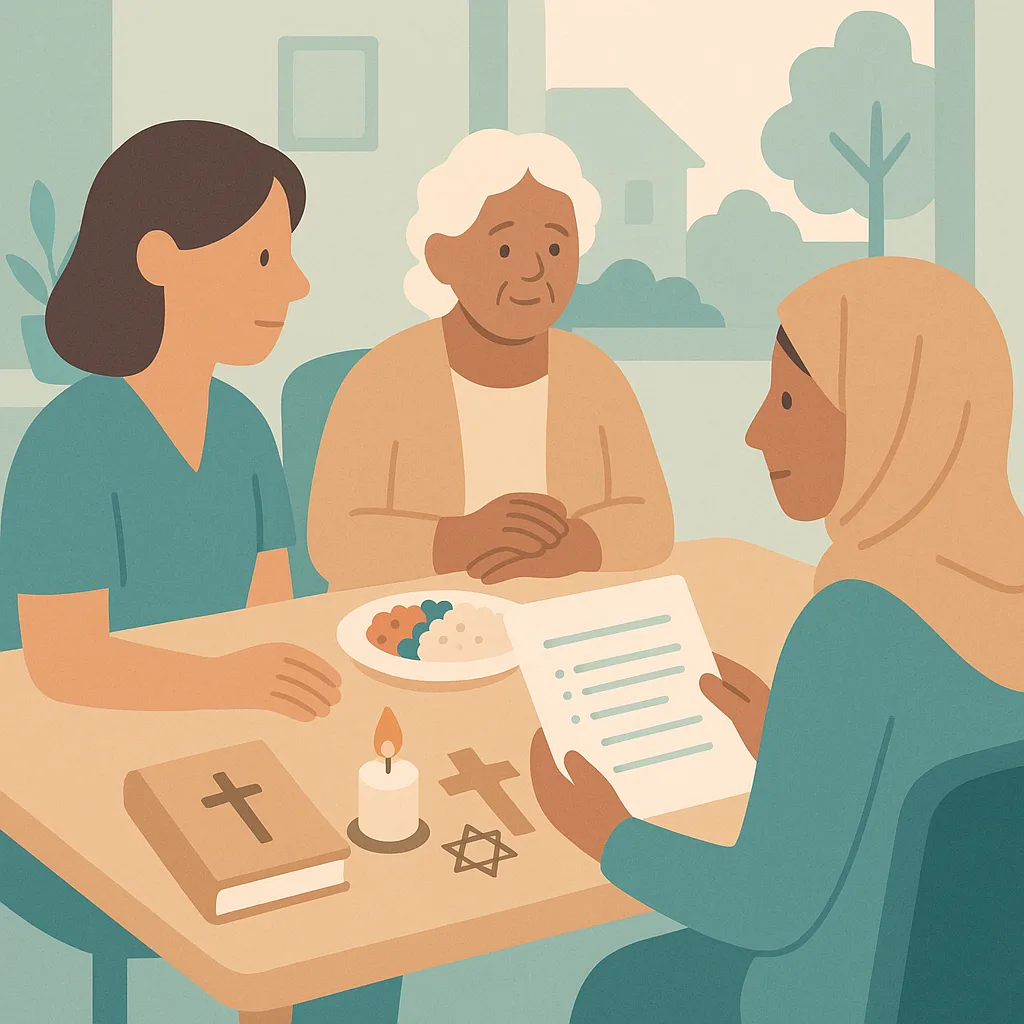
Religious and Spiritual Support
Many people have religious or spiritual beliefs that are central to their wellbeing. We must support people to practice their faith, including attending worship, observing religious festivals, following dietary rules, wearing religious items and having access to religious leaders. Our activities and outings should include opportunities for people to fulfil their spiritual and cultural needs. Never assume what someone believes or dismiss religious practices as unimportant.
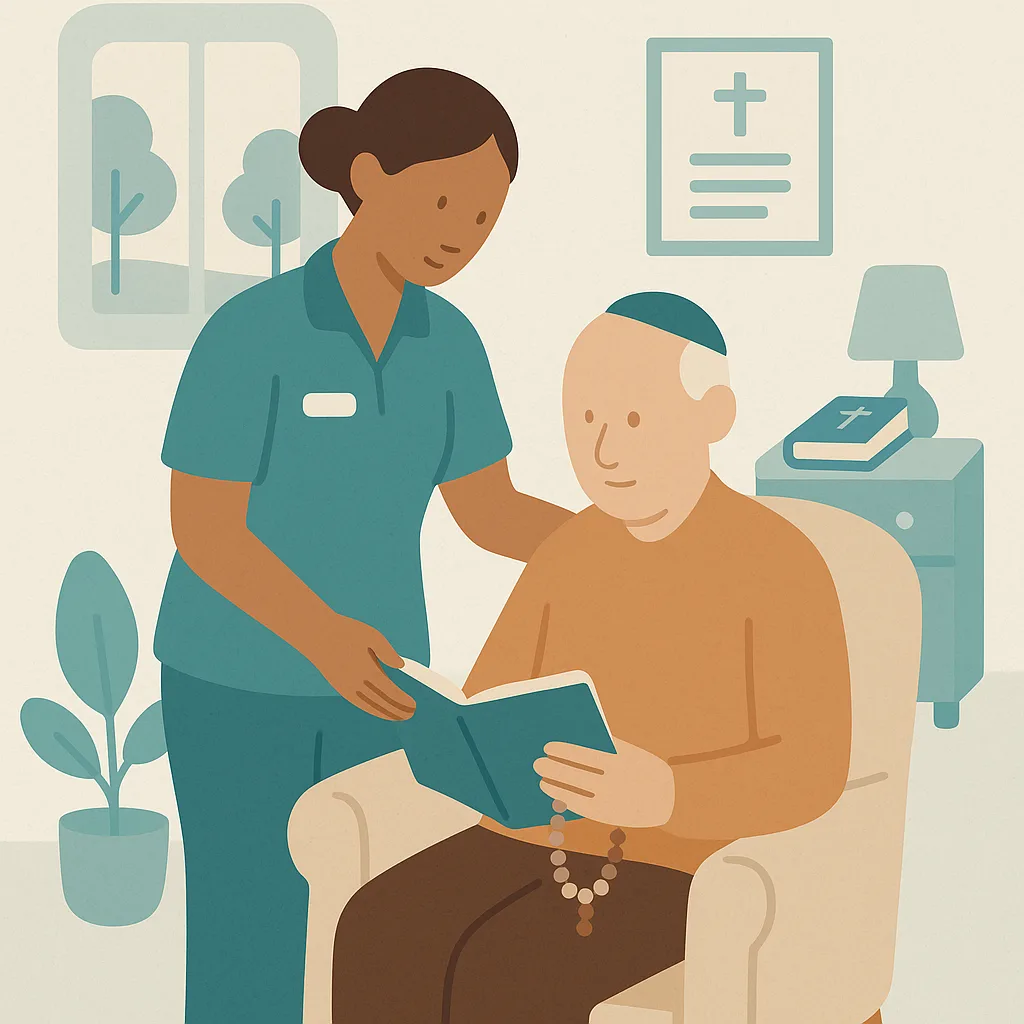
Communication and Language
Effective communication respects cultural differences in language, expression and interaction styles. Some people may speak English as an additional language or prefer to communicate in their first language. We should arrange interpreters or translation services when needed. Be aware that eye contact, personal space, touch and gestures have different meanings in different cultures. Always check understanding and never assume someone has understood just because they nod or smile.
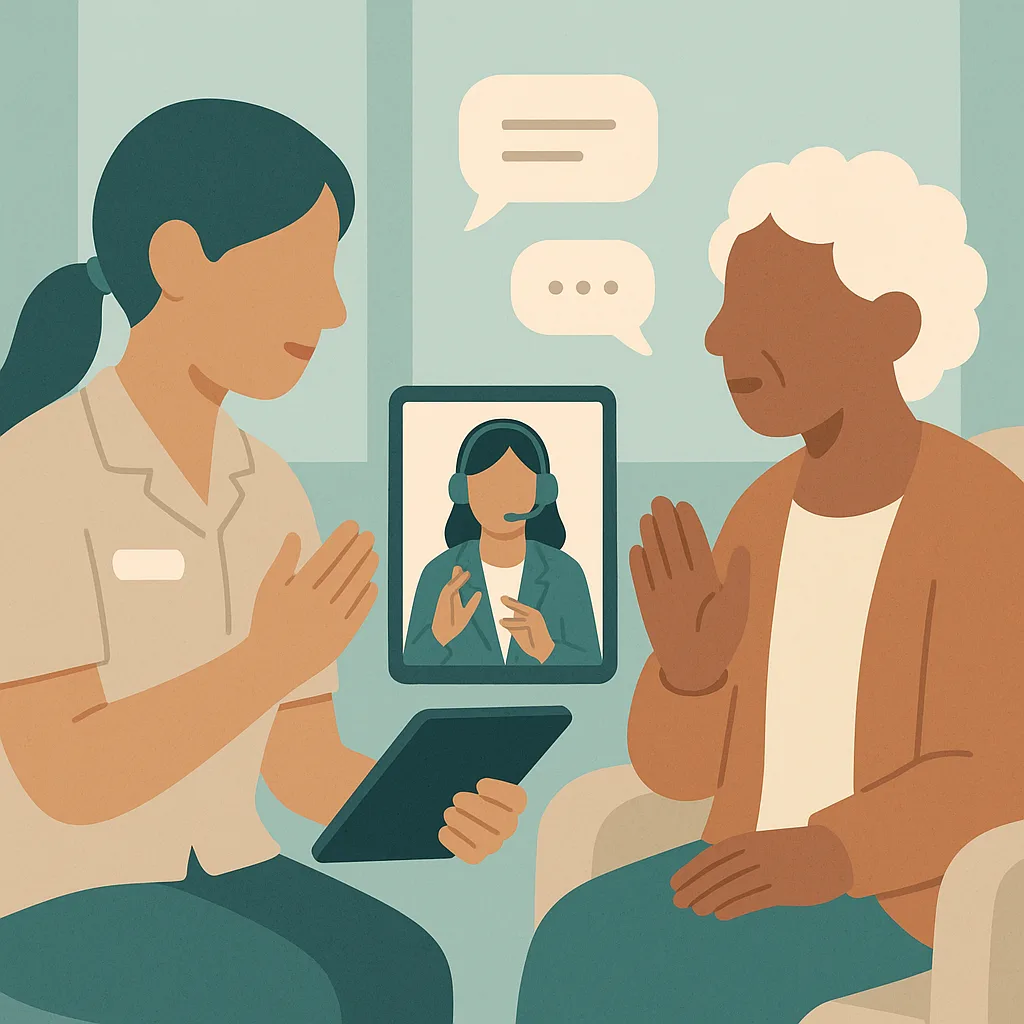
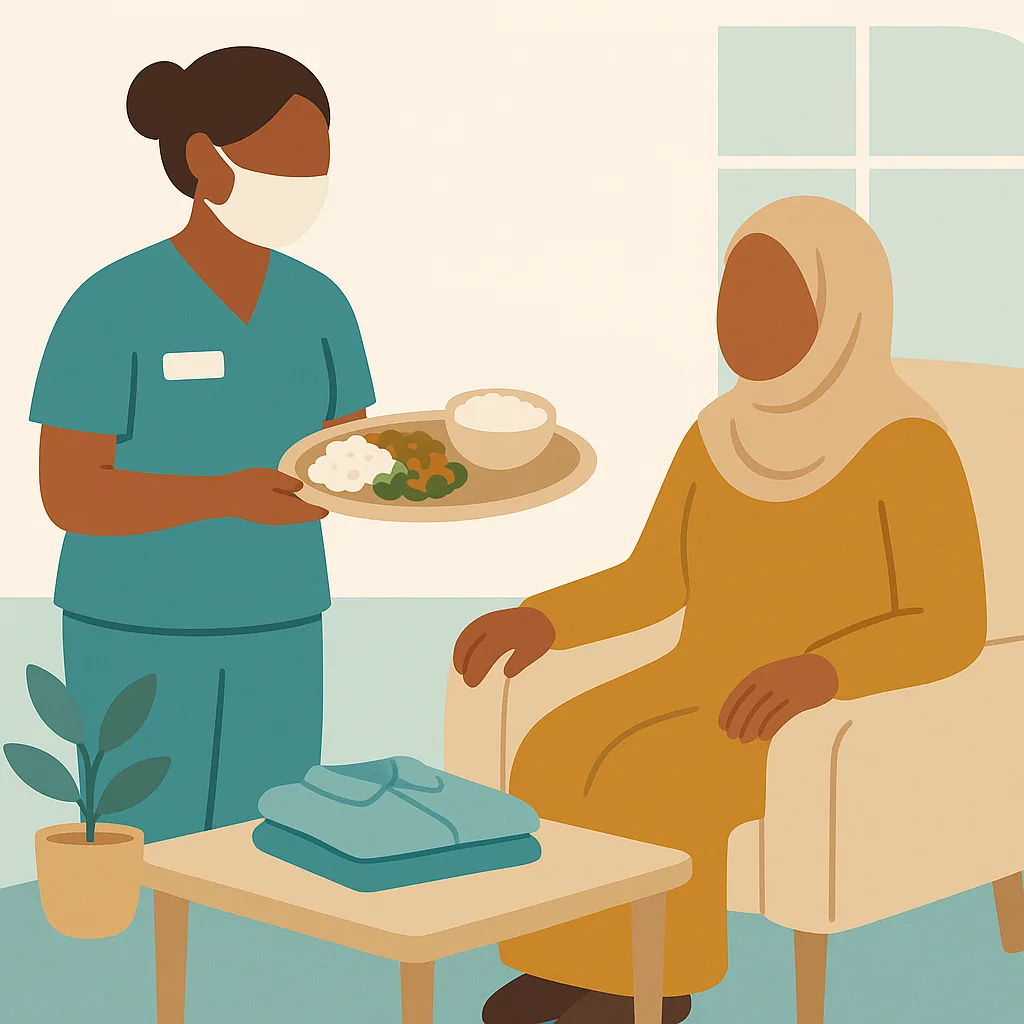
Food, Dress and Personal Preferences
Cultural identity is expressed through food, clothing and daily routines. We must provide meals that meet religious and cultural dietary requirements, not just offer alternatives. People have the right to wear clothing that reflects their culture or religion, including head coverings, religious symbols or traditional dress. Personal care routines may vary by culture, including bathing preferences, hair care and grooming. Always ask individuals about their preferences rather than making assumptions.
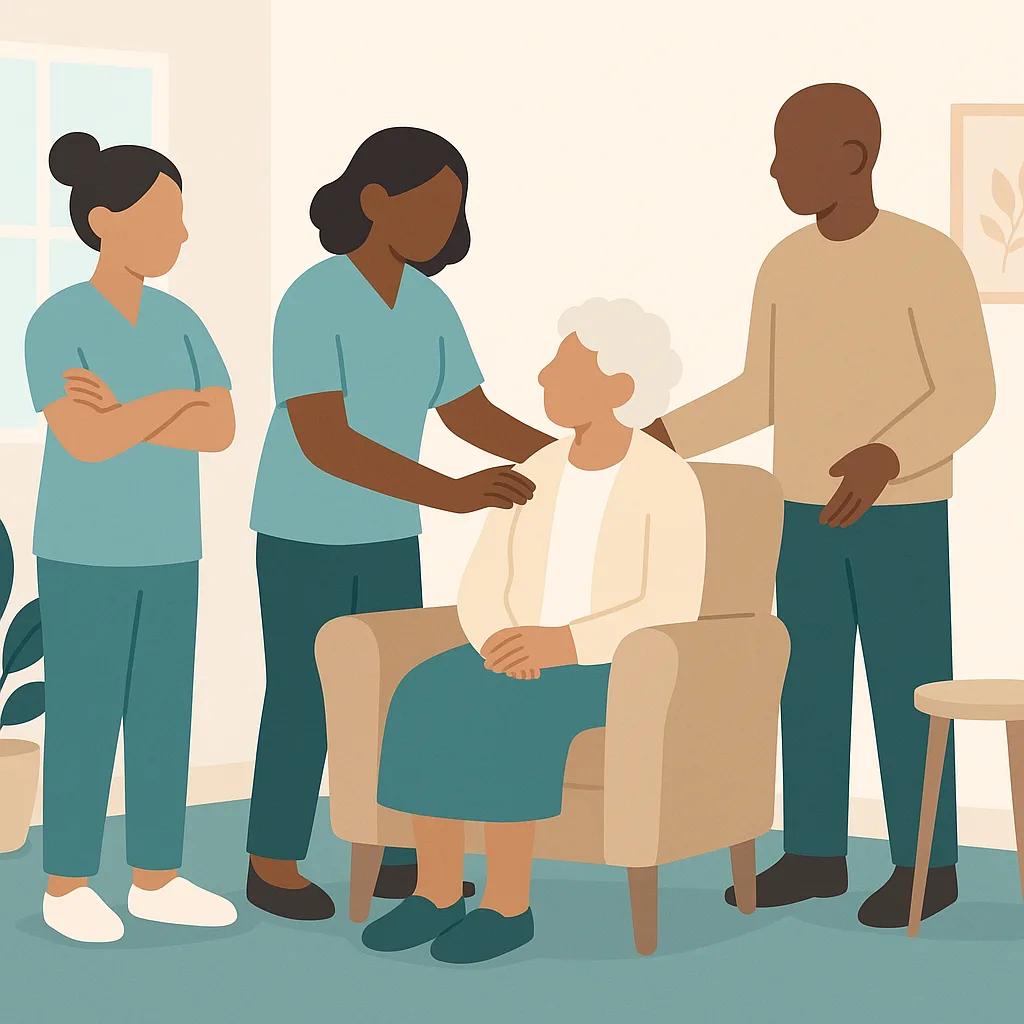
Challenging Discrimination and Promoting Equality
Everyone has the right to be treated with equal respect regardless of their background. Discrimination means treating someone unfairly because of their culture, religion, ethnicity or other characteristics. This includes direct discrimination, indirect discrimination and microaggressions like insensitive comments. You must challenge discrimination whenever you see or hear it, whether from staff, other people we support or visitors. Report all incidents and support the person who experienced discrimination. Promoting equality means actively ensuring everyone has fair access to care, activities and opportunities.
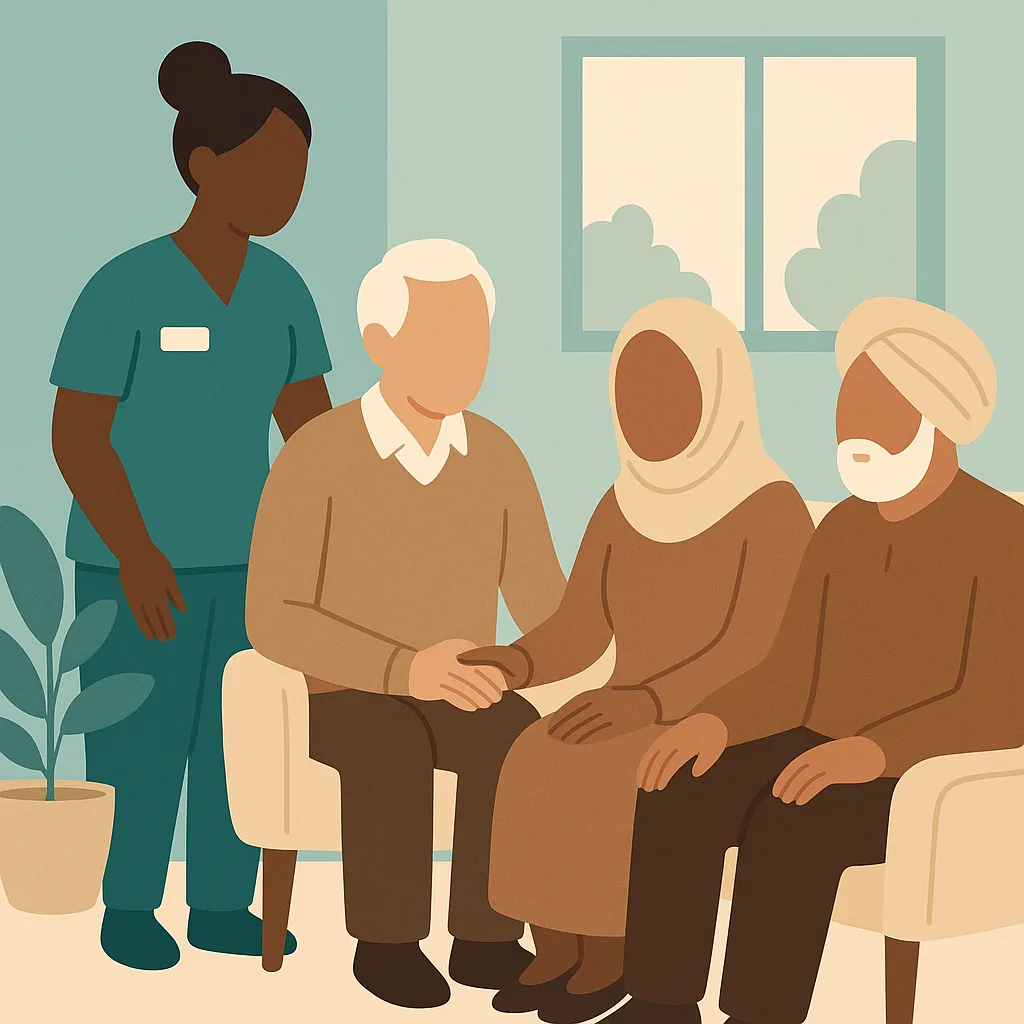
The things your team must remember.
- Cultural diversity includes ethnicity, religion, language, food, dress, customs and life experiences that make each person unique
- Person-centred care means respecting and accommodating each individual's cultural, religious and personal preferences in their care plan
- We must support people to practice their faith, observe religious requirements and maintain their cultural identity
- Use interpreters and clear communication when needed, and never assume understanding across language or cultural differences
- Challenge all discrimination immediately, support people who experience it and report incidents
- Cultural needs are as important as medical needs and must be met to provide dignified, lawful care
Not a slideshow once a year. Training that sticks.
CareStream delivers cultural diversity in care training in the hub your team already uses, grounded in best practice and your own policies, so it fits your care setting and not a generic template.
Short teaching sections and a real care scenario, then an assessment that checks understanding.
Staff complete it in over 60 languages, while your records stay in English.
A wrong answer triggers a short follow-up lesson and a fresh question, so the gap is closed.
Automatic reminders at 90, 30 and 7 days, with a live compliance dashboard.
From your dashboard to your team, in the CareStream hub.
Training is delivered in the hub each staff member logs into. You allocate the modules, they complete them in their own language, and you get the completion records and certificates for your CQC evidence, with any gaps closed by automatic follow up training.
Assign Cultural Diversity in Care to each staff member in seconds. No course builder and no setup for each person.
Staff work through the module on any device, in over 60 languages, teaching then checking understanding. A wrong answer sends a short follow up lesson.
See live completion status and a certificate for every person, ready as evidence for CQC.
Any step, in their language, in one tap.
Care teams are diverse and training should not leave anyone behind. On any lesson or question, a staff member taps the language button and the whole step flips into the language they think in. They understand it properly, and your records stay in English.
- One tap flips any lesson or question into their language, instantly.
- Over 60 languages, with no setup and no separate versions to manage.
- Completions and certificates stay in English for your CQC evidence.
Try the language buttons in the preview above.
Built for real learning, not box ticking
Every CareStream course goes further than a lesson and a quiz. These features come as standard on every course, giving your staff a richer way to learn and giving you the evidence to prove it.
Every course is built on recognised UK guidance and cites its sources, from NICE and Skills for Care to the NHS and the legislation itself.
A plain English glossary of the technical terms in each course. A simple way to support every learner, including staff with English as a second language.
A quick knowledge check before the lesson is compared with the final assessment, so every certificate comes with evidence of how much the course actually taught.
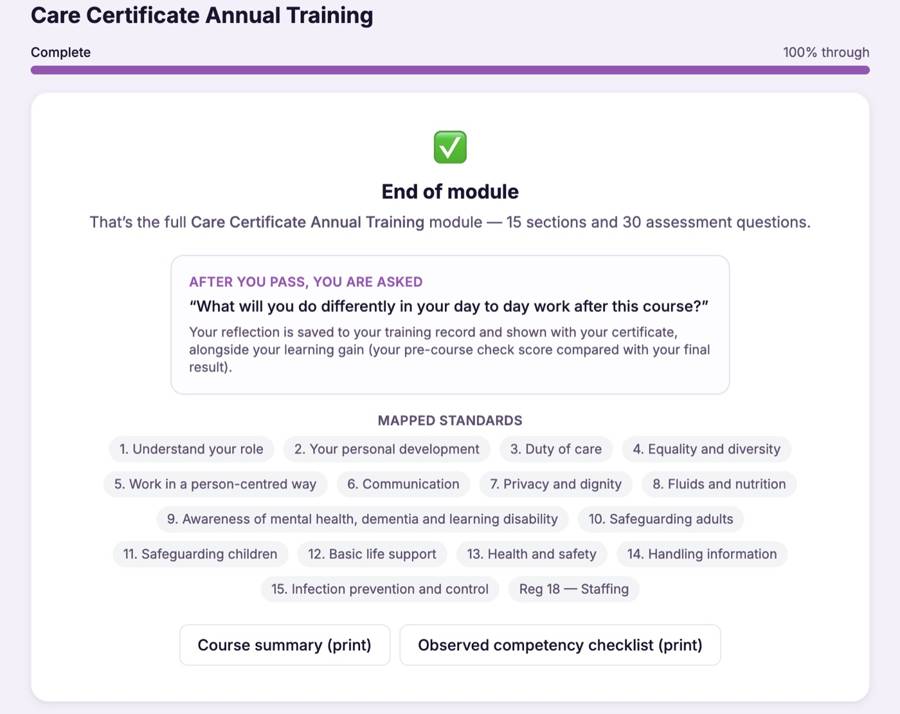
After passing, staff record what they will do differently in their day to day work. Their reflection is saved to their training record and shown with their certificate.
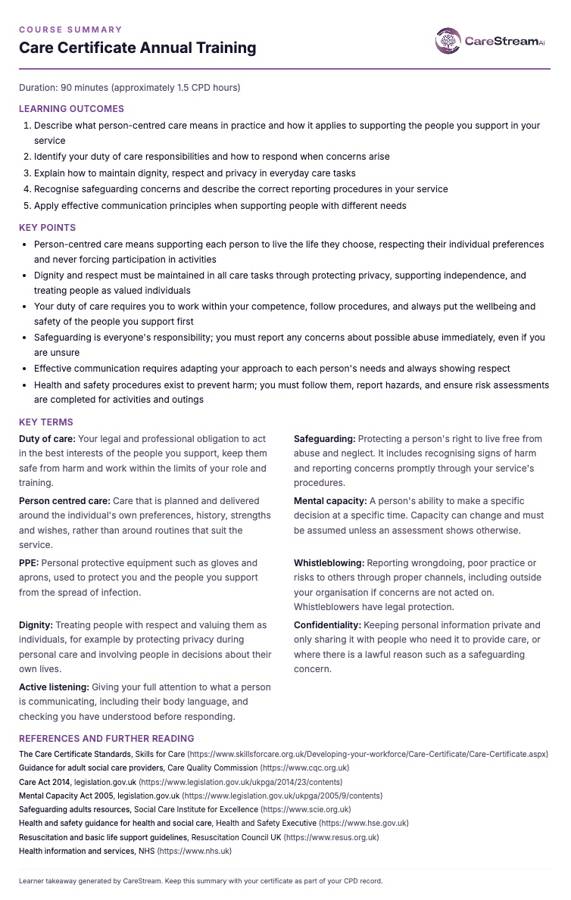
A printable one page takeaway of the outcomes, key points and key terms. Perfect for staff files, supervision conversations and the staff room wall.
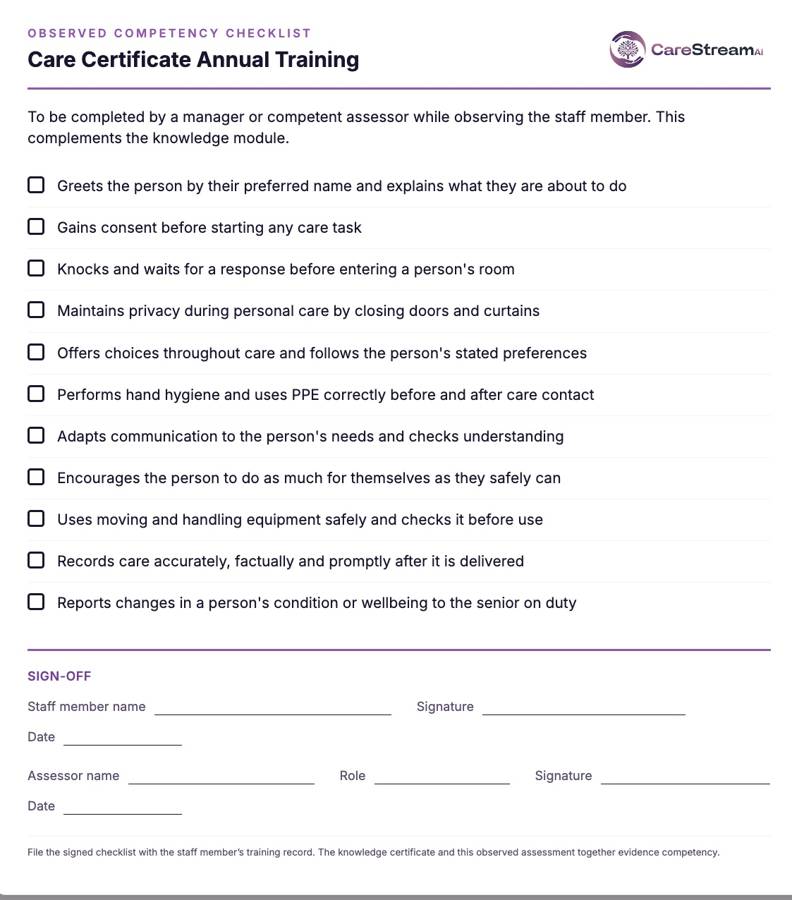
A printable checklist for managers to confirm skills in practice, with a sign off section. It completes the picture beyond the knowledge assessment.
Wrong answers become lessons, not failures
Most e learning marks an answer wrong and moves on. CareStream does not. Every wrong answer triggers an automatic follow up loop that teaches the point again and rechecks it, so no knowledge gap is left behind.
A wrong answer immediately opens a short lesson explaining the point, so the gap is closed there and then.
A fresh question on the same point checks the lesson has landed. The loop repeats until it has.
Staff move on to the next module and their certificate once they genuinely know the answer, not just after one lucky guess.
Why choose CareStream?
Training built for the care sector, delivered the way busy teams actually learn.
- 90+ care-specific training courses
- Bitesize, engaging lessons your staff actually finish
- Mapped to the Care Certificate & CQC standards
- Available in 60+ languages
- Instant certificate on completion
- Flexible learning, anytime, on any device
- Content kept up to date with UK care regulations
- Time to complete: ~35 min
Frequently asked questions.
Is Cultural Diversity in Care training mandatory in care settings?
How often should staff complete Cultural Diversity in Care training?
Can CareStream deliver Cultural Diversity in Care training in other languages?
Does the training include an assessment?
More training your team may need
More mandatory and role-specific training CareStream delivers to your team, in the hub, in any language. Add any of these to your basket.
 Annual Certificate
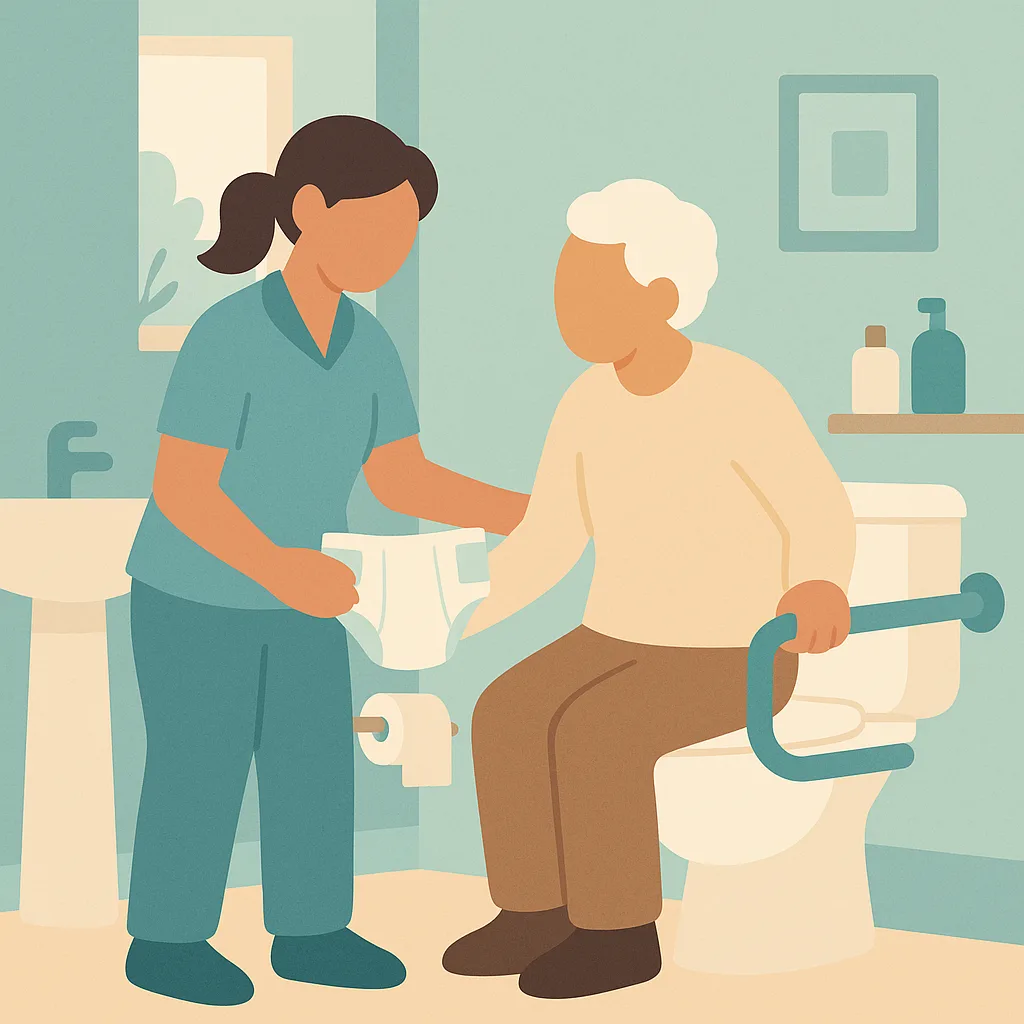
Continence Care
This training covers how to support people with continence needs in a dignified, person centred way. You will learn how to maintain privacy and independence, manage continence products safely, and follow our home's procedures to promote wellbeing and prevent complications.
Bulk discounts from 10+ licences
 Annual Certificate
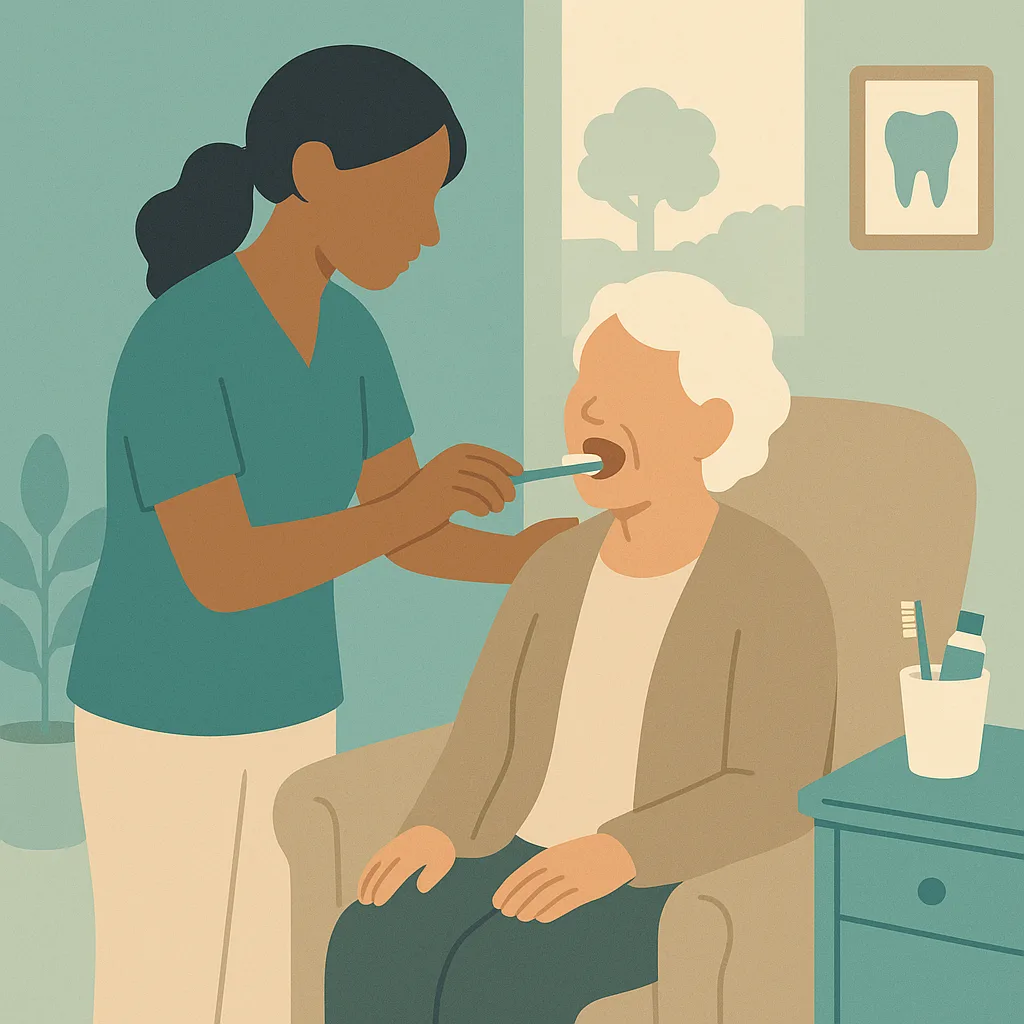
Oral Health
Good oral health is essential for residents' dignity, comfort, nutrition and overall wellbeing. Poor oral hygiene can lead to pain, infection, difficulty eating and serious health complications. This training covers how to support residents with daily mouth care, recognise oral health problems and work with dental professionals to maintain healthy teeth and gums.
Bulk discounts from 10+ licences
 Annual Certificate
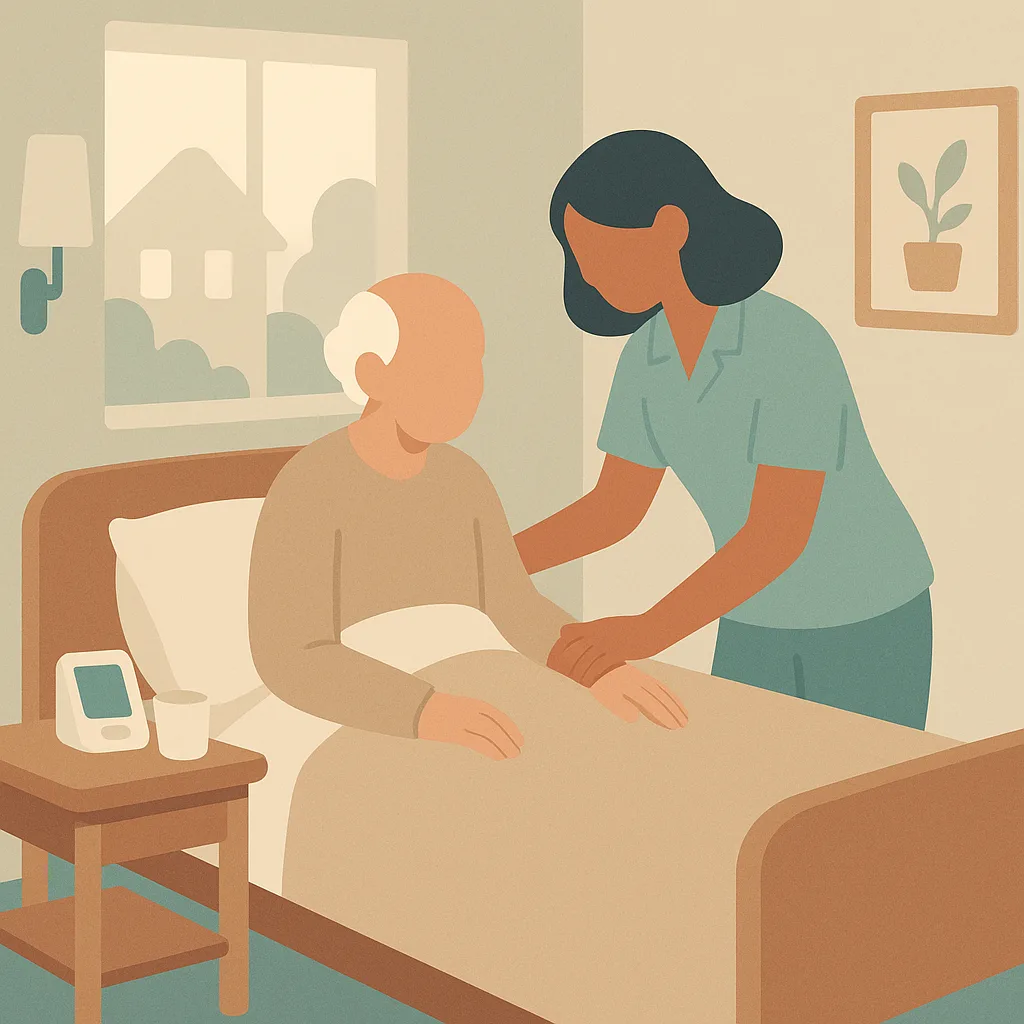
Recognising the Deteriorating Resident
This training helps you spot when a resident's health is getting worse and know what to do about it. Early recognition of deterioration can save lives. You will learn the signs to watch for, how to check vital signs correctly, and when to escalate concerns following our home's procedures.
Bulk discounts from 10+ licences
 Annual Certificate
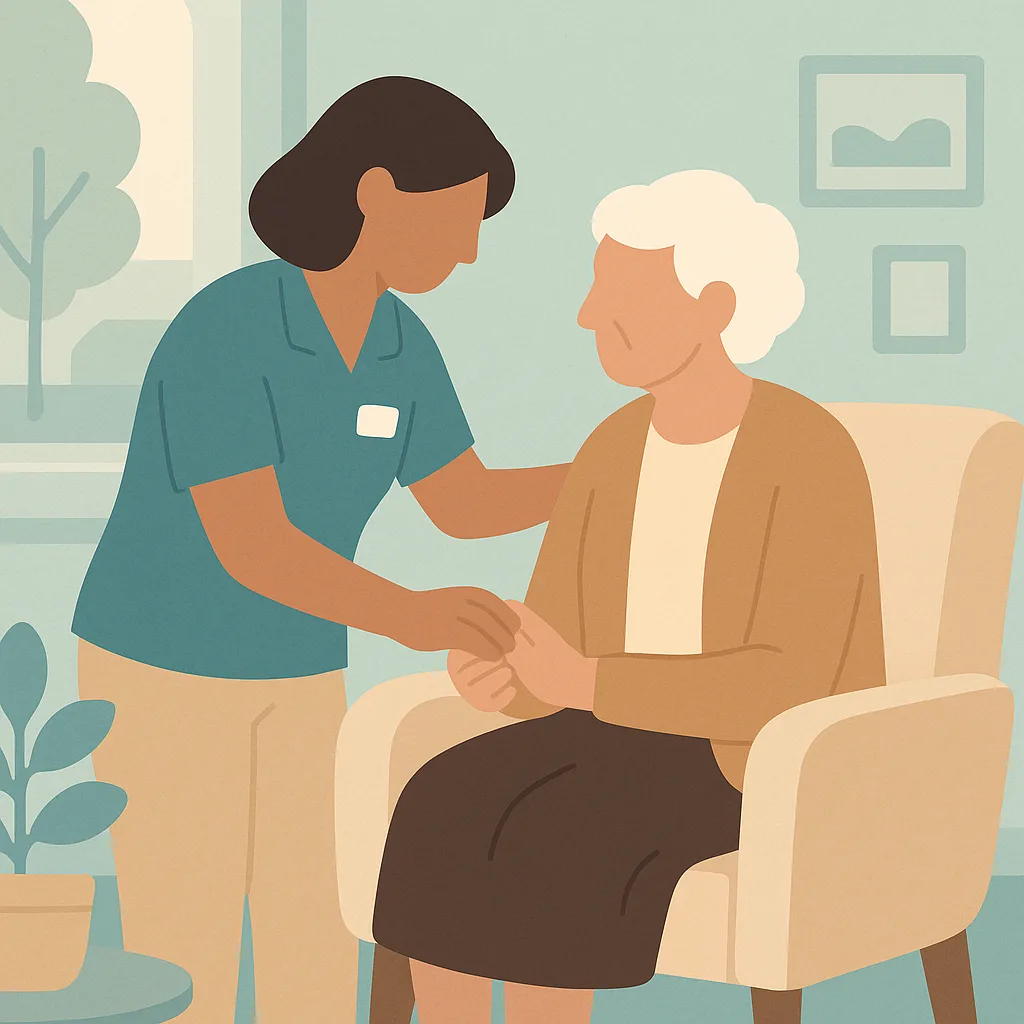
Dementia Awareness
This training helps you understand dementia and how to provide person centred care to residents living with dementia at our home. You will learn to recognise signs of dementia, support residents with dignity and respect, and follow our policies to meet their individual needs.
Bulk discounts from 10+ licences
 Annual Certificate
Mental Health Awareness
This module helps you recognise signs of mental health difficulties in residents and respond with compassion and respect. You will learn how mental health affects wellbeing, how to support residents experiencing distress, and when to seek additional help. Understanding mental health is essential to providing person centred care that maintains dignity.
Bulk discounts from 10+ licences
 Annual Certificate
End of Life / Palliative Care
This training covers how to support people at the end of their lives with dignity, comfort and respect. You will learn about recognising when someone may be approaching the end of life, how to provide compassionate care, and how to work with families and healthcare professionals during this important time.
Bulk discounts from 10+ licences
Give your team cultural diversity in care training that actually sticks.
Add it to your basket, allocate it in seconds, and let the evidence build itself.
Compared
Three ways to train a care team.
These modules are written and kept current by us, so your managers do not have to write or maintain them. We have compared what each approach does rather than naming providers, because products change and this should still be true next year.
| CareStream | A generic e-learning library | A trainer you book | |
|---|---|---|---|
| Try a real lesson and a real question before you buy | |||
| Learning outcomes and time to complete stated up front | |||
| Written lesson sections, each with its own illustration | |||
| Interactive exercises after the lesson that teaches them, in every module | |||
| Assessment in every module, with the key points to revisit | |||
| Taken in any of sixty plus languages | |||
| A wrong answer triggers a follow-up lesson, not just a re-sit | |||
| Practical sign-off by a manager where the subject needs it | |||
| Completion files itself into your training matrix and evidence pack | |||
| Bought one module at a time, with no annual contract |
Generic libraries are often cheaper per learner. They teach a national standard rather than being built, updated and evidenced around the way a CQC-registered service is actually inspected.
Care policies
Every module is written from a policy
If the policy behind it is out of date, the training inherits that. Sixty six policies written for your service, checked against current law and read by a person before they carry your name, from £39.