End of Life / Palliative Care training that gets your team CQC-ready
- CQC-aligned, mapped to the Care Certificate framework
- Completed in the hub in over 60 languages
- A certificate for every staff member, for your CQC evidence
- A wrong answer triggers a follow-up lesson, so gaps are closed
No subscription needed. Bulk discounts from 10+ licences.
From £25.99 per staff member, one-off. No subscription needed.
Trusted by UK care providers
Specialists in the technology behind it all
The same technology behind the world's best products powers CareStream, so your team's end of life / palliative care training stays accurate, always up to date with the latest guidance, and is delivered in over 60 languages.
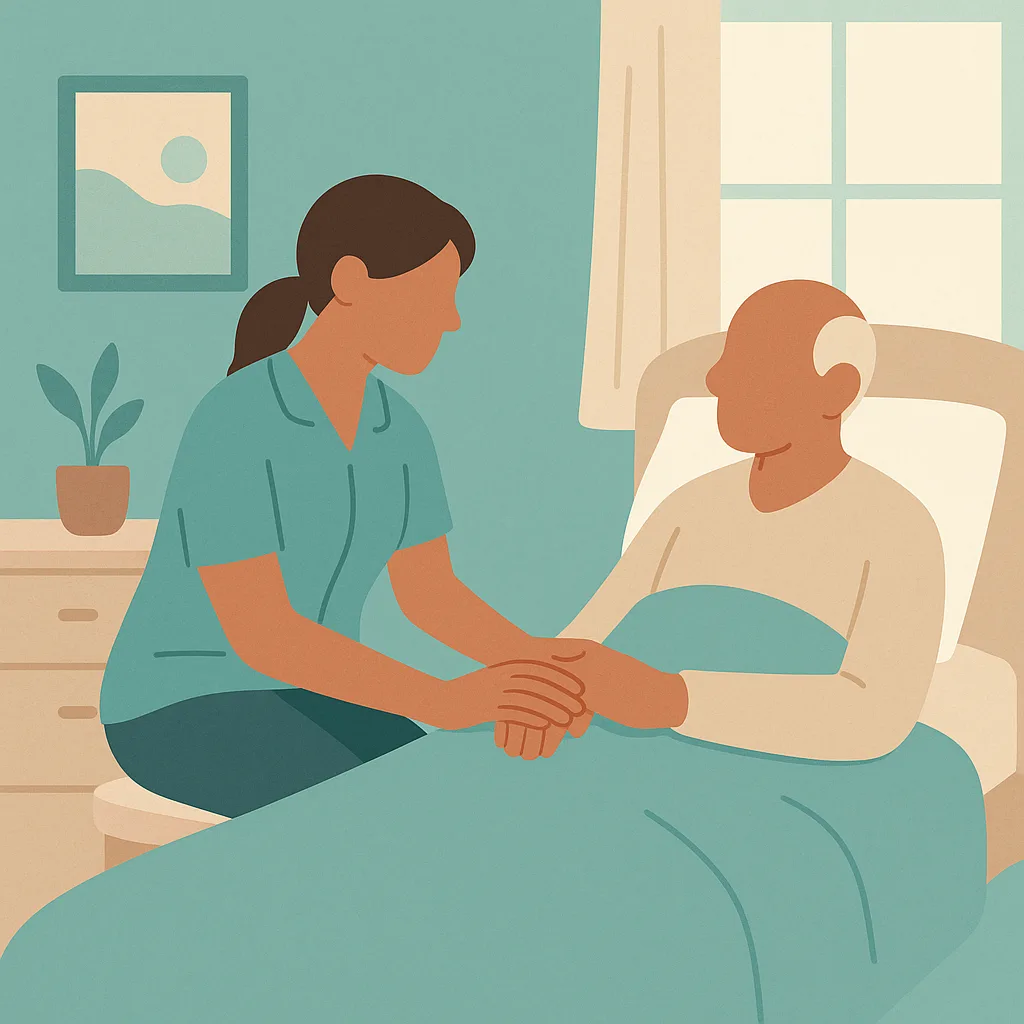
Understanding End of Life and Palliative Care
End of life care means supporting someone in the last months, weeks or days of their life. Palliative care focuses on comfort, dignity and quality of life rather than cure.
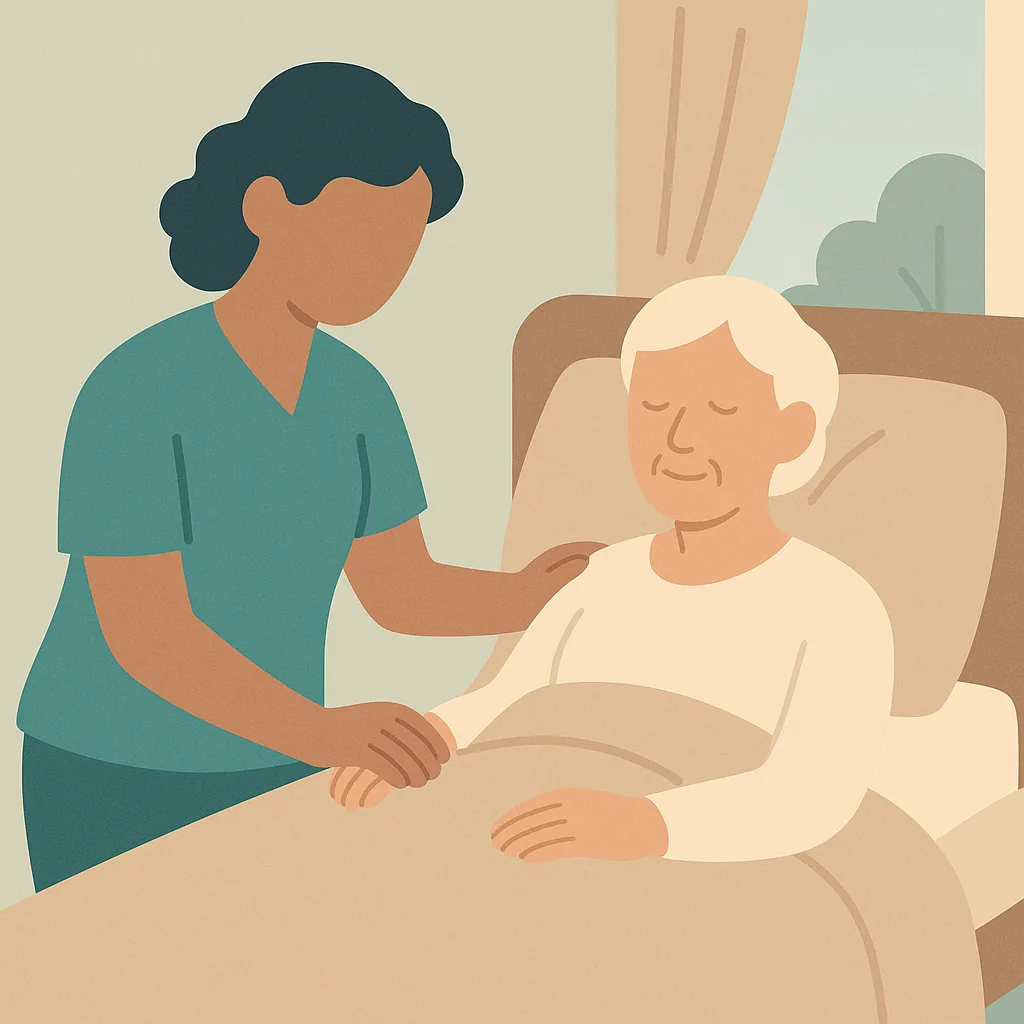
Your role is to ensure the person is as comfortable as possible, their wishes are respected, and they are treated with dignity. Care staff work closely with doctors, nurses, families and other professionals to provide the best possible care.
What is the main goal of end of life care?
In the hub, a wrong answer sends the staff member a short follow-up lesson and a fresh question on the same point. They close the gap before they can finish the module, and every attempt is recorded for your CQC evidence.
That is how the training works. Give your whole team the full End of Life / Palliative Care module.
Avg. Duration
About 48 minutes
Certificate
For every staff member
Available Languages (60+)
Course Published by

A clear, practical grounding in end of life / palliative care.
This training covers how to support people at the end of their lives with dignity, comfort and respect. You will learn about recognising when someone may be approaching the end of life, how to provide compassionate care, and how to work with families and healthcare professionals during this important time.
By the end, your staff will be able to:
- Recognise the signs that a person may be approaching the end of their life
- Describe how to provide dignified, person centred care during end of life
- Explain how to support families and friends during this difficult time
- Identify when to involve healthcare professionals and other services
- Apply your workplace's procedures for maintaining comfort and respecting wishes at end of life
A closer look at the end of life / palliative care module.
The module is built in short, practical sections. Each one teaches a part of the topic, then applies it to a real care scenario and checks understanding before moving on.
Understanding End of Life and Palliative Care
End of life care means supporting someone in the last months, weeks or days of their life. Palliative care focuses on comfort, dignity and quality of life rather than cure. Your role is to ensure the person is as comfortable as possible, their wishes are respected, and they are treated with dignity. Care staff work closely with doctors, nurses, families and other professionals to provide the best possible care.
Recognising Signs Someone May Be Approaching End of Life
There are physical and behavioural changes that may indicate someone is nearing the end of their life. These can include eating and drinking much less, sleeping more, becoming less responsive, changes in breathing patterns, or withdrawing from activities they previously enjoyed. Skin may become pale or mottled. Not everyone shows the same signs, and these changes can happen gradually or quickly. Always report any significant changes to the nurse or manager immediately.
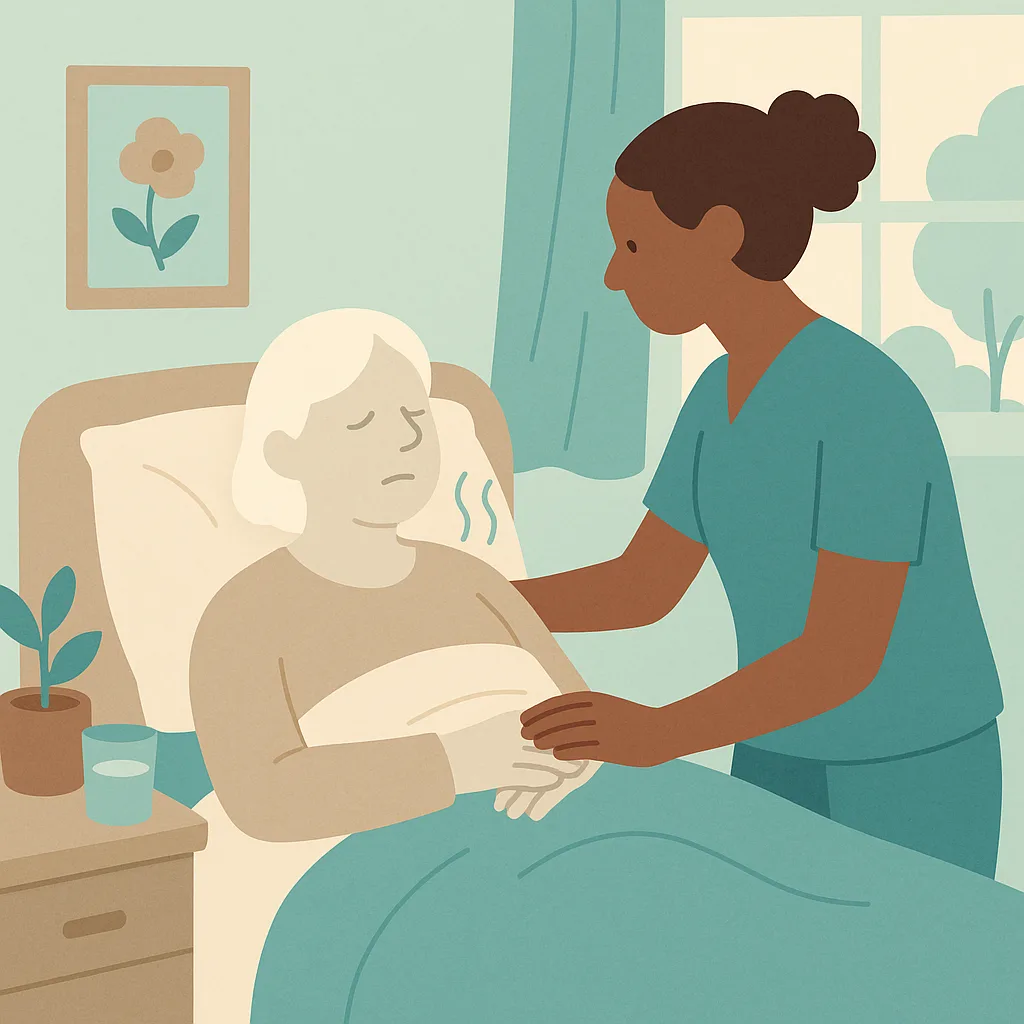
Providing Comfort and Managing Symptoms
The priority is keeping the person comfortable and free from distress. This includes managing pain, breathlessness, nausea, anxiety and other symptoms. You must give prescribed medications on time and exactly as directed. Comfort measures include gentle repositioning to prevent pressure sores, keeping the mouth moist, maintaining a comfortable room temperature, and reducing noise and bright lights if the person prefers. Always speak gently to the person even if they seem unresponsive, as hearing is often the last sense to fade.
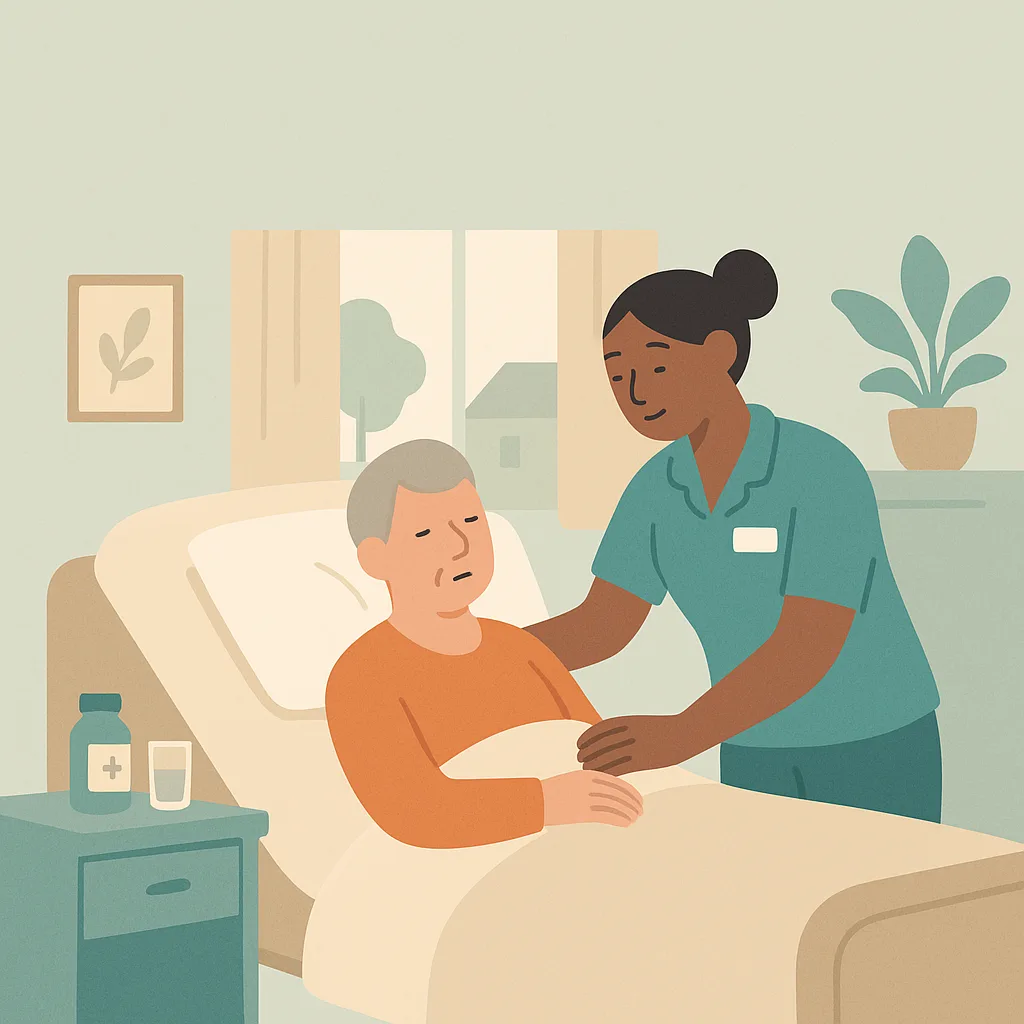
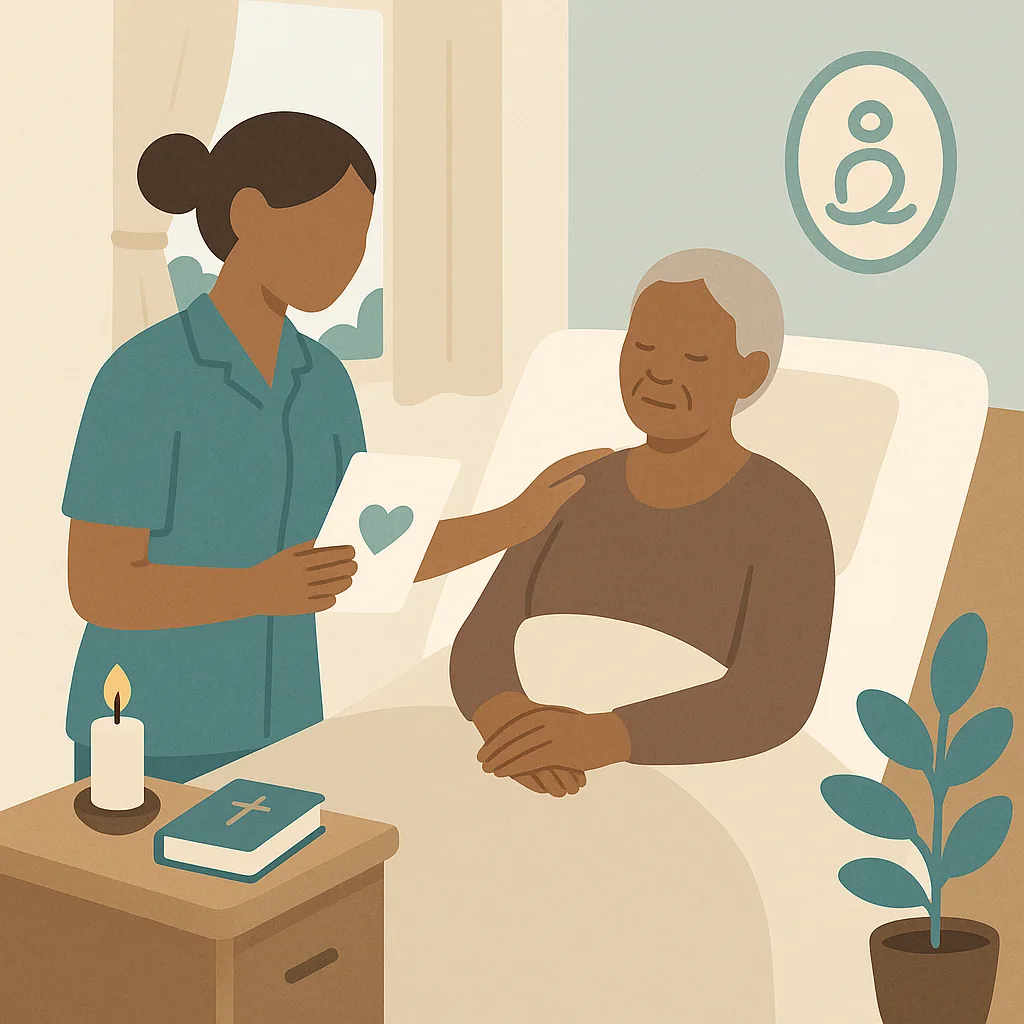
Respecting Wishes, Dignity and Spiritual Needs
Every person has the right to be cared for according to their wishes, beliefs and values at the end of life. Some people have advance care plans or Do Not Attempt Resuscitation (DNAR) decisions recorded. You must know where to find these documents and follow them. Respect the person's cultural and spiritual needs, whether that means arranging visits from religious leaders, playing particular music, or positioning the bed in a certain direction. Maintain dignity by keeping the person clean, dressed appropriately, and ensuring privacy during personal care.
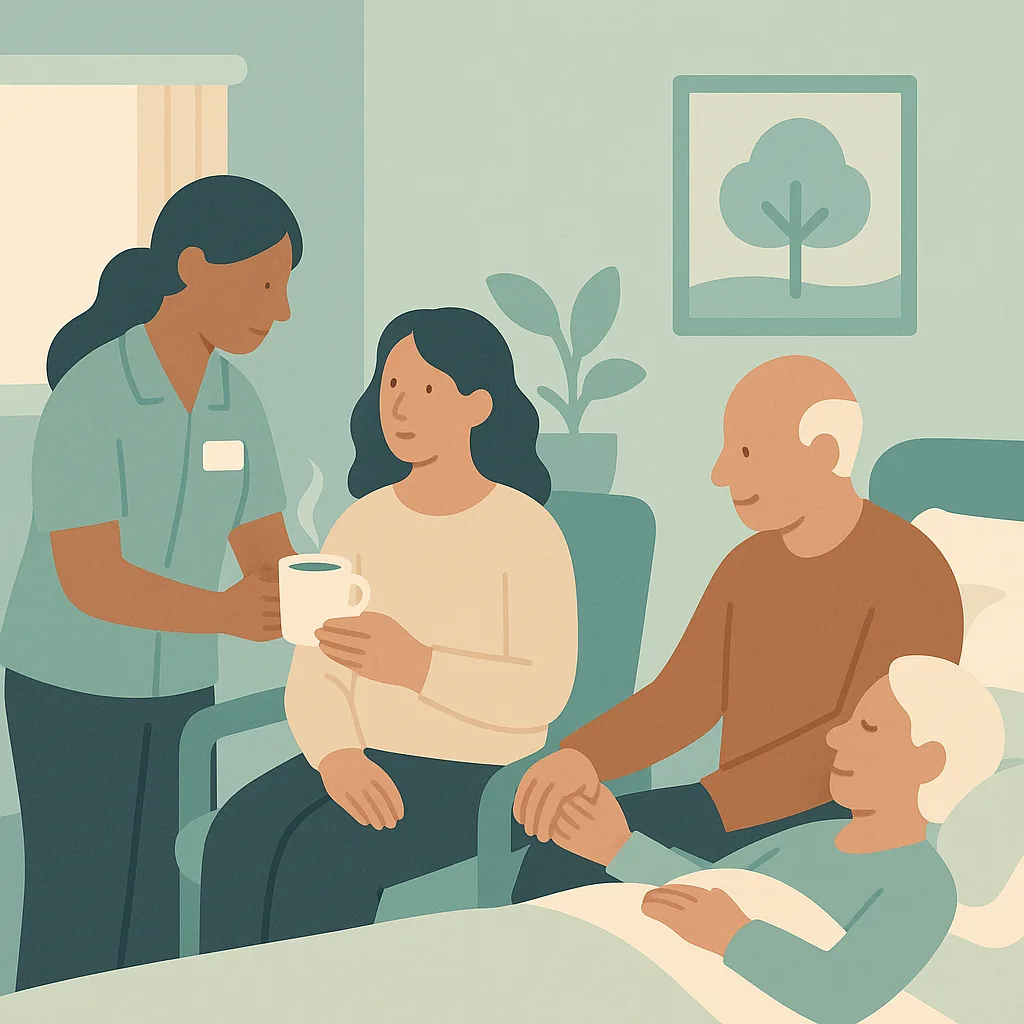
Supporting Families and Friends
The end of life is an extremely difficult time for families and friends. You should support them with compassion and sensitivity. This includes keeping them informed of changes, allowing them to visit at any time including outside normal visiting hours, offering them drinks and comfort, and providing a quiet space if they need it. Some families want to be very involved in care, others find it too difficult. Respect their choices. If someone dies, give the family time and privacy with their loved one. Always speak to families with kindness and honesty.
Working with Healthcare Professionals and After Death Care
End of life care involves many professionals including GPs, district nurses, specialist palliative care nurses, and sometimes hospice teams. You must communicate clearly with them about any changes you observe. After someone dies, treat their body with dignity and respect. Follow infection control procedures and use PPE as required. The body should be positioned appropriately, cleaned gently if needed, and covered respectfully. Remove any medical equipment as instructed. Allow family time with their loved one. Complete all required documentation accurately and sensitively. The registered manager will arrange for the funeral director.

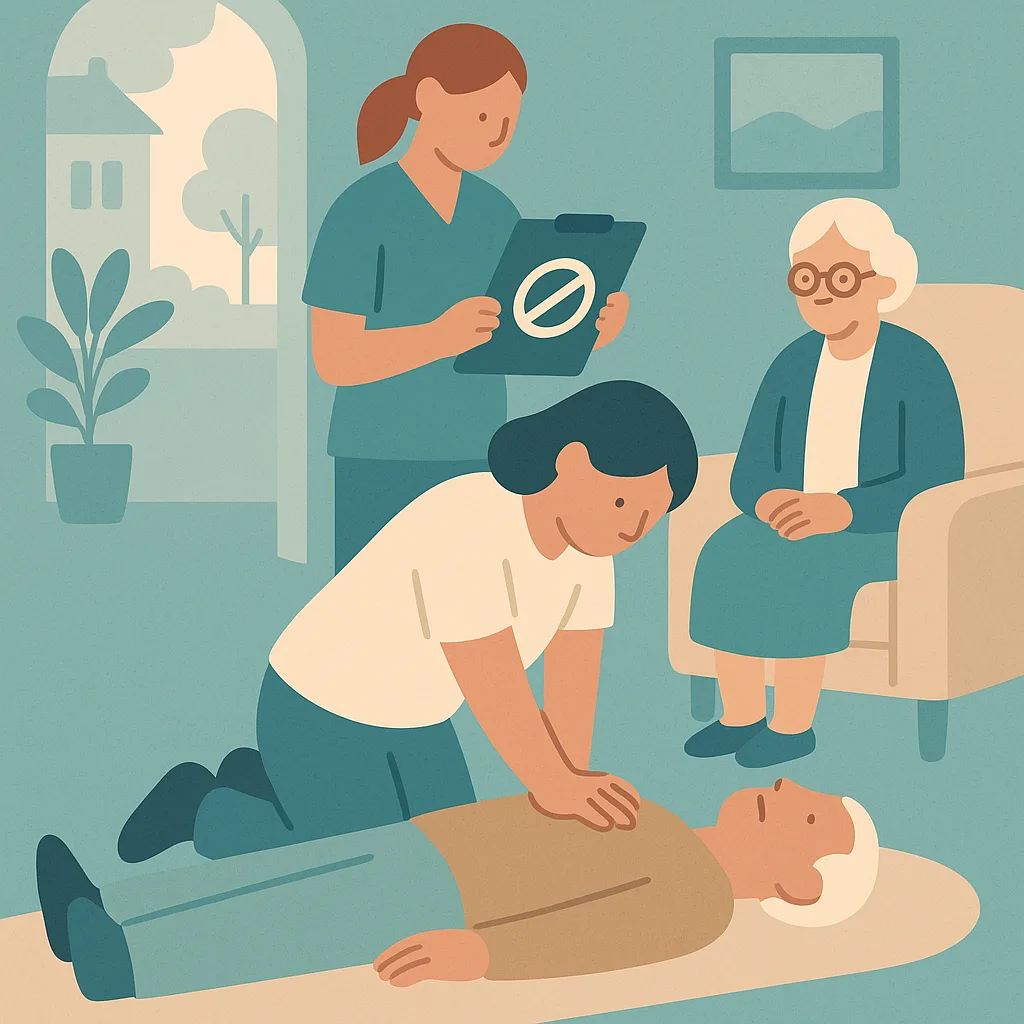
Advance Care Planning, DNACPR and ReSPECT
An advance care plan records what matters to a resident about their future care: where they would like to be cared for, treatments they would or would not want, and who speaks for them. A DNACPR decision means cardiopulmonary resuscitation will not be attempted, but every other part of their care carries on as normal. Many residents have a ReSPECT form, which brings personal wishes and clinical recommendations together in one document for emergencies. Your role is to know where these documents are kept, what they say for the residents you support, and to respect them. If a resident shares new wishes with you, tell the nurse or manager the same day so the plan can be reviewed.
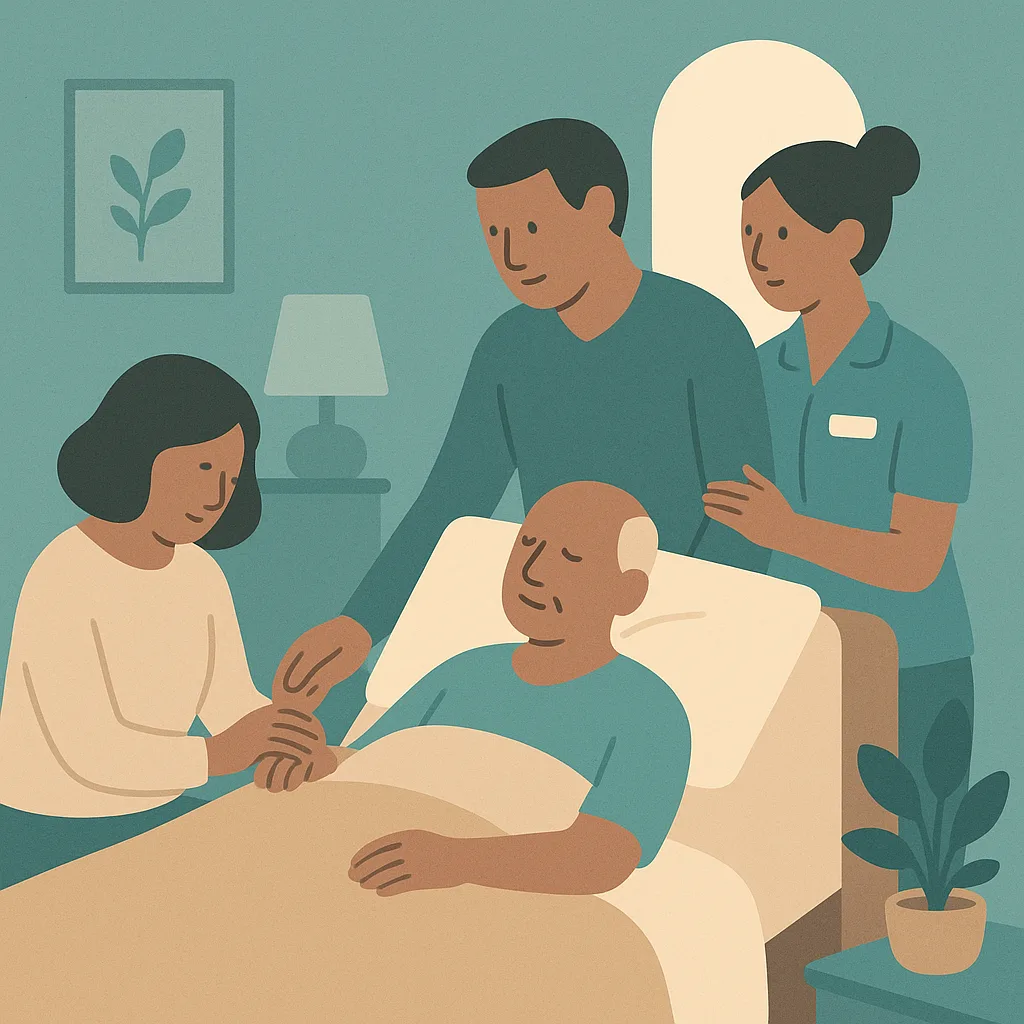
Care in the Last Days of Life
In the last days of life, comfort is everything. Offer gentle mouth care every hour or two, moistening the mouth with a soft sponge and applying lip balm so the lips do not crack. Change the person's position gently every few hours to protect their skin, using pillows to support limbs. Anticipatory medicines are prescribed in advance so the nurse can quickly ease pain, breathlessness, agitation or noisy secretions; tell the nurse straight away if you notice any of these. Keep the room calm with soft lighting, quiet voices and familiar music if they enjoyed it. Never assume the person cannot hear you. Sitting quietly and holding a hand tells someone they are not alone.
The things your team must remember.
- End of life care focuses on comfort, dignity and quality of life, not cure
- Report any significant changes in condition immediately to the nurse or manager
- Give prescribed medications on time and follow care plans exactly
- Respect the person's wishes, beliefs and cultural needs at all times
- Support families with compassion and allow them to visit at any time
- Always treat the person and their body with dignity and respect
Not a slideshow once a year. Training that sticks.
CareStream delivers end of life / palliative care training in the hub your team already uses, grounded in best practice and your own policies, so it fits your care setting and not a generic template.
Short teaching sections and a real care scenario, then an assessment that checks understanding.
Staff complete it in over 60 languages, while your records stay in English.
A wrong answer triggers a short follow-up lesson and a fresh question, so the gap is closed.
Automatic reminders at 90, 30 and 7 days, with a live compliance dashboard.
From your dashboard to your team, in the CareStream hub.
Training is delivered in the hub each staff member logs into. You allocate the modules, they complete them in their own language, and you get the completion records and certificates for your CQC evidence, with any gaps closed by automatic follow up training.
Assign End of Life / Palliative Care to each staff member in seconds. No course builder and no setup for each person.
Staff work through the module on any device, in over 60 languages, teaching then checking understanding. A wrong answer sends a short follow up lesson.
See live completion status and a certificate for every person, ready as evidence for CQC.
Any step, in their language, in one tap.
Care teams are diverse and training should not leave anyone behind. On any lesson or question, a staff member taps the language button and the whole step flips into the language they think in. They understand it properly, and your records stay in English.
- One tap flips any lesson or question into their language, instantly.
- Over 60 languages, with no setup and no separate versions to manage.
- Completions and certificates stay in English for your CQC evidence.
Try the language buttons in the preview above.
Built for real learning, not box ticking
Every CareStream course goes further than a lesson and a quiz. These features come as standard on every course, giving your staff a richer way to learn and giving you the evidence to prove it.
Every course is built on recognised UK guidance and cites its sources, from NICE and Skills for Care to the NHS and the legislation itself.
A plain English glossary of the technical terms in each course. A simple way to support every learner, including staff with English as a second language.
A quick knowledge check before the lesson is compared with the final assessment, so every certificate comes with evidence of how much the course actually taught.
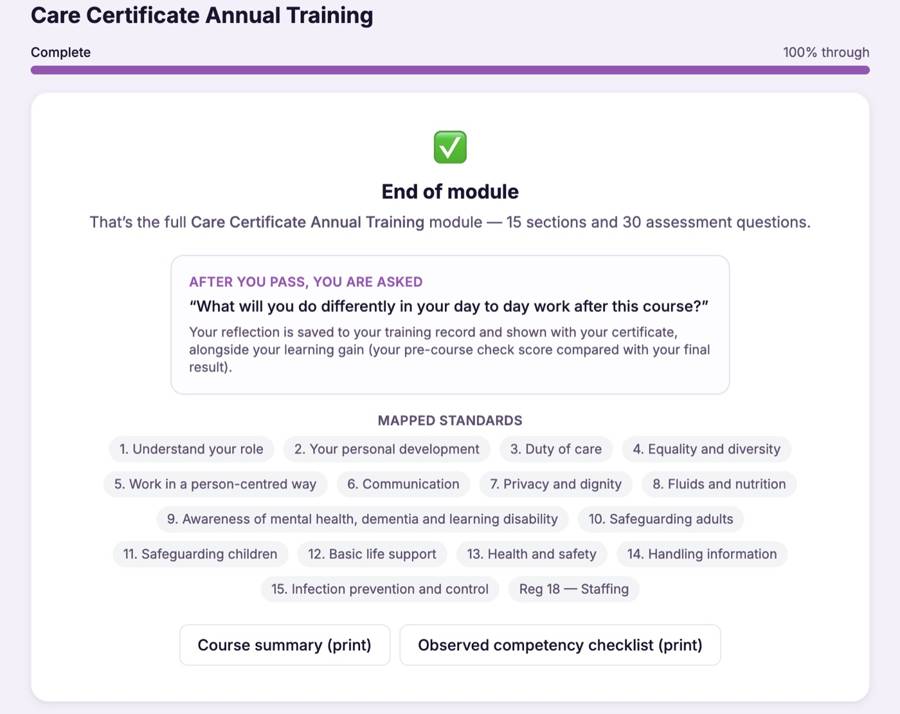
After passing, staff record what they will do differently in their day to day work. Their reflection is saved to their training record and shown with their certificate.
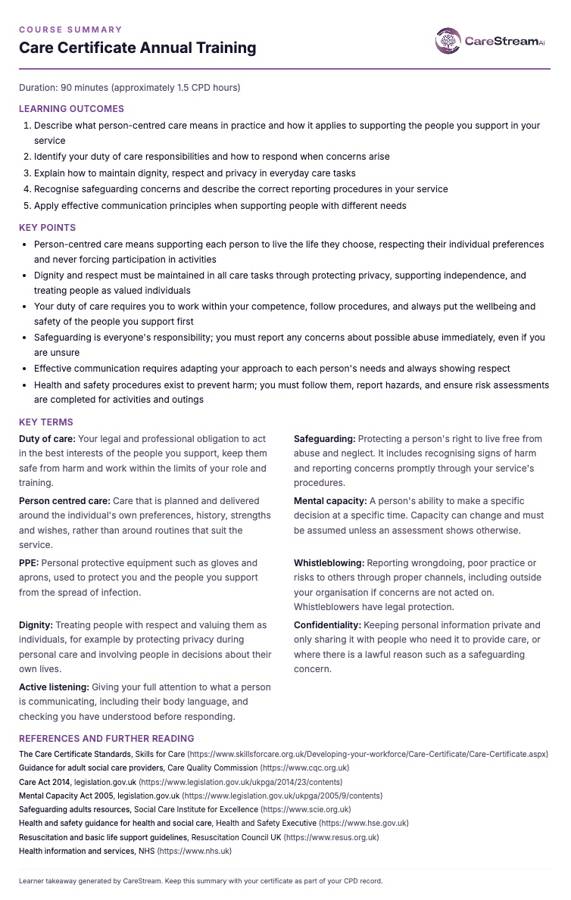
A printable one page takeaway of the outcomes, key points and key terms. Perfect for staff files, supervision conversations and the staff room wall.
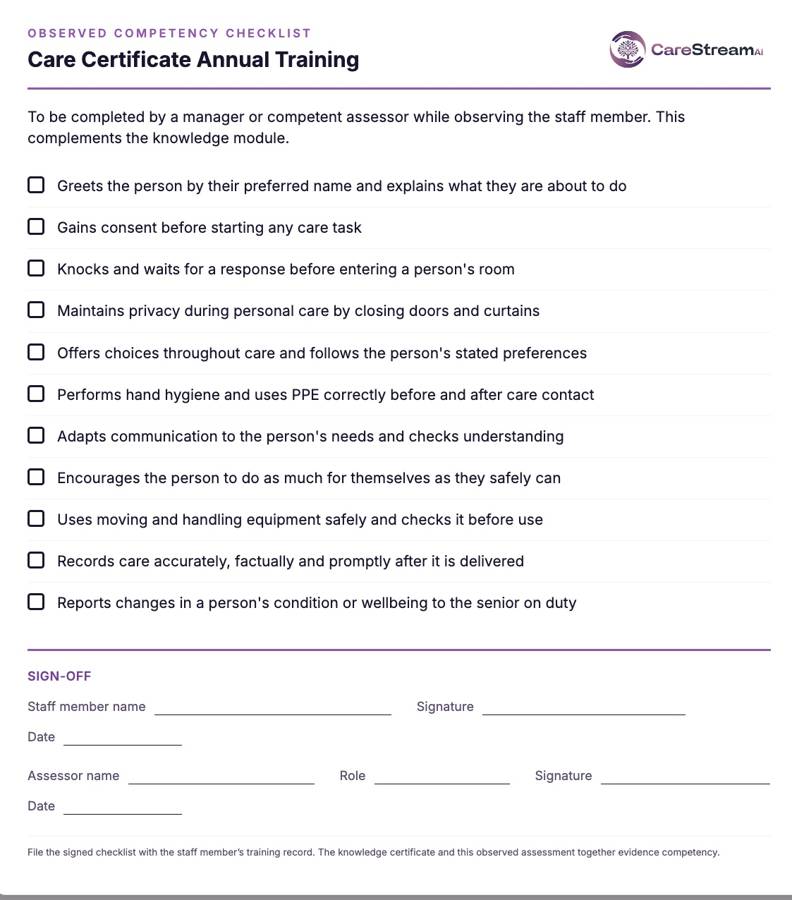
A printable checklist for managers to confirm skills in practice, with a sign off section. It completes the picture beyond the knowledge assessment.
Wrong answers become lessons, not failures
Most e learning marks an answer wrong and moves on. CareStream does not. Every wrong answer triggers an automatic follow up loop that teaches the point again and rechecks it, so no knowledge gap is left behind.
A wrong answer immediately opens a short lesson explaining the point, so the gap is closed there and then.
A fresh question on the same point checks the lesson has landed. The loop repeats until it has.
Staff move on to the next module and their certificate once they genuinely know the answer, not just after one lucky guess.
Why choose CareStream?
Training built for the care sector, delivered the way busy teams actually learn.
- 90+ care-specific training courses
- Bitesize, engaging lessons your staff actually finish
- Mapped to the Care Certificate & CQC standards
- Available in 60+ languages
- Instant certificate on completion
- Flexible learning, anytime, on any device
- Content kept up to date with UK care regulations
- Time to complete: ~48 min
Frequently asked questions.
Is End of Life / Palliative Care training mandatory in care settings?
How often should staff complete End of Life / Palliative Care training?
Can CareStream deliver End of Life / Palliative Care training in other languages?
Does the training include an assessment?
More training your team may need
More mandatory and role-specific training CareStream delivers to your team, in the hub, in any language. Add any of these to your basket.
 Annual Certificate
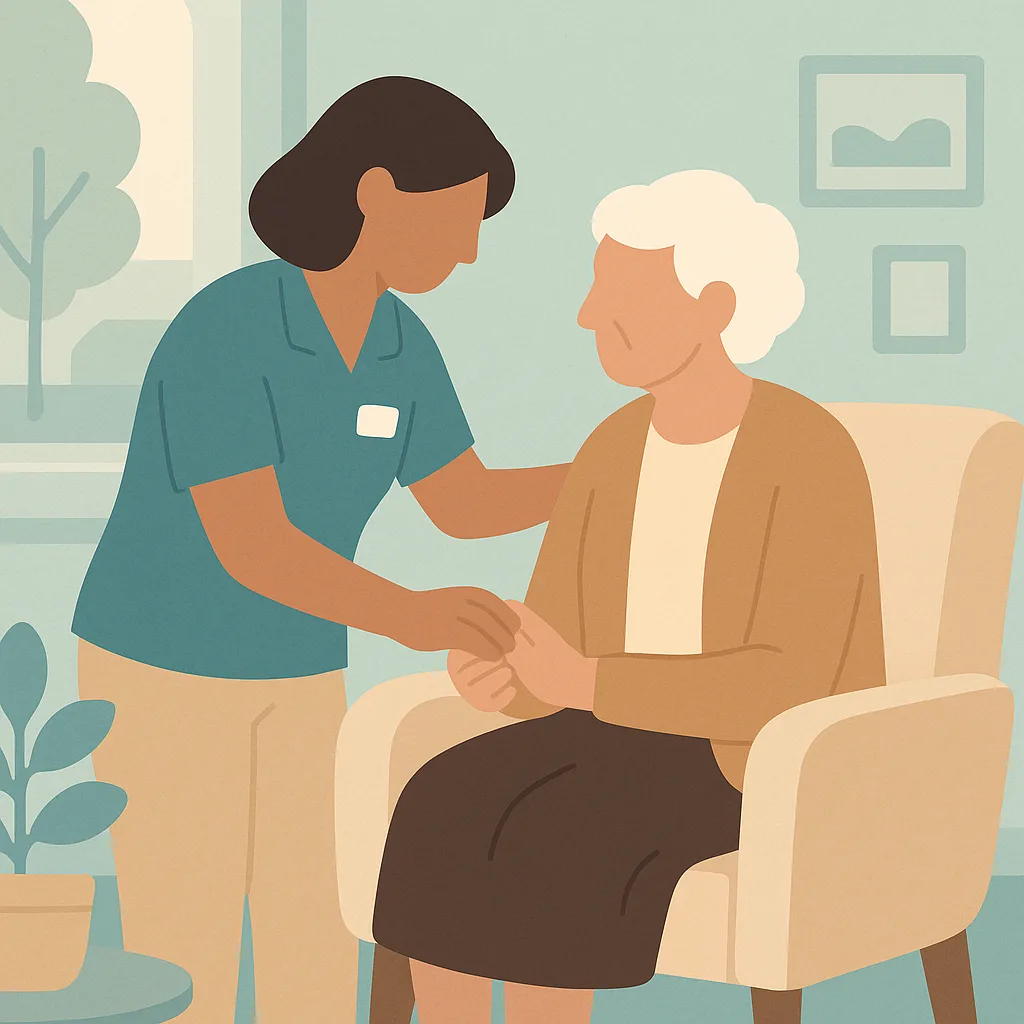
Cultural Diversity in Care
This training helps you understand and respect the diverse cultural, religious and personal backgrounds of the people we support. You will learn how to provide person-centred care that honours each individual's identity, beliefs and preferences. This is essential to meeting CQC fundamental standards and ensuring everyone feels valued and respected in our service.
Bulk discounts from 10+ licences
 Annual Certificate
Dementia Awareness
This training helps you understand dementia and how to provide person centred care to residents living with dementia at our home. You will learn to recognise signs of dementia, support residents with dignity and respect, and follow our policies to meet their individual needs.
Bulk discounts from 10+ licences
 Annual Certificate
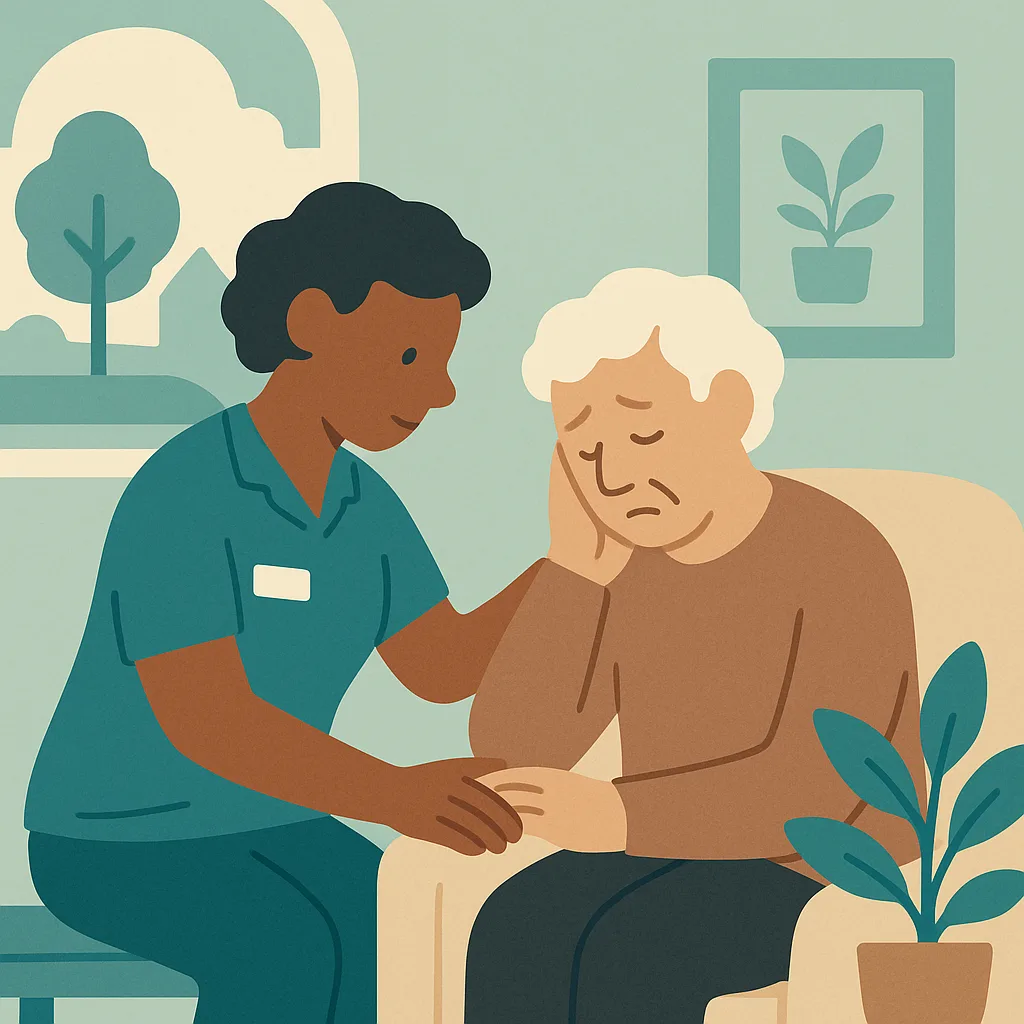
Mental Health Awareness
This module helps you recognise signs of mental health difficulties in residents and respond with compassion and respect. You will learn how mental health affects wellbeing, how to support residents experiencing distress, and when to seek additional help. Understanding mental health is essential to providing person centred care that maintains dignity.
Bulk discounts from 10+ licences
 Annual Certificate
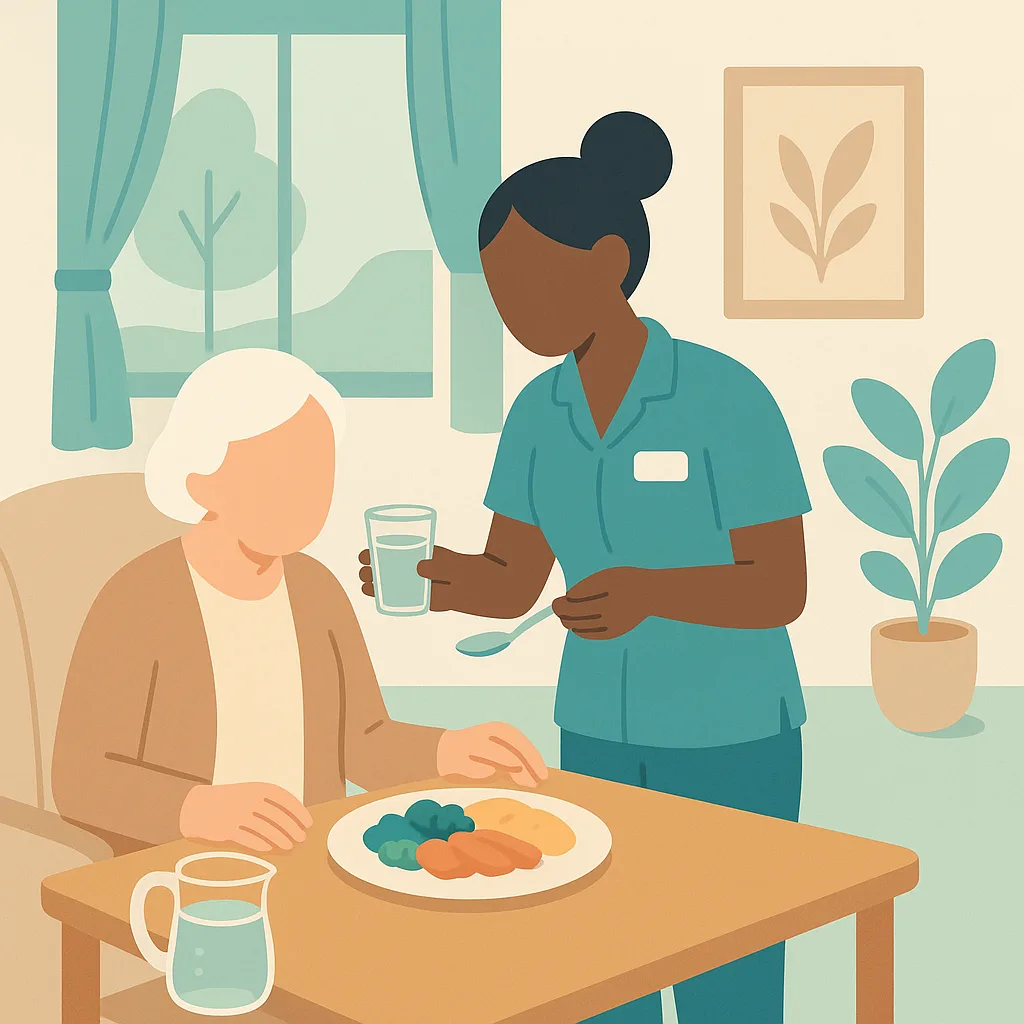
Nutrition and Hydration
This module covers how care services meet the nutritional and hydration needs of residents. You will learn about policies on meal provision, special diets, hydration monitoring, and supporting residents to eat and drink safely and with dignity. This training helps you comply with legal requirements and maintain the health and wellbeing of the people you support.
Bulk discounts from 10+ licences
 Annual Certificate
Pressure Ulcer (Tissue Viability) Prevention
This training covers how we prevent and manage pressure sores at our home. You will learn our assessment procedures, the equipment we use, and how to care for residents with existing pressure ulcers. Preventing pressure damage is a key part of keeping residents safe and comfortable.
Bulk discounts from 10+ licences
 Annual Certificate
Falls Prevention
This training covers how we prevent falls and assess fall risks at our home. You will learn our procedures for identifying residents at risk, creating individual care plans to reduce falls, and responding when falls happen. Preventing falls protects residents from serious injury and helps them stay independent and confident.
Bulk discounts from 10+ licences
Give your team end of life / palliative care training that actually sticks.
Add it to your basket, allocate it in seconds, and let the evidence build itself.
Compared
Three ways to train a care team.
These modules are written and kept current by us, so your managers do not have to write or maintain them. We have compared what each approach does rather than naming providers, because products change and this should still be true next year.
| CareStream | A generic e-learning library | A trainer you book | |
|---|---|---|---|
| Try a real lesson and a real question before you buy | |||
| Learning outcomes and time to complete stated up front | |||
| Written lesson sections, each with its own illustration | |||
| Interactive exercises after the lesson that teaches them, in every module | |||
| Assessment in every module, with the key points to revisit | |||
| Taken in any of sixty plus languages | |||
| A wrong answer triggers a follow-up lesson, not just a re-sit | |||
| Practical sign-off by a manager where the subject needs it | |||
| Completion files itself into your training matrix and evidence pack | |||
| Bought one module at a time, with no annual contract |
Generic libraries are often cheaper per learner. They teach a national standard rather than being built, updated and evidenced around the way a CQC-registered service is actually inspected.
Care policies
Every module is written from a policy
If the policy behind it is out of date, the training inherits that. Sixty six policies written for your service, checked against current law and read by a person before they carry your name, from £39.