Training collection
PEG Feeding Training for Care and Nursing Teams
PEG feeding training runs to six lessons and twenty questions. The last lesson is the one managers ask about: spotting a problem and knowing who to ring. Our PEG feeding training is taken in the language each learner picks.
PEG stands for percutaneous endoscopic gastrostomy. It is a tube that passes through the wall of the abdomen into the stomach. Staff who support someone with one need to know what the site should look like.
The six courses in this collection cover the clinical tasks a care service carries out day to day. Tube feeding and stoma care. Catheters, wounds, tracheostomies and taking blood. Each one is a module your staff work through in the staff hub.
A certificate is issued once you have signed off the competency you watched. That order matters, because the course carries the knowledge and you carry the judgement about practice. Your matrix then shows who holds what, and when it is due again.
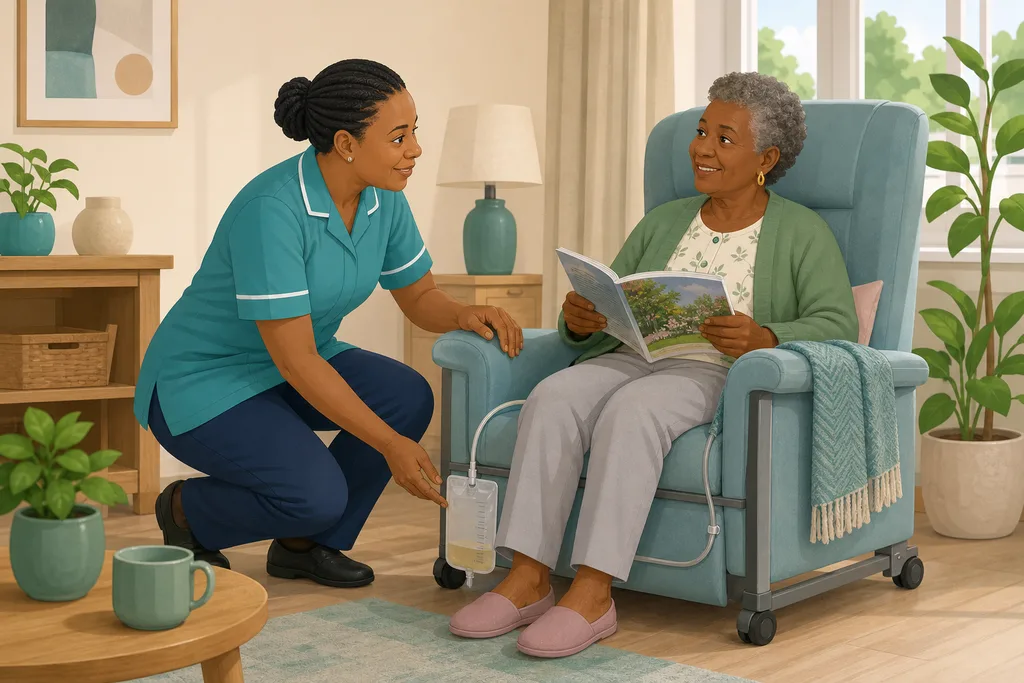
This module covers the essential knowledge you need to safely support residents who have urinary catheters. You will learn about the types of catheters used in our home, how to maintain hygiene and dignity, how to recognise problems early, and when to escalate concerns. This is the knowledge component only; practical catheter care requires additional hands-on competency assessment.
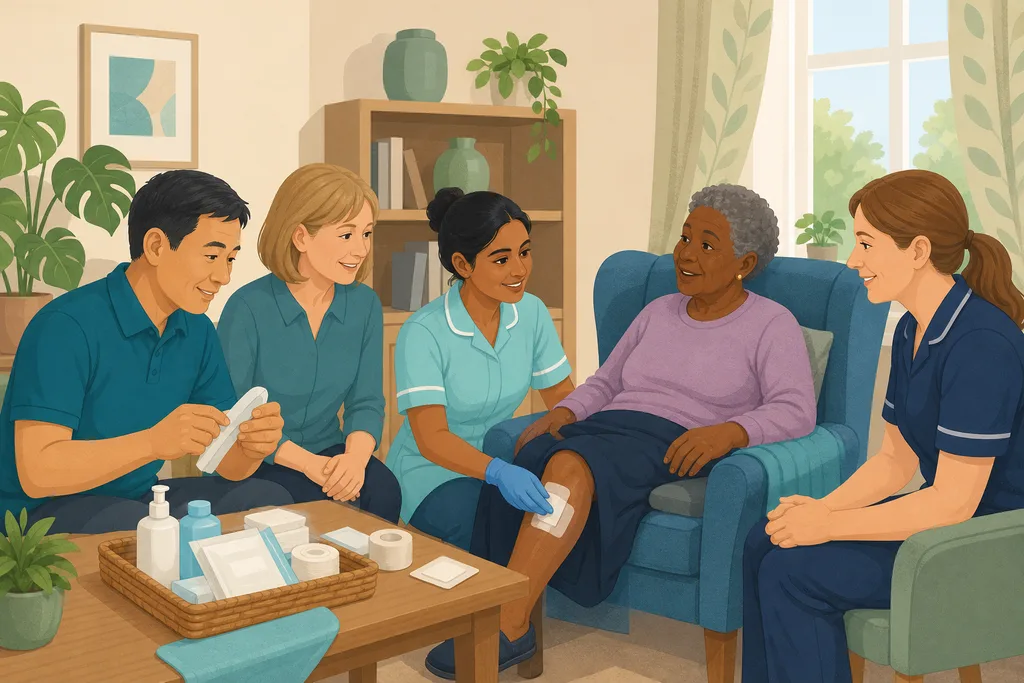
This annual refresher covers the essential knowledge you need about wound care and dressings. You will review how to recognise different wound types, understand when to report concerns, and know the correct procedures for supporting wound care safely. This is the knowledge component only; practical competency must be assessed separately through observation in your daily work.
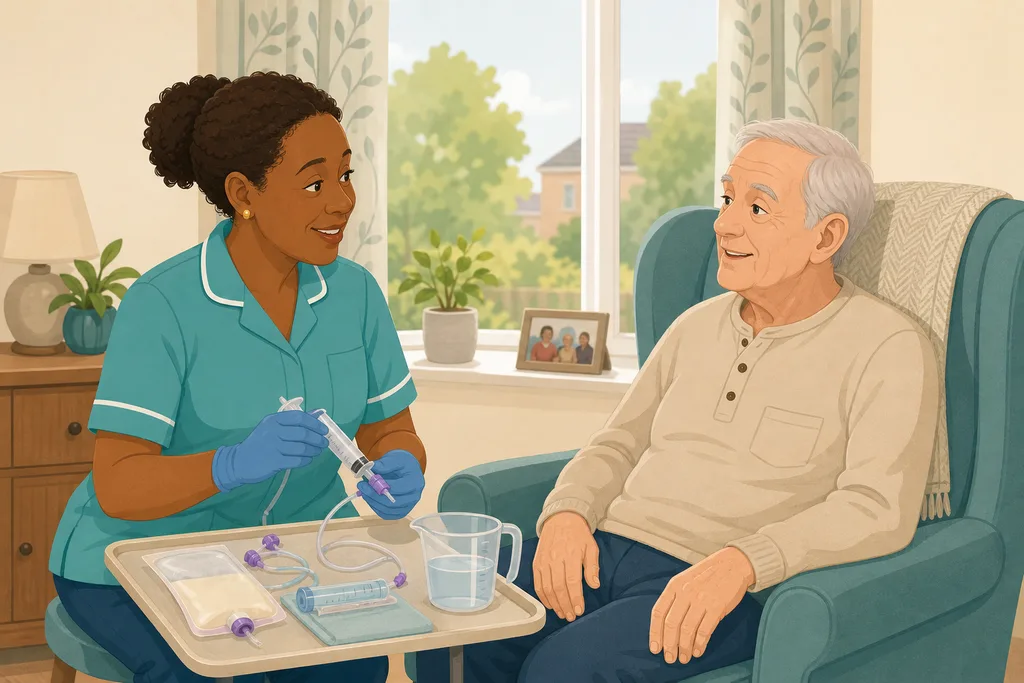
This module covers the knowledge you need to safely support residents who receive nutrition through a PEG tube. You will learn about what a PEG is, how to recognise problems, infection control, and our home's procedures. Remember: this module covers knowledge only. You must also complete practical competency assessment before providing PEG feeding care.
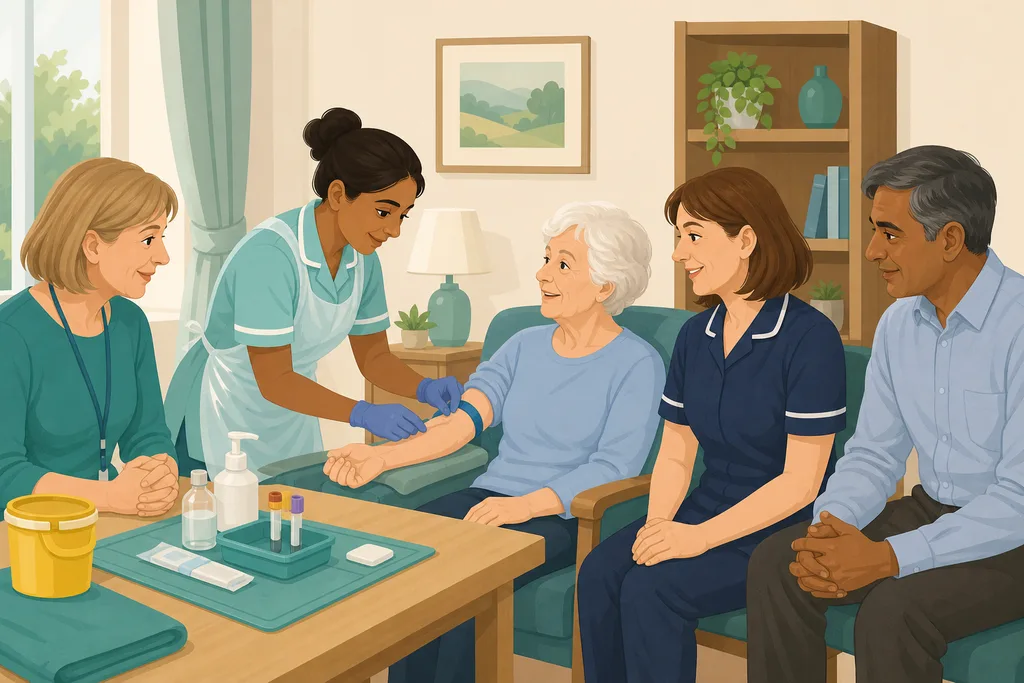
This annual refresher covers the essential knowledge for safe venepuncture and cannulation practice in our nursing home. You will review the principles of blood sampling and intravenous access, infection control requirements, patient safety considerations, and when to escalate concerns. This module covers the knowledge component only; practical competency must be assessed separately through direct observation.
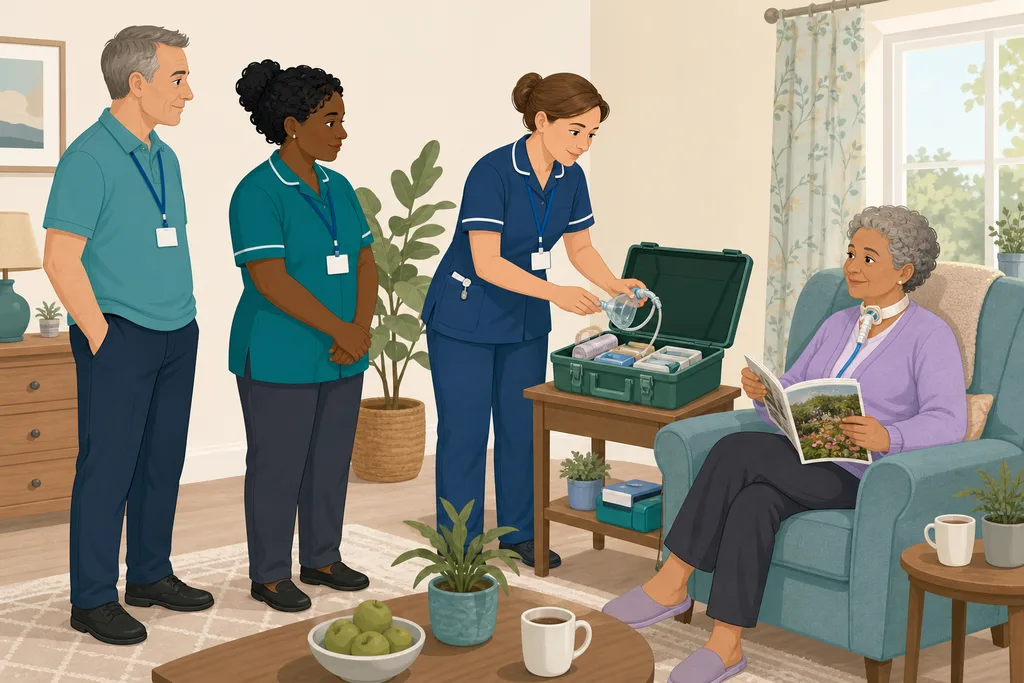
This annual refresher covers the knowledge you need to safely care for a person with a long term tracheostomy in their own home. You will review daily care tasks, emergency recognition and response, and the vital importance of always being ready to act. Remember, this module covers knowledge only. You must also complete practical competency assessment with a registered nurse before delivering tracheostomy care.
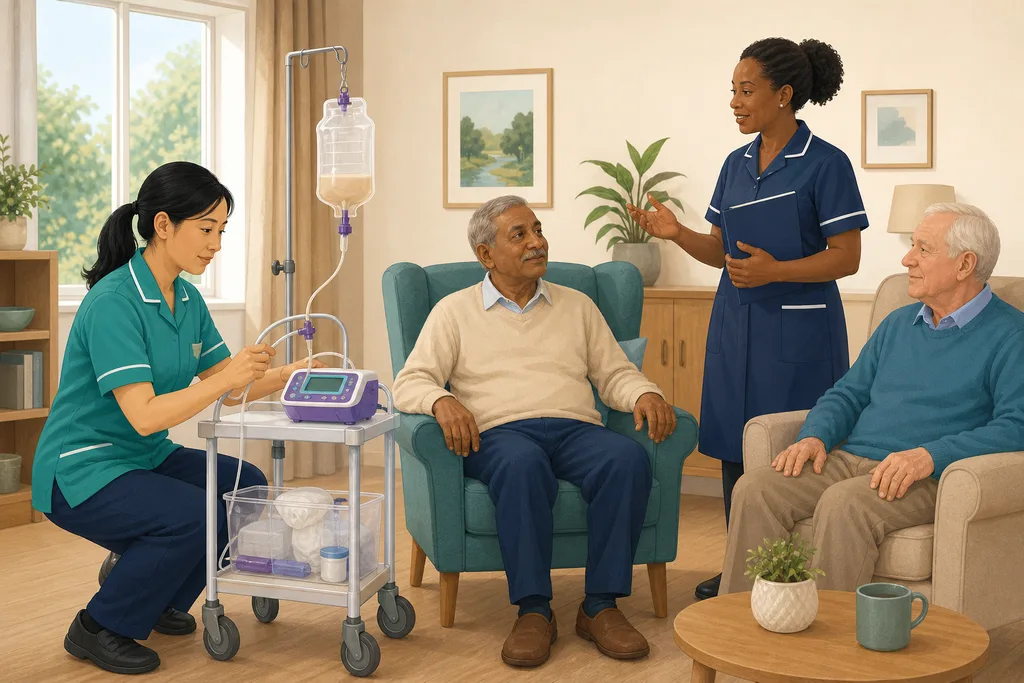
This training gives you the knowledge to safely deliver nutrition, fluids and medication through feeding tubes and care for stoma sites for people who cannot eat or drink by mouth. It covers the different tube types, how to check tube position, give feeds safely, care for the stoma, give medicines through the tube and recognise complications. This is the knowledge part of your competency; you must also complete a practical assessment with a registered professional before you can give feeds in pr
What your team can do after these six courses
Clinical tasks sit on top of everything else a care worker does. The six modules here are built for the tasks a service carries out itself, between visits from the district nurse or the dietetic team.
Tube feeding, from the PEG site to the stoma
The PEG feeding care course for care and nursing staff runs to 6 lessons and about 35 minutes. It starts with what a PEG is and why it is used. Then the kit, hand hygiene, checking the site, safe positioning during a feed, and what to do when something looks wrong.
The enteral feeding and stoma care module is wider. Its 8 lessons add the types of tube, and how to check a nasogastric tube before every feed. They also cover setting up a feed, giving medicines through a tube and caring for the stoma site.
One sits inside the other. A service with a single PEG fed resident may only need the first. Managers looking for enteral feeding training usually want the second as well.
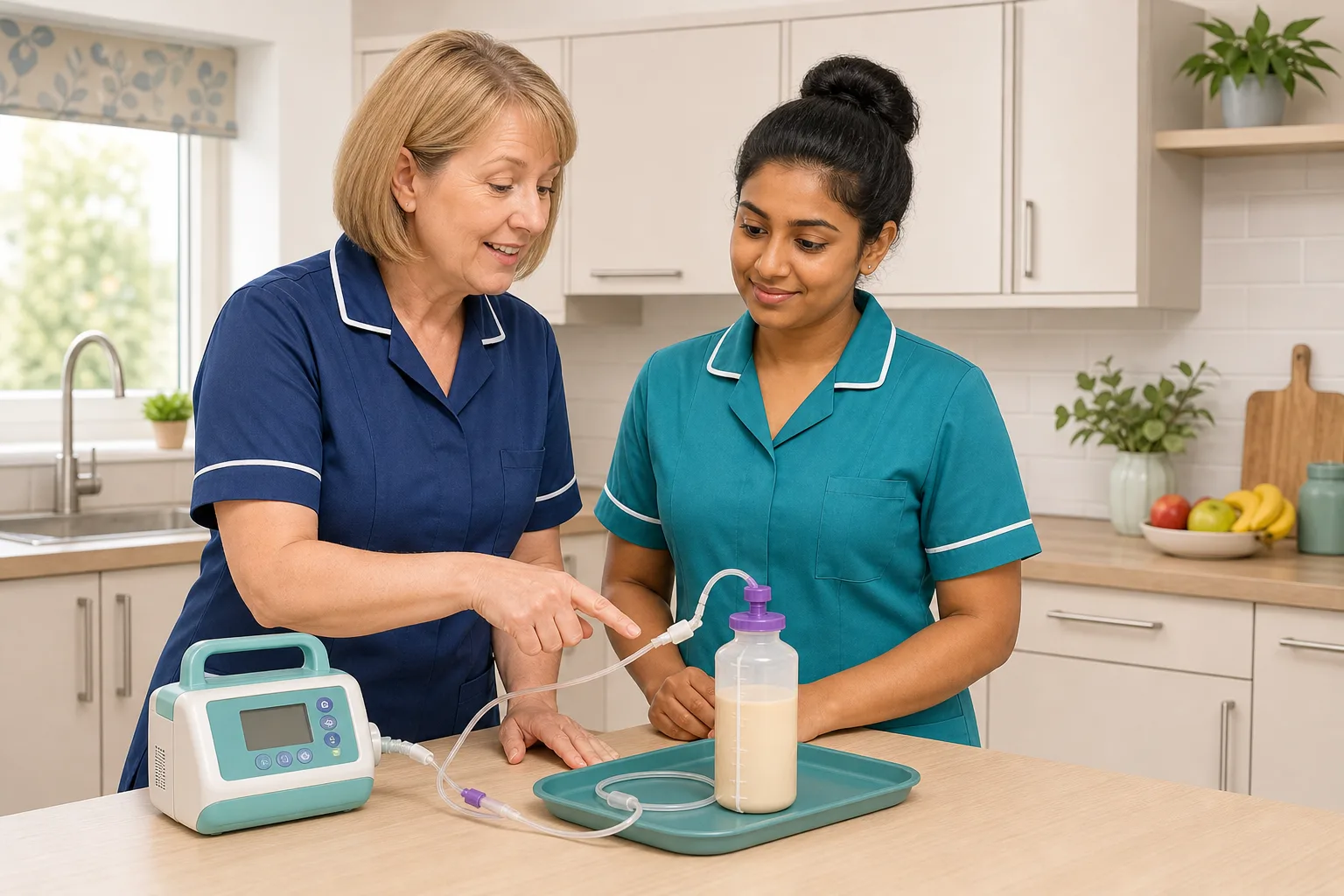
Figure: the handover that the module is built for, before anyone touches a feed.
Catheters, wounds and the problems that build slowly
Catheter care runs to 6 lessons. It covers why people have catheters, hand hygiene, dignity and privacy, daily hygiene, fluid balance, and when to escalate. Most catheter harm starts with small lapses, so the lessons sit on the daily routine rather than the device.
Wound care and dressings is longer, at 8 lessons and 48 minutes. It works through wound types, the signs that need reporting that day, how wounds heal, clean technique, pressure damage and recording.
Both modules are honest about limits. They teach staff what to watch, what to write down and when to ask. They do not turn a care assistant into a tissue viability nurse, and the wording never suggests otherwise.
Tracheostomy care and taking blood
Tracheostomy care covers daily tasks, working within your competence, recognising an emergency, the emergency algorithm and the grab bag. Airway emergencies are rare and fast. Staff need to know the drill before one happens, not during.
Venepuncture and cannulation covers getting the person ready, consent and clean technique. It then moves to problems, labelling and how a sample is handled. It suits clinics, private hospitals and nursing teams who hold the skill already.
Neither module is a licence to perform the task. Both say so plainly. Your own competency framework decides who does what, and the training record supports that decision rather than replacing it.
Who this collection is perfect for
Nursing homes with one or two tube fed residents get the most from it. So do complex care and continuing care teams, hospices, and supported living services where a person lives with a tracheostomy or a PEG.
It also suits the manager in a residential home who has just been told that a new resident arrives with a feeding tube. The task is new to the staff team, the care plan is specific, and the training record has a hole in it.
A service that never carries out clinical tasks does not need this collection. Their list is the basic one. It is covered by the mandatory care training collection for every member of staff, which leads on safeguarding, moving and handling and fire safety.
What the price covers, and what a free account adds
Each module is bought once for each member of staff. Nothing expires, and the record stays in your account whether the person is still with you or not.
What each learner gets for the price
The price is £25.99 plus VAT for each member of staff, paid once. For larger teams the price for each licence falls, and the basket works it out.
For that, a learner gets the lessons, a 20 question assessment and a 80 per cent pass mark. Get a question wrong and a short follow up lesson arrives with a fresh question on the same point. Every attempt is recorded.
They also get a named certificate once you sign off the observation, and a choice of 60+ languages from the Starter plan upwards. The hub remembers where they stopped, which matters on a shift that keeps being interrupted.
How the record stands up when an inspector asks
Staff must be able to do the task safely. That duty sits in Regulation 12 of the Health and Social Care Act 2008 (Regulated Activities) Regulations 2014. It asks for skills, competence and experience, not just a certificate.
Training has its own duty. The Care Quality Commission guidance on Regulation 18, staffing sets out what a provider has to show. It covers support, training, supervision and appraisal.
Tube feeding also touches food and drink. A home that provides a bed must meet the eating and drinking needs of the people it supports. That duty is in Regulation 14 on nutritional and hydration needs.
Your matrix answers the inspector's real question: who did it, when, what did they score, and who watched them do the task afterwards.
Why CareStream suits a small service better than the usual options
The usual options are a per learner subscription from a training provider, a classroom day for a group, or an awarding body qualification for one nurse. Each has a place. A classroom day is hard to beat for hands on practice.
What they tend to share is a shape that suits a bigger employer. A yearly licence for everyone when four staff need the module. A trainer's day rate when the need is one person. A qualification when the need is a refresher.
Here you buy one module for one person, at a price you can see before you start. The record sits beside your free audits and policy checks, so training is not a separate island of evidence.
Where this sits beside your policies and audits
Training without a policy leaves staff guessing about the detail your service has chosen. The policy says who may feed, who flushes, what is recorded and when to call. The course explains why those steps exist.
Hold a policy already? The free policy gap check for your first five policies reads it against the rules that apply. It reports what is covered, what is partly covered and what is missing. No card is needed.
Audit closes the loop. A manager who watches a feed, records what they saw and files it beside the certificate has three pieces of evidence that agree with each other. That is the position you want before anyone asks.
Benefits of CareStream for PEG feeding training
- Six clinical modules, bought one at a time, for the tasks your service really carries out.
- A scored assessment, a follow up lesson on anything missed, and a record of every attempt.
- Certificates issued after you sign off the observation, so the paperwork follows the practice.
- A free account for the ten CPD certified courses, the audit templates and your first 5 policy checks, with no card needed.
CareStream keeps the training record and the policy evidence in one account. A manager getting ready for an inspection is not stitching together a spreadsheet, a folder and an email trail.
PEG Feeding Training for Care and Nursing Teams FAQs
Is PEG feeding training a legal requirement?
No regulation names the course. The Health and Social Care Act 2008 (Regulated Activities) Regulations 2014 require staff to have the competence, skills and experience to provide care safely, and to receive the training they need for the duties they are employed to perform. If a person you support is fed through a tube, that duty covers tube feeding.
Who can carry out PEG feeding in a care home?
That is set by the care plan, the prescriber and your own policy, not by a course. Many services limit the task to nurses or to named senior staff who have been observed doing it. Training supports the decision. It does not make it.
How long does the course take?
About 35 minutes for the PEG Feeding Care module, spread over 6 lessons. Staff can stop and come back. The hub keeps their place and records every attempt.
What does the course cost?
£25.99 plus VAT for each member of staff, paid once. The price for each licence falls for larger teams, and your basket applies it.
Is the course CPD certified?
No. The CPD Certified mark applies to our ten certified courses, which include the Care Certificate. The clinical modules in this collection are annual training modules with a scored assessment and a certificate, and they are not CPD certified.
Does a certificate mean my member of staff is competent?
No, and the certificate says so. It states that the person completed the course and passed the assessment. It is not a government recognised qualification and does not certify competence to perform a particular task. You sign off the observed competency before it is issued.
What is in the PEG Feeding Care module?
Six lessons: what a PEG is and why it is used, the equipment, infection control and hand hygiene, checking the site, positioning and safety during feeding, and recognising and responding to problems.
What is the difference between the PEG course and the enteral feeding course?
The PEG module stays with gastrostomy feeding and the care of the site. The enteral feeding and stoma care module is wider, with 8 lessons that add tube types, checking nasogastric tube position before every feed, giving medicines through a tube and caring for a stoma.
What is the pass mark?
80 per cent. A learner who gets a question wrong is sent a short follow up lesson and a fresh question on the same point before they can finish.
Can staff take the course in another language?
Yes. Learners choose from 60+ languages in the hub, and the certificate is issued in their name. Language choice starts on the Starter plan.
Do the certificates expire?
The certificate carries the date it was issued and renews each year, which is why these are described as annual training modules. Your training matrix shows what is due.
Can I buy one course for one person?
Yes. Each module is bought for each member of staff, so a single licence is fine. Larger numbers lower the price for each licence.
Do we need a card to look at the platform first?
No. A free account needs no card and gives every member of staff the ten CPD certified courses, the free audit templates and a check of your first 5 policies.
Which services buy these clinical courses?
Nursing homes, complex care and continuing care teams, hospices, and supported living services where someone is fed through a tube or lives with a tracheostomy. Residential homes buy them when one resident arrives with a tube.
Does the training replace the competency assessment from a nurse or dietitian?
No. Device specific teaching from the dietetic or community nursing team, and your own observed competency assessment, still stand. The module gives everyone the same grounding before that happens.
More on training
Guides and collections that go with this page, and the full libraries.
Policies are one part of it.
CareStream is the compliance system underneath: your policies, your staff training, your audits and your evidence, kept current and ready for the day somebody asks to see them.
- Policies written and kept updated for you
- Staff training that records itself against the standard
- Gap analysis showing what you are missing before an inspector does
- Everything in one place, for one price