Training collection
Free Care Certificate Online for Care Services: Course, Assessment and Records
Someone will ask who passed, what they scored, who watched them work and when it falls due again. A free care certificate should answer all four from one record, kept in one place and ready to show.
That is what this free care certificate gives every member of staff. It is a CPD certified course mapped to the 16 standards, a 32 question assessment, certificates and a training matrix. There is no card and no cap on staff logins.
NHS England offers free e-learning to health and care professionals through its eLearning for Healthcare hub, and we say so below. Use it if it suits you. This page is about the employer side of the job, the records.
It is written for registered managers, owners and training leads in care homes, nursing homes, home care agencies and supported living. Online learning covers the knowledge only. The employer still watches practical skills at work and signs off each standard.
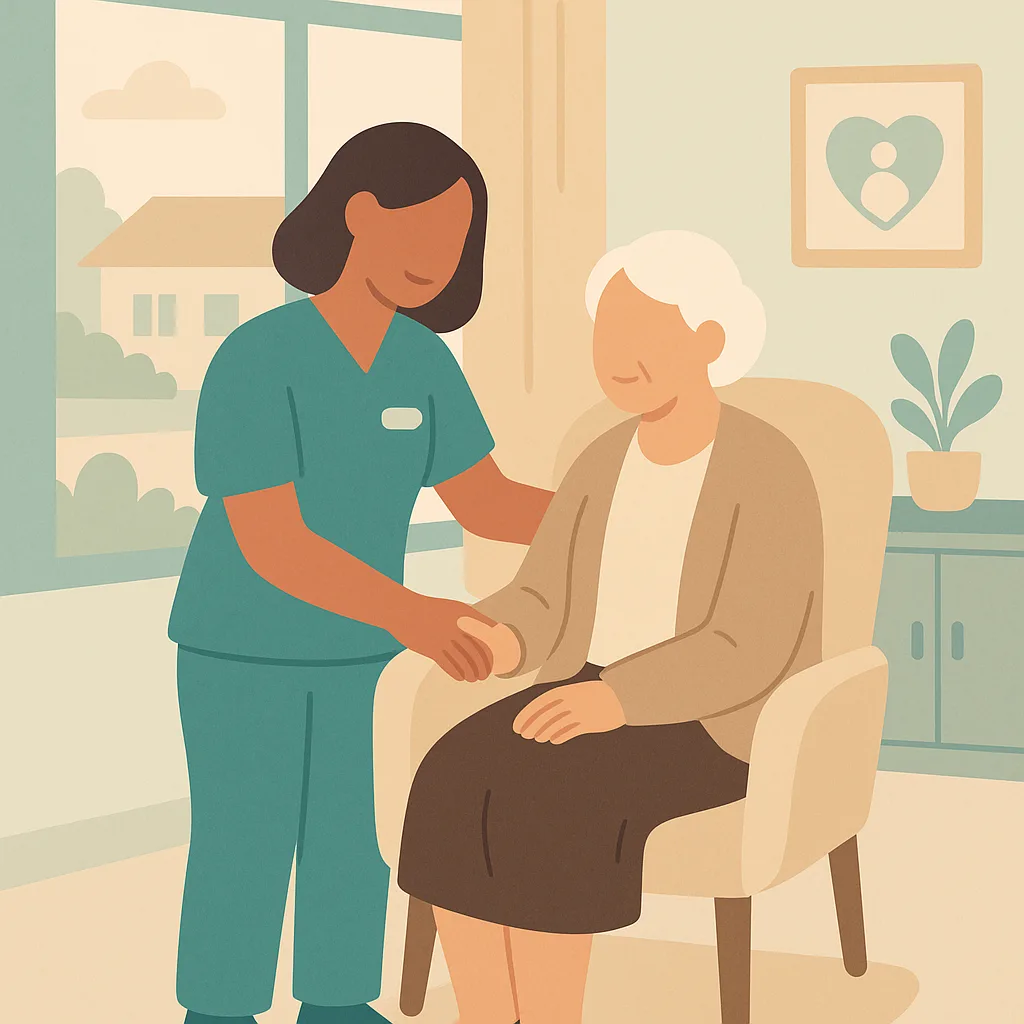
This annual refresher covers the core standards of the Care Certificate that underpin all care work in our service. You will revisit essential principles including person-centred care, dignity and respect, communication, safeguarding, health and safety, and infection control. This training ensures you continue to meet the fundamental standards expected of all care workers in the UK.

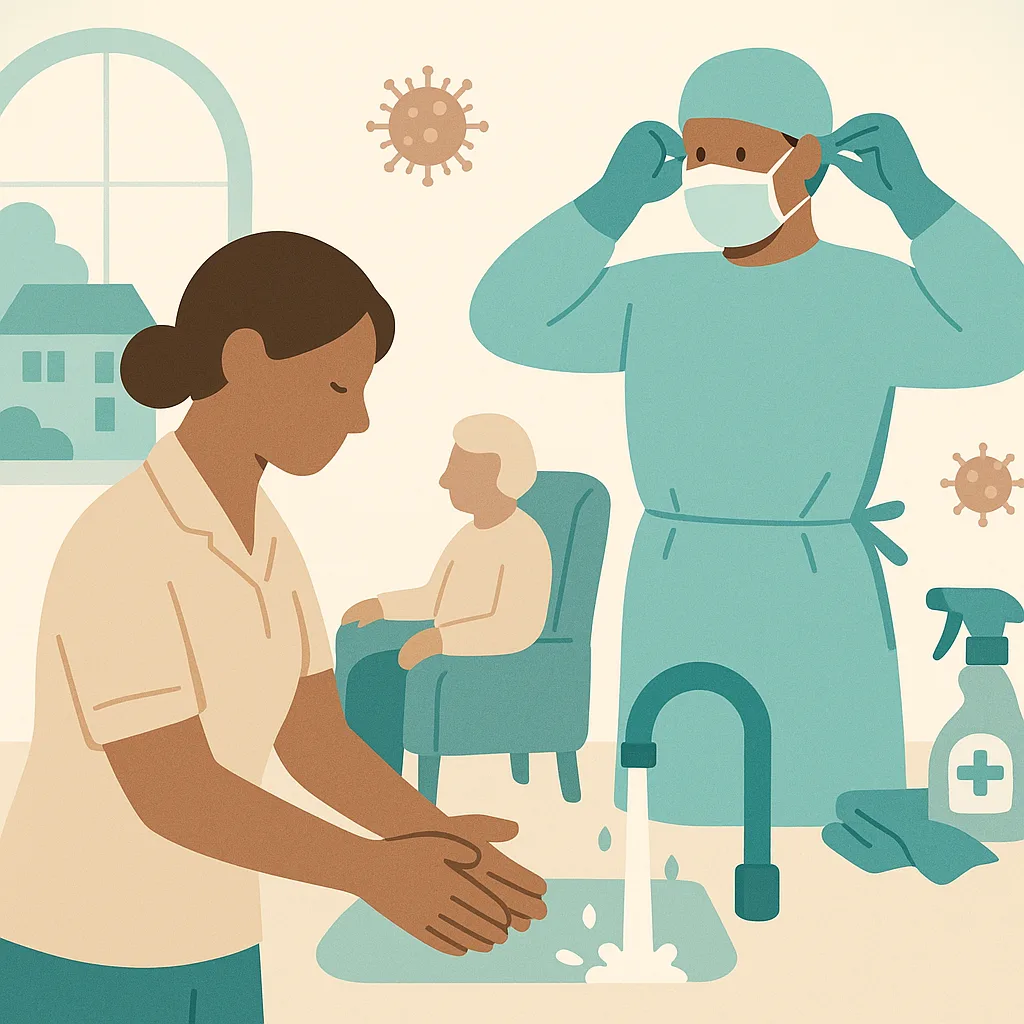
This training covers how to prevent and control infections in care settings to keep residents, staff and visitors safe. You will learn about hand hygiene, personal protective equipment (PPE), cleaning procedures, and how to respond when infections occur. These practices protect everyone and meet legal duties under the Health and Social Care Act.
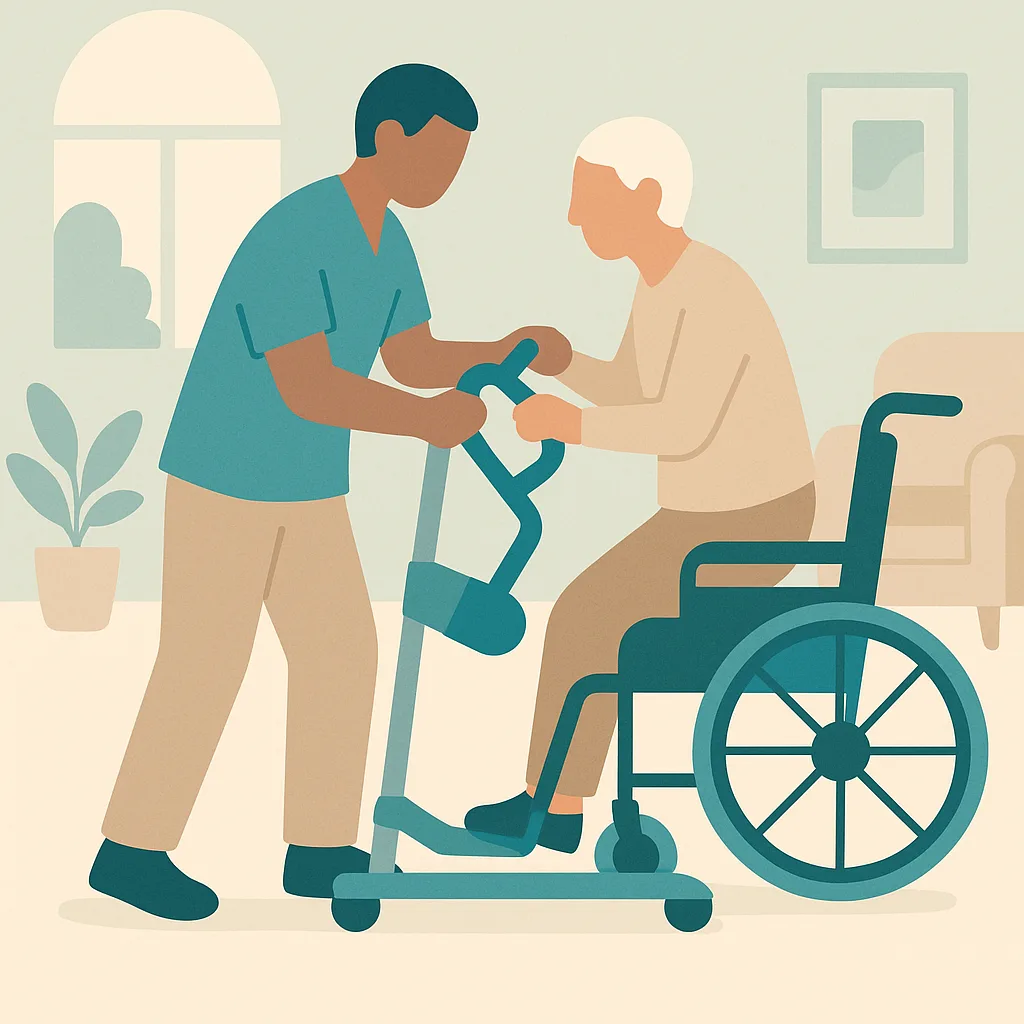
This annual refresher covers the essential knowledge you need to move and handle people safely in our home. It reviews why safe moving and handling matters, the principles we follow, how to assess and plan moves, and how to protect both the people we support and yourself from injury. Remember: this module covers knowledge only. You must also complete practical competency assessments with your supervisor.
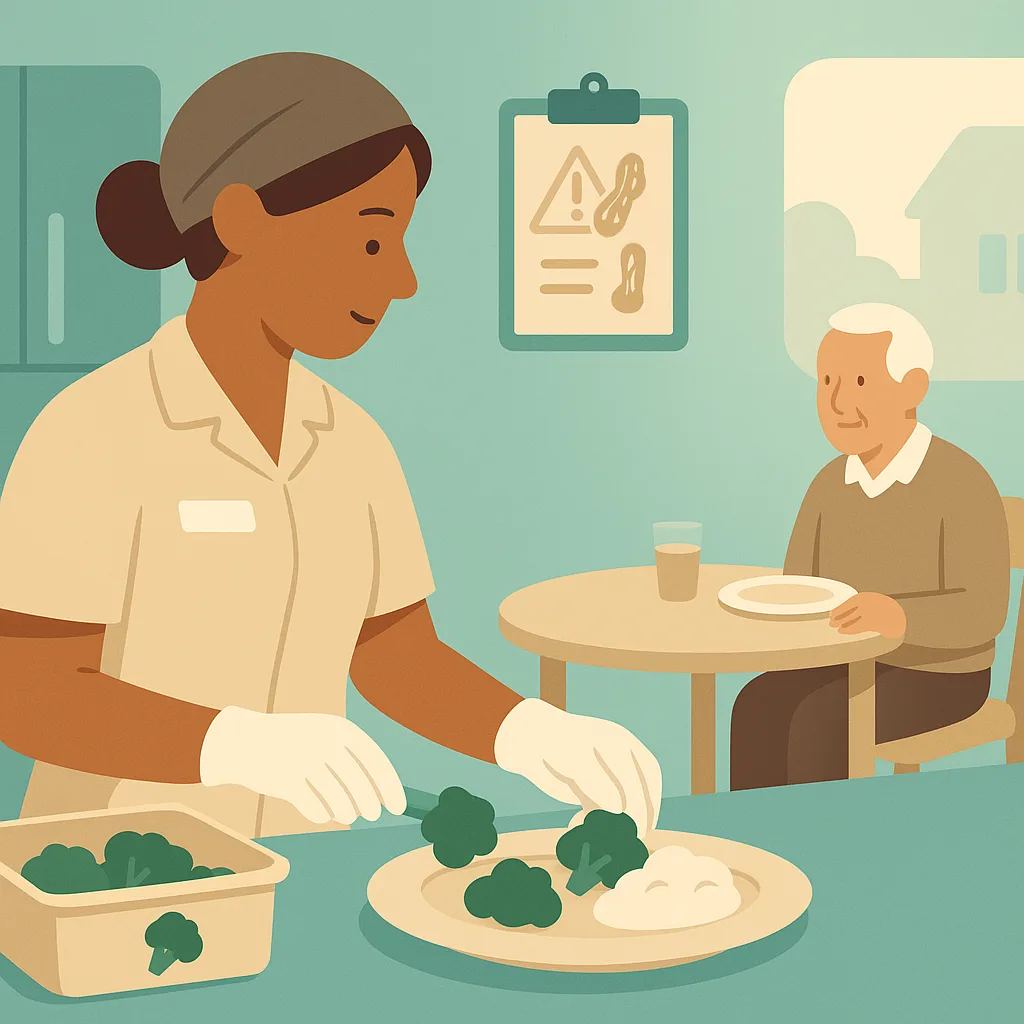
This training covers how to keep food safe and prevent illness in a care setting. You will learn about storing, preparing and serving food safely, preventing contamination, and protecting residents with food allergies. These practices protect everyone's health and meet legal requirements.
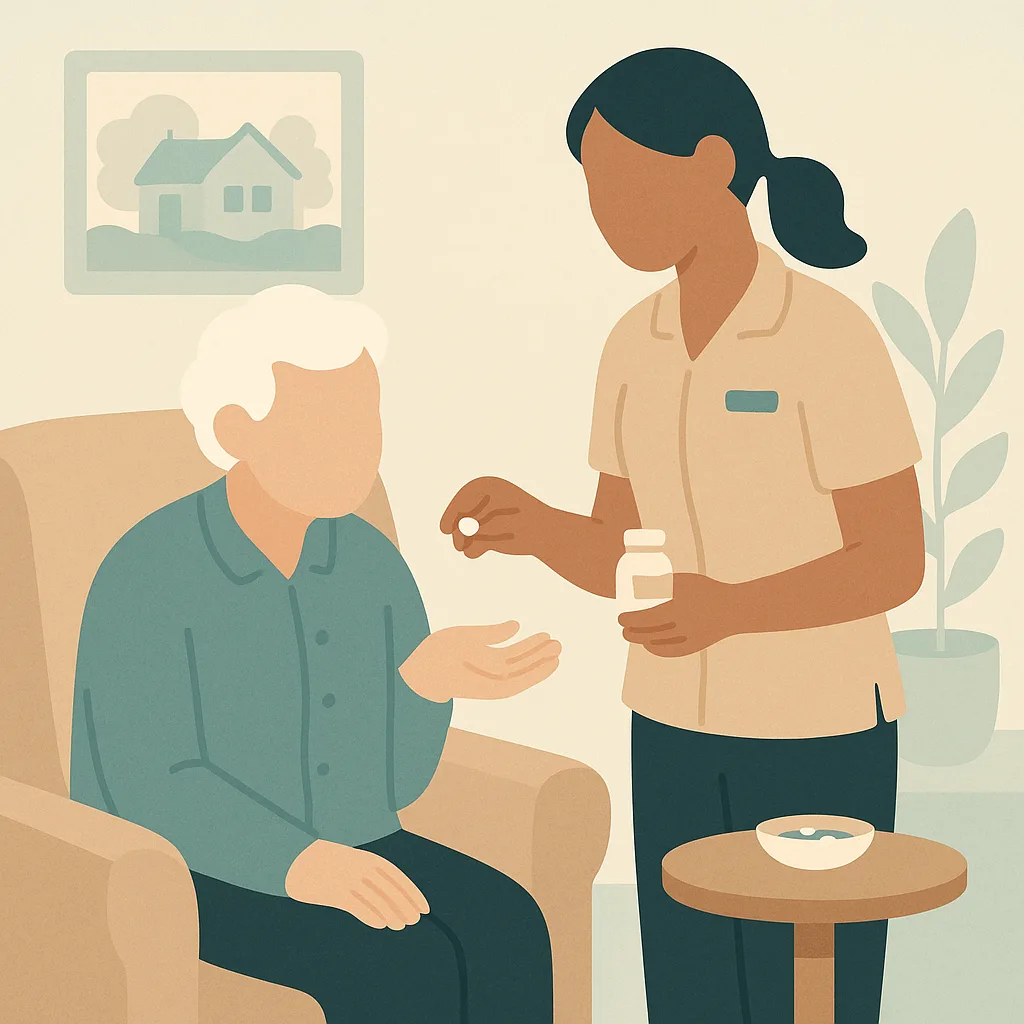
This module covers the essential knowledge you need to safely administer medication, including your workplace policies on covert medication. It is the knowledge part of your annual competency assessment. You will still need to complete a practical observation with your manager to demonstrate safe medication administration in real care situations.
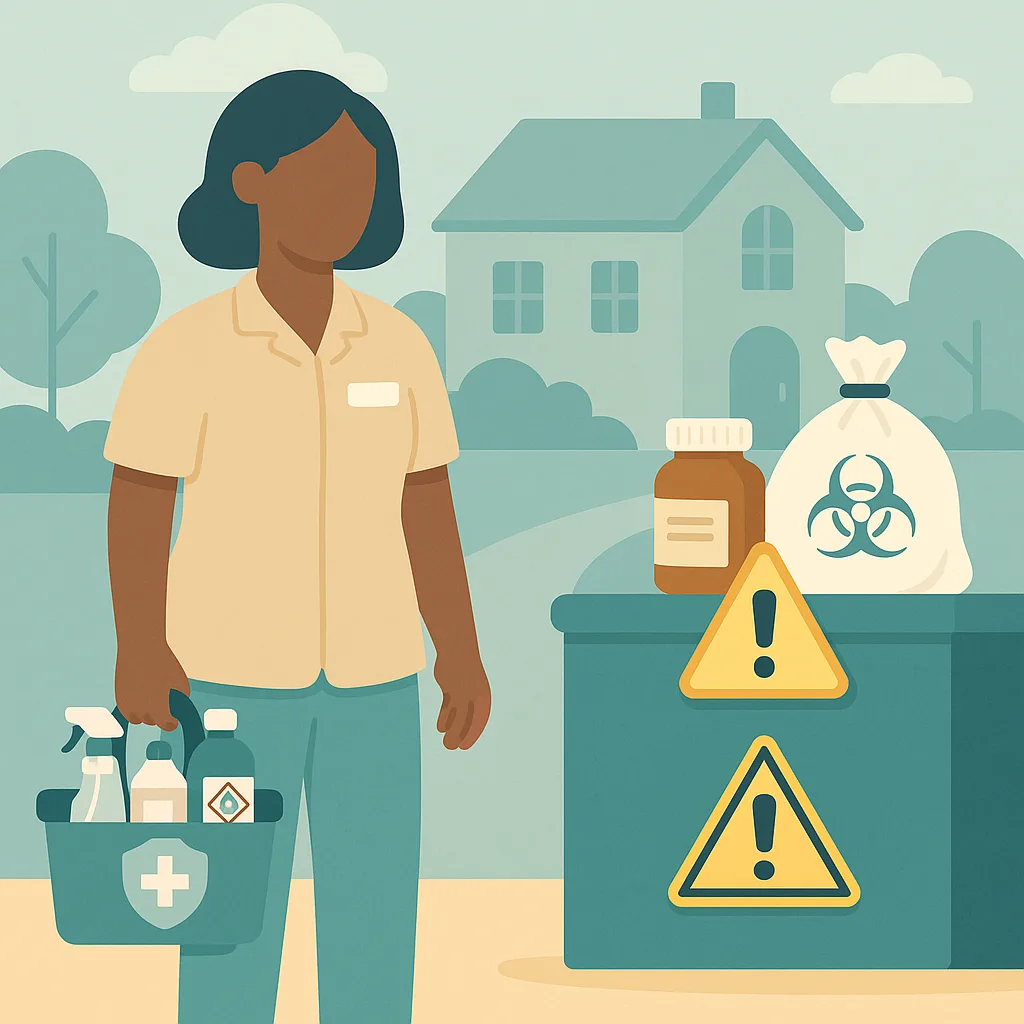
This training covers how to safely handle, store and dispose of hazardous substances in our home, including cleaning chemicals, medications and clinical waste. You will learn our procedures to protect yourself, residents and colleagues from harm. Understanding COSHH is essential for maintaining a safe environment every day.
What a free account gives every member of staff
The free CareStream plan gives each member of staff a CPD certified induction course for all 16 standards, plus the annual courses. It costs nothing and needs no card. The course is in English on the free plan, and 60+ languages start on the Starter plan.
The 16 sections, one for each standard
The course has 16 sections, in the same sequence as the Care Certificate standards from Skills for Care. The first is Understand your role. The last is Awareness of learning disability and autism, which arrived with the 2025 update.
Each standard has its own lesson and a workplace scenario. A manager can point to the exact part of the course that covers a given standard.
The whole course runs for 90 minutes. It is worth 1.5 CPD hours and is certified by The CPD Certification Service.
It was designed as a yearly refresher that can double as part of induction. It covers knowledge only.
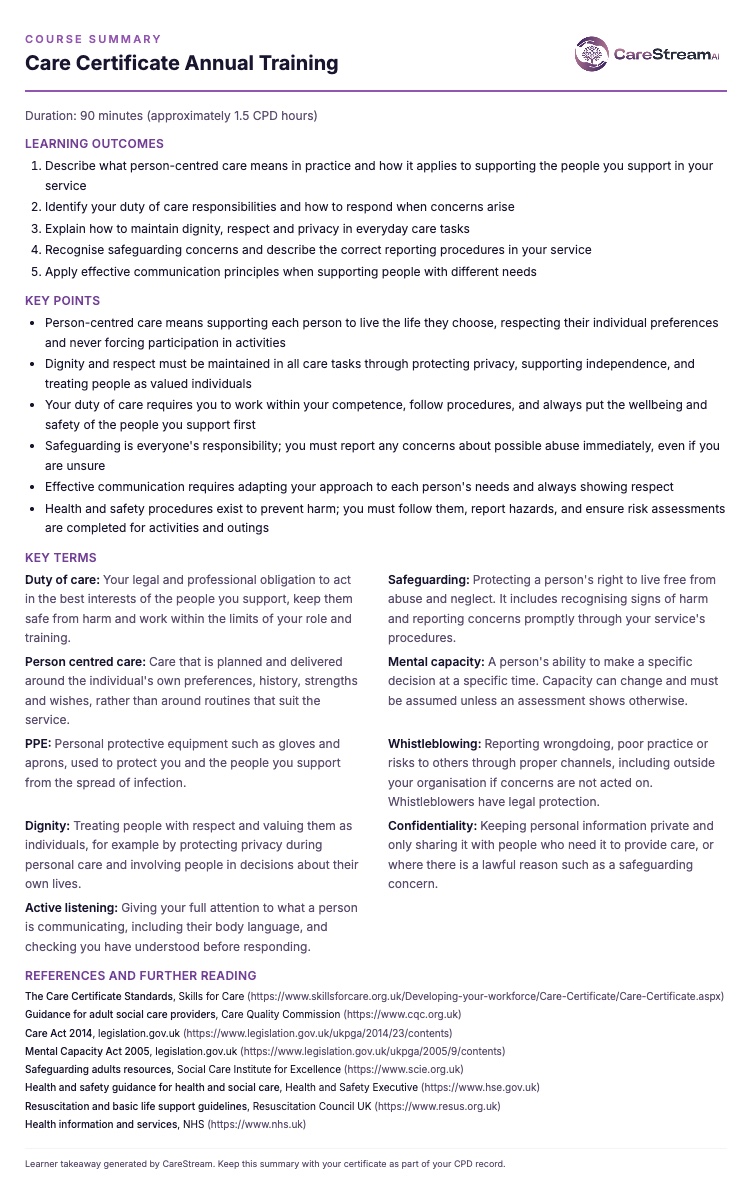
Figure: the course summary a learner can print and keep with their certificate.
How the 32 question assessment works
The assessment has 32 questions, two for each standard, with a pass mark of 80%. A learner who fails three attempts is asked to revisit the lessons before the assessment reopens.
We fix the pass mark and the attempt limit, so every learner in a service is held to the same standard. The assessment sits inside the course, so the learner stays in one place.
The number of attempts is recorded against the learner. That helps if someone asks how you know a new starter understood the material, because it shows more than a tick that the person opened the course.
Certificates, renewal dates and the observation checklist
The certificate is issued when the learner has passed and the employer has signed off the observed competency assessment. It is named, dated and scored, and it carries the CPD Certified mark and CPD hours.
It shows a renewal date. Reminders go out 90, 30 and 7 days before it.
We include a printable observation checklist with a sign off section. The person who watches the learner at work fills it in. The certificate is not a government recognised qualification, and each employer decides what it accepts.
The course supports the employer's process and does not replace it. The sign off belongs to the employer, never to us.
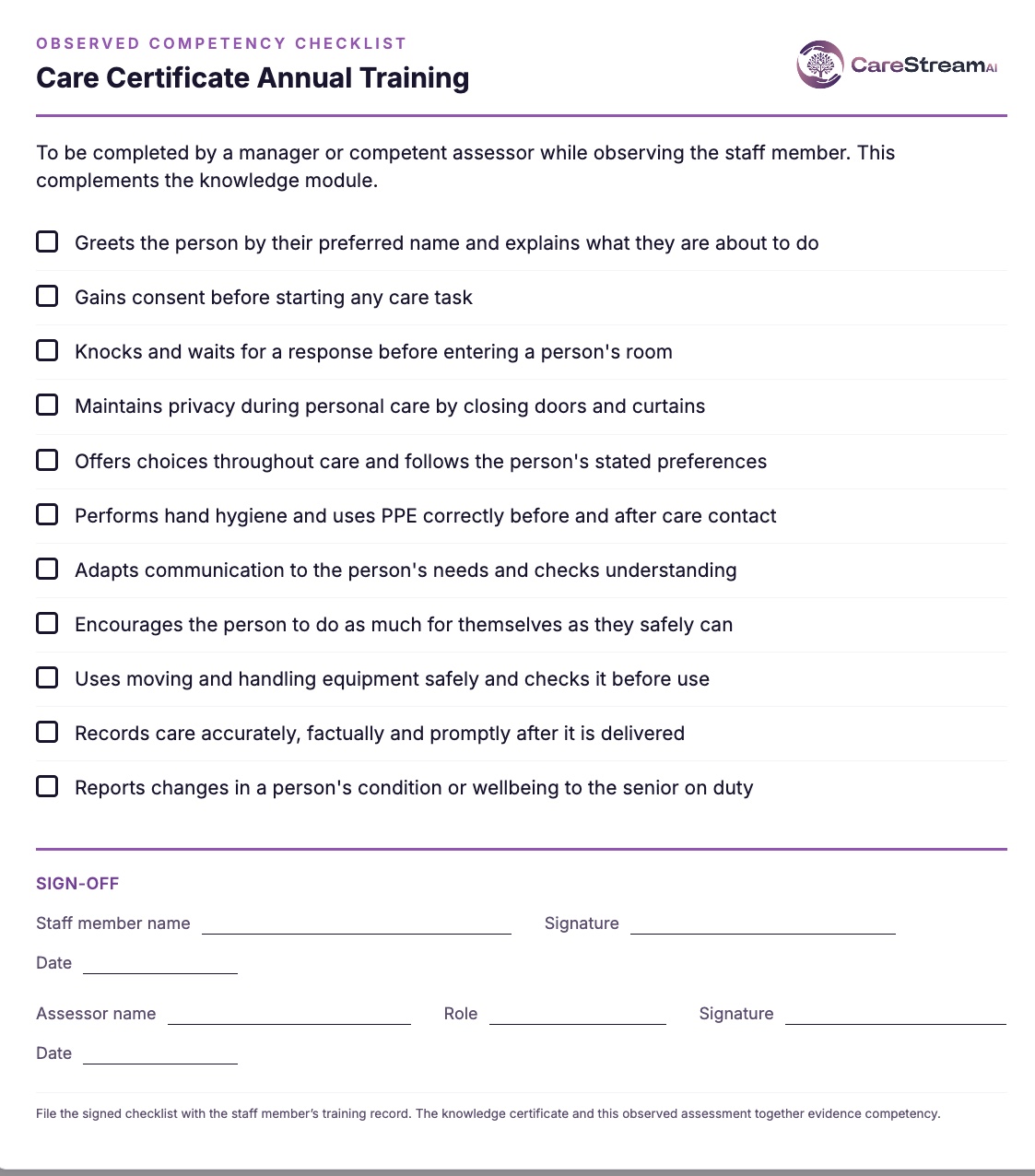
Figure: the checklist an assessor completes while watching a new starter at work.
The training matrix and records for the Care Quality Commission
Completions, assessment attempts and certificates flow into a training matrix for the CPD courses. A registered manager can see who has finished, who is due and who is overdue without keeping a spreadsheet. You can read more in our page on a training compliance matrix with renewals and gaps.
Regulation 18, the staffing duty, says staff must get support, training, development, supervision and appraisal. Providers must follow it.
In our view the best thing a service can offer the Care Quality Commission is its own evidence. That means dated records, assessment results and signed observations.
We would not say records alone decide a rating or an inspection outcome.
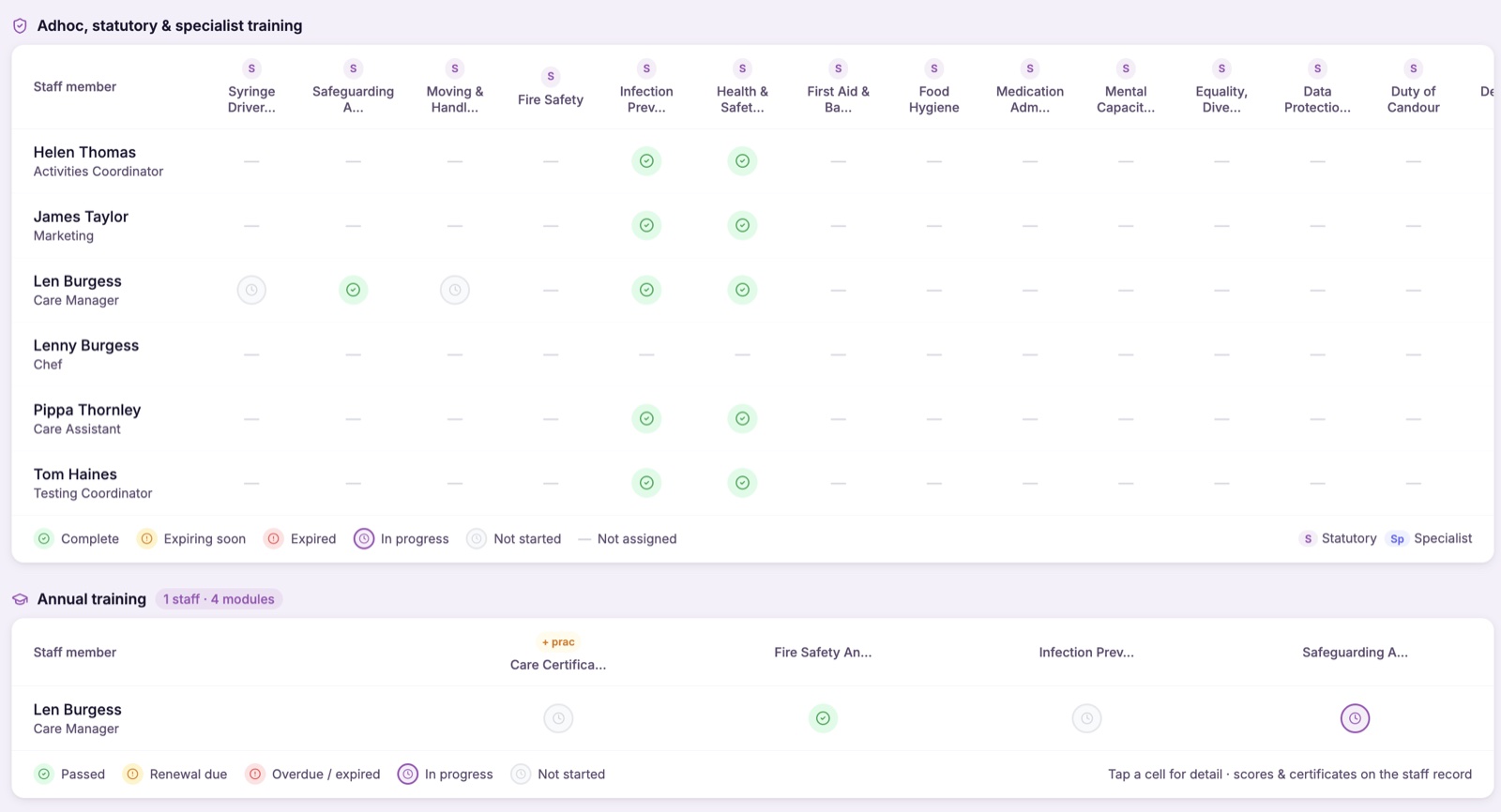
Figure: the matrix a manager opens to see who is complete and who is overdue, shown here with sample staff.
Who it suits and how it compares with other free routes
Several free routes to train new starters online exist, and a good manager picks the one that fits the service. Below we say who gains most from ours, what stays the employer's job on any route, and where NHS England's free e-learning is a good choice.
Who this is perfect for
This is for registered managers, owners, deputies and training leads. They work in care homes, nursing homes, home care agencies, supported living and hospices. They bring in new care workers, support workers or healthcare assistants. It also suits services that want one place to see training for the whole team.
Small services with no compliance department benefit most. The course, assessment, certificates and matrix sit together, with no licence per learner.
It helps in three cases:
- A recruitment round brings in several people at once.
- A worker arrives from overseas and needs the standards explained in plain language.
- An experienced worker needs a refresher aligned to the 16 standards.
Skills for Care says the standards suit people who are new to care. Employers decide for their own service.
What the employer still has to do
The employer must train staff under Regulation 18. In our view the certificate is one way of meeting that duty.
Skills for Care answers common questions in its Care Certificate standards questions and answers. It says eLearning alone cannot give full achievement of the standards.
The employer, or an assessor the employer picks, watches the learner at work and signs off each standard. The employer takes responsibility for final sign off.
Skills for Care says assessors need a thorough understanding of and direct experience in what they assess. NHS Employers says individuals must complete the certificate within 12 weeks of starting the process.
Our course covers the knowledge side, and the printable checklist gives your assessor a frame for the visit. Standard 12 covers basic life support, and Skills for Care refers to practical basic life support training. That skill needs a face to face session.
How it compares with the usual alternatives
NHS England says its eLearning for Healthcare hub is free for health and care professionals, so check its catalogue for Care Certificate content. Skills for Care publishes the standards without charge. Both are worth using, and we send people to them.
Where we differ is the manager's side of the desk. A free CareStream account holds everything in one place, with no card. That means the course, an assessment with an 80% pass mark, certificates with renewal dates, a training matrix and unlimited staff logins.
A price per learner rises with each recruitment round, which is why we do not charge one.
Compare the routes openly, and weigh how your own staff like to learn. No single route suits every service.
Get started with no card needed and upgrade any time
A free account takes a few minutes to set up. Below we cover what the free plan costs, what paid plans add and how this course connects to the wider set of mandatory courses.
What it costs and what paid plans add
The course is listed at £25.99 per learner outside the free plan. On a free account it costs nothing for every member of staff. The plan needs no card.
Paid plans are Starter at £85 a month, Professional at £230 and Enterprise at £385. Each has a 14 day free trial that needs a card to start.
Paid plans add three things:
- 60+ languages from Starter.
- AI recommendations at the end of an audit.
- Policy checking beyond the first 5 policies.
If you upgrade, your staff and policies stay as they are. The courses stay free on every plan, so upgrading adds features and not a charge for the courses.
Where induction sits among your other mandatory courses
Care certificate training is the start of a training record, not the end of it. After induction, we suggest planning annual courses. The free plan includes all of them, with the same assessment, certificate and matrix approach.
The annual courses cover:
- Infection prevention and control
- Moving and handling of people
- Food hygiene
- Medication
- Data protection
- Health and safety
- Mental health awareness
- COSHH
- End of life care
Our guide to induction and the 16 standards explains how the pieces fit. The page for the full list of mandatory care training shows the wider set of courses. You can also read the full course page with lessons, assessment and certificate before you create an account.
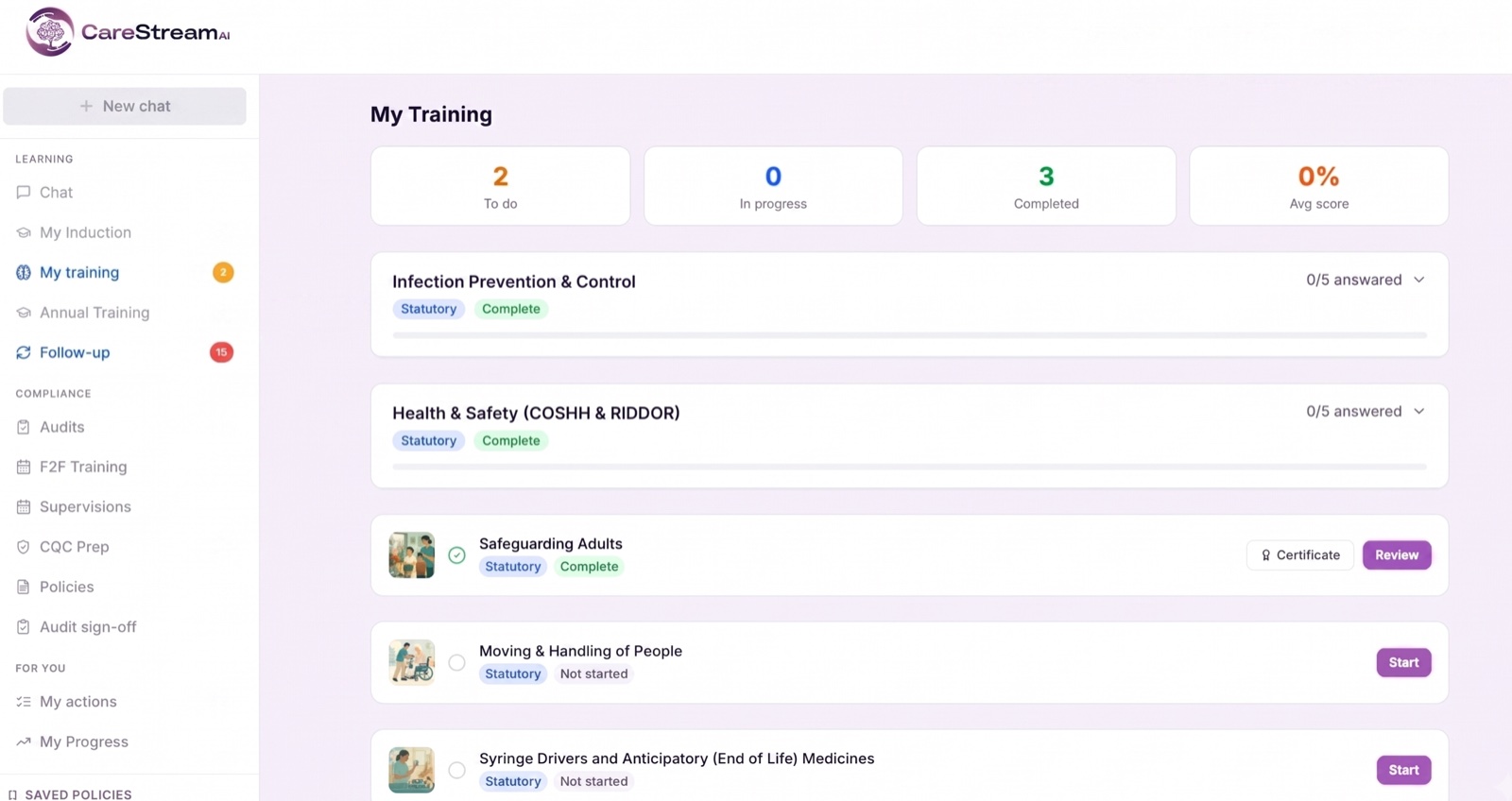
Figure: what a learner sees after logging in, with a Certificate button on finished courses, shown here with sample data.
Benefits of CareStream's course, assessment and matrix for new starters
Here is what a new starter and their manager get from the free care certificate on a free account:
- Each new starter works through 16 sections, one for each standard, and sits the 32 question assessment with an 80% pass mark.
- The learner prints a certificate that shows a renewal date, and the manager prints the observation checklist to sign off practical skills.
- The training matrix shows the manager who has finished and who is due, so no one has to chase a spreadsheet.
- Every member of staff has a login, and the course costs nothing on any plan.
Our full course page with lessons, assessment and certificate shows each part before you create an account.
Free Care Certificate Online for Care Services: Course, Assessment and Records FAQs
Can I do the Care Certificate online for free?
Yes. NHS England's eLearning for Healthcare hub offers free e-learning for health and care professionals, and a free CareStream account includes our CPD certified Care Certificate course for every member of staff. Check the hub catalogue for the Care Certificate content you need. Online learning covers the knowledge part only. The employer, or an assessor they choose, must observe practical skills at work and sign off each standard.
How much does the Care Certificate cost?
On a free CareStream account the course costs nothing for any member of staff, with no card needed. Outside the free plan the course is listed at £25.99 per learner. Other providers set their own prices. The employer's time to observe and sign off practical skills is a cost whichever route is used.
How do I get my Care Certificate?
A new starter completes the knowledge learning for the 16 standards, then their employer observes them at work and signs off each standard. The employer takes responsibility for final sign off. Skills for Care says providers must not sign and issue the certificate for the employer, so an online course provider does not award it.
How many standards are in the Care Certificate?
There are 16 standards. Skills for Care updated the standards in the 2025 update and added a new standard on awareness of learning disability and autism. Skills for Care says older workbooks have not been updated, so check the version of anything you download.
Is the Care Certificate a legal requirement?
The Care Certificate itself is not set out in law. Regulation 18 (Staffing) of the Health and Social Care Act 2008 (Regulated Activities) Regulations 2014 requires staff to receive appropriate support, training, professional development, supervision and appraisal. In our view the Care Certificate is one way an employer can show how new staff are inducted.
Who needs to complete the Care Certificate?
Skills for Care says the standards suit people who are new to care, and NHS Employers lists healthcare assistants among the roles it is aimed at. Skills for Care says roles such as cooks, cleaners and drivers do not need it. Employers decide for their own service.
How long does the Care Certificate take?
NHS Employers says individuals must complete it within 12 weeks of starting the process. Our online course takes 90 minutes, which is the knowledge element only. The observed workplace assessment is what takes time, and it depends on when the employer can observe each standard.
What is included in the free CareStream Care Certificate course?
All 16 sections, one for each standard, each with a short lesson and a workplace scenario. It also includes a 32 question assessment with an 80% pass mark, a printable observation checklist, certificates and a training matrix. The free plan is in English.
Is the CareStream course CPD certified?
Yes. The course is CPD certified by The CPD Certification Service and is worth 1.5 CPD hours. CPD certification confirms the learning meets a continuing professional development standard. Skills for Care says the Care Certificate is not accredited, and our course is not a government recognised qualification.
Do certificates expire?
The certificate shows a renewal date, and reminders go out 90, 30 and 7 days before it. We suggest refreshing the standards each year, and the course is designed as an annual refresher that can also be used within induction.
Can I use it for staff who already hold a Care Certificate from another employer?
Yes, as a refresher or to bring older learning in line with the 16 standards. Whether to accept a Care Certificate completed elsewhere is the employer's decision, and we suggest the employer satisfies itself about the person's competence.
Is the Care Certificate the same as the Level 2 Adult Social Care Certificate?
No. Skills for Care says the Level 2 Adult Social Care Certificate is accredited and regulated by Ofqual, while the Care Certificate is not accredited. The Care Certificate standards set out the knowledge, skills and behaviours expected of people new to care.
What happens if we stop using CareStream or upgrade?
The free plan needs no card. If you upgrade, your staff and policies stay as they are, and the courses stay free on every plan. Paid plans add things such as 60+ languages from the Starter plan, AI audit recommendations and more policy checking.
Do staff need their own email address and login?
Each learner has their own login so that their assessment attempts and certificates are recorded against them. There is no limit on the number of staff logins on the free plan.
Does completing the course show the Care Quality Commission that staff are trained?
It gives you records: assessment results, the certificate with its date and renewal date, and the signed observation. These are evidence a manager can show. We would not say records decide any rating or inspection outcome, because the Care Quality Commission also looks at how staff apply their learning.
More on Care Certificate
Guides and collections that go with this page, and the full libraries.
Policies are one part of it.
CareStream is the compliance system underneath: your policies, your staff training, your audits and your evidence, kept current and ready for the day somebody asks to see them.
- Policies written and kept updated for you
- Staff training that records itself against the standard
- Gap analysis showing what you are missing before an inspector does
- Everything in one place, for one price




