
Policy collection
Infection Control Policy for Care Services: Six Documents
An infection control policy is not a cleaning rota. It is not a folder of printed guidance either. It is the document that says who leads, who decides, and what happens when somebody falls ill.
One infection control policy cannot carry all of that on its own. Six documents share the load in this collection.
None of the six is a template. Each one is built from answers you give about your own service, then checked by a person. Between them they cover day to day prevention, outbreaks, the chemicals staff handle and the food they serve. They also cover the building itself, and the general duty underneath all of it.
Each one names your registered manager, your nominated individual and the lead for that subject. Each arrives with a companion document setting out the law it was written against. Every price is shown before you buy. The sensible first step is to check what you already hold.

IPC arrangements aligned to the Code of Practice, including audit and cleaning schedules.
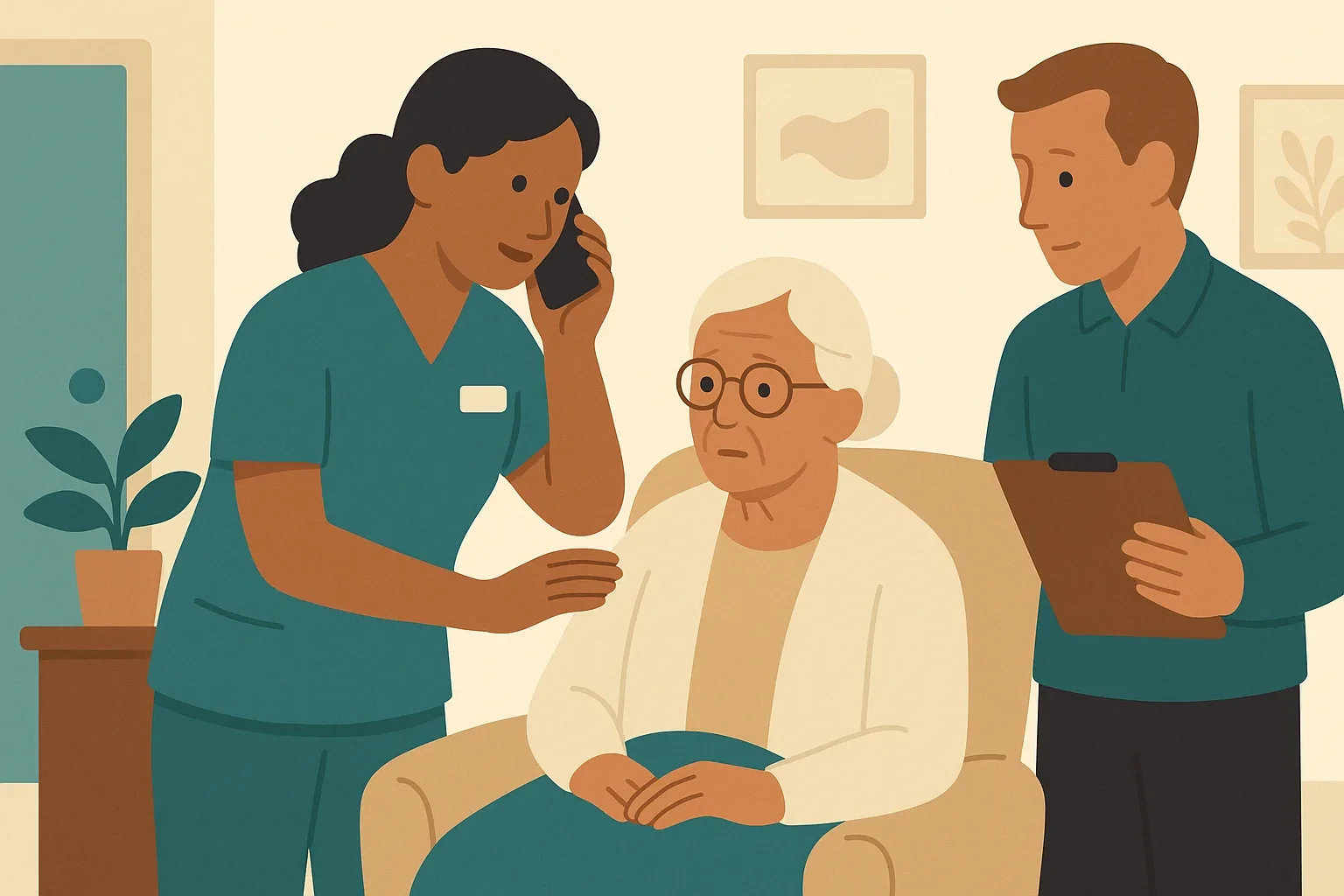
Recognising, containing and reporting infectious outbreaks with your escalation contacts.
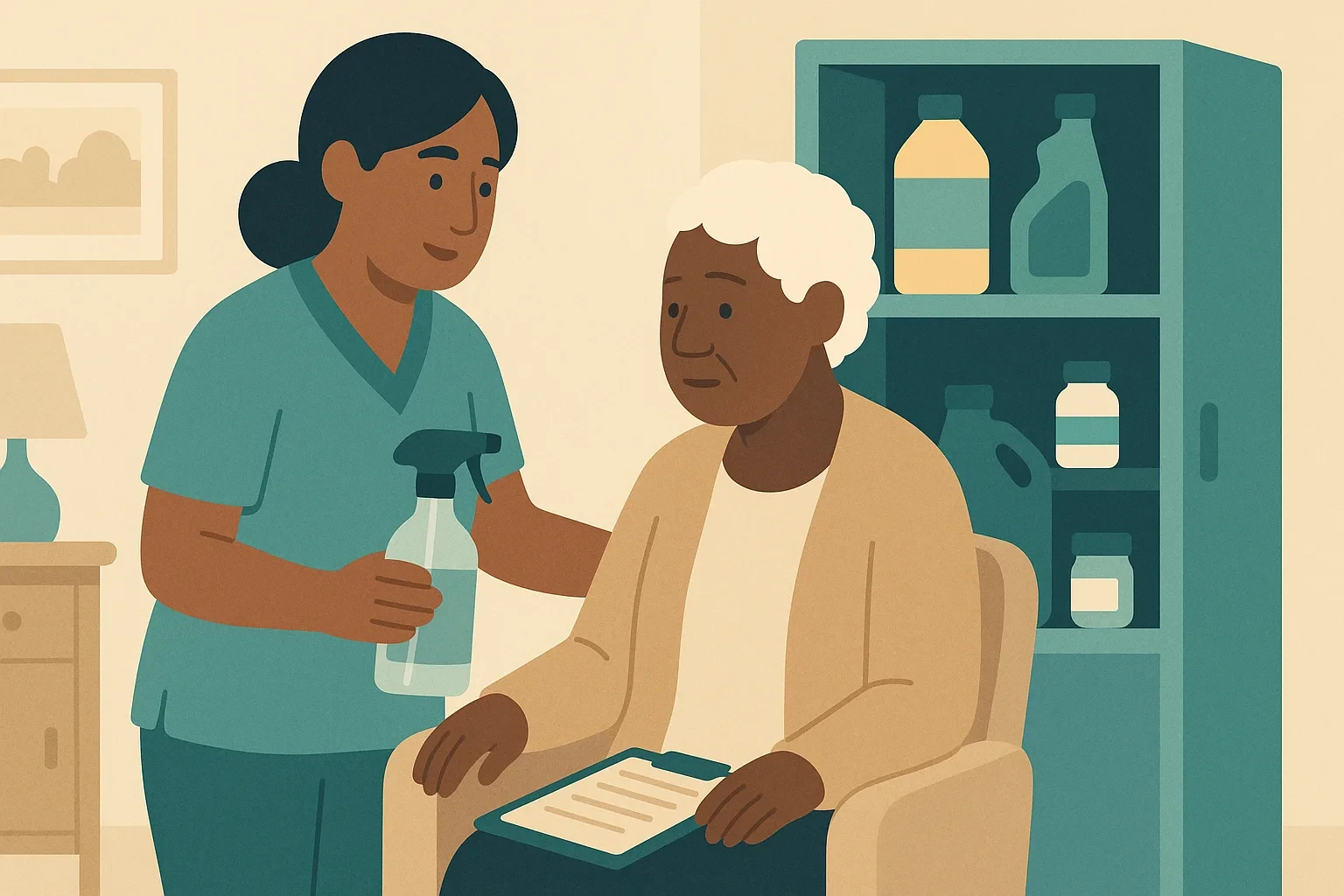
Control of substances hazardous to health: assessment, storage and safe use.
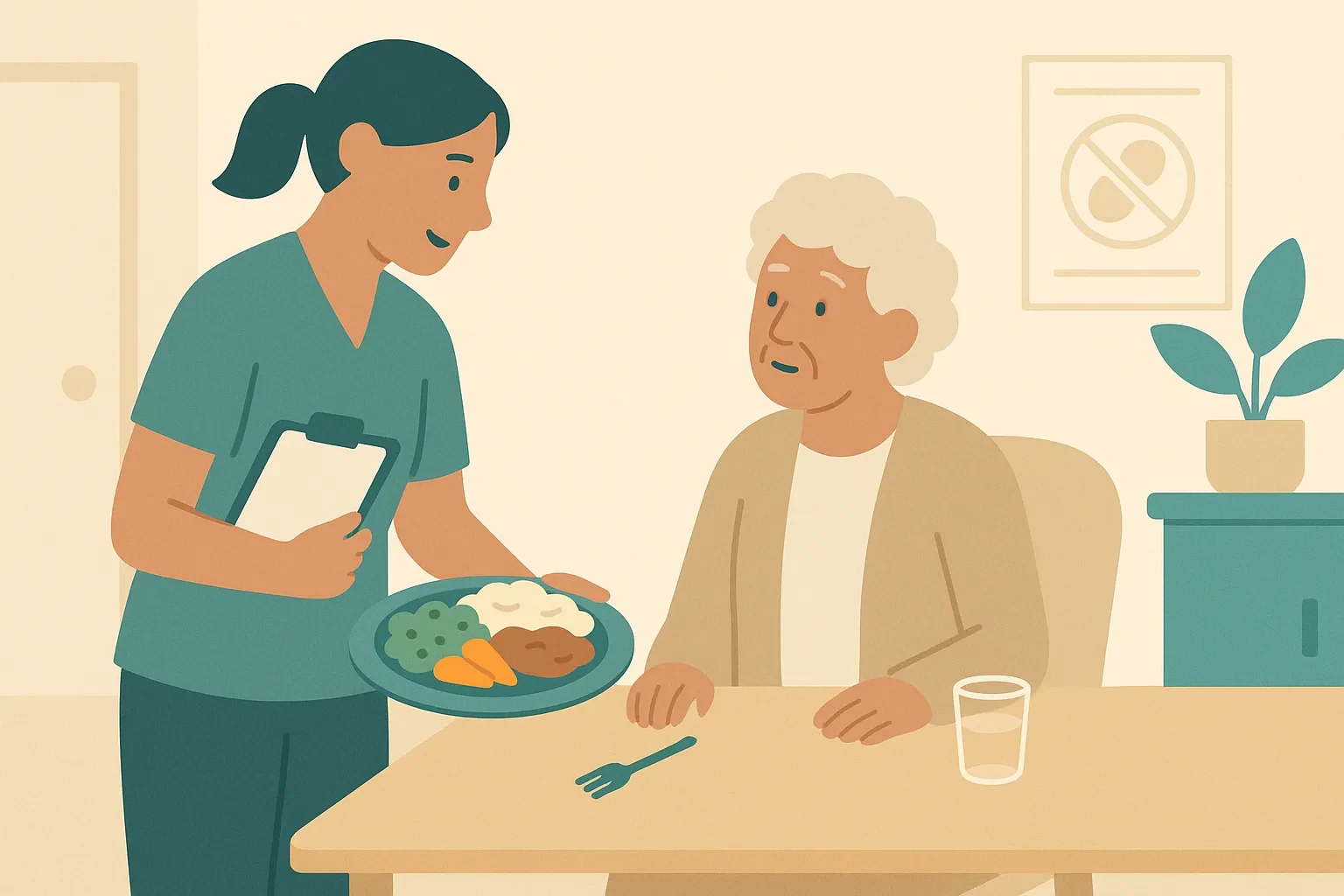
Food hygiene, allergen management and Natasha’s Law compliance.

Keeping the premises safe, suitable and maintained under Regulation 15.

Your general statement, organisation and arrangements under the Health and Safety at Work etc. Act 1974.
What an inspector reads your policy to find out
Nobody is marking your prose. The question behind the request is simpler: does this service know what it does, and does the staff on shift do it.
What the regulations ask for, and what they leave to you
The duty is short and wide. Regulation 12 requires a provider to assess the risk of infections and to prevent, detect and control their spread, including those picked up in health care.
That is the whole of it. The regulation names no policy, no cleaning schedule and no hand wash technique.
So the document carries the weight. It has to say who the lead is, what staff do, what gets recorded and who hears about an outbreak first.
Infection control legislation also reaches outside the care regulations. Chemicals, food and the building each sit under rules of their own, which is why this collection runs to six documents rather than one.
Why the code of practice is not a rule book
Plenty of services treat it as one. The code of practice on the prevention and control of infections applies to adult social care in England as well as to health bodies.
The wording matters. Providers must have regard to the code when deciding how to meet the regulations, and the regulator takes it into account at registration.
It is not mandatory in itself. A provider may be able to show that it meets the regulations in a different way that works as well or better. That is a useful thing to know before you copy a hospital document into a care home.
What sits beside the main document
Three of the six are not about infection at first glance. They carry the parts of it that go wrong most often.
- COSHH covers the products staff use to clean, from assessment to storage. The COSHH duty to assess the risk before the work starts is the one most often missed.
- Food Safety and Allergen covers hygiene, allergen information and the kitchen.
- Premises and Maintenance covers the building, water and the fabric around everyone.
Outbreak Management is the one managers reach for at the worst moment. It sets out recognising, containing and reporting, with your own escalation contacts in it.
Our written infection prevention and control policy for care services sits at the centre of the six.
A hand hygiene policy is usually part of that one rather than a document of its own. Most services do not need both.
What you get, what it costs, and how fast it arrives
Each document is bought on its own. There is no plan to join and nothing renews without you.
How each policy is written for your service
You answer a short set of questions once. It takes about three minutes, and the company details are reused for every policy you buy afterwards.
Your answers are merged in. The registered manager, the nominated individual and the subject lead are named in the text, so nobody has to guess who to tell.
A person reads the draft before it is sent. Two things land. A copy in your dashboard, and a print ready PDF on your letterhead with the sign off and version block already set. The whole thing arrives inside two working days of you answering.
When somebody changes role, tell us once and every policy that names them is updated.
Check what you already hold, free, before you buy
Most services have something on infection already. The question is whether it still matches the law and the way the service runs now.
The free check of the first five policies you upload rates each regulation as covered, partly covered or a gap.
It also flags old wording. Retired frameworks, pandemic era instructions and a placeholder nobody filled in all show up. So does a point where two of your documents disagree.
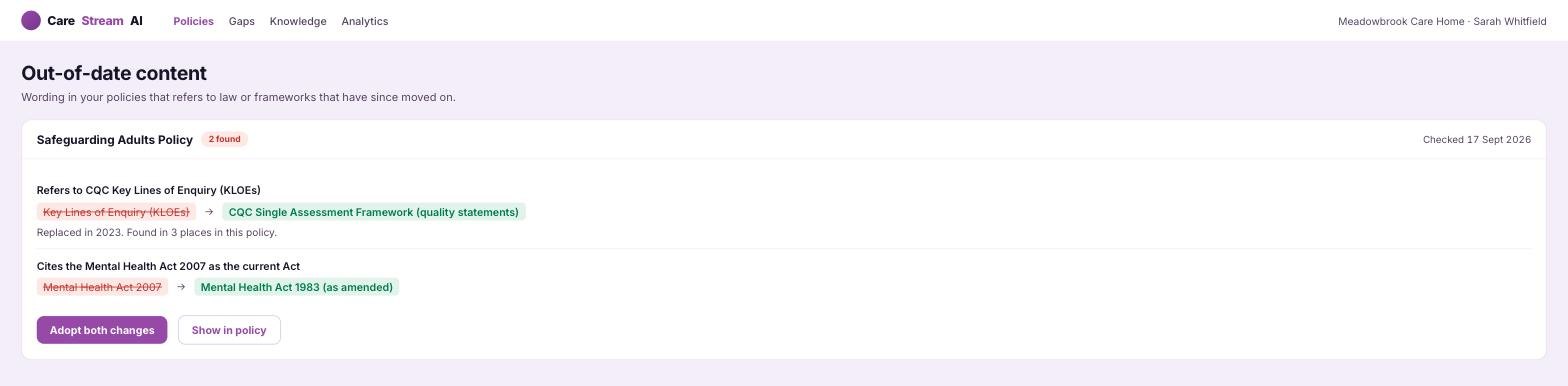
Figure: an out of date finding, with the retired wording struck through and the current wording beside it.
Buy a written policy where the check shows a real gap. Leave the rest alone.
Who this collection is perfect for
It suits a registered manager at a care home, a supported living service or a home care agency. It suits a nominated individual with no compliance department behind them.
Three situations send people here.
- A new registration, where nothing exists yet and the set has to be consistent from the start.
- An inherited policy file nobody can date, full of wording from a very different period.
- An outbreak that exposed a gap, where the escalation route turned out to live in somebody's head.
It also suits services where staff read in more than one language, because a policy nobody understands changes nothing on the floor.
Why CareStream suits a small service better than a template pack
The usual routes are a downloaded template, a consultant at a day rate, or a large subscription library. Templates are quick. A consultant brings judgement. A library brings breadth.
What none of them does is name your people. A template leaves a blank where your lead should be, and blanks survive for years.
So each CareStream document is written from your answers, read by a person, and priced before you buy. We never claim it makes a service compliant, because the regulator judges practice, not paper.
For the staff side, our infection control training collection for care teams covers what the policy asks people to do.
Benefits of CareStream for an infection control policy that matches your service
- Written in your name, with your registered manager, nominated individual and subject lead on the page.
- Delivered within two working days of your answers, as a dashboard copy and a print ready PDF.
- A companion document setting out the law each policy was written against.
- A free check of the policies you already hold, so you only pay where there is a gap.
- Refunded in full within fourteen days if it does not fit your service.
If you want the background first, read our guide to what belongs in an infection prevention and control policy.
Infection Control Policy for Care Services: Six Documents FAQs
What is an infection control policy?
It is the document that sets out how your service stops infection spreading, who leads on it, and what staff do when somebody becomes unwell. It covers hand hygiene, protective equipment, cleaning, laundry, waste, and the route for reporting a suspected outbreak to the people who need to know.
Is an infection control policy a legal requirement?
No regulation names the document, but the duty behind it is plain. Regulation 12 of the 2014 Regulations requires a registered person to assess the risk of infections and to prevent, detect and control their spread. A written policy is how most services show how they do that.
What is the code of practice, and do we have to follow it?
It is government guidance on preventing and controlling infections. Providers must have regard to it when deciding how they meet the regulations, and the regulator takes it into account at registration. It is not mandatory in itself, and a provider may show it meets the regulations another way.
Which six policies are in this collection?
Infection Prevention and Control, Outbreak Management, COSHH, Food Safety and Allergen, Premises and Maintenance, and Health and Safety. They are sold separately. Most services start with the first and add the others where the service has a gap.
Do domiciliary care agencies need one?
Yes. Staff move between households, carry equipment with them and often work alone, so the route for reporting illness matters more, not less. The premises sections carry less weight, because the agency does not run the building, but the equipment it supplies still has to be safe.
What does each policy cost?
Infection Prevention and Control and Outbreak Management are £69 each. Food Safety and Allergen and Premises and Maintenance are £59. COSHH is £49 and Health and Safety is £79. Each is a one off payment, and the first year of updates is included.
How long does delivery take?
Within two working days of your answers. The questions take about three minutes, and your company details are reused for every other policy you buy, so the second one is quicker than the first.
What information do you ask for?
Your company and service details, including the name, address and the provider and location identifiers held by the regulator. You also name your registered manager, your nominated individual and your lead for that subject. Those names are merged into the document.
Can I check the policy I already hold?
Yes. A free account checks your first 5 policies against the regulations that apply to your service and reports each one as covered, partly covered or a gap. It also flags wording that refers to law or frameworks that have since moved on.
What happens when the law changes?
The first year of updates is included. After that a policy stays current for £12 a year, and you are told what changed and why. You can stop at any point and keep the document you hold.
What if the policy is not right for my service?
Tell us within fourteen days and we refund it in full. Every policy is read by a person before it carries your name, which is where most mismatches are caught.
Can I edit a delivered policy myself?
No. Changes go through us and are checked again, so the wording you hold is wording a person approved. You receive a dashboard version and a print ready PDF on your own letterhead, with a sign off and version block.
How often should an infection policy be reviewed?
No rule sets a fixed interval. Many services review yearly, and sooner when guidance changes, after an outbreak, or when a cleaning contract or a piece of equipment changes. Record each review and how staff were told about it.
Does holding these policies make us compliant?
No. A policy describes arrangements. The regulator judges what it sees and hears in your service, including what staff actually do, so training, audit and supervision carry as much weight as the document.
What is the difference between a policy and a procedure?
A policy states the position and who is accountable. A procedure sets out the steps somebody follows on shift. These documents carry both, which is why they name the role holders rather than leaving a blank for you to fill in.
More on care policies
Guides and collections that go with this page, and the full libraries.
Policies are one part of it.
CareStream is the compliance system underneath: your policies, your staff training, your audits and your evidence, kept current and ready for the day somebody asks to see them.
- Policies written and kept updated for you
- Staff training that records itself against the standard
- Gap analysis showing what you are missing before an inspector does
- Everything in one place, for one price




