
Training collection
Whistleblowing Training for Care Staff: Six Modules on Speaking Up
Whistleblowing training teaches one skill: how to say out loud that something is wrong. The Care Quality Commission expects every care provider to hold a speak up procedure and to put it in front of staff. Whistleblowing training is how that procedure reaches the floor, in words a new starter can follow.
Six short modules sit in this collection. Between them they cover raising a concern and being open after harm. They also cover complaints, records that hold up, how staff speak to each other, and the governance frame around the lot. Some services call it raising concerns training.
Every learner ends with a scored assessment and a named, dated certificate on their record. You can see who has started, who has passed and who is due again. A manager opens that record when an inspector asks how staff are taught to speak up. It is why the six are bought as a set.

This training covers how we keep accurate, secure records in our home, including our digital record keeping system. Good record keeping protects the people we support, helps us provide better care, and meets our legal duties under data protection law and CQC standards.
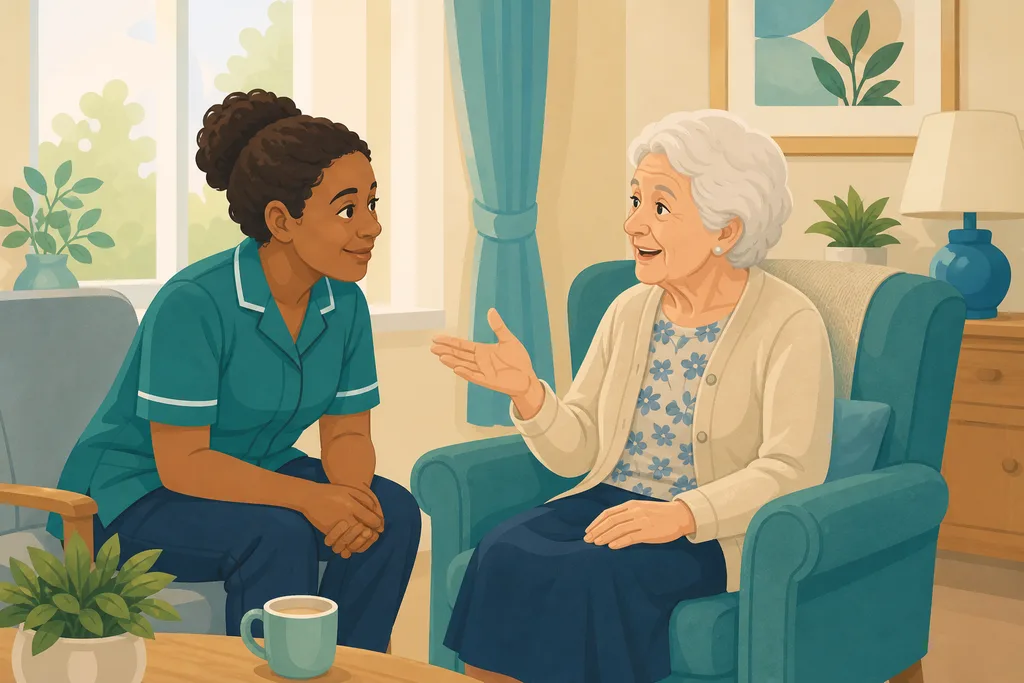
This module covers how we communicate effectively with residents, families, colleagues and other professionals at our home. Good communication is at the heart of quality care and helps us meet CQC standards. You will learn our home's approach to professional communication, information sharing, and maintaining respectful relationships in all situations.
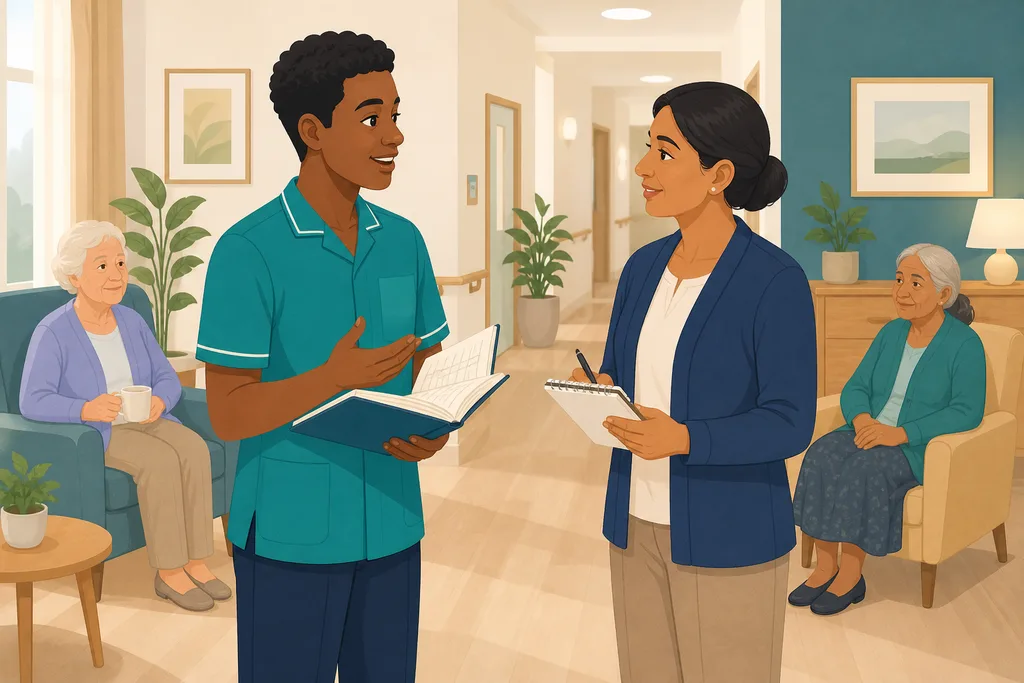
This training explains how to raise concerns about poor practice, risks to residents, or wrongdoing at the Home. You will learn when and how to speak up, what protection you have, and why reporting concerns is part of your duty of care. Speaking up keeps residents safe and maintains high standards of care.
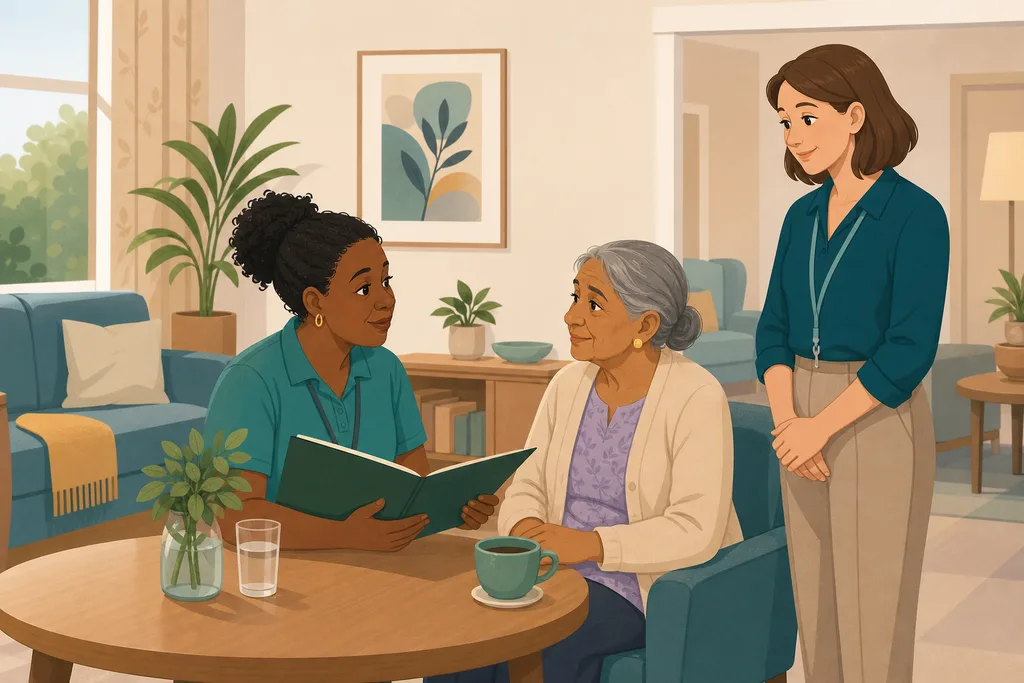
This training explains your legal and professional duty to be open and honest when mistakes happen in care. You will learn what duty of candour means, when it applies, and the specific steps our service takes to support people and put things right. Being open builds trust and helps us learn from incidents.

This training covers how we handle complaints at our home, following our Duty of Candour Policy. You will learn when and how to be open with residents and families when things go wrong, how to respond to concerns properly, and how to record and learn from complaints. Handling complaints well protects residents and builds trust.
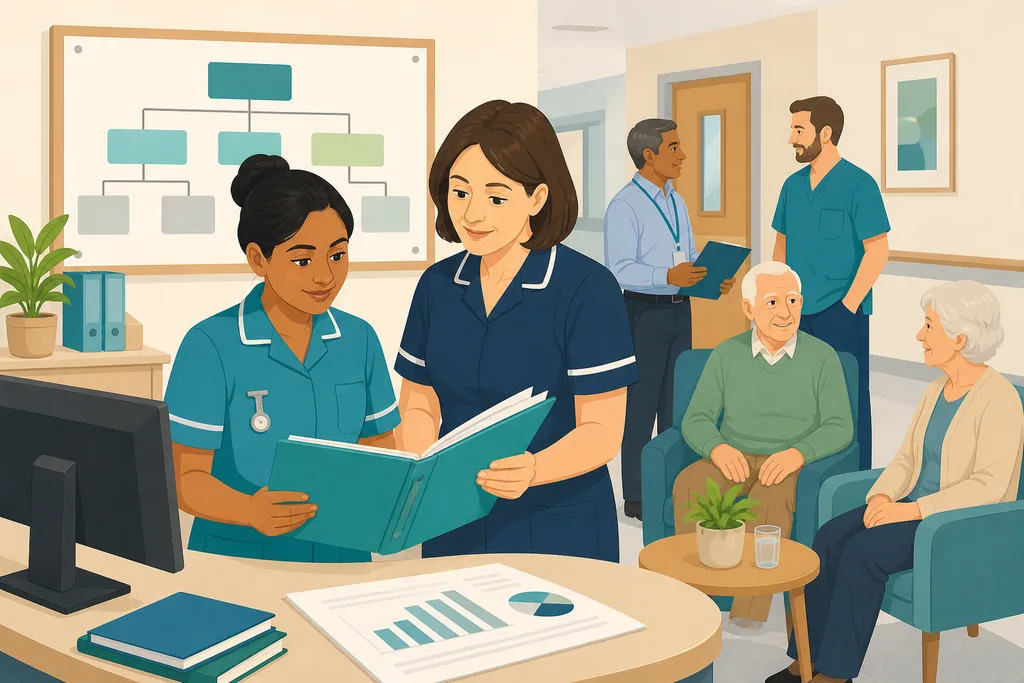
This module explains the framework through which our hospital continuously improves the quality of care and maintains high standards. You will learn how the systems you use every day, from incident reporting to clinical audit, fit together to keep patients safe. Clinical governance is everyone's responsibility, from the board to the bedside, and this training shows you how your role contributes to safe, effective care.
Six modules that make speaking up ordinary
Most staff know something is wrong long before they say it out loud, and often tell a friend on the shift before they tell anyone who can act. The gap is rarely courage. It is not knowing who to tell, what will happen next, and whether speaking up will come back on them in a small team where everyone knows everyone.
What the six modules cover
The six answer one question from different angles: what do you do when something is wrong?
- Whistleblowing: what counts as a concern, who to tell, the protection a worker has, and when to go outside the service.
- Duty of candour: being open and honest with a person and their family after something goes wrong.
- Complaints handling: what to do when the concern comes from a resident or a relative instead.
- Documentation and record keeping: writing it down so it still makes sense months later.
- Communication and professional behaviour: handovers, boundaries and the tone staff use with each other.
- Clinical governance: the frame above all of it, written for clinical services such as independent hospitals and clinics.
Each is a paid module, bought one licence at a time. None of the six belongs to the free CPD certified set, which covers the Care Certificate and nine annual courses.
How one module runs, from first lesson to certificate
A module is 6 short sections. Each teaches one point, puts it in a care scenario, then asks a question before the learner moves on.
Answer wrongly and the CareStream hub sends a short follow up lesson and a fresh question on the same point. The gap closes before the module can be finished. Every attempt stays on the record. Nothing is hidden.
At the end sits a 20 question assessment with a pass mark of 80 per cent. Most people take about 35 minutes in all.
Staff read and answer in more than 60 languages, while your records and certificates stay in English. The certificate is named and dated, and it lands on the training record as soon as they pass. You can open the whistleblowing module staff work through in the hub before you buy a single licence.

Figure: the conversation the training is meant to make easier, and the note that starts the record.
What the law expects of a speak up route
Having the route is the duty. The Care Quality Commission page for staff reporting a concern says every care provider must have a speak up procedure. It must be open to all staff, not filed in the office where only the senior team ever looks at it.
Protection comes from employment law, not from the regulator. A worker who reports a wrong in the public interest is a whistleblower. They should not be treated badly or lose their job for it, says the government guide to whistleblowing for employees.
The same page is blunt about the limits. The Commission has no power to stop an employer acting against a worker. If that worker later goes to a tribunal, the fact they spoke up may help a claim for unfair dismissal.
Training sits under Regulation 18 on staffing, training and supervision. Staff must get the support, training and supervision their job needs. What they finish has to be tracked as well.
Buy by the licence, and see what is available free first
Nothing here needs a plan or a card to look at. The costs below are the whole of it. No subscription follows.
What a licence covers and what it costs
One licence covers one member of staff for one module. That means every lesson, the assessment, the follow up lessons and the certificate.
It costs £25.99 plus VAT and lasts twelve months. There is no subscription behind it.
Buy now for the people who need it. Add others later. Seniors and team leaders are the usual starting point. They are the ones who receive a concern and decide what happens to it.
The free plan sits beside the paid modules and does not expire. It carries the Care Certificate and nine annual CPD certified courses for every member of staff, with certificates and no card needed.
Many services use the free set for induction, then buy conduct modules where a role needs them. Renewals and gaps across both sit in the training matrix that tracks renewals and gaps.
Who this collection is perfect for
This is for a registered manager or training lead with a speak up policy and no clean way to show staff were taught it. It fits a residential care home, a nursing home, a home care agency, a supported living service or a hospice.
It suits a service where concerns have been raised late, or raised to the wrong person. The fix has to be recorded, not announced at a meeting. It suits a new deputy building a conduct programme from nothing.
It also suits an owner of two or three homes who wants the same wording taught in every one. Staff read it in the language they think in. No classroom day takes half the rota out at once.
If you want the document rather than the training, start with the whistleblowing policy collection for care homes.
Why CareStream suits a small service better than the usual options
The usual options each do something well. A classroom day gives staff a person to ask and a room to argue in. A per learner library gives breadth for a yearly fee. Free online courses cost nothing and are quick to point people at.
The trouble is what each leaves behind. A classroom day leaves a sign in sheet. A yearly library has to be renewed whether you used it or not.
That is hard to justify in a service that trains eleven people a year. A free course often leaves no record you can show, and no way to tell who understood it.
Buying by the licence changes the sums for a small service. You pay for the people you train. The record is built as they go, and a wrong answer is taught rather than scored.
Set that against a day of cover for a classroom session. For a service with one rota and no training budget, the sums usually land differently.
The link between supervision records and training records shows how managers tie the two together.
Benefits of CareStream whistleblowing training for a care team
The benefit is not the lesson. It is the line of evidence under it.
Each module leaves a named, dated certificate, a score, and a note of every wrong answer with the follow up that closed it. It also leaves a renewal date nobody had to write in a diary.
The matrix shows the whole team at once. One screen. No folder hunt.
Staff meet the training in the language they think in. Managers meet it as a list they can hand over. Nobody has to promise an inspector that the team was told something at a meeting once.
Whistleblowing Training for Care Staff: Six Modules on Speaking Up FAQs
What is whistleblowing training?
It is short training that teaches staff what counts as a concern about care, who to tell first, what happens next and what protection the law gives a worker who speaks up in good faith. It is knowledge training. It does not replace your own speak up procedure, which names the people in your service.
Is whistleblowing training a legal requirement?
No single regulation names it. The Care Quality Commission states that all organisations providing care must have whistleblowing procedures and must make them available to employees, and Regulation 18 requires staff to get the training and support their role needs. Training is how most services meet both.
Who should do it?
Everyone on the payroll, including bank and agency staff, kitchen, laundry, maintenance and office teams. Concerns are often first noticed by people who are not giving hands on care. Managers and seniors need it too, because they are the ones who have to receive a concern well.
How long does the module take?
About 35 minutes. It is 6 short sections with a question after each one, then a 20 question assessment. Staff can stop and pick up where they left off on a phone, tablet or computer, so it fits around shifts.
What does it cost?
£25.99 plus VAT for one licence for one member of staff. There is no subscription to join. A licence lasts twelve months, which matches the yearly refresh most services run.
Is there a free option?
The whistleblowing module is paid. The Care Certificate and nine annual courses are free for every member of staff on the free plan, with certificates included and no card needed, so you can see how the hub works before you buy anything.
What is the pass mark?
80 per cent. A learner who answers a question wrongly is sent a short follow up lesson and a fresh question on the same point, so the gap is closed rather than guessed past. Every attempt is kept on the record.
Do staff get a certificate?
Yes. A named, dated certificate is issued as soon as they pass and is kept on their training record for you to download as a PDF. The certificate shows their score. It is not a government recognised qualification.
Will this make my service compliant?
No training can do that. The Care Quality Commission judges a service on what inspectors see, hear and read. What training gives you is evidence: who was taught, when, what they scored and when they are due again.
Can staff take it in another language?
Yes, in more than 60 languages. Staff read lessons and answer questions in the language they are most confident in, while your records and certificates stay in English for your evidence file.
What is the difference between whistleblowing and a complaint?
A concern raised by a worker about practice at the service is whistleblowing, also called speaking up. A complaint is raised by someone receiving care or by their representative. Different routes, different records, and the modules cover both.
Does the Care Quality Commission protect staff who raise concerns?
It states plainly that it has no power to protect a worker from action taken by their employer. It also says that if a worker later goes to an employment tribunal, the fact they told the Commission may help a claim for unfair dismissal.
How do we prove the training to an inspector?
Open the training record for the person being asked about. It shows the module, the status, the score and the renewal, and the certificate downloads as a PDF. The matrix shows the same thing across the whole team.
What happens when the licence runs out?
The certificate the staff member earned is theirs and stays on the record as evidence of what they completed. To refresh the module for another year, buy another licence for that person.
Can we buy for part of the team first?
Yes. Licences are bought per member of staff, so you can start with seniors and team leaders and add the rest later. Nothing commits you to a plan or a contract.
More on training
Guides and collections that go with this page, and the full libraries.
Policies are one part of it.
CareStream is the compliance system underneath: your policies, your staff training, your audits and your evidence, kept current and ready for the day somebody asks to see them.
- Policies written and kept updated for you
- Staff training that records itself against the standard
- Gap analysis showing what you are missing before an inspector does
- Everything in one place, for one price




