
Policy collection
Fire Safety Policy for a Care Service: Checked Free, Then Written for You
A fire officer asks for your fire safety policy and your fire risk assessment in the same visit. They are not the same document, and the fire safety policy care home inspectors expect to read is the one that names people. It says who the responsible person is, who checks the doors, who leads the move to a safe zone at night, and where each record is kept.
This collection groups six written documents for fire, evacuation and the premises duties behind them. Each is written from your answers, read by a person, and delivered within two working days.
Start with what you already hold. The free check reads your first 5 policies against the regulations that apply to your service. It names what is missing, what has been overtaken by a change in the law, and where two of your own documents disagree.
Fire is the risk where paper and practice have to match. Staff act on what they were told, not on a folder in the office.
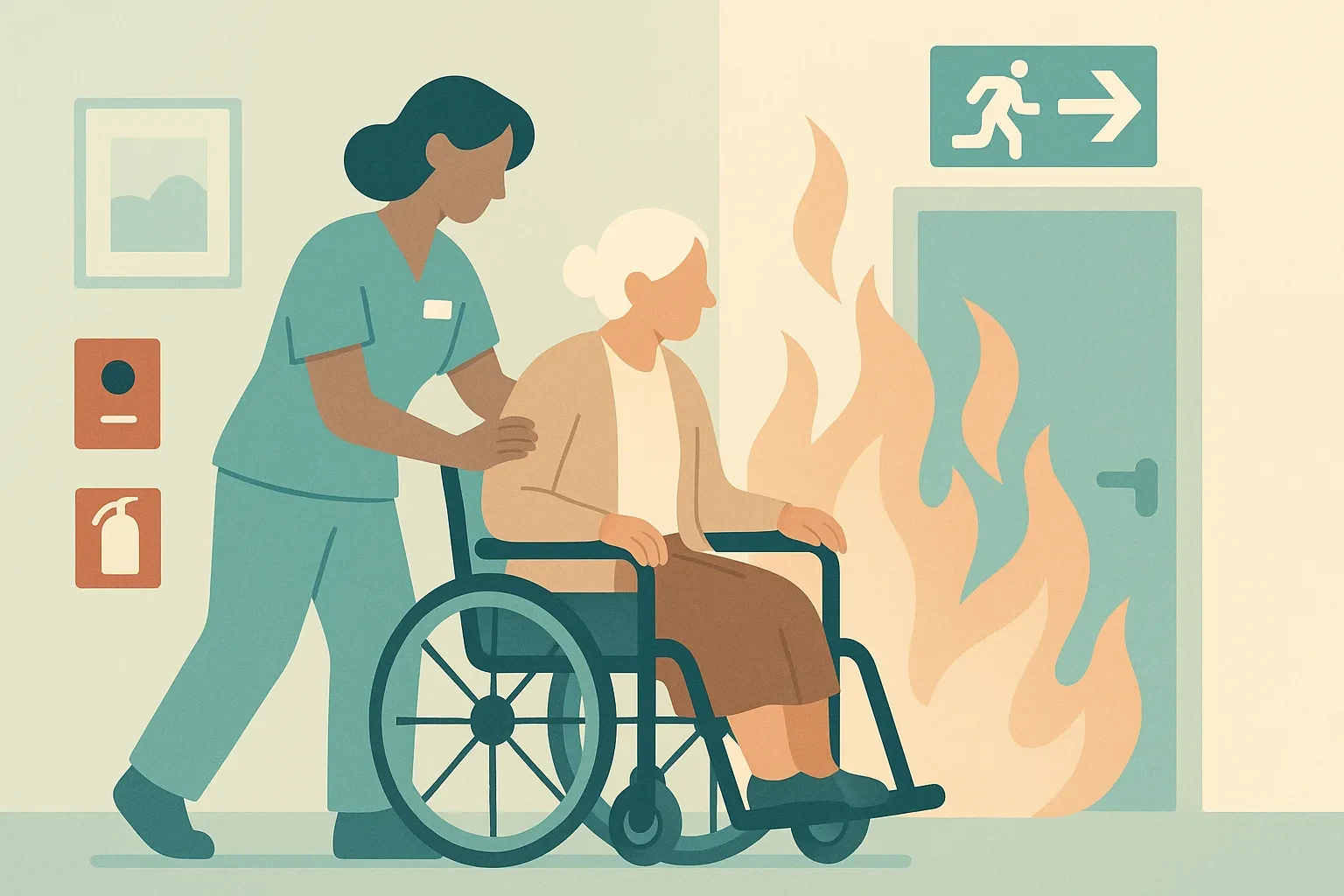
Prevention, detection, evacuation (including PEEPs) and staff responsibilities under the Fire Safety Order 2005.
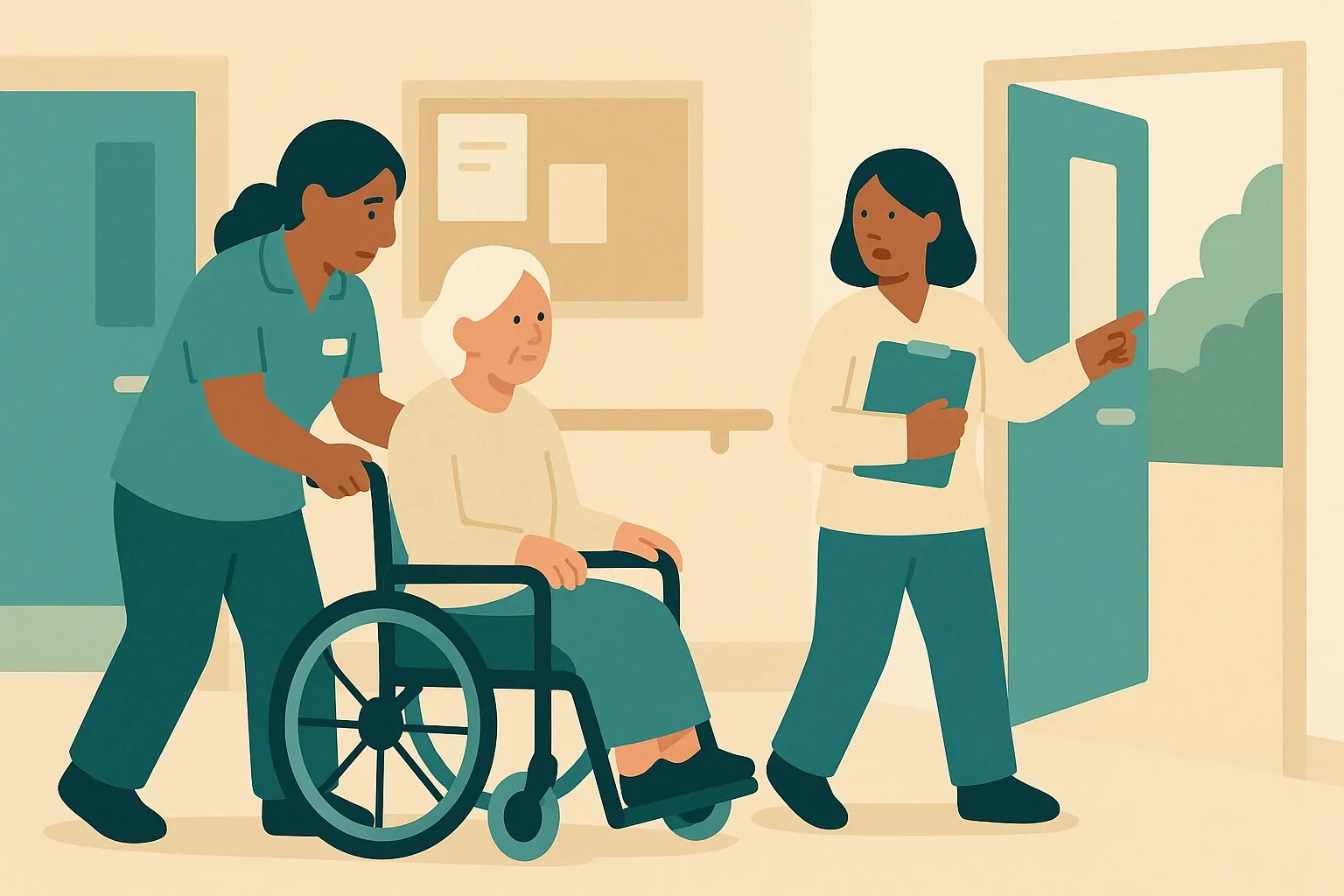
Whole-building and progressive-horizontal evacuation, PEEPs and assembly.
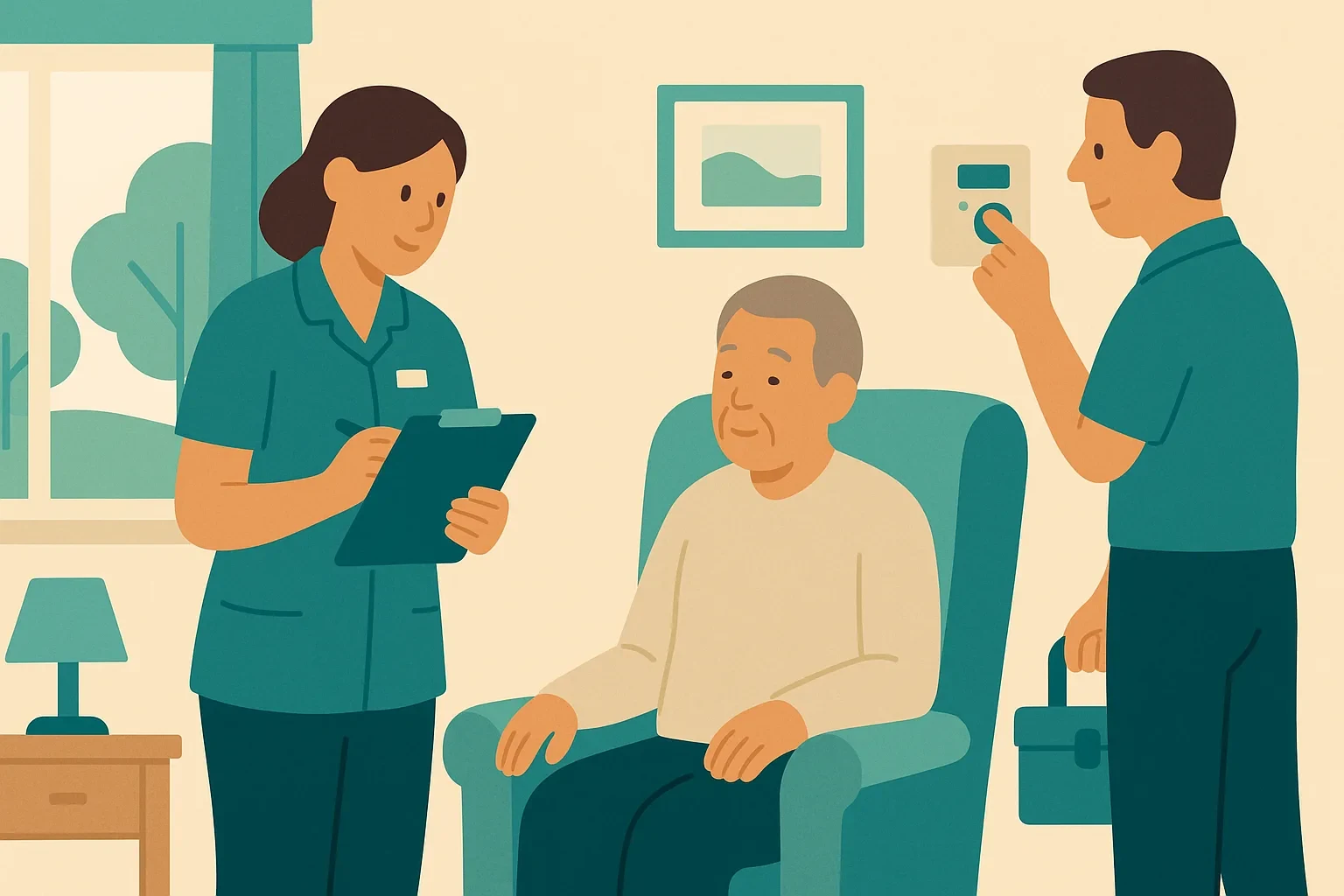
Keeping the premises safe, suitable and maintained under Regulation 15.
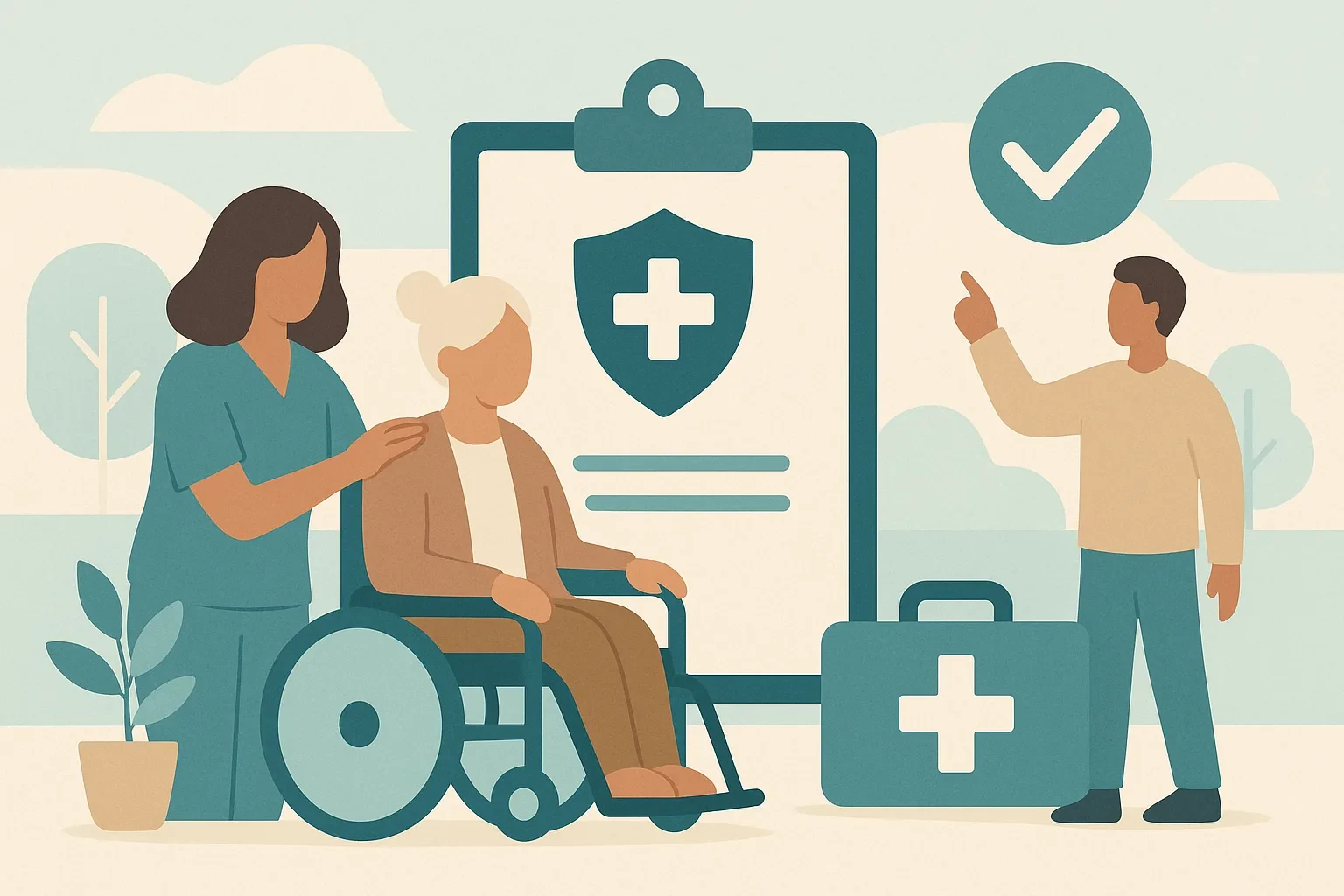
Your general statement, organisation and arrangements under the Health and Safety at Work etc. Act 1974.
Identifying, assessing, recording and reviewing risk across care and operations.
Keeping people safe through outages, staffing crises and emergencies, with your escalation contacts.
Check what you already hold, free, before you buy anything
Most services hold something called a fire policy. The question is whether it still matches the building, the people and the law.
What the free check reads, and what it hands back
You upload your first 5 documents. Each regulation that applies to you comes back as covered, partly covered or a gap.
The policy behind each one is named, so you can see what is carrying the weight.
The check also flags wording the law has moved past, and contradictions between your own documents. A fire policy that says the alarm is tested weekly, next to a maintenance policy that says monthly, is the kind of split an inspector finds quickly.
The free policy gap check for your first five documents needs no card. Paid plans add example wording for every gap and more than five policies, from £85 a month.
What the written fire document costs, and what arrives
The fire policy is £69, paid once. It is written from what you tell us: your registered name, your address, your manager and your named lead.
You receive it in your dashboard and as a print ready file on your own letterhead, with a sign off and version block. A companion document sets out the law it was written against. Delivery is within two working days of your answers.
The first year of updates is included, then £12 a year. You cannot edit it yourself. Changes go through us and are checked again, so the wording you hold is wording a person approved.
Tell us within fourteen days if it is not right for your service and we refund it in full. The written fire policy for your own service shows the full price and the law it meets.
What belongs in the policy, and what belongs in the risk assessment
Managers often hold one of these and assume it covers the other. They answer different questions, and the fire officer asks for both.
Why these are two separate documents
The Regulatory Reform (Fire Safety) Order 2005 puts the duty on the responsible person. That person must make a suitable and sufficient assessment of the fire risks people are exposed to.
The assessment looks at the building: the cooker, the emollient creams, the door held open with a bin. It has to be reviewed regularly, and again if there is reason to think it is out of date or the premises have changed.
The findings and the measures taken must be recorded. The policy is the other half of the pair. It sets out who does what, how often, and where the record lives.
One is a survey of a building. The other is a standing instruction to a staff team.
Who the responsible person is, and what they have to show
In a workplace the responsible person is the employer, where the building is under their control. Where that does not apply, it is whoever has control of the premises, or the owner.
In a care home that is usually the provider, with the registered manager holding it day to day. Put both in the policy, by role and by name, so staff know who to go to.
The fire and rescue authority for your area enforces fire law in most buildings.
The Care Quality Commission looks at the same place for another reason. Regulation 15 asks that premises and equipment are safe, suitable and properly maintained.
A fire door wedged open is evidence for both of them.
Training, drills and the night shift
Article 15 of the Fire Safety Order asks for set procedures, including safety drills, for serious and imminent danger.
It also asks you to name enough trained people to get everyone out.
At night that is a handful of staff and a building full of people who cannot leave unaided. Nights are the test. Write that arrangement down as its own section, because it is the one an inspector probes hardest.
Training is a separate duty. Staff must be given adequate safety training when first employed and when the risks change, repeated where appropriate, in working hours.
Our fire safety course for care staff runs about 35 minutes and costs £25.99 plus VAT for each person. It is not one of the free certified courses. Whatever you use, the training record is what proves it happened.
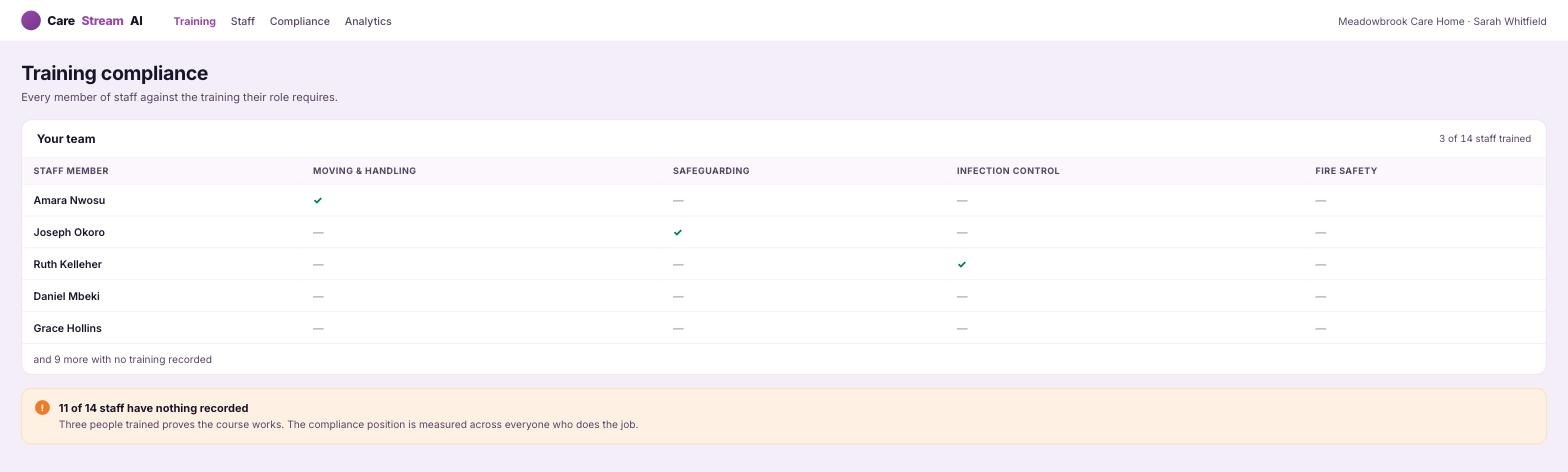
Figure: the training view, where a fire column with no completions shows up at a glance.
The five documents that sit around it
The fire policy leans on five others. Each is sold on its own, and each is written for your service.
- Evacuation, £49: whole building and progressive horizontal evacuation, personal emergency evacuation plans and the assembly point.
- Premises and maintenance, £59: keeping the building safe, suitable and maintained.
- Health and safety, £79: your general statement, your organisation and your arrangements.
- Risk management, £59: how risk is identified, assessed, recorded and reviewed.
- Business continuity, £59: keeping people safe through outages and emergencies, with your escalation contacts.
A plan for one person who cannot leave unaided belongs in the evacuation policy written for your service. It says what help that person needs, who gives it and where they go.
Who this suits, and how it sits beside the other ways to get one
Who gets the most from this set
It suits a residential or nursing home where the manager is the person the fire officer asks for. It suits a service that has extended the building, changed a layout, or admitted people with less mobility since the file was last touched.
It suits a new registration with nothing on paper yet. Supported living with communal areas, and hospices, sit in much the same place. Buildings change. Files often do not.
Home care is different.
The Home Office fire safety risk assessment guide for residential care premises is written for buildings with staff on site at all hours. It covers homes where people could not get out unaided.
An agency still has duties for its own office, and we suggest it records the fire risks it sees in people's homes.
Why a service might choose us over a pack or a consultant
There are four usual routes. A pack of templates is quick, and the wording is written for nobody in particular. A consultant brings judgement and local knowledge, at a day rate.
A large library brings volume, most of which will not apply to you. Writing it yourself costs nothing but the time you do not have.
CareStream sits between those. Every document is written from your answers, so it names your people and your building. A person reads it before it carries your name.
None of the other routes is wrong. You pay for the one document you are missing rather than a library, and we do not promise an inspection outcome or call a policy compliant.
Benefits of CareStream for your fire safety policy
- The free check reads your first 5 documents against the regulations and names the gaps.
- A written fire policy is £69, delivered within two working days of your answers.
- It names your responsible person and your lead, so staff know who to ask.
- The first year of updates is included, then £12 a year.
- Tell us within fourteen days if it is wrong for your service and we refund it in full.
Start with the documents you would be asked for first
Create a free CareStream account and upload the first five documents an inspector would ask you for. Put the fire wording in that five. It costs nothing to find out.
If you want the wider picture rather than one document, read our collection on fire safety across a care home. It covers the whole family of six.
To log your next drill, the fire drill record form in the audit library is free to run with your team. It keeps the signatures with the result.
Fire Safety Policy for a Care Service: Checked Free, Then Written for You FAQs
What is a fire safety policy in a care home?
It is the standing instruction your staff work to. It names the responsible person, says who checks doors, alarms and escape routes, sets out what happens when the alarm sounds at night, and says where each record is kept. It is written for one building and one staff team, not for care homes in general.
Is a fire safety policy the same as a fire risk assessment?
No. The risk assessment is a survey of the hazards in your building and the precautions you need as a result. The policy is the arrangement that follows it: who does what, how often, and where it is recorded. The Regulatory Reform (Fire Safety) Order 2005 requires the assessment. You need both, and an inspector will usually ask for both.
Who is the responsible person for fire safety in a care service?
In a workplace it is the employer, where the workplace is under their control. Where that does not apply it is the person who has control of the premises, or the owner. In a care home it is normally the provider, with the registered manager carrying the duty day to day. Name them in the policy, by role and by name.
What should a fire safety policy include?
Who the responsible person is, how the fire risk assessment is kept current, how doors, alarms, lighting and equipment are checked and by whom, what staff do when the alarm sounds, how people who cannot leave unaided are moved, how drills and training are run and recorded, and who you tell afterwards. It should match the building you actually occupy.
Does the Care Quality Commission inspect fire safety?
Not as a fire authority. It looks at the same building under the Health and Social Care Act 2008 (Regulated Activities) Regulations 2014, where regulation 15 asks that premises and equipment are safe, suitable and properly maintained. Governance sits under regulation 17. A wedged fire door is evidence for the inspector and for the fire officer alike.
Who enforces fire safety law in England?
For most premises it is the fire and rescue authority for the area, under article 25 of the Fire Safety Order. It can visit, ask for your fire risk assessment and the arrangements that follow from it, and take enforcement action. It is a separate body from the Care Quality Commission, with separate powers.
How often must a fire risk assessment be reviewed?
The Fire Safety Order says it must be reviewed regularly so that it stays up to date, and particularly if there is reason to suspect it is no longer valid, or there has been a significant change. A new extension, a change of layout or a resident whose mobility has changed are all reasons to review it. No fixed interval is set in law.
Does the fire risk assessment have to be written down?
Yes. As soon as practicable after the assessment is made or reviewed, the responsible person must make a record of it. The record has to include the findings and the measures that have been or will be taken. Keeping it on paper in the office is fine, as long as the people who need it can find it.
How often should a care home hold a fire drill?
The Fire Safety Order requires procedures, including safety drills, but sets no interval. We suggest you decide a frequency that covers every shift pattern over the course of a year, including nights, and that you record who took part and what went wrong. A drill nobody recorded is hard to evidence later.
What is a personal emergency evacuation plan?
It is a plan for one person who could not leave the building unaided. It sets out what help they need, who gives it, what equipment is used and where they go. In a care service most residents need one. The evacuation policy sets out how they are written, reviewed and used.
Do care staff have to have fire safety training?
Yes. Employees must be given adequate safety training when they are first employed, and again when the risks they face change. It has to be repeated where appropriate and given during working hours. Training also has to match the precautions your risk assessment identified, which is why generic training alone is rarely enough.
Is the fire safety course free?
No. Fire safety is one of the paid annual modules, at £25.99 plus VAT for each member of staff, and it takes about 35 minutes. The ten CPD certified courses are the free ones. Certificates are issued either way and the training record shows who has finished.
What does a written fire safety policy cost?
£69 as a one off, written from your answers and delivered within two working days. The first year of updates is included, then £12 a year. The other fire documents are priced from £49 to £79 each, and every price is shown before you buy.
What is checked before a written policy is sent to me?
It is written one section at a time against the law that applies, then checked against every required element, then read by a person before it carries your name. You receive it in your dashboard and as a print ready file on your own letterhead, with a sign off and version block.
What if the policy is not right for my service?
Tell us within fourteen days and we refund it in full. If something needs changing rather than refunding, the change goes through us and the document is checked again, because we stand behind the wording we approve. You cannot edit a delivered policy yourself.
More on care policies
Guides and collections that go with this page, and the full libraries.
Policies are one part of it.
CareStream is the compliance system underneath: your policies, your staff training, your audits and your evidence, kept current and ready for the day somebody asks to see them.
- Policies written and kept updated for you
- Staff training that records itself against the standard
- Gap analysis showing what you are missing before an inspector does
- Everything in one place, for one price




