What nursing home policies does a service need?
Every clinical task your staff carry out needs a written policy, plus governance that ties them together. Most services start with medicines, controlled drugs, infection control and clinical governance. Next come physical care policies such as wound care, pressure ulcers, continence, nutrition and falls, then the legal areas of consent, capacity and restrictive practice.
This pack covers all of that in 39 policies. They line up with the regulations on safe care and treatment, consent and good governance. Your registered manager decides which policies apply to your service, and you can adjust each one once it arrives.
What should a medicines management policy cover?
It should set out how medicines are ordered, stored, given, recorded and disposed of, and what happens when something goes wrong. It should also say who may give medicines, how errors are reported and how covert administration decisions are made. Some services call this their care home medication policy. It is the same ground.
In this pack it sits beside the controlled drugs policy, the STOMP policy on psychotropic medicines and the nursing procedures and delegation policy. Read together, they give staff one clear picture instead of several documents that disagree.
How do infection control and outbreak policies fit together?
An infection control policy covers daily practice: hand hygiene, protective equipment, cleaning, laundry, waste and sharps. It only works alongside a plan for when infection spreads.
The pack pairs it with an outbreak management policy covering isolation, reporting, visiting and staffing. Each is written for the type of service you run, whether that is a residential home, a nursing home or a home care agency, so staff see steps that match their own building and routines.
Which policies cover capacity, consent and restrictive practice?
A mental capacity act policy explains how staff assess capacity, make best interests decisions and apply the Deprivation of Liberty Safeguards. It works alongside the consent policy and the restraint policy. A positive behaviour support policy then shows how staff respond to distress without relying on force.
The pack also includes policies on reducing restrictive practice, the Mental Health Act and positive risk taking. Together they help staff protect people's rights while supporting them to live the life they choose.
Which policies cover wounds, swallowing and end of life care?
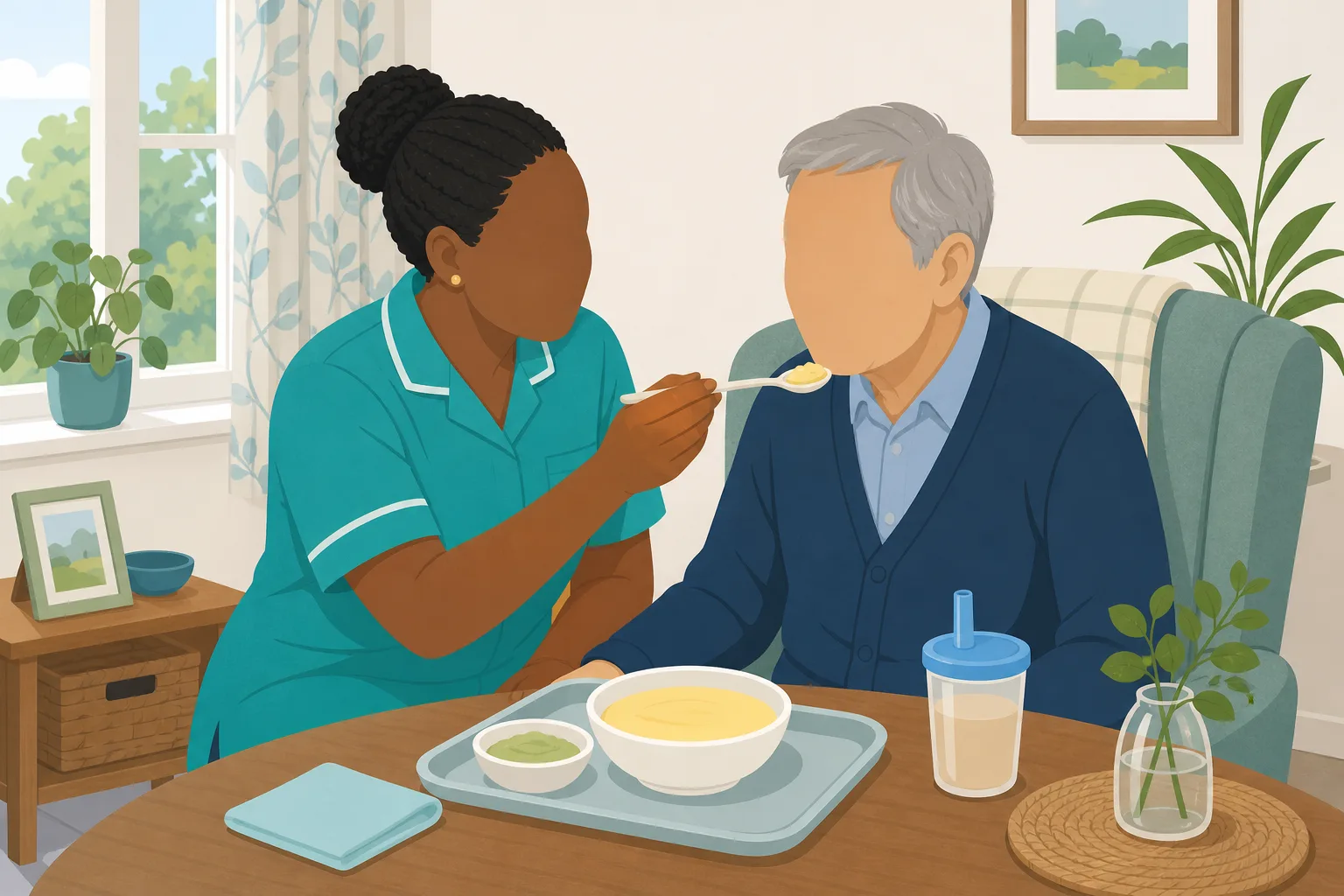
Physical care needs its own policies, such as a wound care policy, a dysphagia policy, a palliative care policy and a DNACPR policy. They cover how skin is checked and damage escalated, how choking risks and modified diets are managed, and how end of life wishes and resuscitation decisions are recorded. Diabetes, continence, oral health and falls policies sit alongside them.
A clinical governance policy then sets how you audit and review all of it. That gives you the nursing home policies and procedures an inspector will want to see.