What should a care home admission policy include?
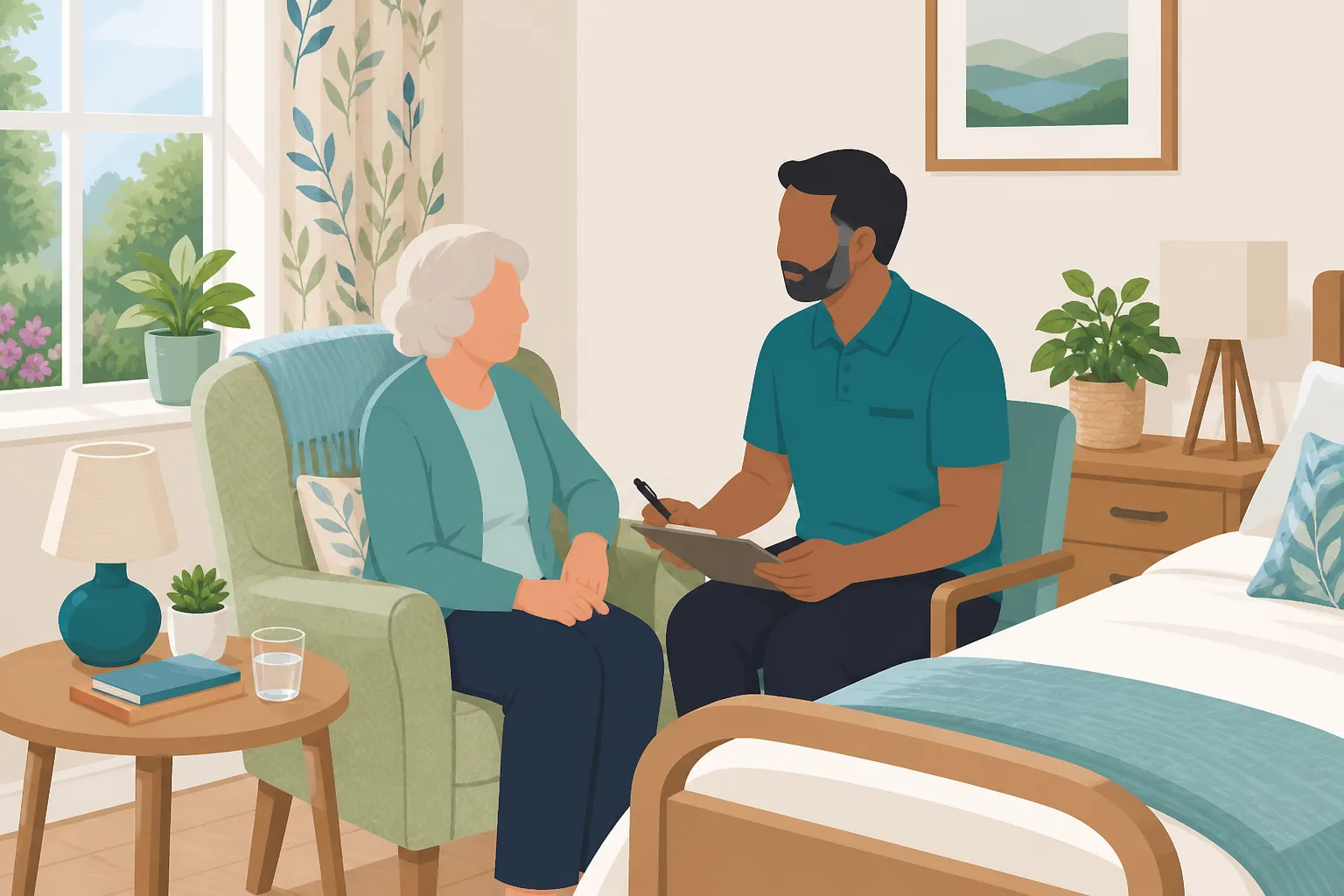
A care home admission policy starts with the assessment. Before anyone moves in, it should say who assesses needs and preferences, how you consider whether the person can agree to the move, and what you do when a hospital needs a bed found in a hurry. Regulation 9 requires care to be based on that assessment.
It should also cover planned transfers and discharge, so families know what to expect when needs change. The admissions, transfer and discharge policy in this pack is written around your service, whether you offer nursing, dementia or residential care. It sits beside the contract and fees policy, so the manager and the paperwork give families the same answer.
What should a complaints procedure say?
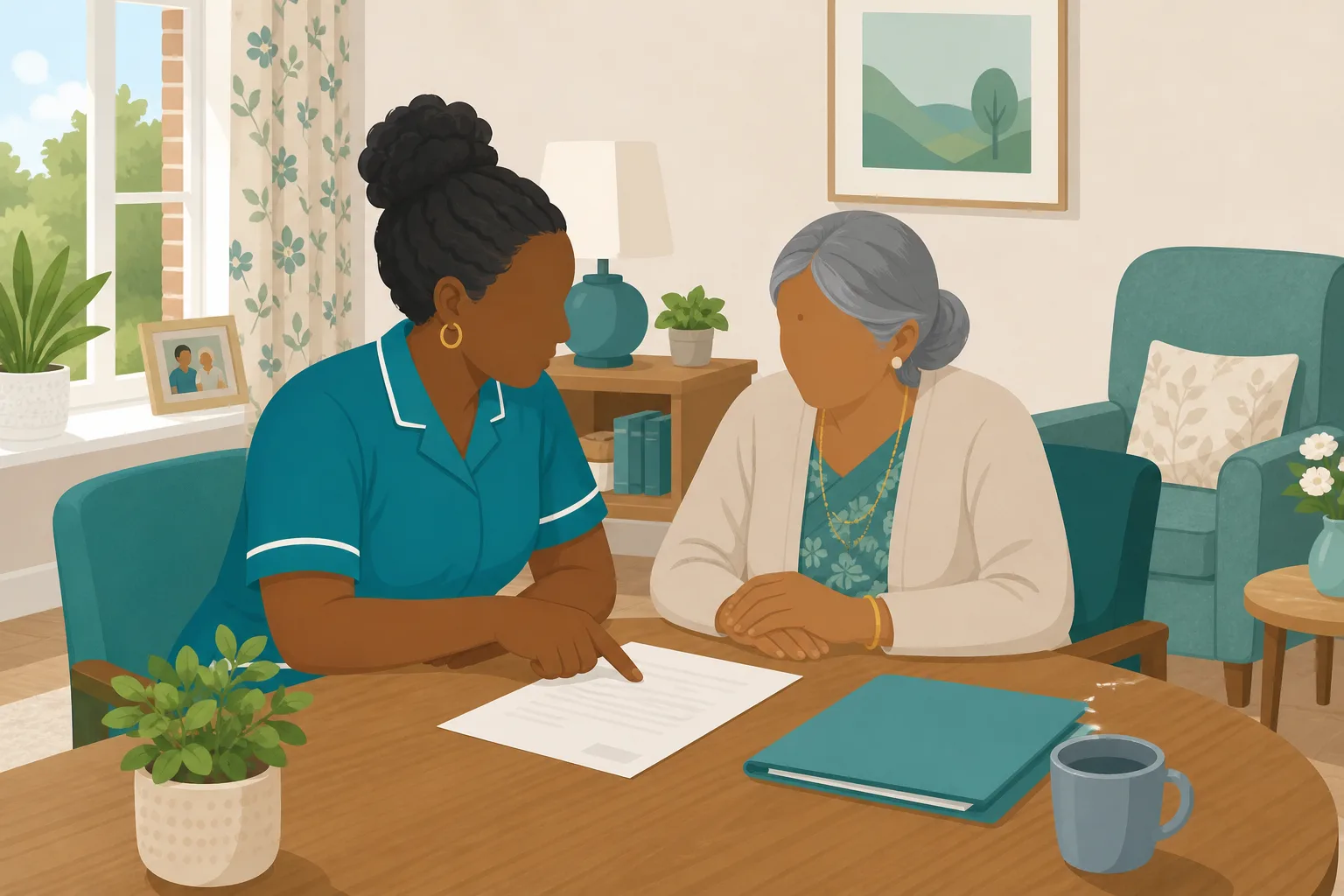
It should say how to complain, who receives the complaint, how soon the person gets a reply and where to go if they are still unhappy. Regulation 16 of the Health and Social Care Act 2008 (Regulated Activities) Regulations 2014 requires an effective system for handling complaints.
The care home complaints policy in this pack covers receiving, investigating and learning from complaints. It also points people to the Local Government and Social Care Ombudsman. Residents and families should find it without asking and read it without help. A residential care home complaints procedure that sits in a drawer does not do its job.
Do nursing homes need a different complaints policy?
The duty is the same for every registered service, but the detail differs. Anyone looking for a nursing homes complaints procedure is usually asking about the clinical side: nurses, GPs and hospital teams. Your complaints policy in a care home with nursing should say who investigates a clinical concern and how the findings are shared.
Because each policy is written from your answers, it reflects the care you actually provide. It also links to your communication and confidentiality policies, so a complaint is handled openly but privately.
What should a care home visiting policy say?
It should support people to see those who matter to them. Regulation 9A covers visiting and accompanying people. Any restriction must be proportionate, time limited and based on the person's consent or best interests.
The visiting policy in this pack sets out how visits and trips out are supported and which precautions are reasonable. Policies such as a nursing home visiting policy also need to say what happens at the end of life, so families know where they stand before a difficult day arrives.
Which policies protect dignity, privacy and confidentiality?
Regulation 10 sets out dignity and respect. The dignity in care policy here describes how staff protect privacy, choice and independence day to day. The confidentiality policy explains when information stays private and when sharing is right.
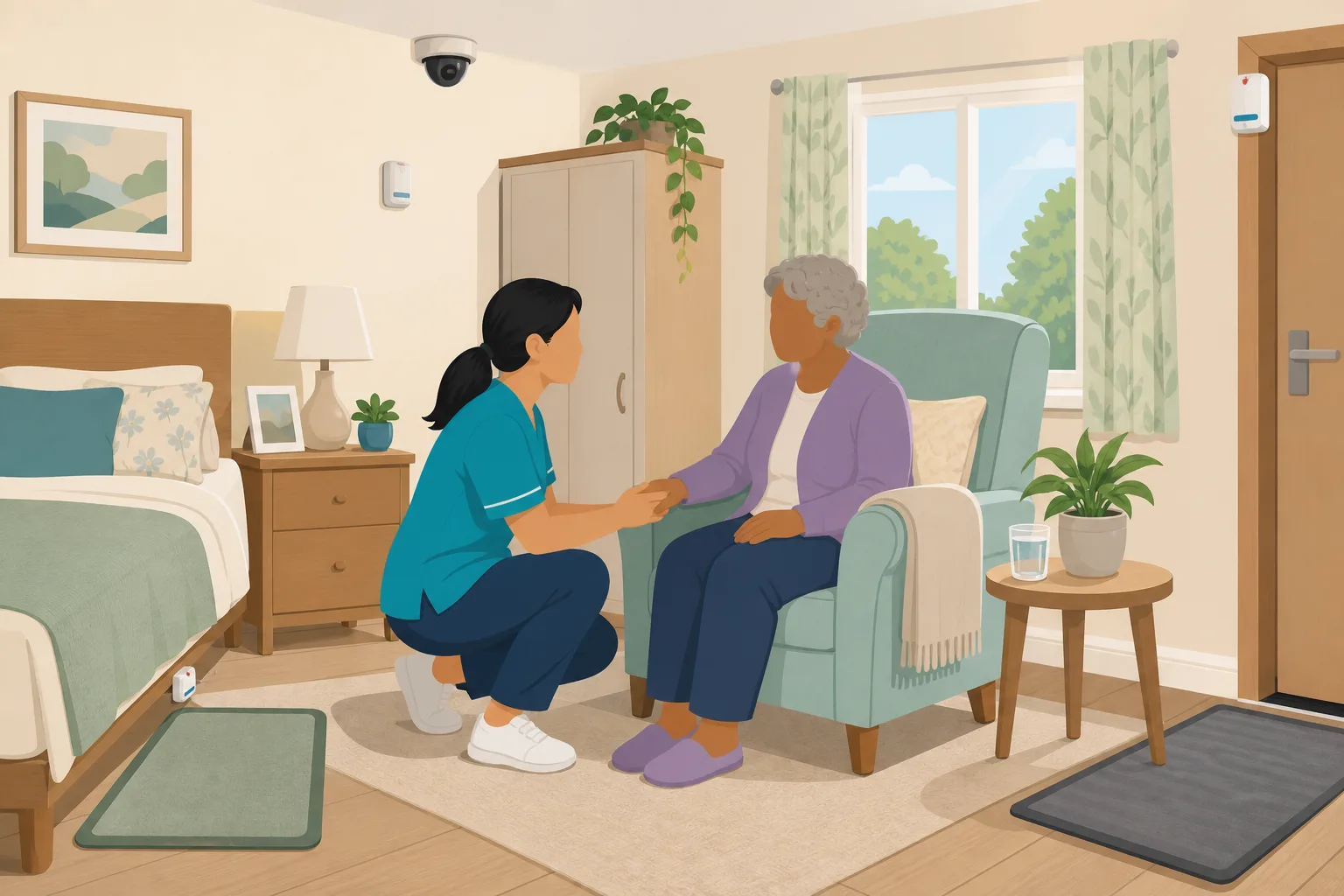
The pack also covers newer questions: phones and photography, sexuality and relationships, and cameras, sensor mats and door alarms. A care home confidentiality policy and a care home cctv policy sit side by side here, so staff give the same clear answer every time.