What policies and procedures does a hospice need?
A hospice needs more than the usual care home set. Alongside safeguarding and medicines, inspectors expect written guidance on the risks that belong to palliative care. This pack covers 18 of them, so your hospice policies and procedures sit in one consistent set.
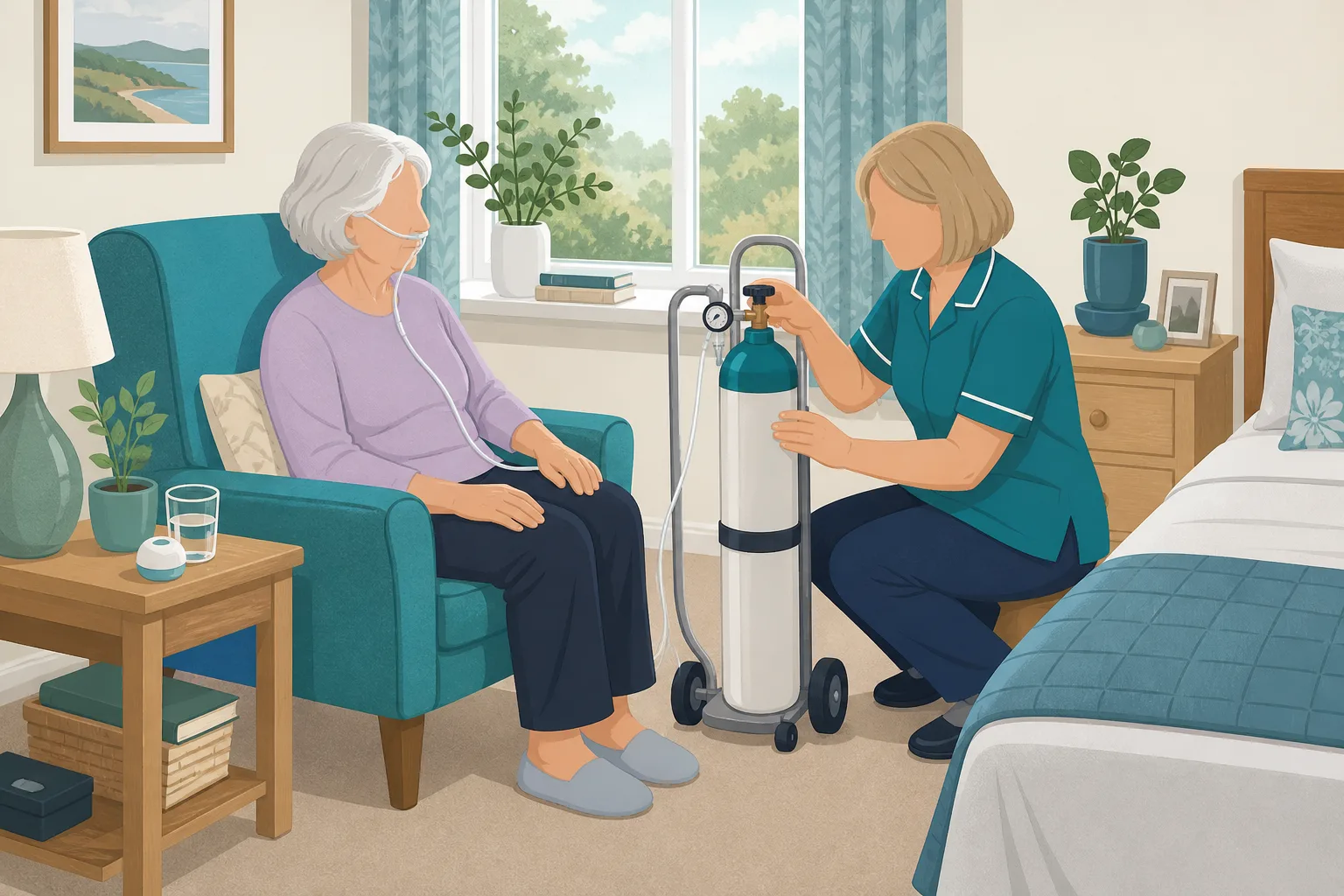
The list runs from care after death verification and bereavement support to oxygen and medical gases, sharps and clinical waste, and the use of volunteers. Each policy says who does what, what to record and when to escalate, using your own roles and tools.
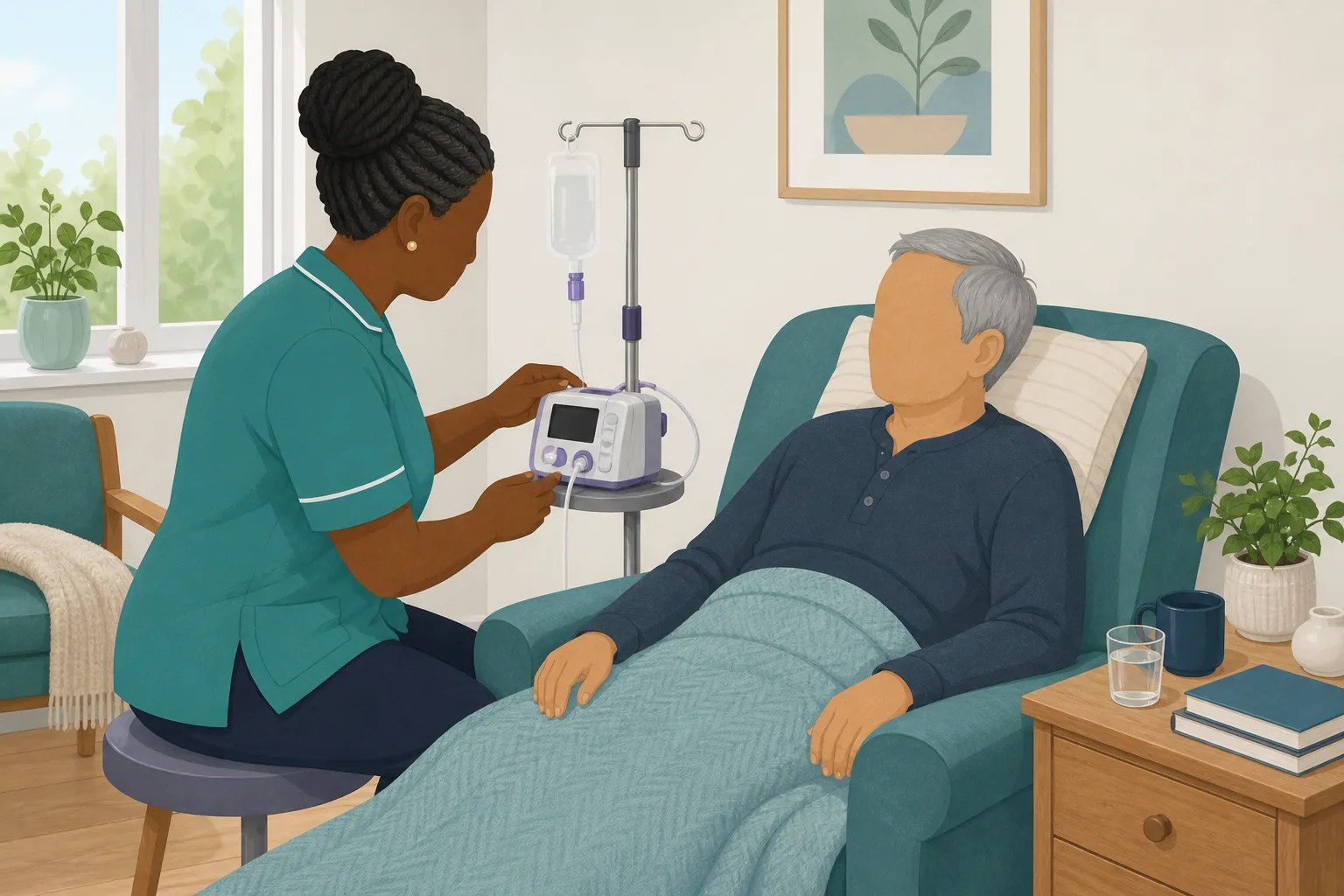
What should a syringe driver policy cover?
It should say who may prescribe, prepare, set up and check a driver, and how often it is checked. Ours also covers anticipatory medicines: how they are authorised, stored and given when symptoms change out of hours.
It covers records, controlled drug handling, what to do if a driver alarms or stops, and how staff are signed off as competent. It is written around the equipment and prescribers you actually use, and a person reads it before it carries your name.
Palliative care policies and procedures
Palliative care policies should guide staff through the whole journey. The end of life care policy sets the approach. The care of the dying policy covers recognising dying, comfort, hydration and family involvement. The resuscitation policy covers DNACPR decisions and how they are respected.
Policies for end of life care like these make sure a person's wishes are recorded, reviewed and followed. They sit beside bereavement support and care after death, so nothing is left to memory on a hard night.
Tracheostomy, ventilation and feeding tube care
Hospices and specialist nursing services increasingly support people with complex needs. A tracheostomy policy and procedure explains routine care, emergency steps, suction, equipment checks and who is trained. The long term ventilation policy covers alarms, back up power and escalation.
The enteral feeding and epilepsy policies follow the same pattern, with clear steps, records and competence sign off. Writing them before you start the care means staff are trained first, rather than learning from an incident.
Is a policy pack better than a policy manual?
A hospice policy and procedure manual is often one long document that nobody opens. A hospice policy pack gives you a separate policy for each topic, short enough to read and easy to review when something changes.
Each one is written from your answers, so it reflects how your hospice runs, not a template with the name swapped. You buy all 18 at one fixed price, saving 65% against buying them one by one, and you review them on your own schedule.