What policies does a supported living service need?
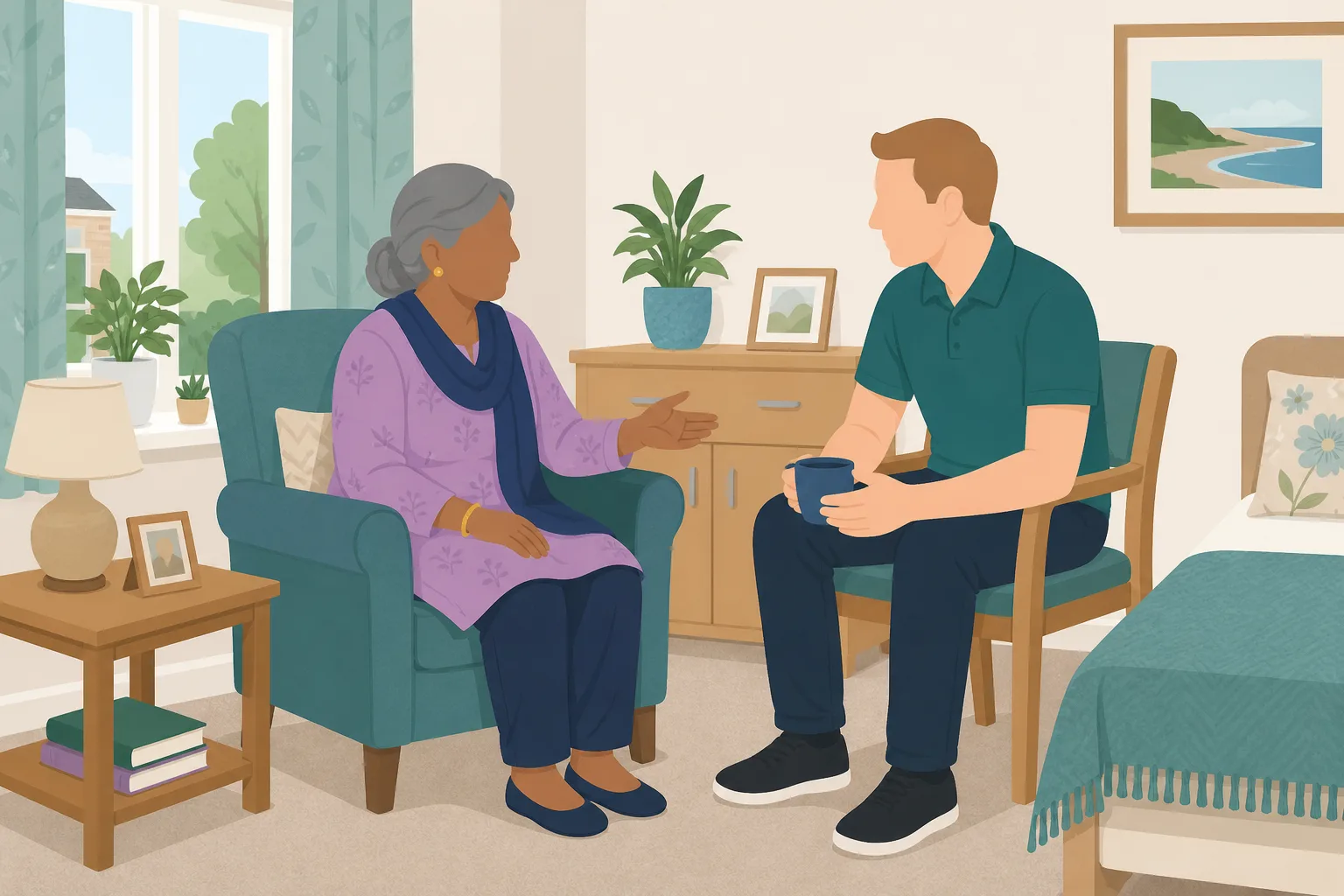
People in supported living are tenants as well as people who receive care, and your policies have to respect both. This pack has fifteen. The core group covers learning disability and autism, positive behaviour support, reducing restrictive practice, STOMP and Oliver McGowan training. Around that sit health action plans, advocacy, relationships, hate crime, tenancy, property and money.
The result is one consistent set of supported living policies and procedures, written for your service, instead of documents collected from different places and different years.
What should a positive behaviour support policy cover?
A positive behaviour support policy explains how staff understand why a person behaves as they do, and how they respond without force. Here it works alongside your restrictive practice policy, which sets out how you reduce restraint, seclusion and other limits on freedom, and your STOMP policy on reviewing psychotropic medicines.
Together they show how restrictions stay minimal, how incidents are reviewed and how people and families are involved. Each is written from your answers, so it describes how your team really works.
Policies and procedures for supported living: tenancy, money and property
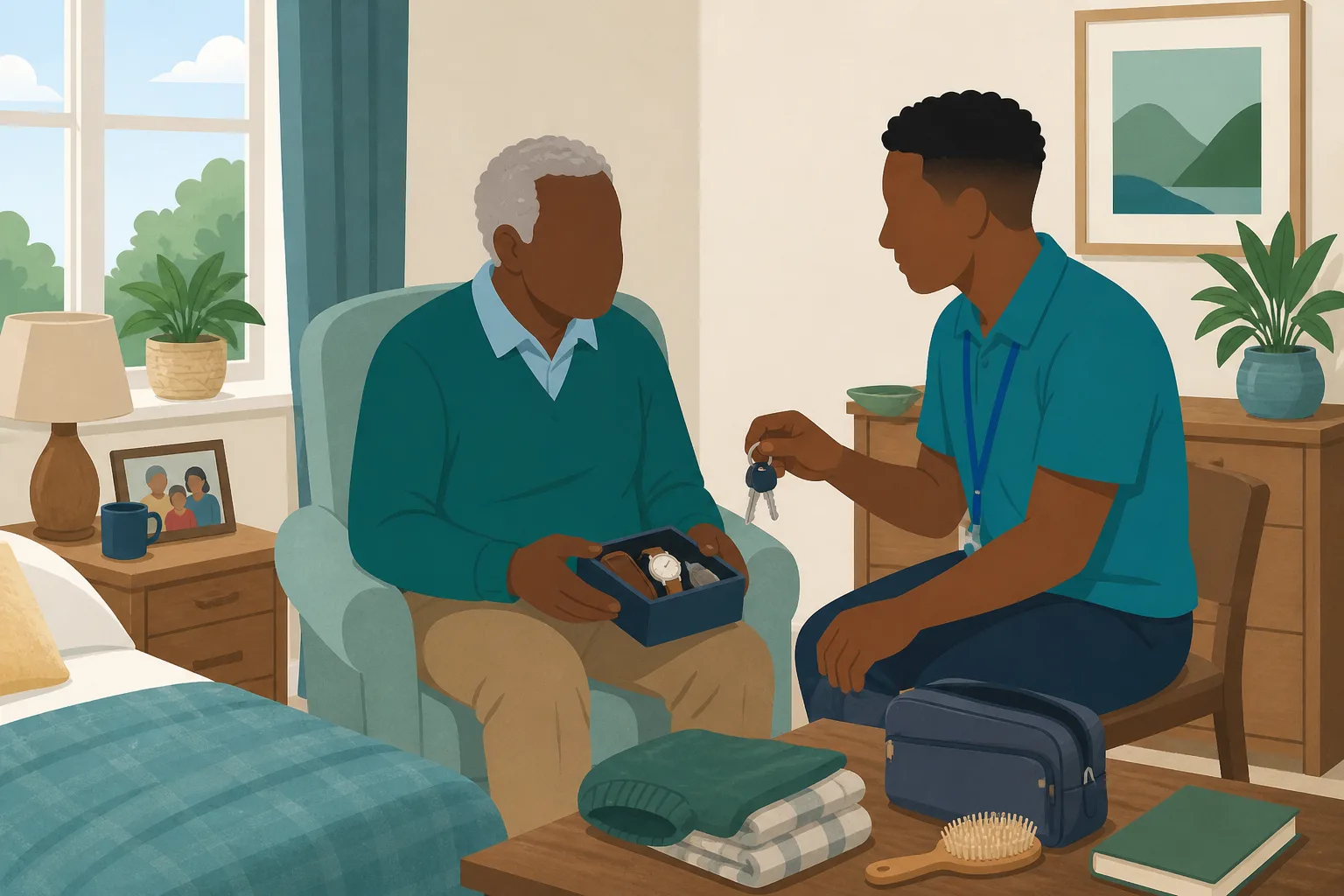
Three policies deal with the tenancy side. One separates housing from care. One covers belongings and keys. One covers money and valuables. They set out who holds what, who can enter a person's home and how spending is recorded and checked.
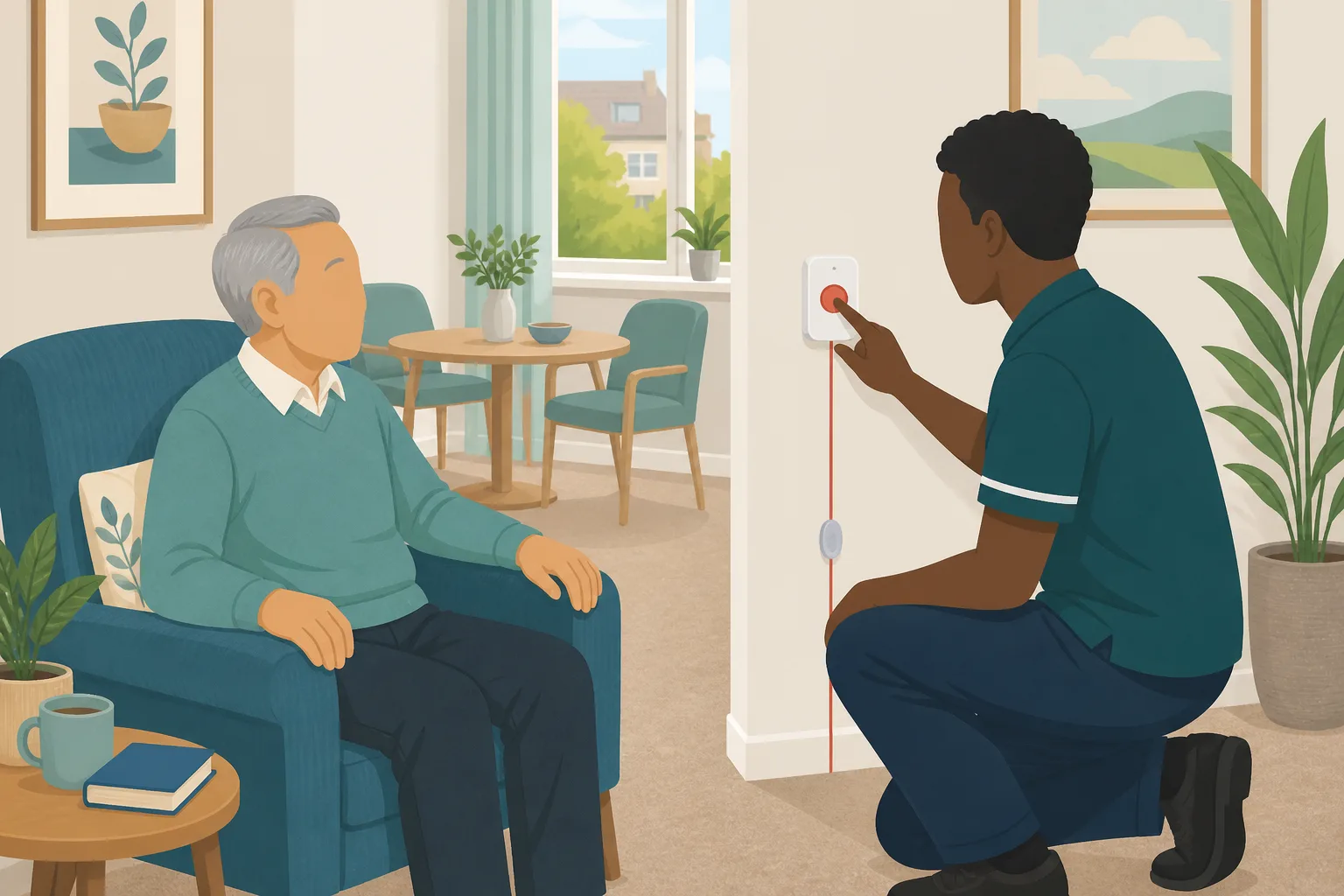
These are the policies that often go missing from a care only set, and they matter most when a person's independence is at stake. Extra care schemes also get a communal areas and call system policy.
Learning disability policies and procedures: choice and risk
Good policies make room for choice. The pack includes a positive risk taking policy, so staff know how to support someone to do something with some risk attached, and how that decision is recorded and reviewed. It also covers independent advocacy, relationships and sexual safety, and health action plans with annual health checks.
Hate crime, mate crime and cuckooing are included too, because people with a learning disability can be targeted by those who pose as friends. The aim is policies that protect people without taking away their say.
Shared Lives and a supported living policy pack in one order
The Shared Lives policies cover approval, matching and household review, so a scheme can show how it chooses and checks its carers. Extra care is covered by the communal areas and call system policy.
If you run learning disability and autism services as well, one supported living policy pack brings everything together at a fixed price. Every policy is personalised from short questions about your service, and a person on your team reads each one before it carries your name.