Which policies does a nursing home need for resident safety?
Start with falls, skin, swallowing and acute illness, because these risks cause the most harm. Regulation 12 expects safe care and treatment, which means risks are assessed and staff know what to do.
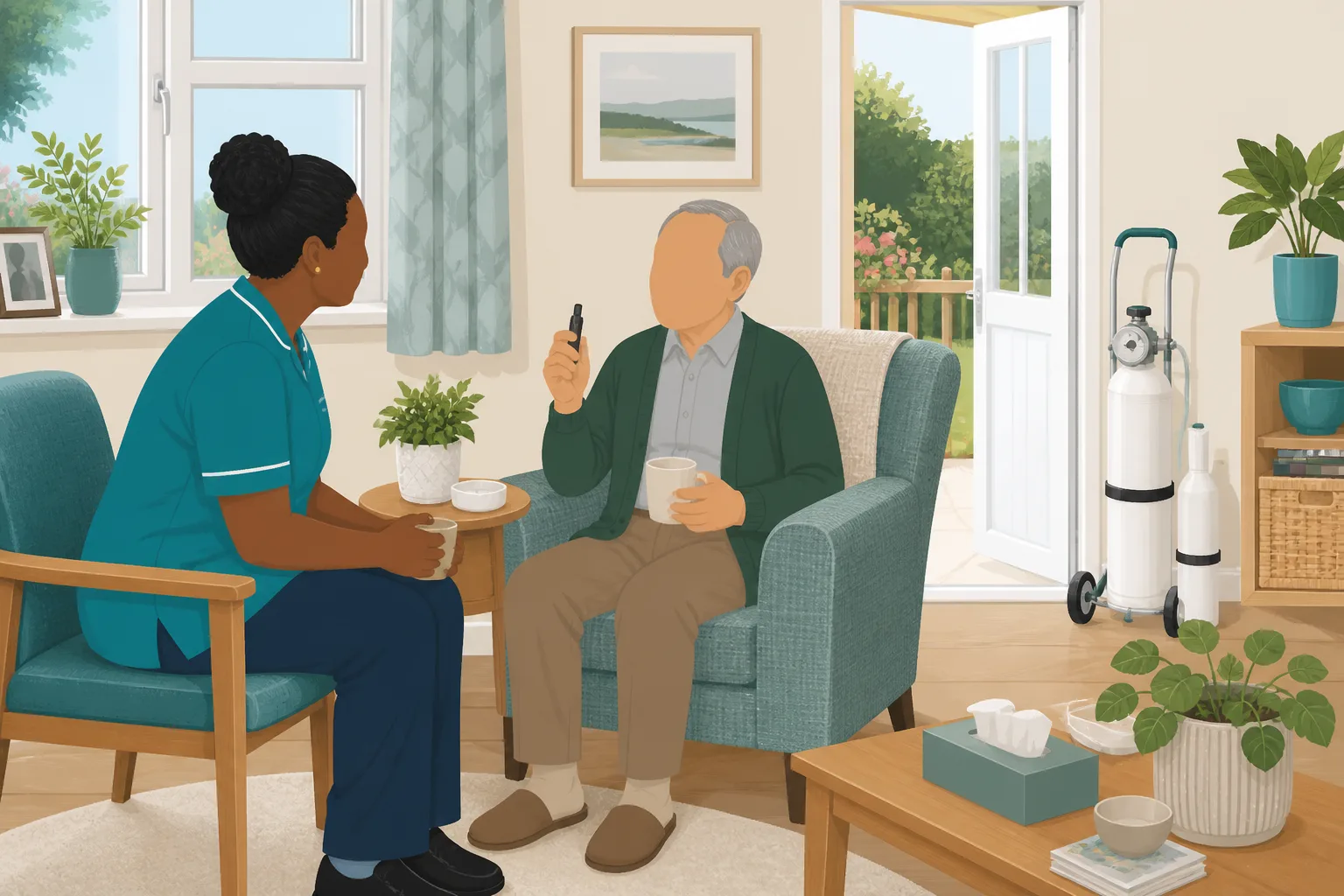
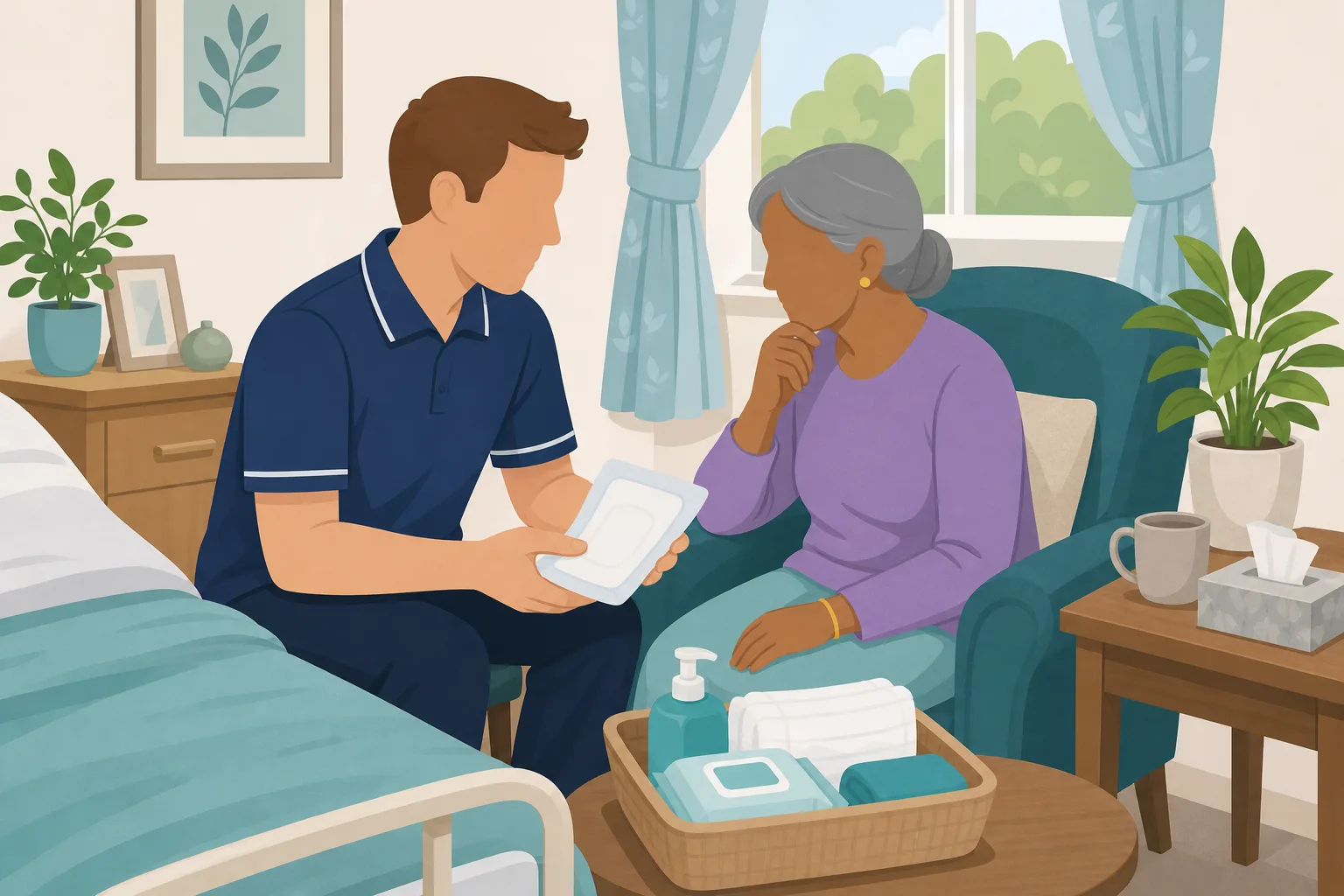
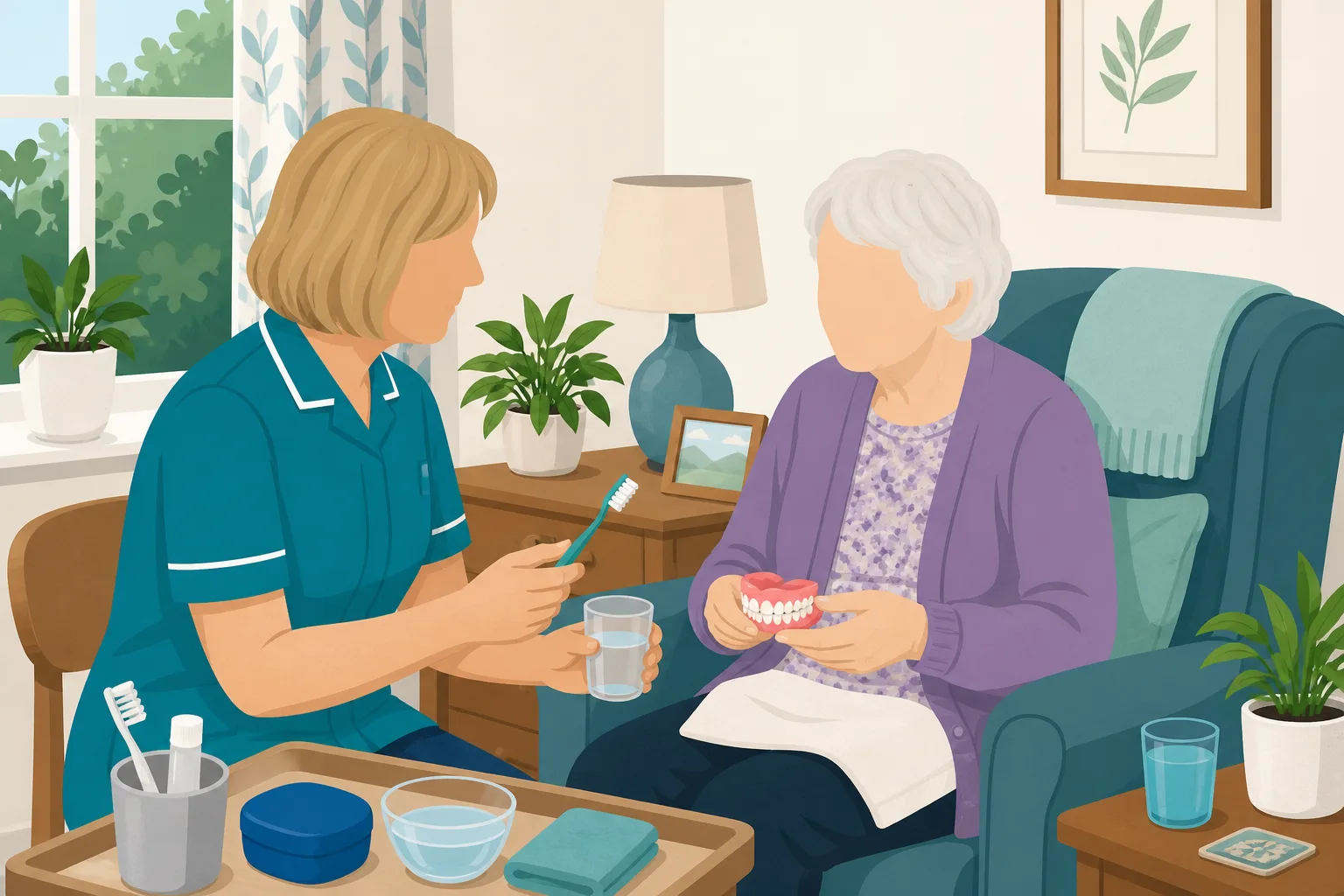
This pack covers 14 areas: falls, pressure care, wounds, continence, diabetes, oral health, nutrition, swallowing, bed rails, the building, smoking and oxygen, missing residents, moving people and spotting decline. Each one names who does what in your home. Together they make a nursing home policy set your whole team can use.
What should a falls policy and a moving and handling policy cover?
A falls policy covers risk assessment on admission, steps to reduce risk, checks after a fall, when to call 999 or 111 and how you learn from each event. It also says who reviews the pattern across the home.
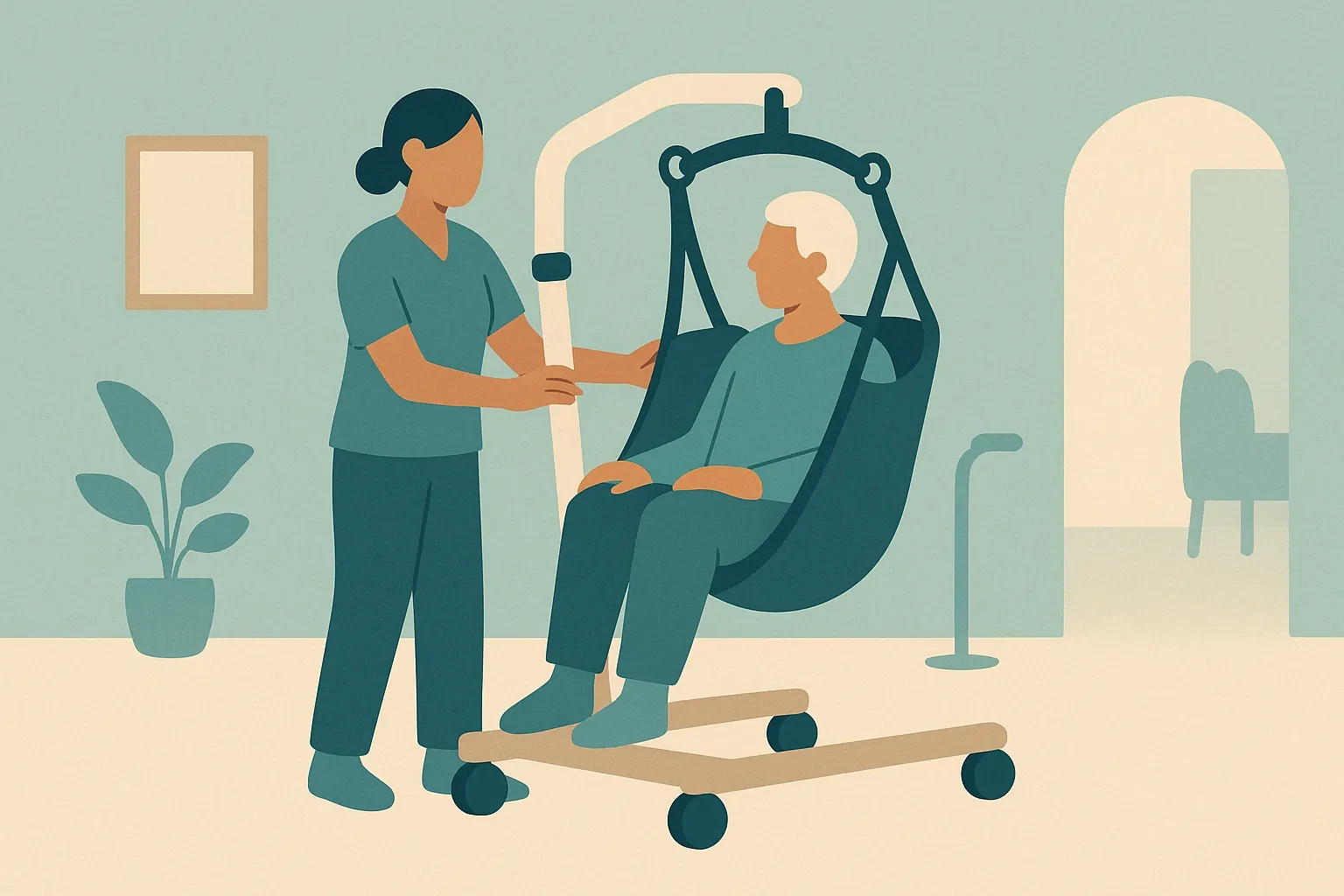
A moving and handling policy covers safe lifting, equipment checks, training and individual handling plans. Both are written around your layout, hoists and staffing, so they match what staff do. We give no clinical or legal advice.
What belongs in a bed rail risk assessment?
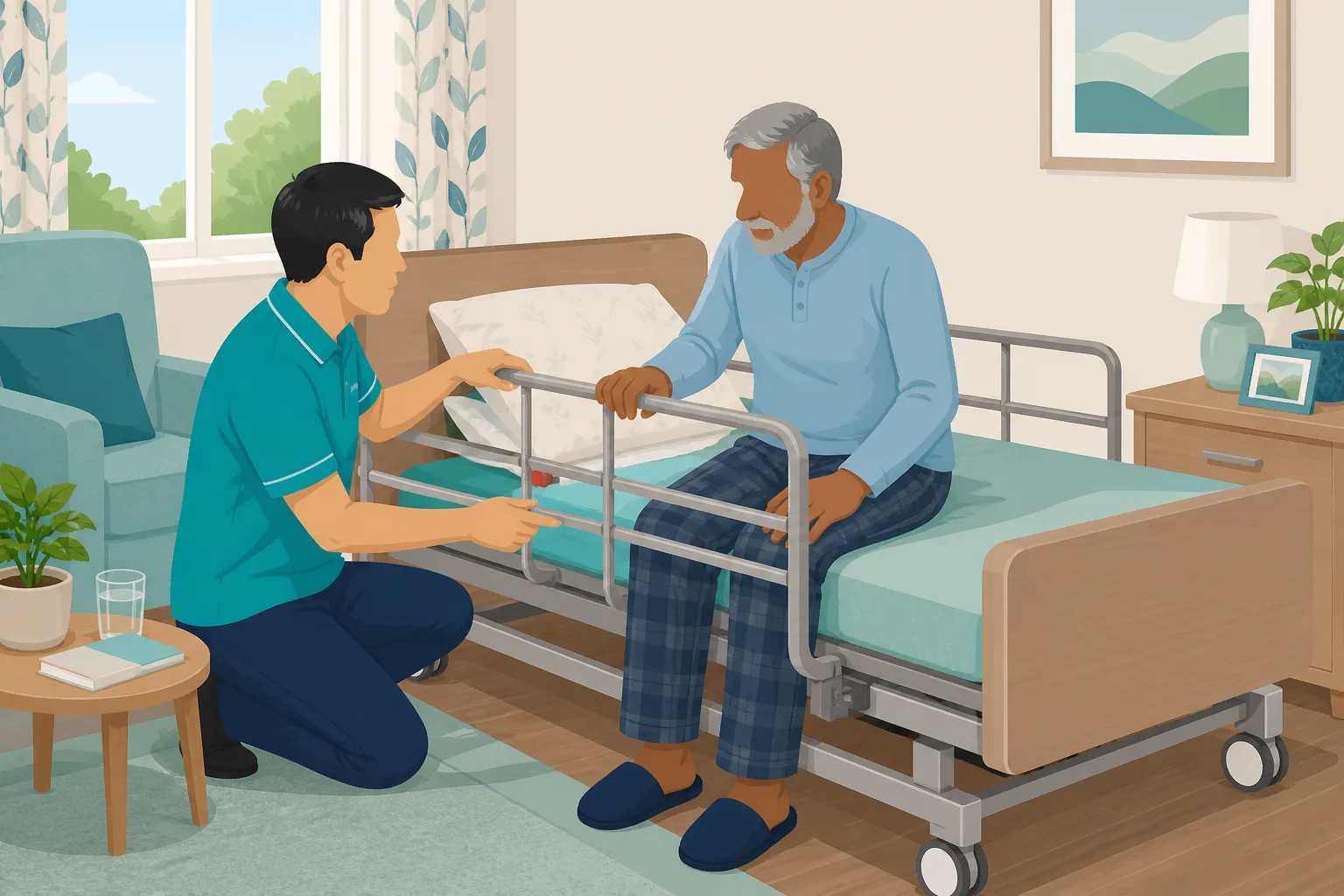
A bed rail risk assessment looks at the person, the bed, the rails and the mattress together, and checks for entrapment. Many homes find this the hardest area to document well.
Your bed rail policy then sets out who may have rails and who should not. The section on safe use of bed rails describes who assesses, how often you check fit and what you record. It is written for the equipment you actually use and the people you support.
How do you write a pressure sore policy and a wound management policy?
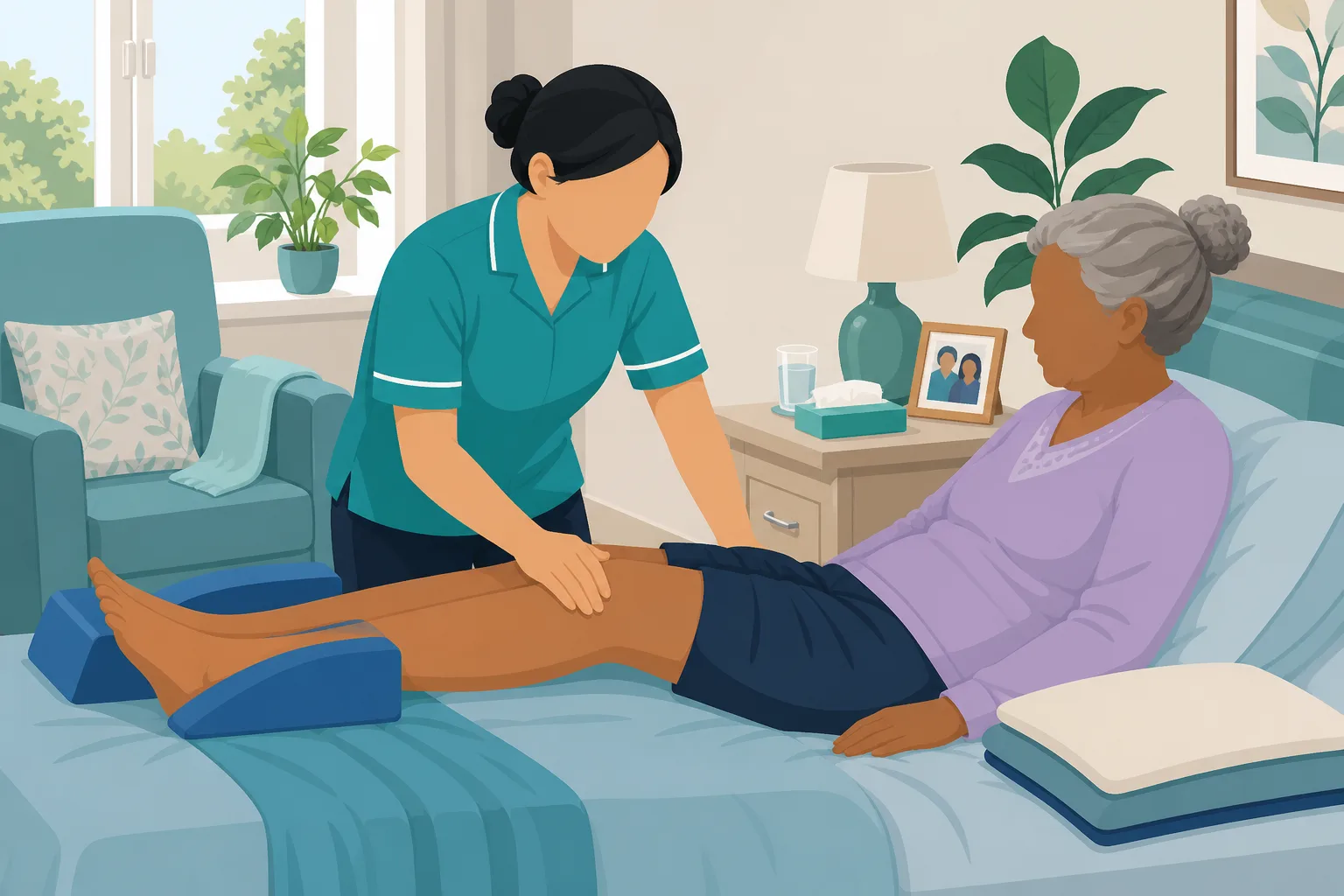
A pressure sore policy covers risk screening, skin checks, repositioning, equipment and when to escalate damage. Some managers call the same document a pressure ulcer policy and procedure. Either way, it should reflect the nice guidelines for pressure ulcers.
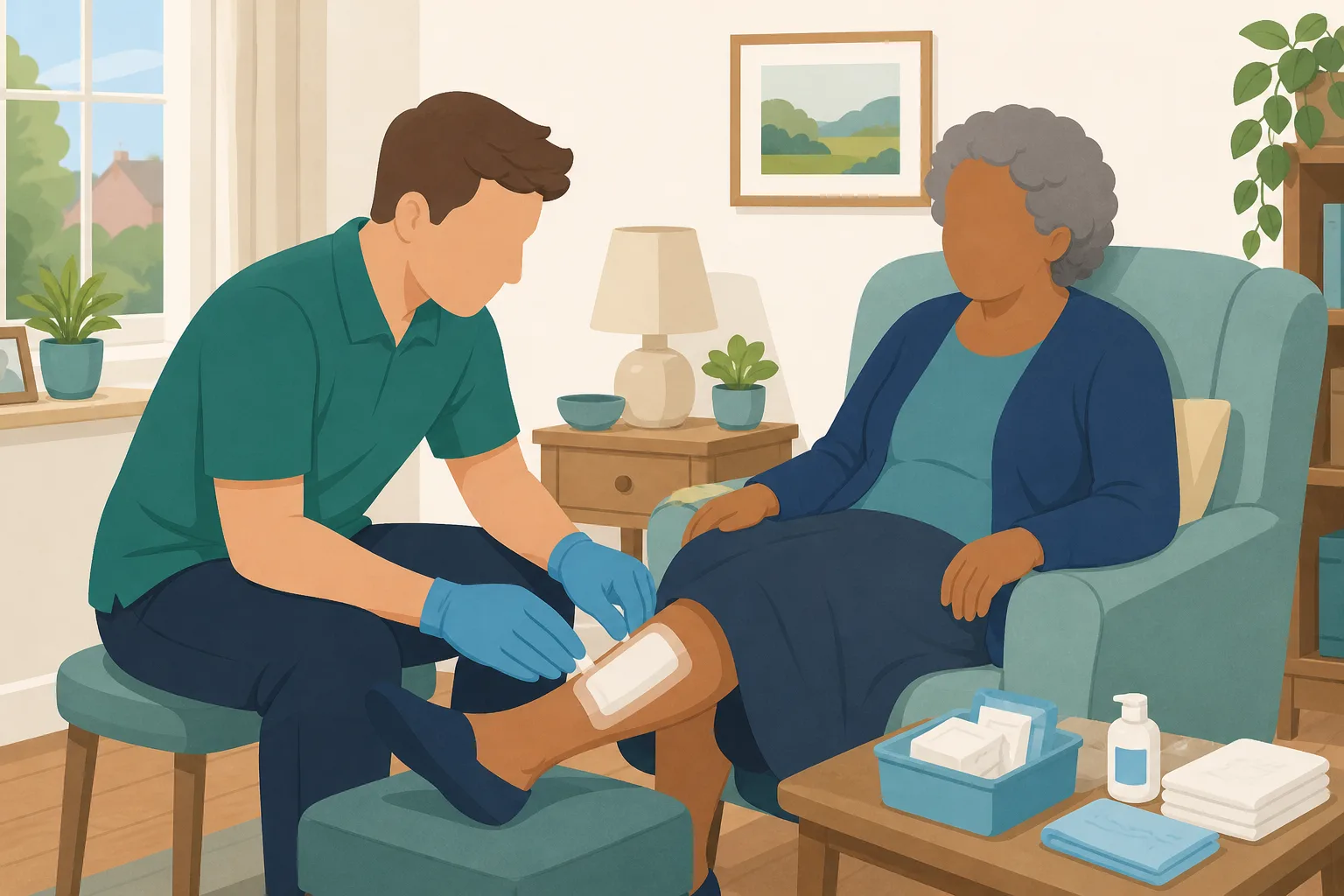
A wound management policy covers assessment, dressings, signs of infection, tissue viability referral and records. Your versions name your nurses, your equipment and your referral routes. Staff then see one clear route from spotting a problem to getting the right person involved.
Why does resident safety need written policies in a care home?
Resident safety depends on every shift doing the same things the same way. Written policies give agency staff, new starters and nurses one clear reference, and give you evidence of what your home does.
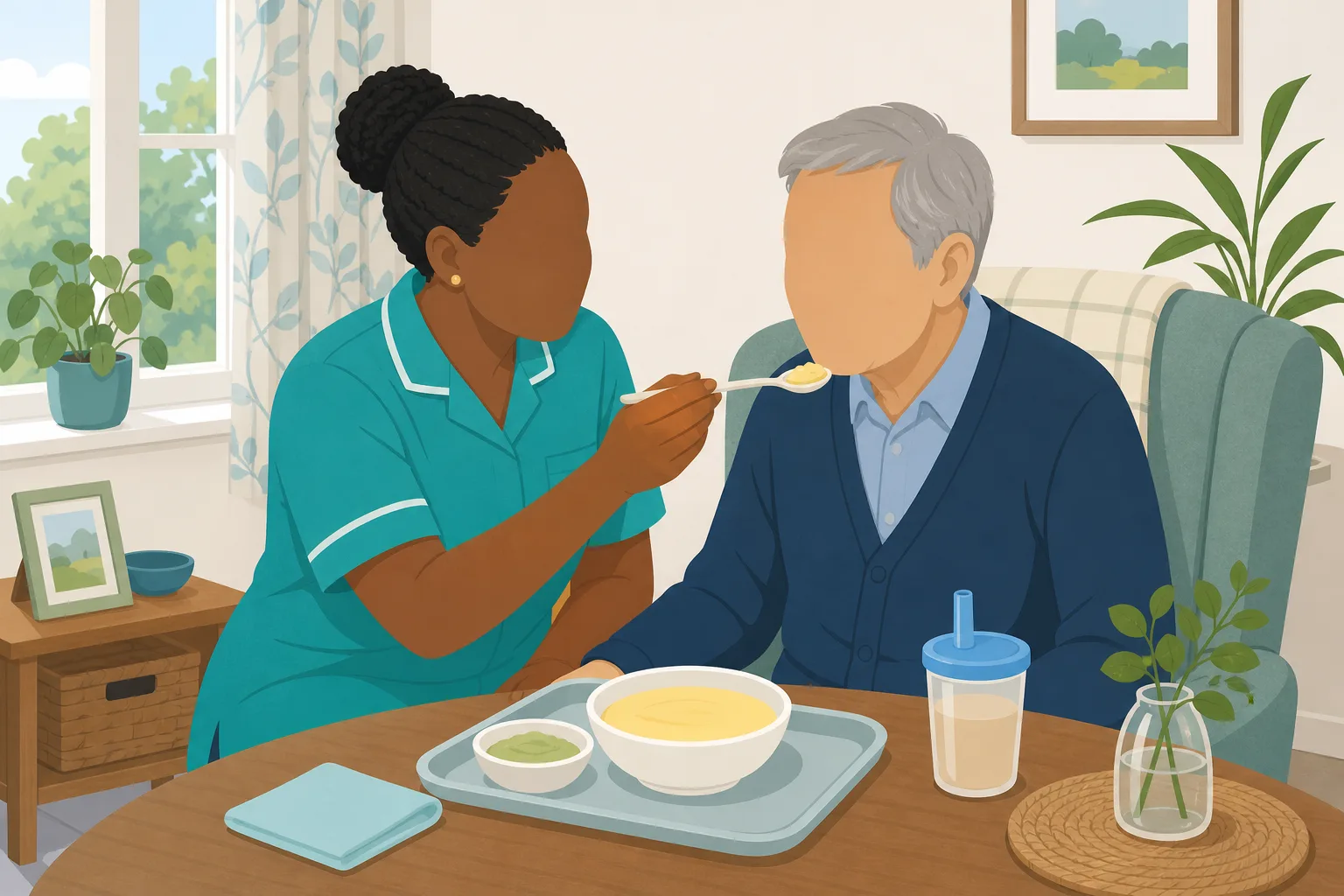
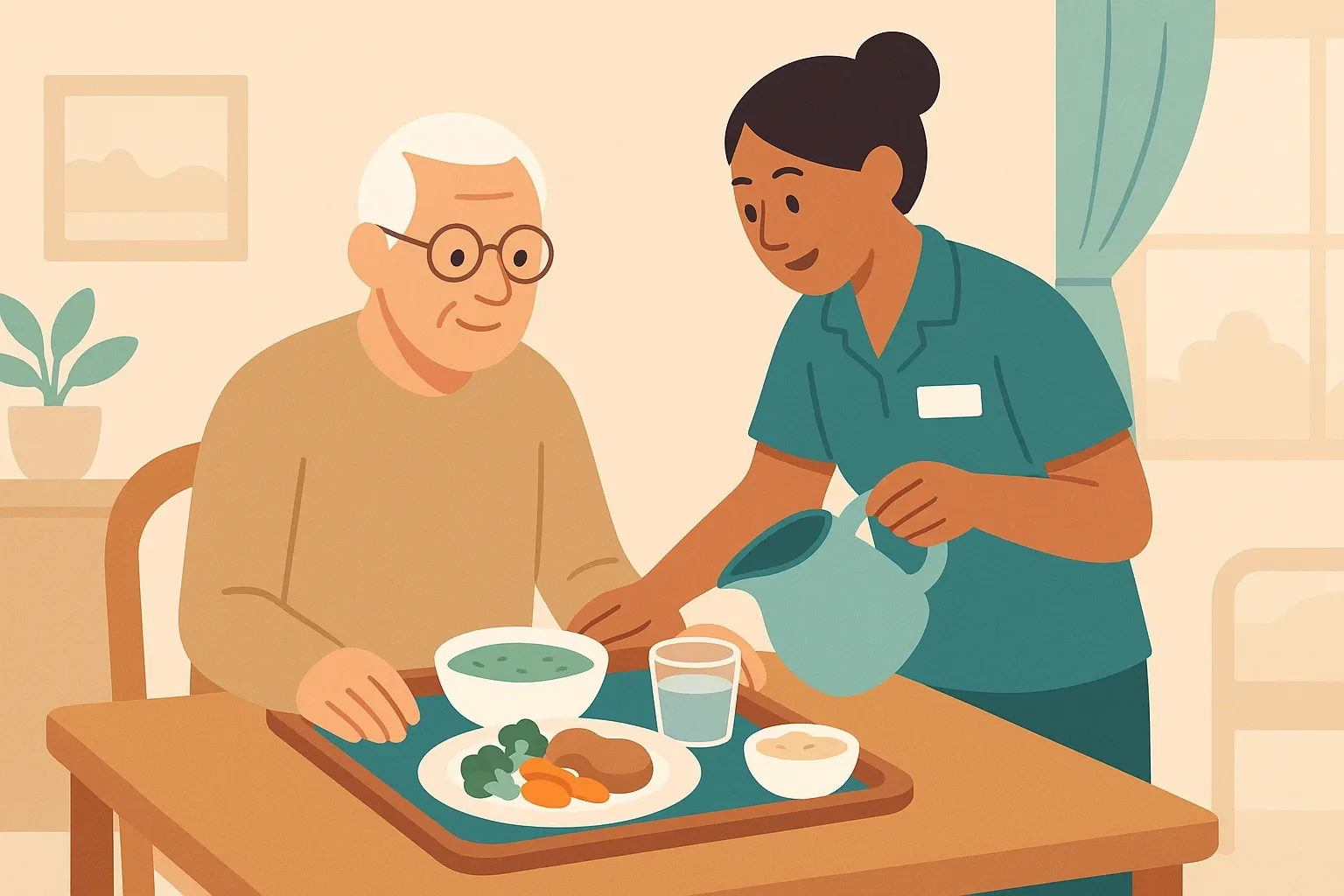
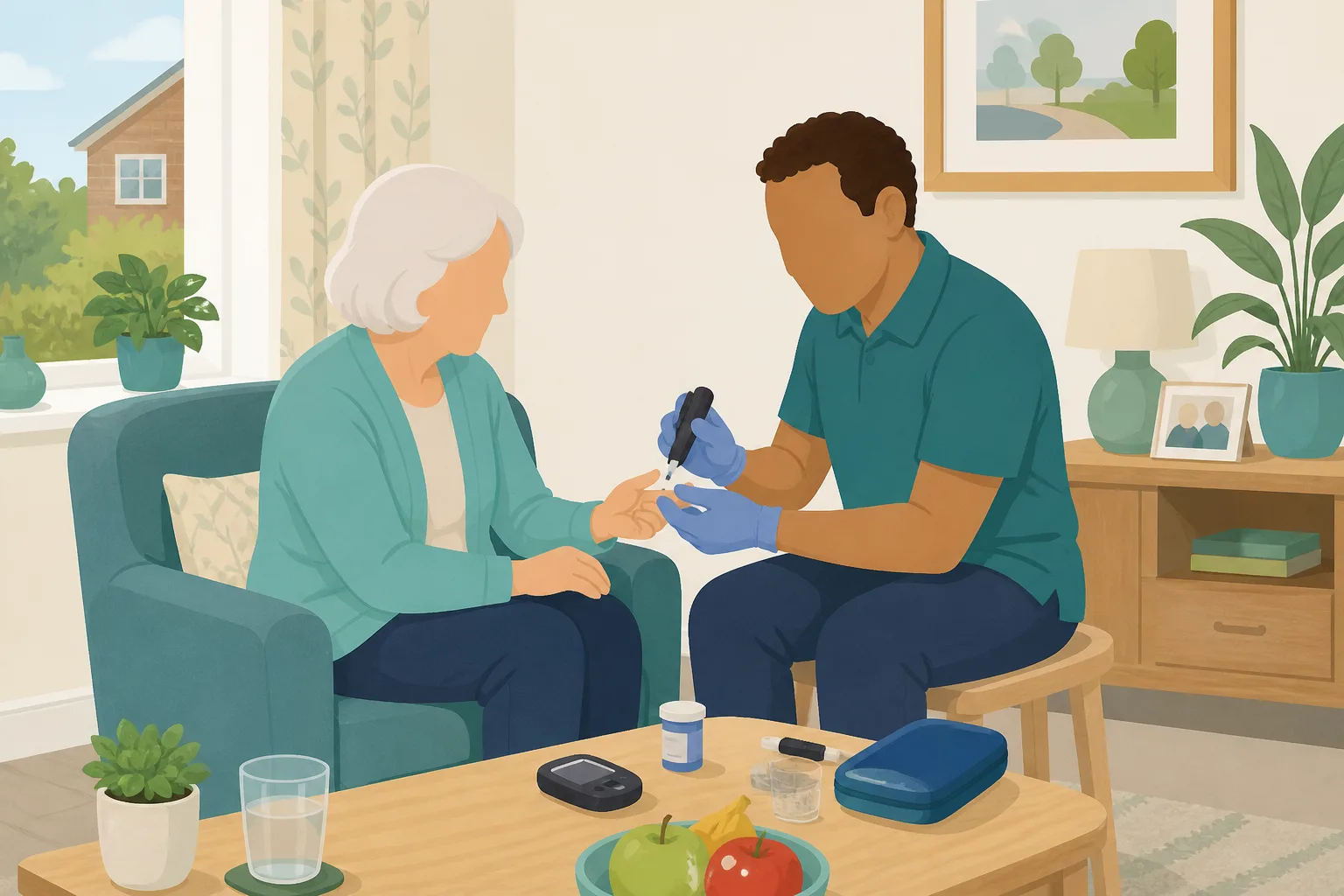
The pack also covers swallowing and choking, nutrition, continence, diabetes, mouth care and the safety of your building. Each policy is personalised from short questions and read by a person before delivery. They support good practice but do not replace your own risk assessments.