
- 6lessons
- 35 minutesto complete
- 60+languages
- 80%pass mark
Try it: a real lesson and question from this course
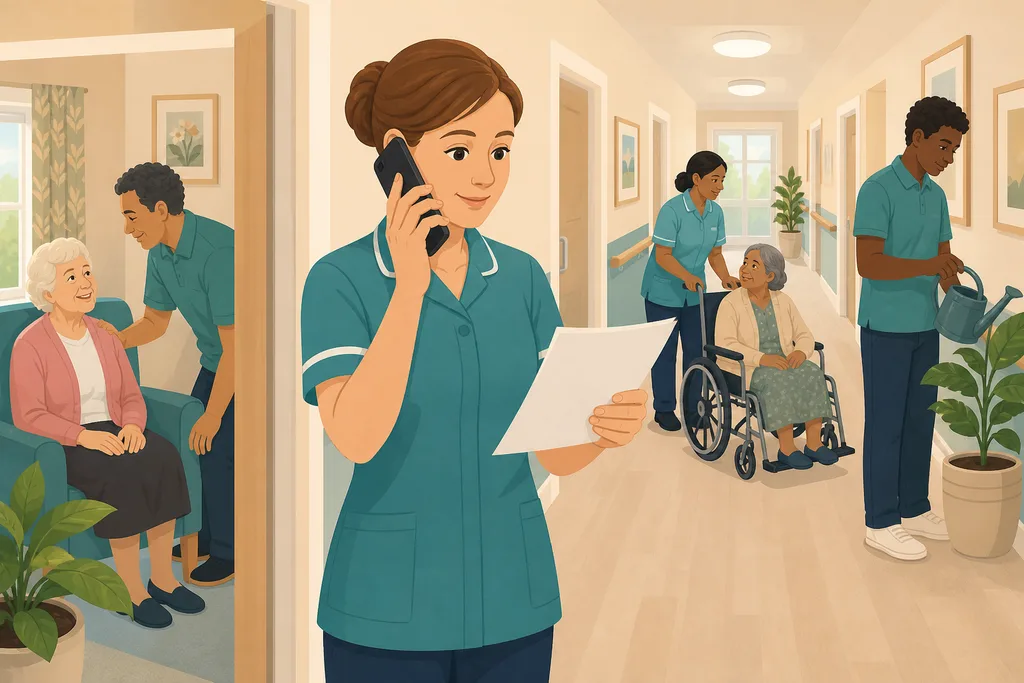
When You Cannot Attend a Scheduled Visit
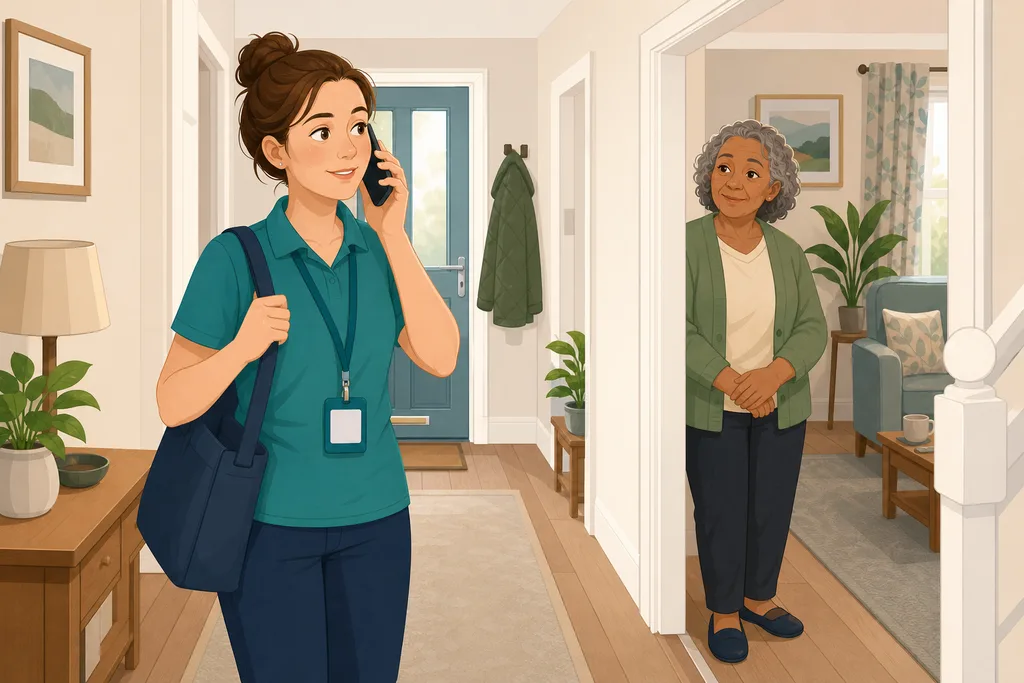
If you cannot attend a scheduled care visit due to illness, emergency or any other reason, you must contact the office or on-call manager immediately. Never assume someone else will cover your visit or that the service user can manage without support.
Give as much notice as possible so alternative arrangements can be made. The office will decide whether to send another carer or reschedule the visit based on the service user's needs and risks.
You are scheduled to visit three service users this afternoon but your car breaks down. What is the correct procedure?
In the hub, a wrong answer sends the staff member a short follow-up lesson and a fresh question on the same point. They close the gap before they can finish the module, and every attempt is recorded for your CQC evidence.
That is how the training works. Give your whole team the full Call Cancellations and Reporting Concerns module.


What the course covers: 6 lessons
- When You Cannot Attend a Scheduled Visit
- Communicating Cancellations to Service Users
- Recognising Concerns During Visits
- Urgent Concerns and Emergency Situations
- Documenting and Following Up Concerns
- Concerns Between Visits and Ongoing Monitoring
Assessment and certificate
- 20 question assessment with a pass mark of 80%.
- A follow-up lesson on anything a learner gets wrong, so the gaps are closed, not just scored.
- A named, dated certificate the moment they pass, ready to download as a PDF.
- Kept on their training record in your dashboard, ready for your CQC evidence.
- In their name: they keep their certificate and can show it to future employers. Each employer decides what it accepts. Staff repeat the course once a year.
Specialists in the technology behind it all
The same technology behind the world's best products powers CareStream, so your team's call cancellations and reporting concerns training stays accurate, always up to date with the latest guidance, and is delivered in over 60 languages.
Avg. Duration
About 35 minutes
Certificate
For every staff member
Available Languages (60+)
Course Published by

A clear, practical grounding in call cancellations and reporting concerns.
This module covers how to handle situations when a scheduled care visit cannot go ahead, and how to recognise and report concerns about service users. You will learn the correct procedures for cancelling calls, communicating with the office and service users, and identifying when something needs to be escalated. These procedures protect service users from harm and ensure continuity of care.
By the end, your staff will be able to:
- Explain the correct procedure for cancelling a scheduled care visit and who must be informed
- Identify situations that require immediate reporting to the office or on-call manager
- Describe how to communicate effectively with service users when a call must be cancelled
- Recognise signs of concern about a service user's wellbeing that must be reported
- Apply the organisation's escalation procedures when concerns arise during or between visits
A closer look at the call cancellations and reporting concerns module.
The module is built in short, practical sections. Each one teaches a part of the topic, then applies it to a real care scenario and checks understanding before moving on.
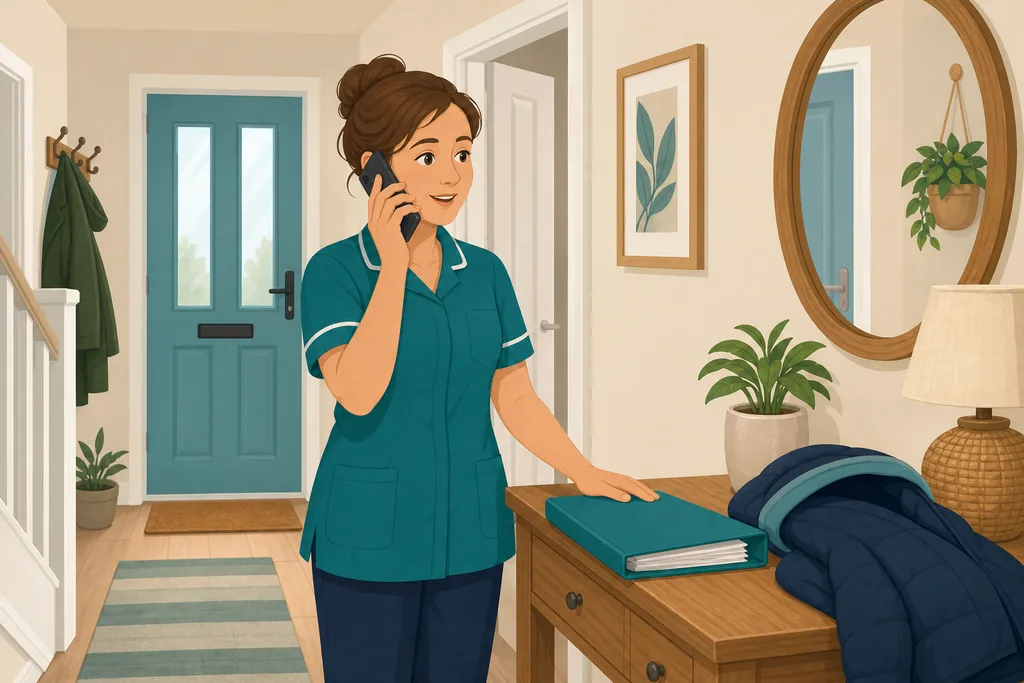
When You Cannot Attend a Scheduled Visit
If you cannot attend a scheduled care visit due to illness, emergency or any other reason, you must contact the office or on-call manager immediately. Never assume someone else will cover your visit or that the service user can manage without support. Give as much notice as possible so alternative arrangements can be made. The office will decide whether to send another carer or reschedule the visit based on the service user's needs and risks.
Communicating Cancellations to Service Users
When a visit must be cancelled or rescheduled, the office will normally contact the service user to explain and arrange alternative support. However, if you are already in contact with the service user when a problem arises, speak to them honestly and reassure them that the office is arranging help. Never leave a service user without support if they need it for safety or essential care. If a service user becomes distressed about a cancellation, report this to the office so they can provide extra reassurance.
Recognising Concerns During Visits
During every visit, you must observe the service user's wellbeing and their environment. Concerns that require reporting include unexpected changes in physical or mental health, signs of distress or pain, safeguarding concerns such as unexplained injuries or financial exploitation, unsafe living conditions, or anything that suggests the service user is at risk. Trust your professional judgement. If something feels wrong or different, it probably needs reporting even if you cannot identify exactly what the problem is.
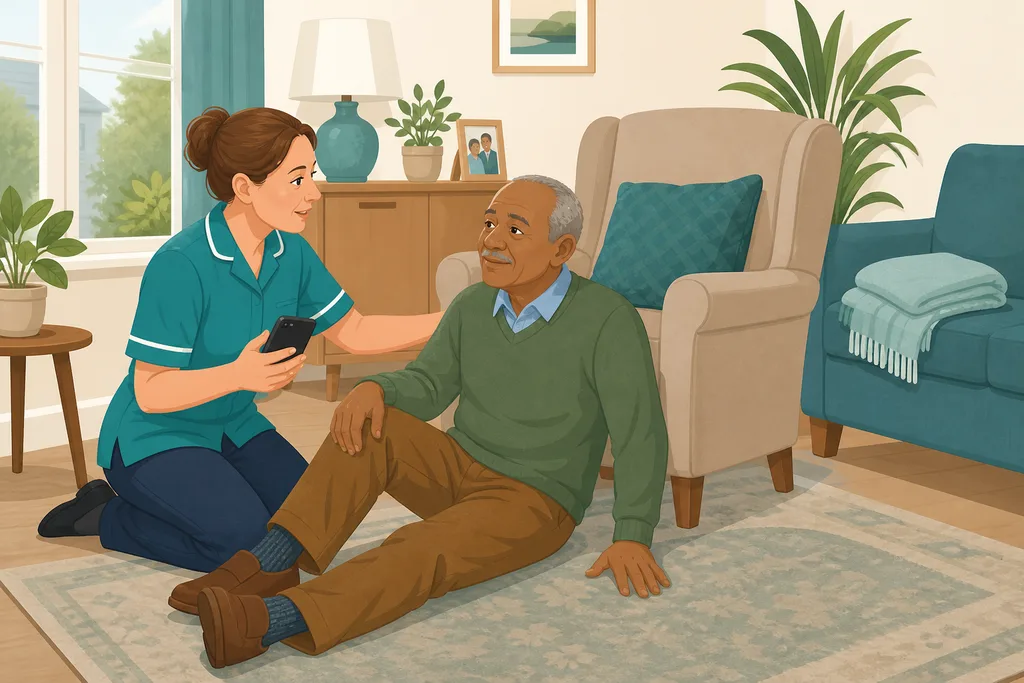
Urgent Concerns and Emergency Situations
Some concerns require immediate action during the visit, not just reporting afterwards. These include medical emergencies such as chest pain, breathing difficulties, loss of consciousness, severe bleeding or suspected stroke. In these situations, call 999 first, then contact the office or on-call manager. Stay with the service user until help arrives if it is safe to do so. Other urgent concerns include safeguarding situations where someone is at immediate risk, such as finding a service user who has been assaulted or is being threatened. Your priority is always the service user's immediate safety.
Documenting and Following Up Concerns
After reporting a concern verbally, you must document it in writing using the organisation's care records or incident reporting system. Record facts, not opinions. Write exactly what you saw, heard or observed, including dates, times and direct quotes where relevant. Never write subjective judgements like 'the family seem dodgy'. If you reported a concern to the office, note who you spoke to and when. Keep a record of any actions you were asked to take. Follow up if you do not receive feedback about serious concerns within a reasonable time.

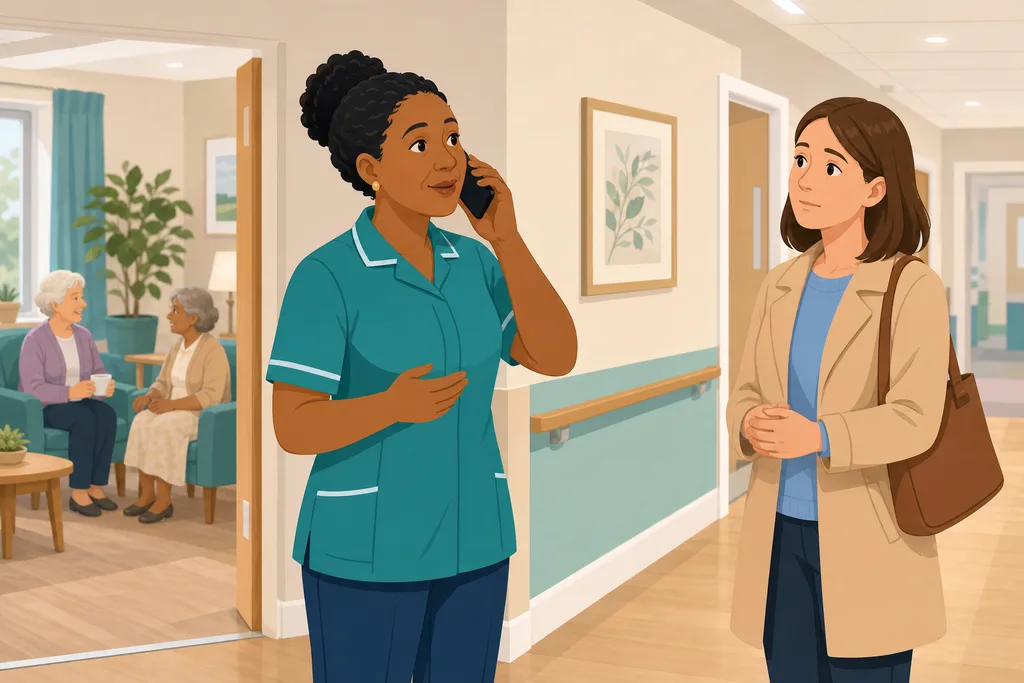
Concerns Between Visits and Ongoing Monitoring
Sometimes concerns arise between visits, such as when a family member contacts you, or when you notice a pattern developing over several visits. Report these concerns to the office even if they seem minor. Patterns of small changes can indicate bigger problems. If a service user or their family contacts you outside your scheduled visits with concerns, listen and gather information, but refer them to the office rather than trying to solve problems yourself. The office can coordinate responses and ensure proper assessment and support.
The things your team must remember.
- Always contact the office or on-call manager immediately if you cannot attend a scheduled visit, giving as much notice as possible
- Call 999 first in medical emergencies, then inform the office whilst staying with the service user if safe to do so
- Report all concerns about service user wellbeing, safety or safeguarding to the office during or immediately after visits
- Document concerns factually in care records, including what you observed, when, and who you reported it to
- Trust your professional judgement: if something seems wrong or different, report it even if you cannot identify the exact problem
- Patterns of small changes over multiple visits can indicate serious problems and must be reported to the office
Not a slideshow once a year. Training that sticks.
CareStream delivers call cancellations and reporting concerns training in the hub your team already uses, grounded in best practice and your own policies, so it fits your care setting and not a generic template.
Short teaching sections and a real care scenario, then an assessment that checks understanding.
Staff complete it in over 60 languages, while your records stay in English.
A wrong answer triggers a short follow-up lesson and a fresh question, so the gap is closed.
Automatic reminders at 90, 30 and 7 days, with a live compliance dashboard.
From your dashboard to your team, in the CareStream hub.
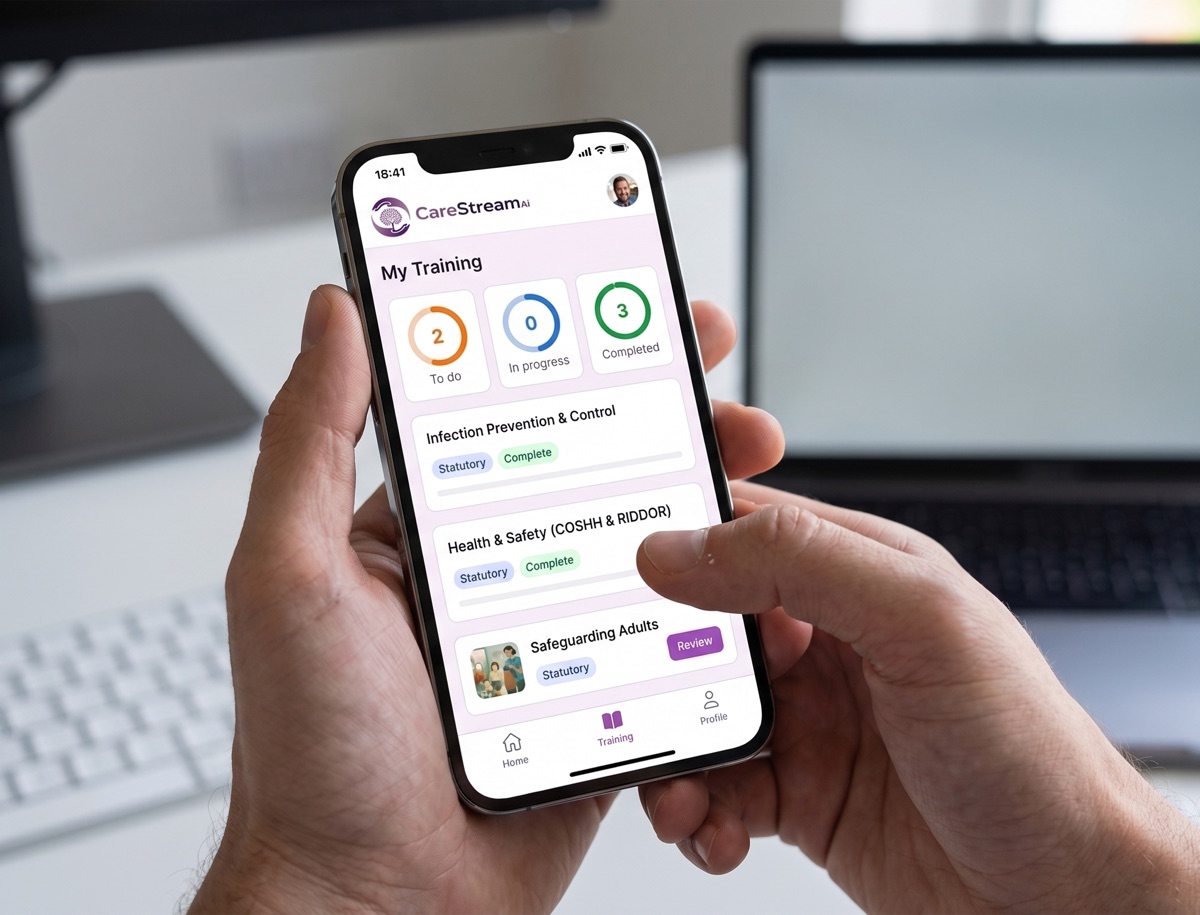
Training is delivered in the hub each staff member logs into. You allocate the modules, they complete them in their own language, and you get the completion records and certificates for your CQC evidence, with any gaps closed by automatic follow up training.
Assign Call Cancellations and Reporting Concerns to each staff member in seconds. No course builder and no setup for each person.
Staff work through the module on any device, in over 60 languages, teaching then checking understanding. A wrong answer sends a short follow up lesson.
See live completion status and a certificate for every person, ready as evidence for CQC.
Any step, in their language, in one tap.
Care teams are diverse and training should not leave anyone behind. On any lesson or question, a staff member taps the language button and the whole step flips into the language they think in. They understand it properly, and your records stay in English.
- One tap flips any lesson or question into their language, instantly.
- Over 60 languages, with no setup and no separate versions to manage.
- Completions and certificates stay in English for your CQC evidence.
Try the language buttons in the preview above.
Built for real learning, not box ticking
Every CareStream course goes further than a lesson and a quiz. These features come as standard on every course, giving your staff a richer way to learn and giving you the evidence to prove it.
Every course is built on recognised UK guidance and cites its sources, from NICE and Skills for Care to the NHS and the legislation itself.
A plain English glossary of the technical terms in each course. A simple way to support every learner, including staff with English as a second language.
A quick knowledge check before the lesson is compared with the final assessment, so every certificate comes with evidence of how much the course actually taught.
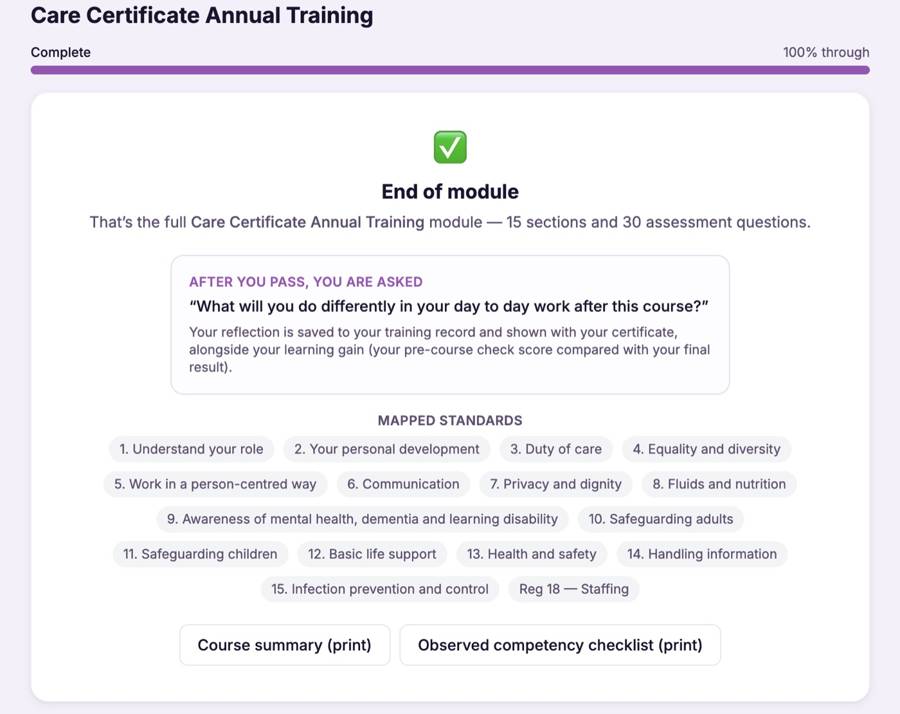
After passing, staff record what they will do differently in their day to day work. Their reflection is saved to their training record and shown with their certificate.
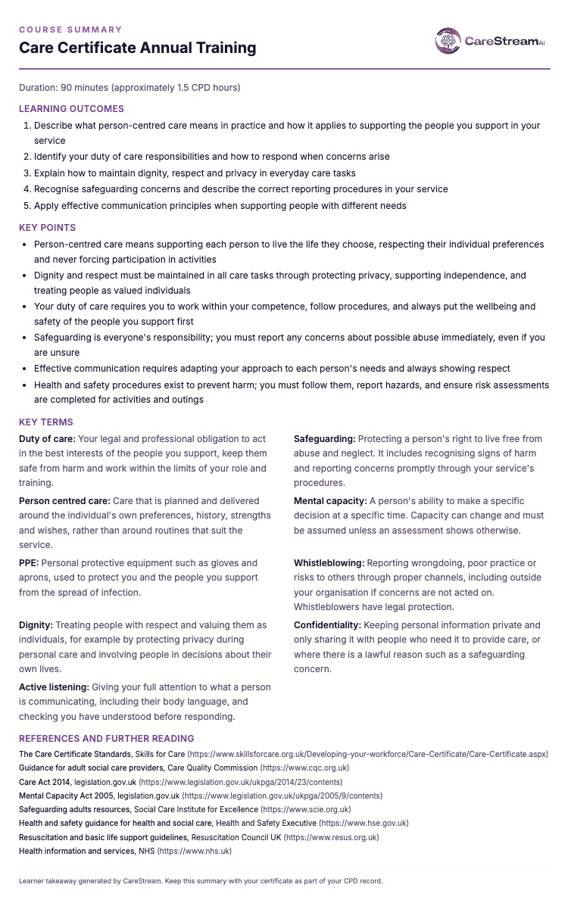
A printable one page takeaway of the outcomes, key points and key terms. Perfect for staff files, supervision conversations and the staff room wall.
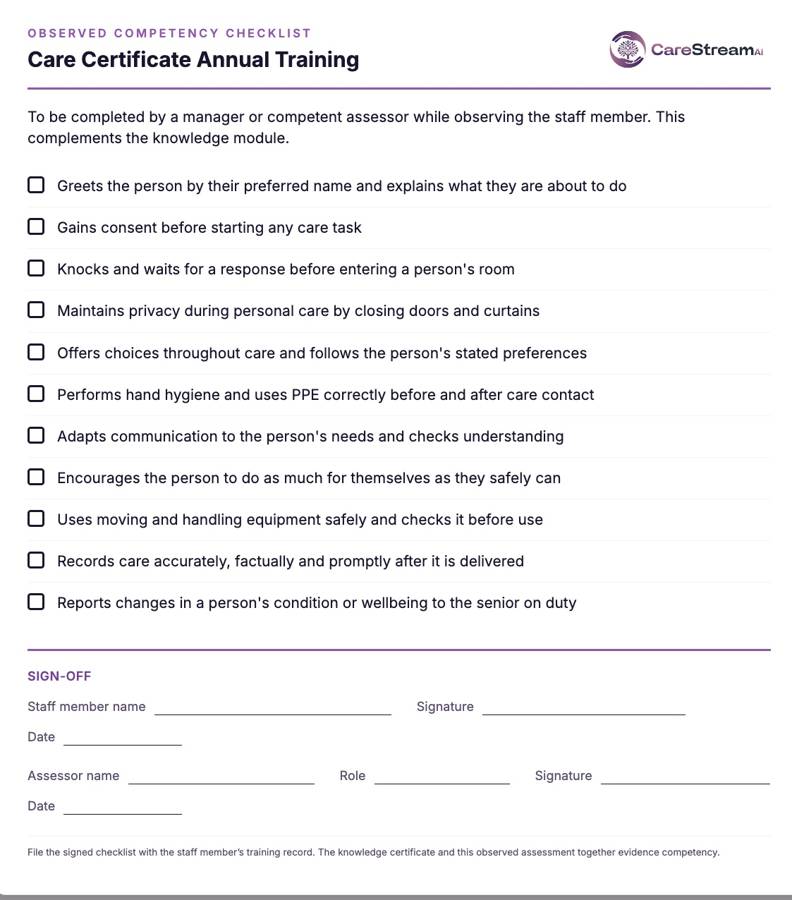
A printable checklist for managers to confirm skills in practice, with a sign off section. It completes the picture beyond the knowledge assessment.
Wrong answers become lessons, not failures
Most e learning marks an answer wrong and moves on. CareStream does not. Every wrong answer triggers an automatic follow up loop that teaches the point again and rechecks it, so no knowledge gap is left behind.
A wrong answer immediately opens a short lesson explaining the point, so the gap is closed there and then.
A fresh question on the same point checks the lesson has landed. The loop repeats until it has.
Staff move on to the next module and their certificate once they genuinely know the answer, not just after one lucky guess.
Why choose CareStream?
Training built for the care sector, delivered the way busy teams actually learn.
- 90+ care-specific training courses
- Bitesize, engaging lessons your staff actually finish
- Mapped to the Care Certificate & CQC standards
- Available in 60+ languages
- Instant certificate on completion
- Flexible learning, anytime, on any device
- Content kept up to date with UK care regulations
- Time to complete: ~35 min
More questions.
What if someone fails the assessment?
They can retake it. Along the way, any wrong answer brings a short follow-up lesson on that point and a fresh question, so the gap is closed, not just scored. The pass mark is 80%, and you see every score from your dashboard.
Try a real lessonWhat if someone leaves before finishing?
You can move their licence to another member of staff. So a licence is not wasted when someone leaves part way through. You do it from your dashboard, and the new person takes the course with their own record and their own certificate.
See your team priceWhat if a member of staff has no email address?
You can set them up yourself. As their manager, you add them to CareStream, so carers who do not use email can still take the course on a phone, tablet or computer. You still see their progress and their certificate in your dashboard.
See your team priceAre the translations done by a person or a machine?
A mix of both. Lessons are translated with a mix of machine translation and checks by people. Staff can switch any lesson or question between their language and English with one tap, so they understand it, not just pass it. Your records stay in English.
Try a real lessonCan we get funding for this training?
Check with Skills for Care. They can tell you about the Learning and Development Support Scheme, which can help with some training costs. Ask them whether this course can be claimed before you buy, because we cannot promise that it can.
See your team priceMore training your team may need
More mandatory and role-specific training CareStream delivers to your team, in the hub, in any language. Add any of these to your basket.
 Annual Certificate
Duty of Candour
This training explains your legal and professional duty to be open and honest when mistakes happen in care. You will learn what duty of candour means, when it applies, and the specific steps our service takes to support people and put things right. Being open builds trust and helps us learn from incidents.
Bulk discounts from 10+ licences
 Annual Certificate
Whistleblowing
This training explains how to raise concerns about poor practice, risks to residents, or wrongdoing at the Home. You will learn when and how to speak up, what protection you have, and why reporting concerns is part of your duty of care. Speaking up keeps residents safe and maintains high standards of care.
Bulk discounts from 10+ licences
 Annual Certificate
Complaints Handling
This training covers how we handle complaints at our home, following our Duty of Candour Policy. You will learn when and how to be open with residents and families when things go wrong, how to respond to concerns properly, and how to record and learn from complaints. Handling complaints well protects residents and builds trust.
Bulk discounts from 10+ licences
 Annual Certificate
Lone Working and Personal Safety
This module covers how to stay safe when working alone in service users' homes and in the community. You will learn how to assess risks, protect yourself, maintain contact with your office, and respond to challenging situations. These practices protect you and ensure you can continue providing excellent care.
Bulk discounts from 10+ licences
 Annual Certificate
Financial Abuse in the Home
This training helps you recognise and prevent financial abuse of the people we support in their own homes. Financial abuse is a serious safeguarding issue where someone misuses another person's money, property or possessions. You will learn how to spot warning signs, protect the people you support, and respond correctly if you suspect abuse.
Bulk discounts from 10+ licences
 Annual Certificate
Handover and Cover Arrangements (Live-in)
This module covers the essential procedures for handing over care responsibilities and arranging cover when you work as a live-in carer. You will learn how to communicate effectively with relief carers, document important information, and ensure continuity of care for the people you support. Proper handover and cover arrangements protect the wellbeing of clients and maintain professional standards.
Bulk discounts from 10+ licences
Give your team call cancellations and reporting concerns training that actually sticks.
Buy your licences, allocate them in seconds, and let the evidence build itself.
Compared
Three ways to train a care team.
These modules are written and kept current by us, so your managers do not have to write or maintain them. We have compared what each approach does rather than naming providers, because products change and this should still be true next year.
| CareStream | A generic e-learning library | A trainer you book | |
|---|---|---|---|
| Try a real lesson and a real question before you buy | |||
| Learning outcomes and time to complete stated up front | |||
| Written lesson sections, each with its own illustration | |||
| Interactive exercises after the lesson that teaches them, in every module | |||
| Assessment in every module, with the key points to revisit | |||
| Taken in any of sixty plus languages | |||
| A wrong answer triggers a follow-up lesson, not just a re-sit | |||
| Practical sign-off by a manager where the subject needs it | |||
| Completion files itself into your training matrix and evidence pack | |||
| Bought one module at a time, with no annual contract |
Generic libraries are often cheaper per learner. They teach a national standard rather than being built, updated and evidenced around the way a CQC-registered service is actually inspected.
Care policies
Every module is written from a policy
If the policy behind it is out of date, the training inherits that. Sixty six policies written for your service, checked against current law and read by a person before they carry your name, from £39.




