Pressure Ulcer Categorisation and Tissue Viability Management training that gets your team CQC-ready
- CQC-aligned, mapped to the Care Certificate framework
- Completed in the hub in over 60 languages
- A certificate for every staff member, for your CQC evidence
- A wrong answer triggers a follow-up lesson, so gaps are closed
No subscription needed. Bulk discounts from 10+ licences.
From £25.99 per staff member, one-off. No subscription needed.
Trusted by UK care providers
Specialists in the technology behind it all
The same technology behind the world's best products powers CareStream, so your team's pressure ulcer categorisation and tissue viability management training stays accurate, always up to date with the latest guidance, and is delivered in over 60 languages.
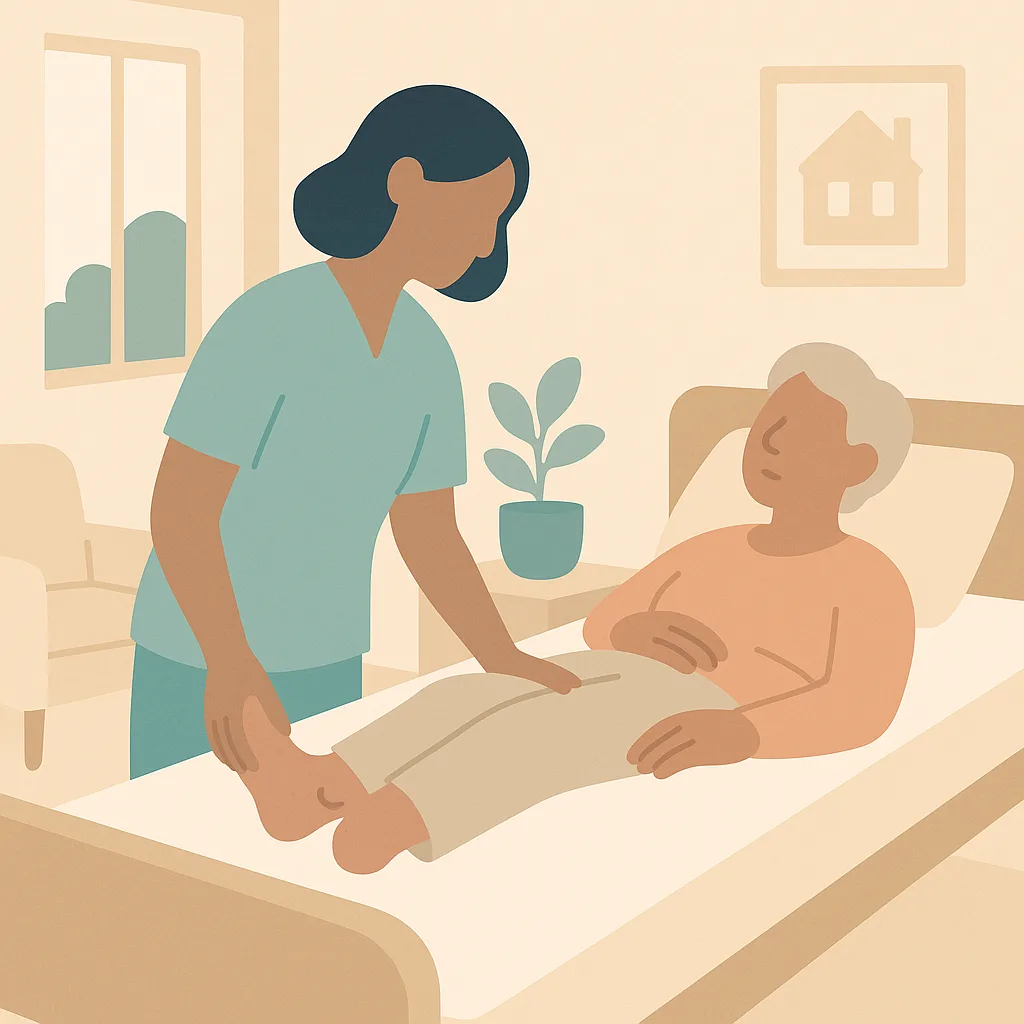
Understanding Tissue Viability and Pressure Damage
Tissue viability means keeping skin healthy and intact. Pressure ulcers develop when constant pressure on skin reduces blood flow to that area.
Without blood flow, skin and underlying tissue become damaged and can break down. Areas most at risk include heels, elbows, hips, sacrum and any bony prominence.
Our role is to prevent this damage through regular repositioning, good nutrition and using appropriate equipment.
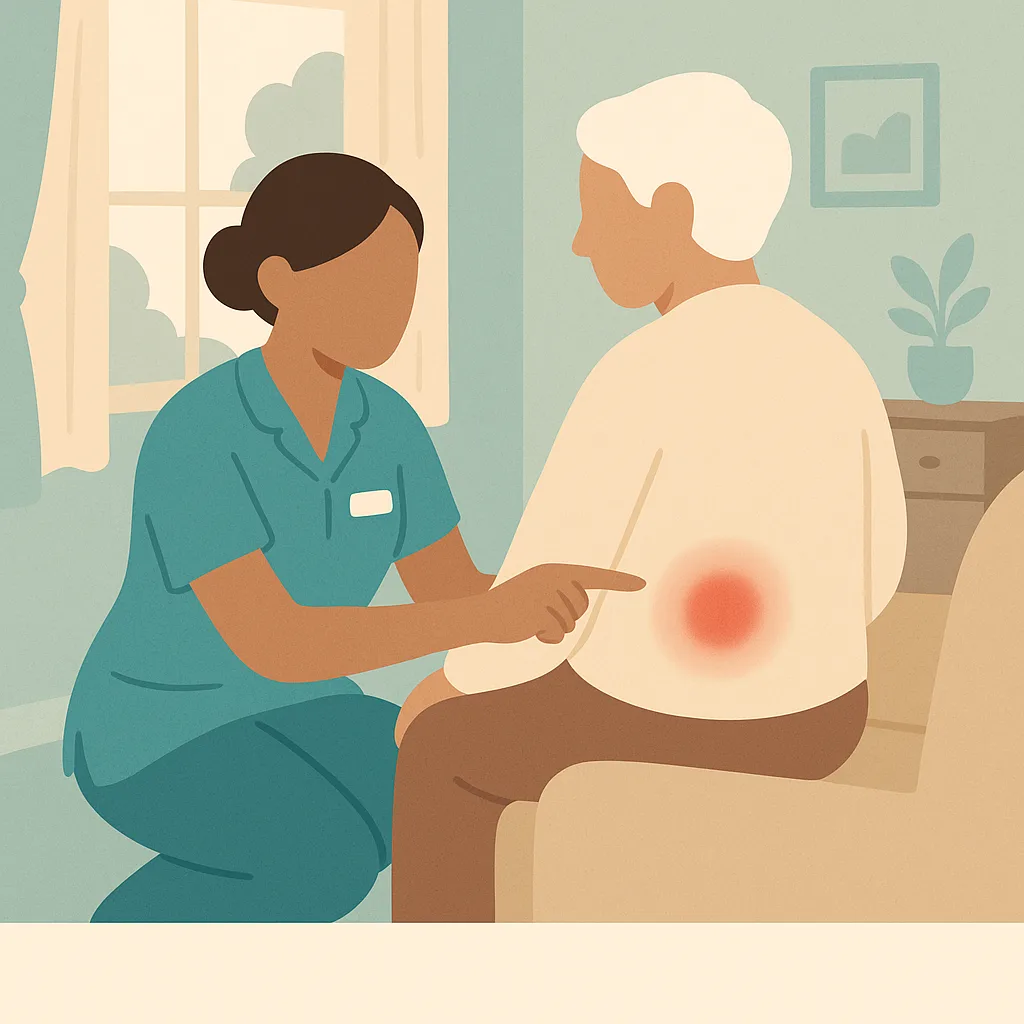
A resident has intact skin on their elbow with a red patch that does not turn white when you press it gently. What category of pressure ulcer is this?
In the hub, a wrong answer sends the staff member a short follow-up lesson and a fresh question on the same point. They close the gap before they can finish the module, and every attempt is recorded for your CQC evidence.
That is how the training works. Give your whole team the full Pressure Ulcer Categorisation and Tissue Viability Management module.
Avg. Duration
About 35 minutes
Certificate
For every staff member
Available Languages (60+)
Course Published by

A clear, practical grounding in pressure ulcer categorisation and tissue viability management.
This module teaches you how to recognise and categorise pressure ulcers, understand tissue viability principles, and follow our care setting's procedures for prevention and management. You will learn when to escalate concerns and how to document pressure damage correctly. This knowledge component must be combined with practical competency assessment in your workplace.
By the end, your staff will be able to:
- Identify the four categories of pressure ulcers and describe the tissue damage visible in each category
- Explain the care setting's procedures for pressure ulcer prevention including risk assessment and repositioning schedules
- Recognise when a pressure ulcer requires immediate referral to a GP or healthcare professional
- Apply correct documentation procedures for pressure ulcer monitoring and repositioning
- Describe the role of nutrition, hydration and pressure relief equipment in maintaining tissue viability
A closer look at the pressure ulcer categorisation and tissue viability management module.
The module is built in short, practical sections. Each one teaches a part of the topic, then applies it to a real care scenario and checks understanding before moving on.
Understanding Tissue Viability and Pressure Damage
Tissue viability means keeping skin healthy and intact. Pressure ulcers develop when constant pressure on skin reduces blood flow to that area. Without blood flow, skin and underlying tissue become damaged and can break down. Areas most at risk include heels, elbows, hips, sacrum and any bony prominence. Our role is to prevent this damage through regular repositioning, good nutrition and using appropriate equipment.
Category 1 Pressure Ulcers: Non-Blanchable Erythema
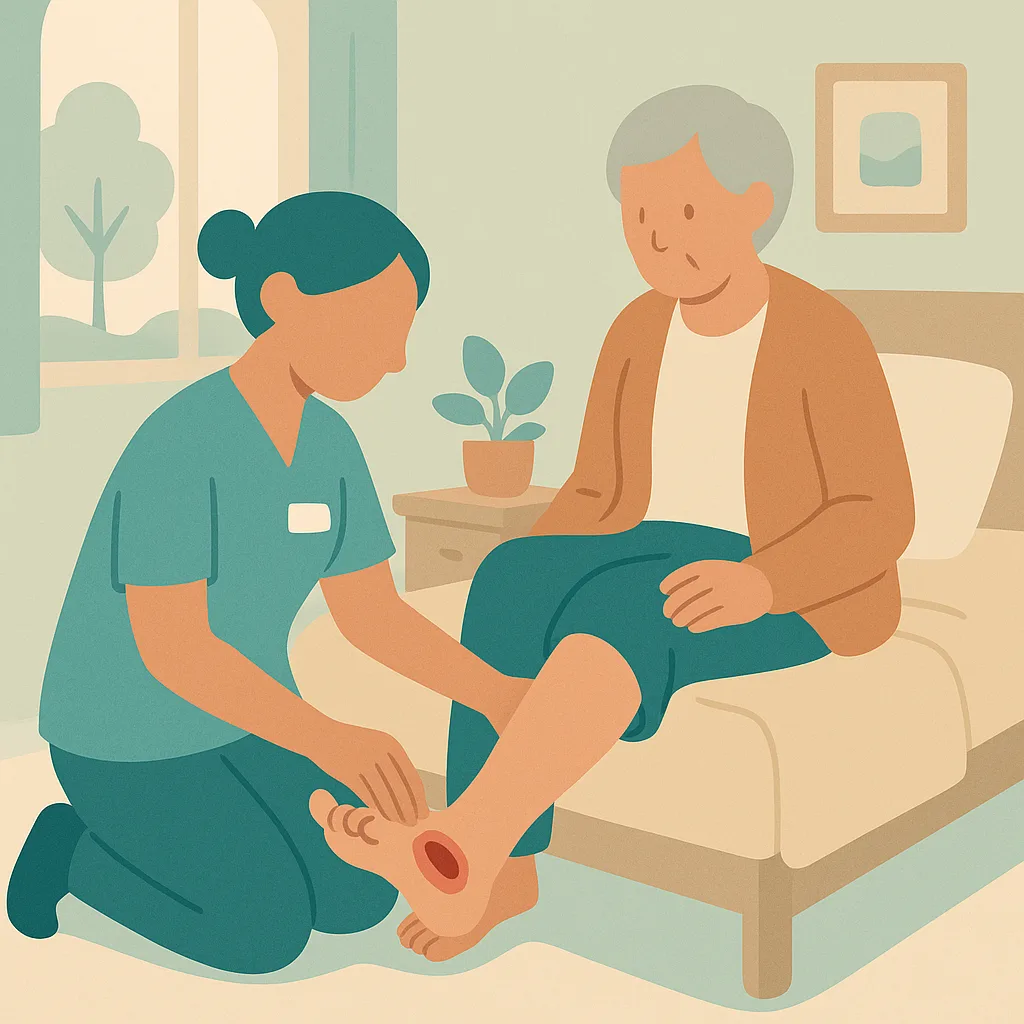
A Category 1 pressure ulcer shows intact skin with non-blanchable redness. This means when you press the red area gently, it does not turn white or pale. The area may feel warm, firm or soft compared to surrounding tissue. The skin is not broken but damage has started beneath the surface. Early identification at this stage allows us to prevent progression to more serious categories.
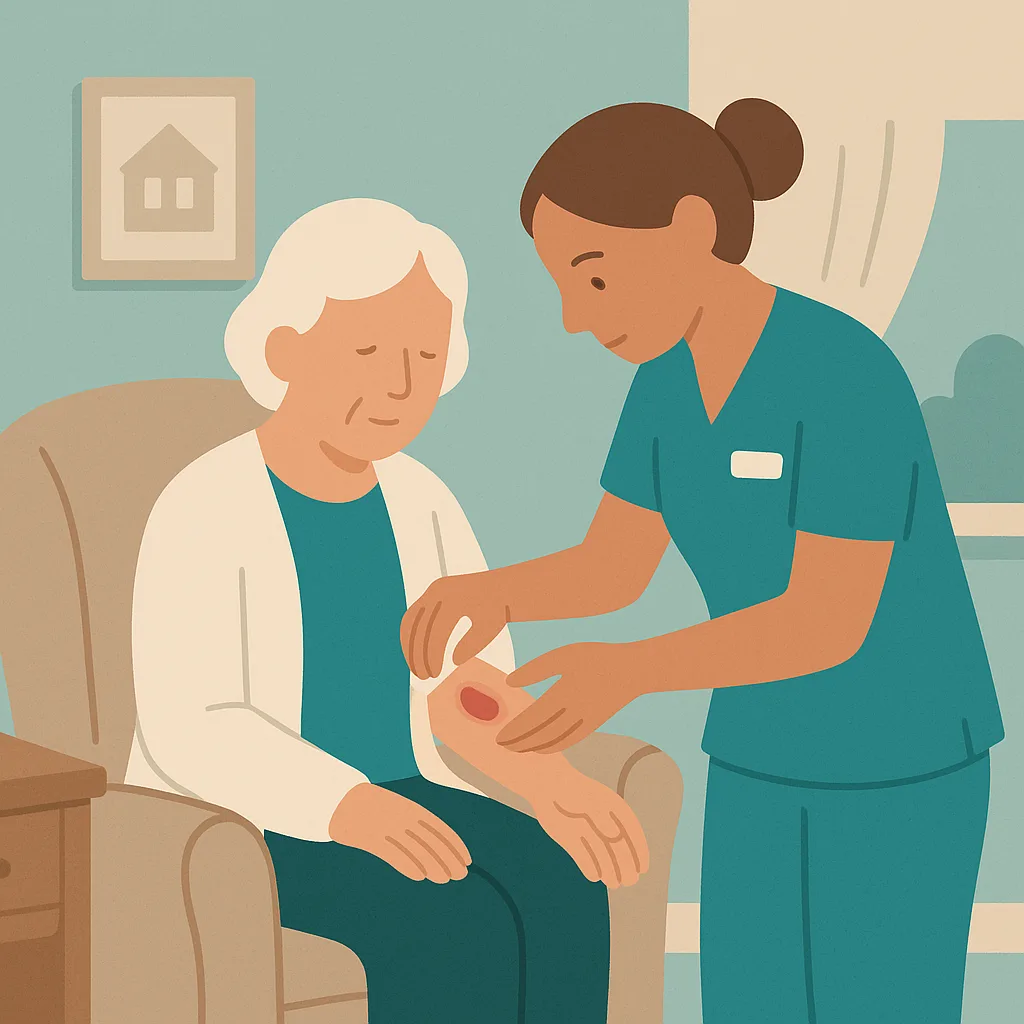
Category 2 Pressure Ulcers: Partial Thickness Skin Loss
A Category 2 pressure ulcer involves partial thickness skin loss. The outer layer of skin is damaged and you can see a shallow open wound. It may look like a blister, either intact or broken, or like a shallow crater. The wound bed is pink or red and moist. There is no bruising or deep tissue damage visible. Category 2 ulcers are painful and require prompt treatment to prevent progression.
Category 3 and 4 Pressure Ulcers: Full Thickness Tissue Loss
Category 3 ulcers show full thickness skin loss where fat may be visible but bone, tendon or muscle are not exposed. The wound appears as a deep crater and depth varies by body location. Category 4 ulcers are the most severe with full thickness tissue loss exposing bone, tendon or muscle. Both categories require immediate medical attention. Our policy requires us to notify CQC without delay for any resident with a Category 3 or above pressure ulcer.
Pressure Ulcer Risk Assessment and Prevention
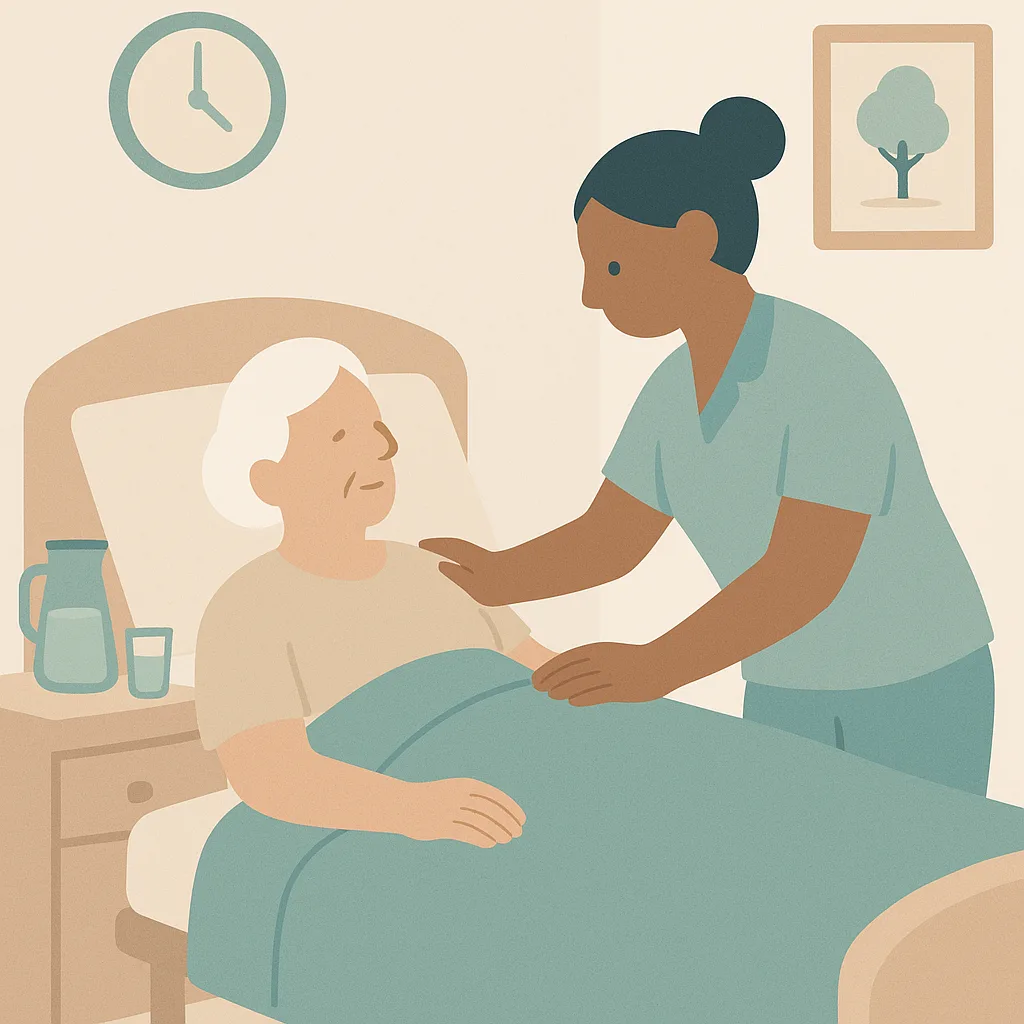
We assess every resident for pressure ulcer risk on admission using the Waterlow Scale. We reassess weekly or more often if their condition deteriorates. Prevention includes regular repositioning, maintaining good nutrition and hydration, using pressure relief equipment, and keeping skin clean and dry. We never rub areas at risk. If repositioning is needed, we use a repositioning chart and follow the schedule based on individual medical need, typically every two to three hours for high risk residents.
Documentation, Monitoring and Escalation
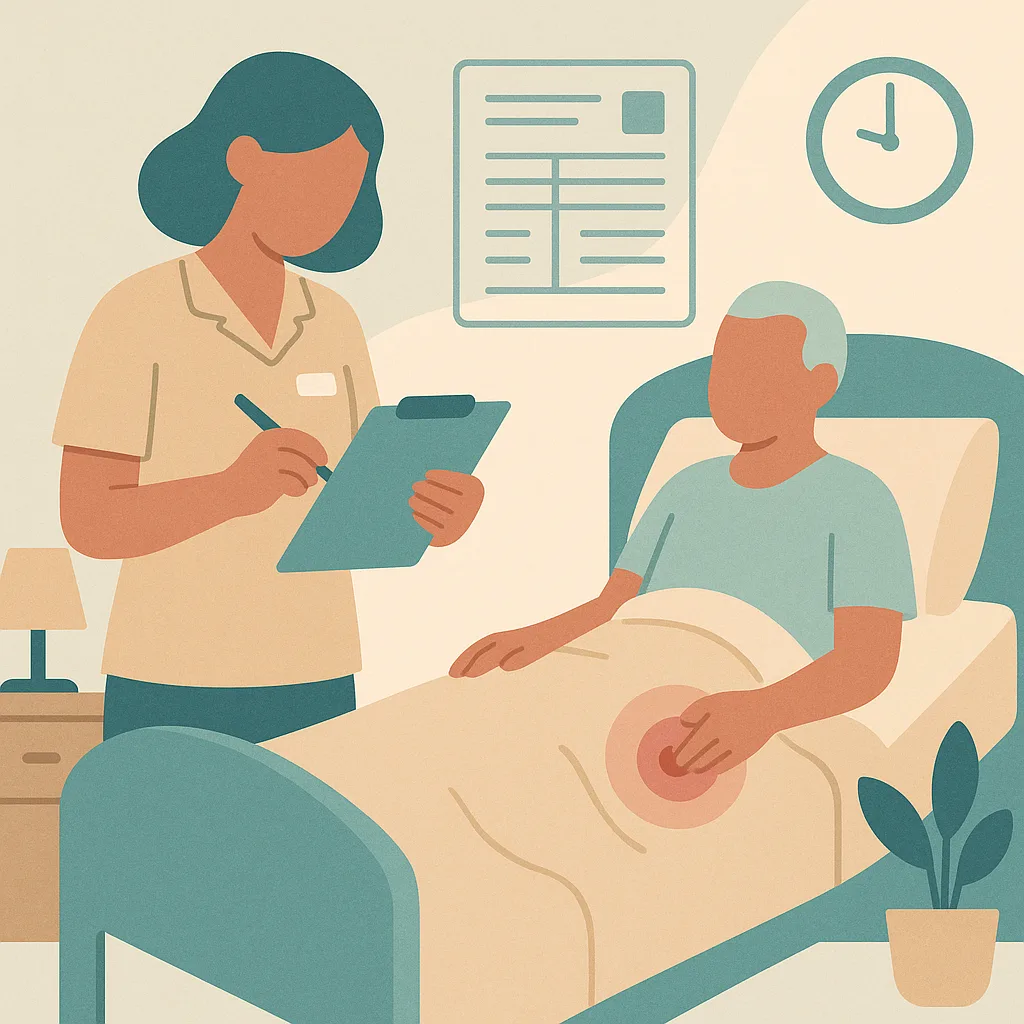
Accurate documentation is essential for safe pressure ulcer management. We must record the position and grade of any pressure ulcer weekly at minimum, but more frequently if required. Every repositioning must be documented with the time and position. We record all treatment provided and any changes in the ulcer's appearance. If a pressure ulcer develops or worsens, we must refer immediately to the GP or appropriate healthcare professional. We never provide care that is not in the care plan or for which we have not been trained.
The things your team must remember.
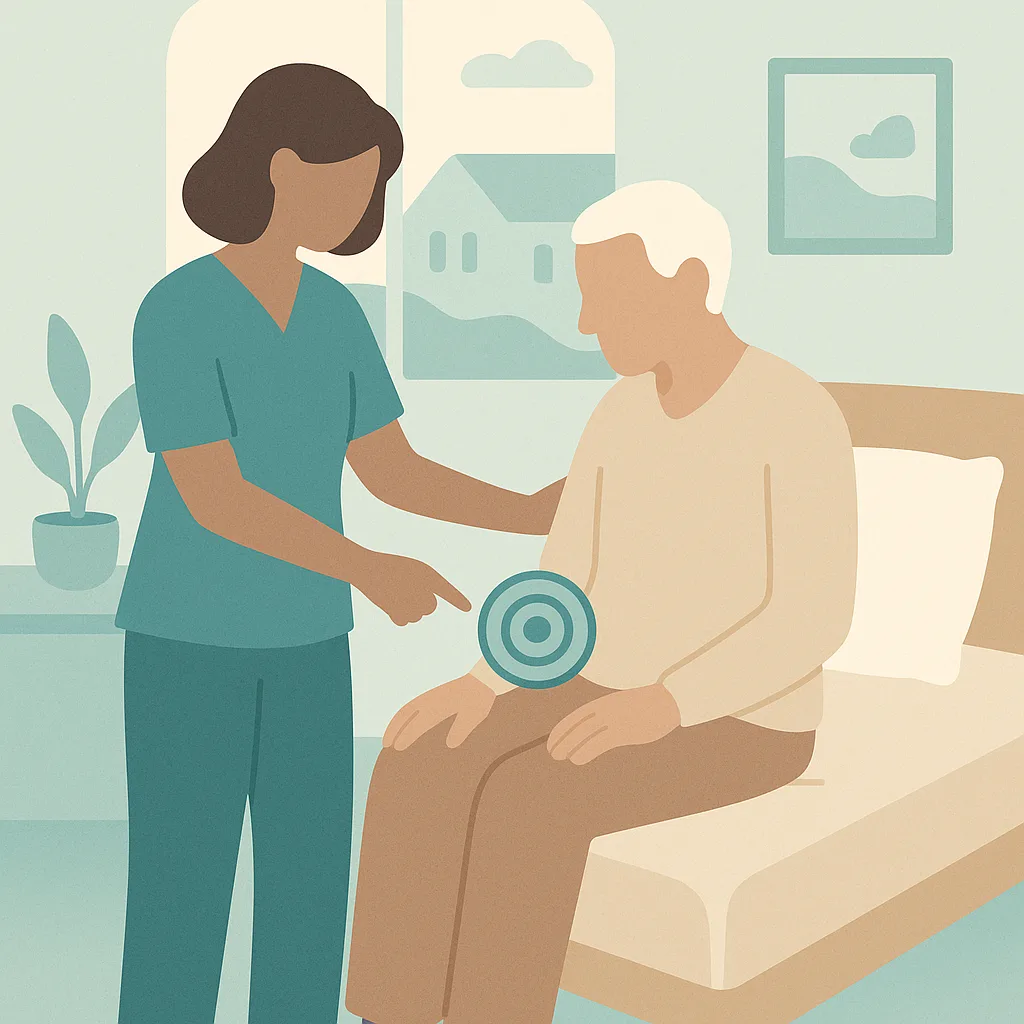
- Category 1 shows intact skin with non-blanchable redness; Category 2 shows partial thickness skin loss like a blister; Category 3 shows full thickness loss with possible fat visible; Category 4 exposes bone, tendon or muscle
- We must notify CQC without delay for any resident with a Category 3 or above pressure ulcer
- Assess pressure ulcer risk on admission using Waterlow Scale and reassess weekly or when condition changes
- Prevention includes regular repositioning every two to three hours for high risk residents, documented with time and position
- Never rub areas at risk; maintain good nutrition and hydration; use appropriate pressure relief equipment
- Report any new pressure ulcer or worsening of existing ulcers immediately to GP or healthcare professional and document all observations and care provided
Not a slideshow once a year. Training that sticks.
CareStream delivers pressure ulcer categorisation and tissue viability management training in the hub your team already uses, grounded in best practice and your own policies, so it fits your care setting and not a generic template.
Short teaching sections and a real care scenario, then an assessment that checks understanding.
Staff complete it in over 60 languages, while your records stay in English.
A wrong answer triggers a short follow-up lesson and a fresh question, so the gap is closed.
Automatic reminders at 90, 30 and 7 days, with a live compliance dashboard.
From your dashboard to your team, in the CareStream hub.
Training is delivered in the hub each staff member logs into. You allocate the modules, they complete them in their own language, and you get the completion records and certificates for your CQC evidence, with any gaps closed by automatic follow up training.
Assign Pressure Ulcer Categorisation and Tissue Viability Management to each staff member in seconds. No course builder and no setup for each person.
Staff work through the module on any device, in over 60 languages, teaching then checking understanding. A wrong answer sends a short follow up lesson.
See live completion status and a certificate for every person, ready as evidence for CQC.
Any step, in their language, in one tap.
Care teams are diverse and training should not leave anyone behind. On any lesson or question, a staff member taps the language button and the whole step flips into the language they think in. They understand it properly, and your records stay in English.
- One tap flips any lesson or question into their language, instantly.
- Over 60 languages, with no setup and no separate versions to manage.
- Completions and certificates stay in English for your CQC evidence.
Try the language buttons in the preview above.
Built for real learning, not box ticking
Every CareStream course goes further than a lesson and a quiz. These features come as standard on every course, giving your staff a richer way to learn and giving you the evidence to prove it.
Every course is built on recognised UK guidance and cites its sources, from NICE and Skills for Care to the NHS and the legislation itself.
A plain English glossary of the technical terms in each course. A simple way to support every learner, including staff with English as a second language.
A quick knowledge check before the lesson is compared with the final assessment, so every certificate comes with evidence of how much the course actually taught.
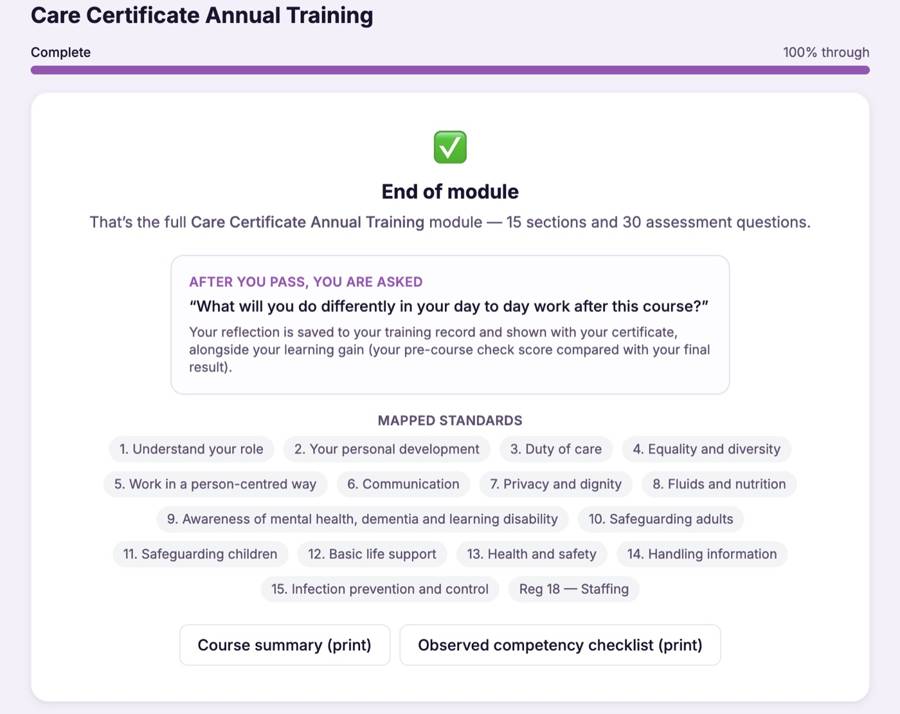
After passing, staff record what they will do differently in their day to day work. Their reflection is saved to their training record and shown with their certificate.
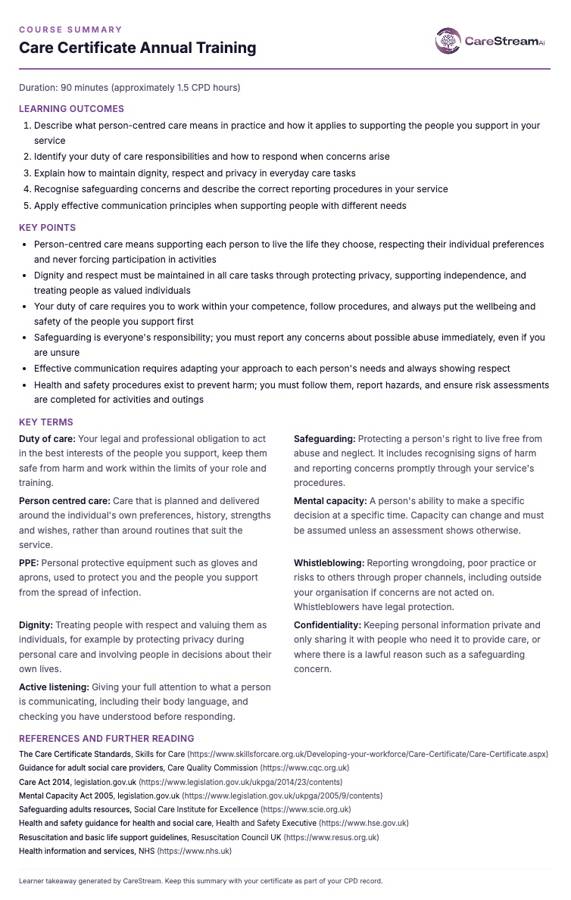
A printable one page takeaway of the outcomes, key points and key terms. Perfect for staff files, supervision conversations and the staff room wall.
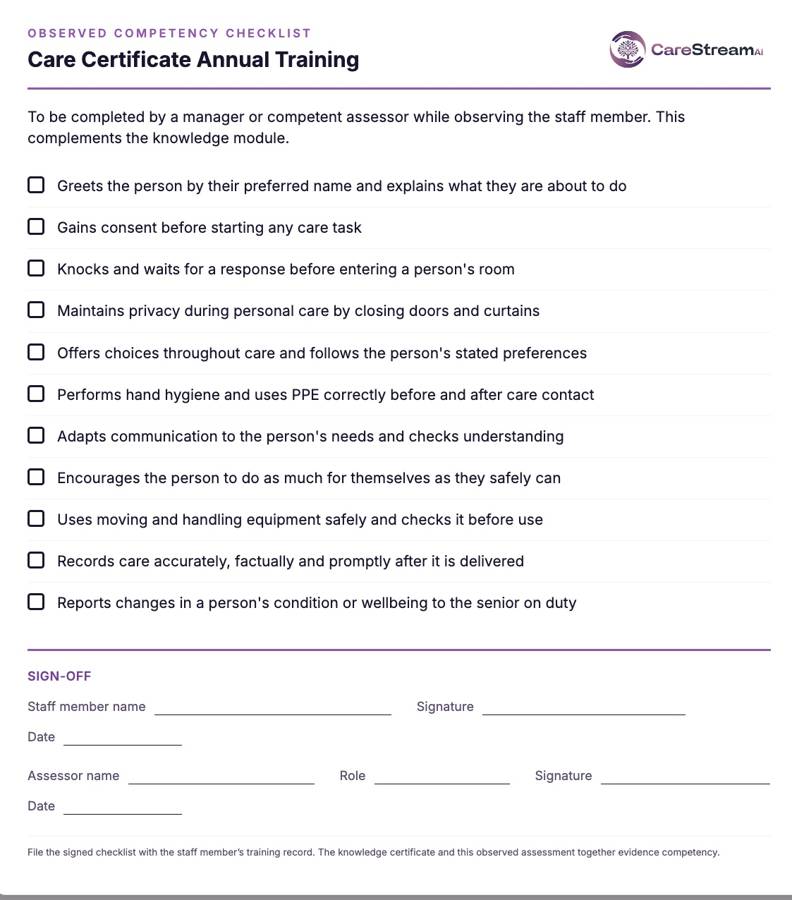
A printable checklist for managers to confirm skills in practice, with a sign off section. It completes the picture beyond the knowledge assessment.
Wrong answers become lessons, not failures
Most e learning marks an answer wrong and moves on. CareStream does not. Every wrong answer triggers an automatic follow up loop that teaches the point again and rechecks it, so no knowledge gap is left behind.
A wrong answer immediately opens a short lesson explaining the point, so the gap is closed there and then.
A fresh question on the same point checks the lesson has landed. The loop repeats until it has.
Staff move on to the next module and their certificate once they genuinely know the answer, not just after one lucky guess.
Why choose CareStream?
Training built for the care sector, delivered the way busy teams actually learn.
- 90+ care-specific training courses
- Bitesize, engaging lessons your staff actually finish
- Mapped to the Care Certificate & CQC standards
- Available in 60+ languages
- Instant certificate on completion
- Flexible learning, anytime, on any device
- Content kept up to date with UK care regulations
- Time to complete: ~35 min
Frequently asked questions.
Is Pressure Ulcer Categorisation and Tissue Viability Management training mandatory in care settings?
How often should staff complete Pressure Ulcer Categorisation and Tissue Viability Management training?
Can CareStream deliver Pressure Ulcer Categorisation and Tissue Viability Management training in other languages?
Does the training include an assessment?
More training your team may need
More mandatory and role-specific training CareStream delivers to your team, in the hub, in any language. Add any of these to your basket.
 Annual Certificate
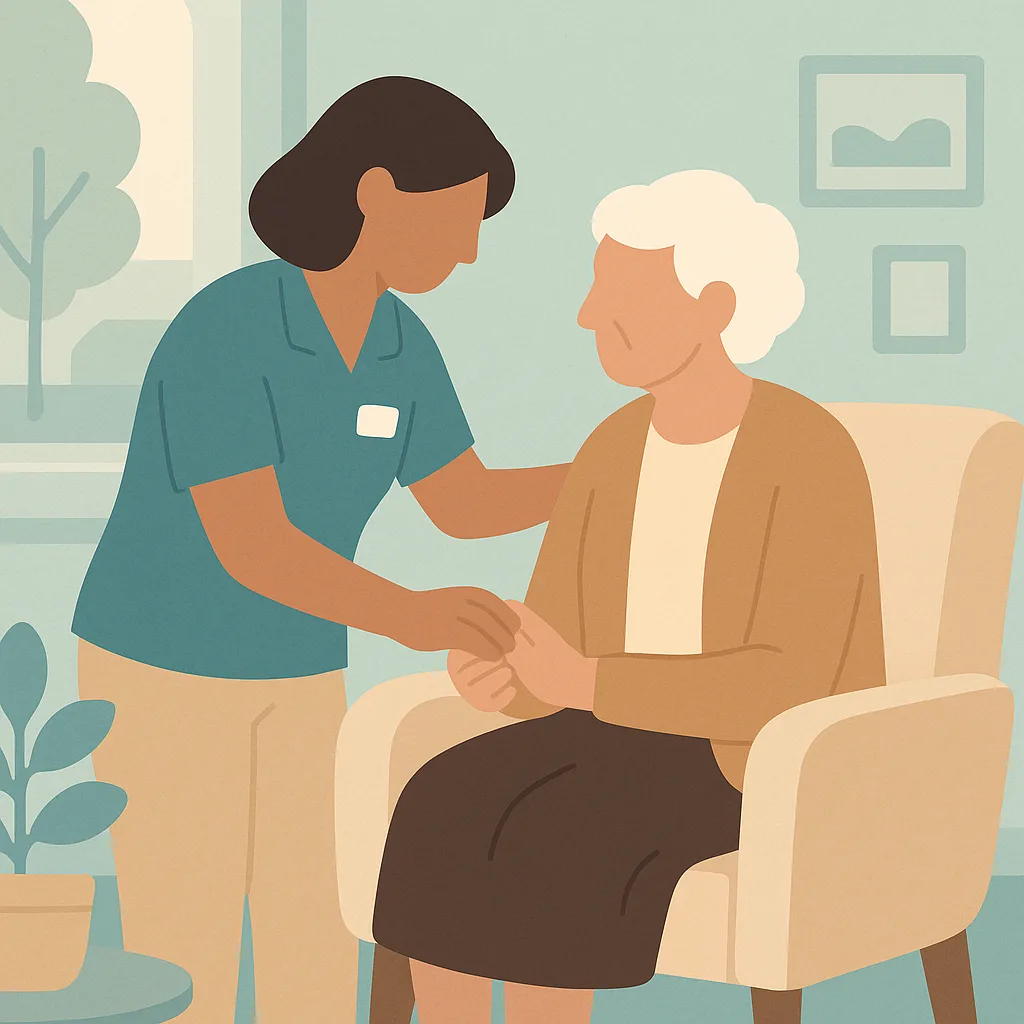
Cultural Diversity in Care
This training helps you understand and respect the diverse cultural, religious and personal backgrounds of the people we support. You will learn how to provide person-centred care that honours each individual's identity, beliefs and preferences. This is essential to meeting CQC fundamental standards and ensuring everyone feels valued and respected in our service.
Bulk discounts from 10+ licences
 Annual Certificate
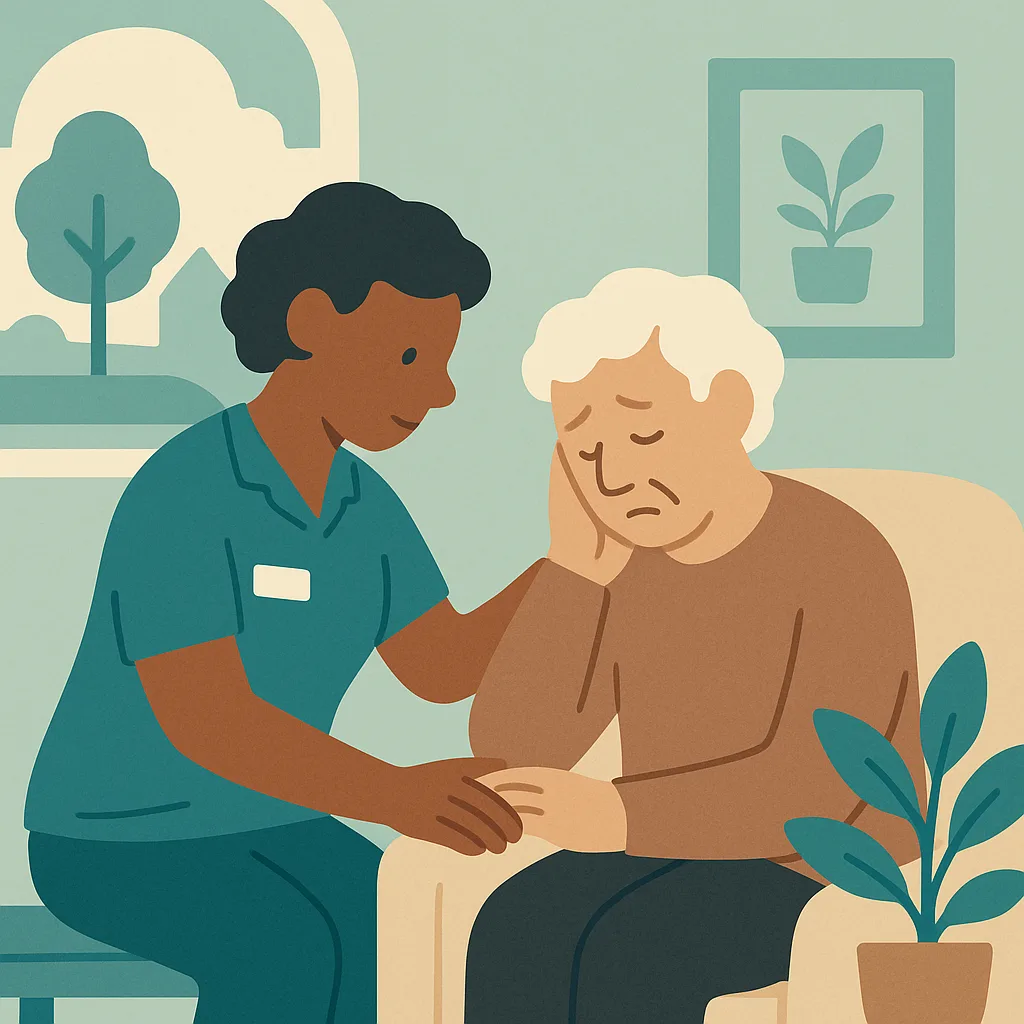
Dementia Awareness
This training helps you understand dementia and how to provide person centred care to residents living with dementia at our home. You will learn to recognise signs of dementia, support residents with dignity and respect, and follow our policies to meet their individual needs.
Bulk discounts from 10+ licences
 Annual Certificate
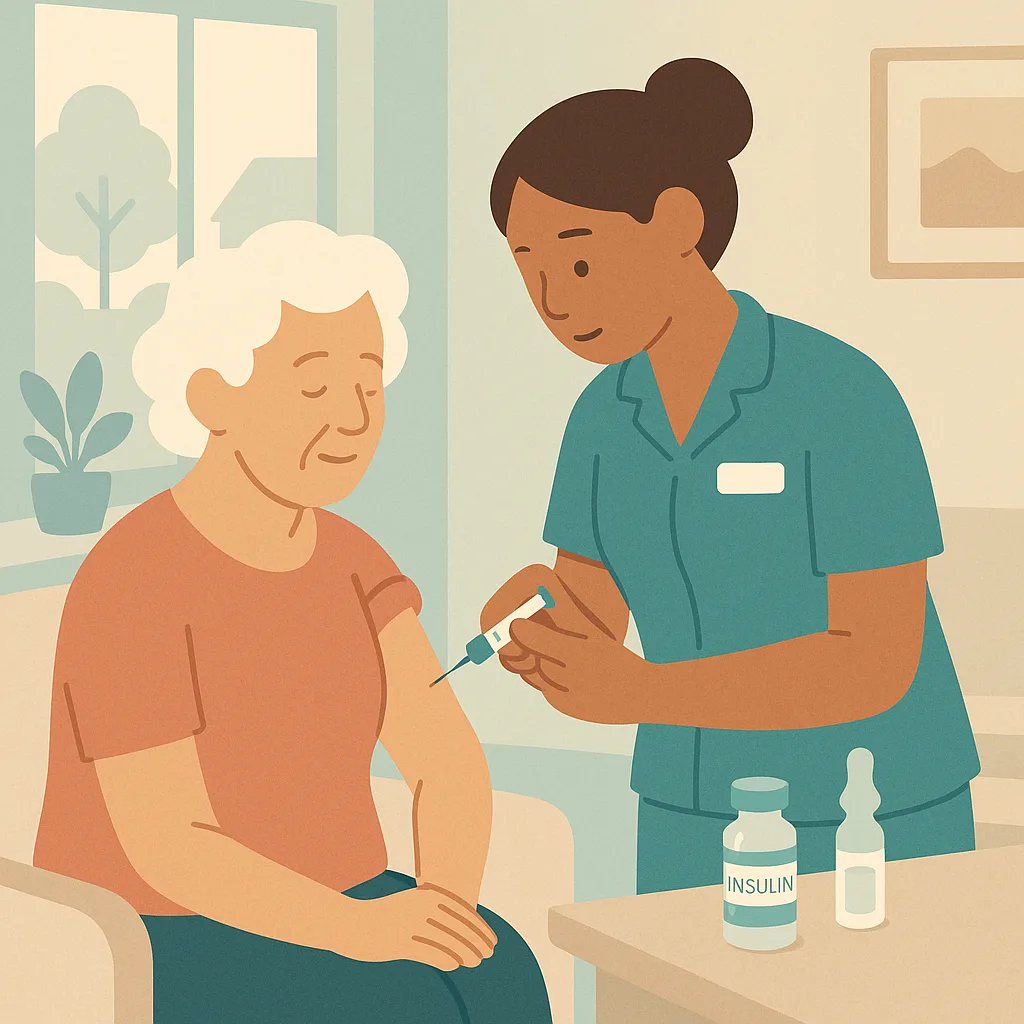
Mental Health Awareness
This module helps you recognise signs of mental health difficulties in residents and respond with compassion and respect. You will learn how mental health affects wellbeing, how to support residents experiencing distress, and when to seek additional help. Understanding mental health is essential to providing person centred care that maintains dignity.
Bulk discounts from 10+ licences
 Annual Certificate
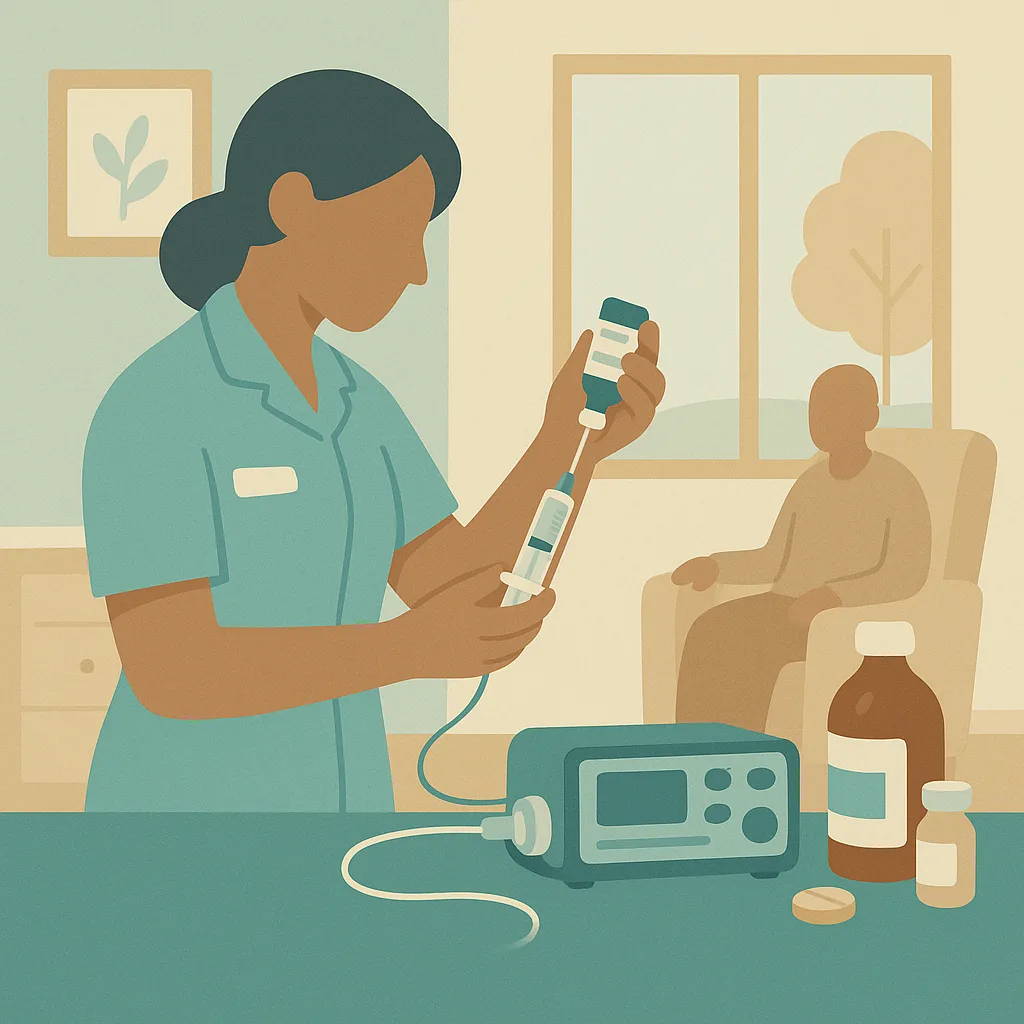
Subcutaneous, Intramuscular and Insulin Injections
This annual refresher covers the safe administration of subcutaneous and intramuscular injections, including insulin, in the nursing home setting. You will review injection sites, techniques, safety procedures and documentation requirements. This module provides the knowledge component only; practical competency must be assessed separately through direct observation.
Bulk discounts from 10+ licences
 Annual Certificate
Syringe Drivers and Anticipatory (End of Life) Medicines
This training covers the knowledge you need about anticipatory medicines (also called just in case medicines) and syringe drivers used in end of life care. You will learn what these medicines are, how they are stored and managed in our nursing home, and your role in supporting their safe use. This is the knowledge component only; practical competency in administering these medicines requires separate observed assessment.
Bulk discounts from 10+ licences
 Annual Certificate
Venepuncture and Cannulation
This annual refresher covers the essential knowledge for safe venepuncture and cannulation practice in our nursing home. You will review the principles of blood sampling and intravenous access, infection control requirements, patient safety considerations, and when to escalate concerns. This module covers the knowledge component only; practical competency must be assessed separately through direct observation.
Bulk discounts from 10+ licences
Give your team pressure ulcer categorisation and tissue viability management training that actually sticks.
Add it to your basket, allocate it in seconds, and let the evidence build itself.
Compared
Three ways to train a care team.
These modules are written and kept current by us, so your managers do not have to write or maintain them. We have compared what each approach does rather than naming providers, because products change and this should still be true next year.
| CareStream | A generic e-learning library | A trainer you book | |
|---|---|---|---|
| Try a real lesson and a real question before you buy | |||
| Learning outcomes and time to complete stated up front | |||
| Written lesson sections, each with its own illustration | |||
| Interactive exercises after the lesson that teaches them, in every module | |||
| Assessment in every module, with the key points to revisit | |||
| Taken in any of sixty plus languages | |||
| A wrong answer triggers a follow-up lesson, not just a re-sit | |||
| Practical sign-off by a manager where the subject needs it | |||
| Completion files itself into your training matrix and evidence pack | |||
| Bought one module at a time, with no annual contract |
Generic libraries are often cheaper per learner. They teach a national standard rather than being built, updated and evidenced around the way a CQC-registered service is actually inspected.
Care policies
Every module is written from a policy
If the policy behind it is out of date, the training inherits that. Sixty six policies written for your service, checked against current law and read by a person before they carry your name, from £39.