Children’s Palliative Care training that gets your team CQC-ready
- CQC-aligned, mapped to the Care Certificate framework
- Completed in the hub in over 60 languages
- A certificate for every staff member, for your CQC evidence
- A wrong answer triggers a follow-up lesson, so gaps are closed
No subscription needed. Bulk discounts from 10+ licences.
From £25.99 per staff member, one-off. No subscription needed.
Trusted by UK care providers
Specialists in the technology behind it all
The same technology behind the world's best products powers CareStream, so your team's children’s palliative care training stays accurate, always up to date with the latest guidance, and is delivered in over 60 languages.
Understanding Children's Palliative Care
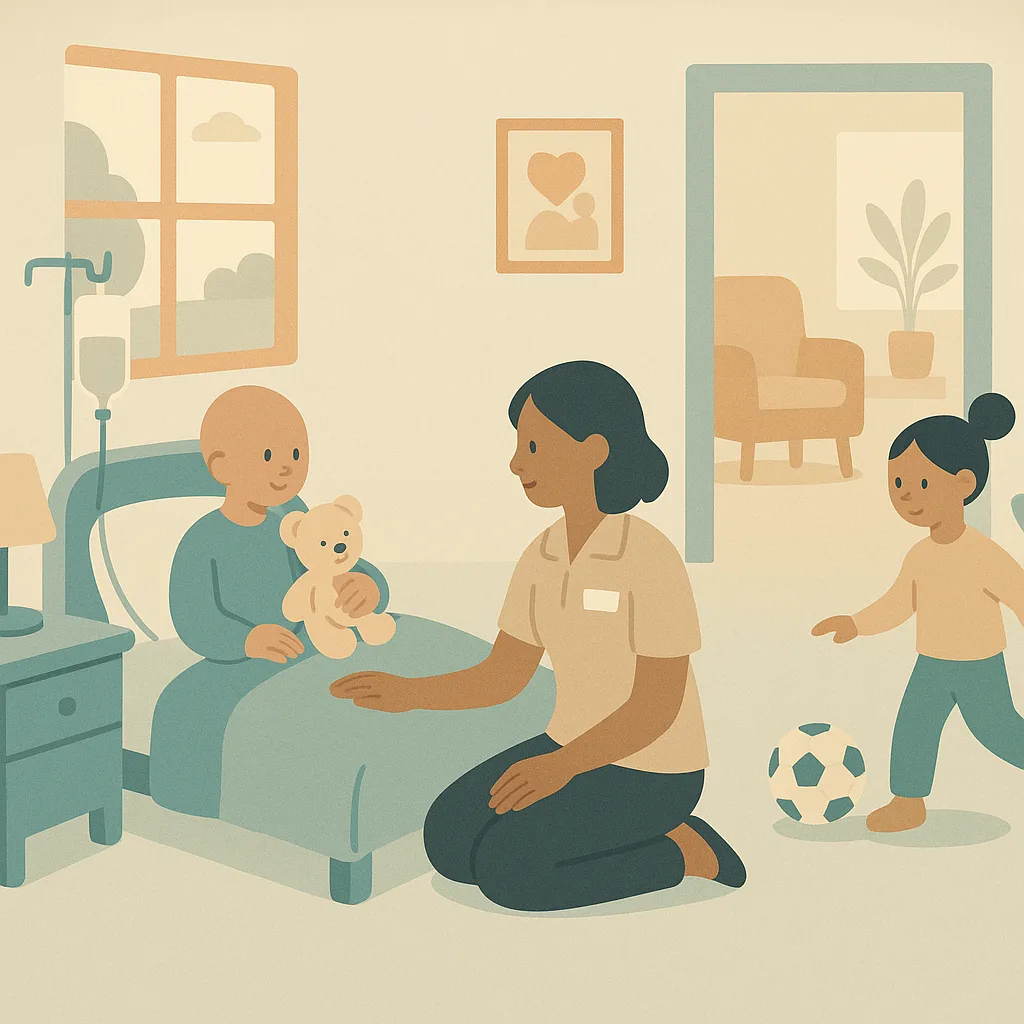
Children's palliative care is genuinely different from adult palliative care, not just a smaller version of it. Many children live with their conditions for years, so our care is as much about helping them have a full childhood with play, education, friendships and fun as it is about end of life.
We care for the whole family, including well siblings and grandparents. Our hospice is far more often a place for living than a place for dying, with most of our contact through short breaks and respite.
What is the main reason children's palliative care is distinct from adult palliative care?
In the hub, a wrong answer sends the staff member a short follow-up lesson and a fresh question on the same point. They close the gap before they can finish the module, and every attempt is recorded for your CQC evidence.
That is how the training works. Give your whole team the full Children’s Palliative Care module.
Avg. Duration
About 35 minutes
Certificate
For every staff member
Available Languages (60+)
Course Published by

A clear, practical grounding in children’s palliative care.
This training prepares you to provide skilled, compassionate care to children and young people with life-limiting conditions and their families in our children's hospice. You will learn how to support the whole family through living, dying and bereavement, combining clinical excellence with play, joy and ordinary childhood. This is the foundation of everything we do here.
By the end, your staff will be able to:
- Describe the four categories of life-limiting and life-threatening conditions and explain why children's palliative care is distinct from adult palliative care
- Identify how to provide holistic, family-centred care that supports the whole family including siblings and grandparents
- Explain how to communicate honestly and age-appropriately with children and families about serious illness and dying
- Apply symptom management principles tailored to children including pain, seizures and breathlessness
- Recognise the importance of short breaks, memory making and long-term bereavement support in children's hospice work
A closer look at the children’s palliative care module.
The module is built in short, practical sections. Each one teaches a part of the topic, then applies it to a real care scenario and checks understanding before moving on.
Understanding Children's Palliative Care
Children's palliative care is genuinely different from adult palliative care, not just a smaller version of it. Many children live with their conditions for years, so our care is as much about helping them have a full childhood with play, education, friendships and fun as it is about end of life. We care for the whole family, including well siblings and grandparents. Our hospice is far more often a place for living than a place for dying, with most of our contact through short breaks and respite.
The Four Categories of Life-Limiting Conditions
We work with children across four broad categories of life-limiting and life-threatening conditions. Category 1 includes conditions where curative treatment may be possible but can fail, like cancer. Category 2 includes conditions requiring intensive long-term treatment to prolong life, like cystic fibrosis or severe heart conditions. Category 3 includes progressive conditions without curative options, like muscular dystrophy or metabolic diseases. Category 4 includes severe, non-progressive conditions causing extreme vulnerability and complications, like severe cerebral palsy. Understanding these categories helps us plan appropriate care and support.
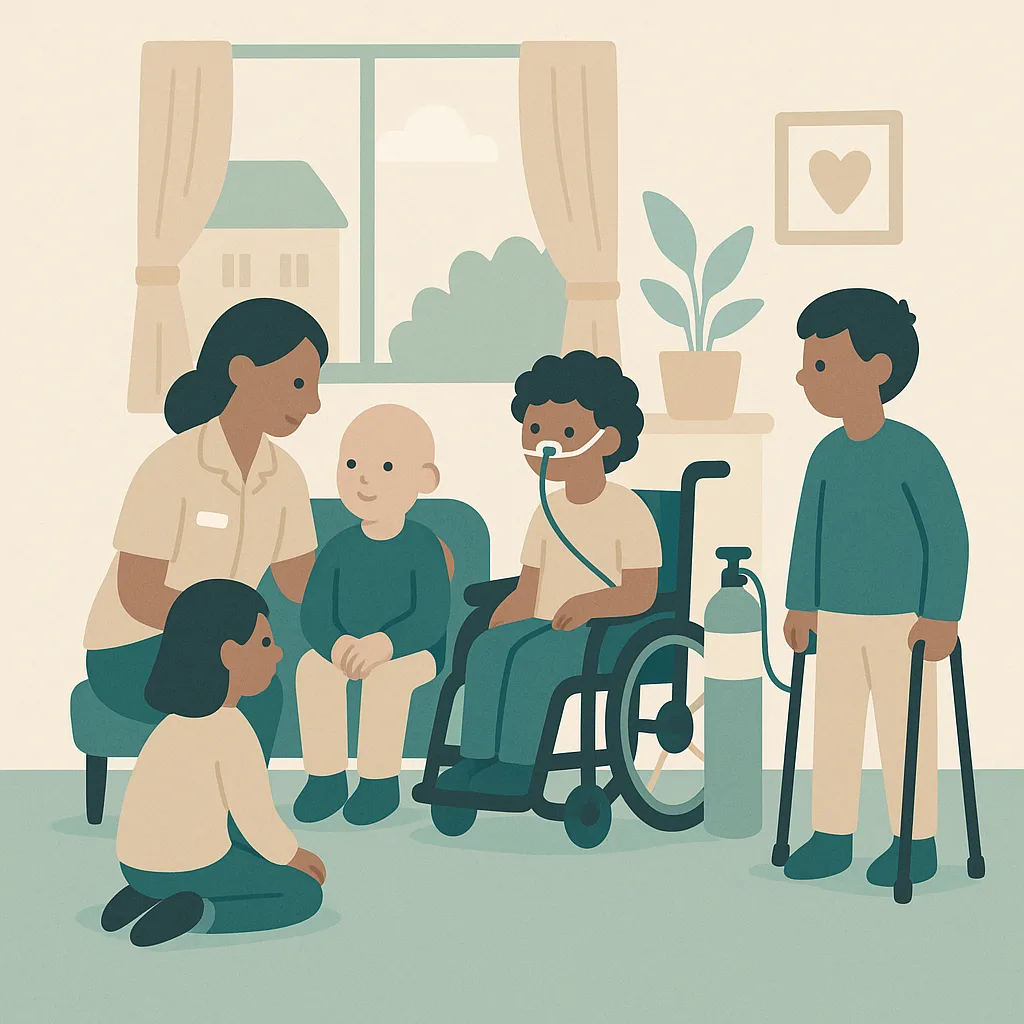
Family-Centred Care and Supporting Siblings
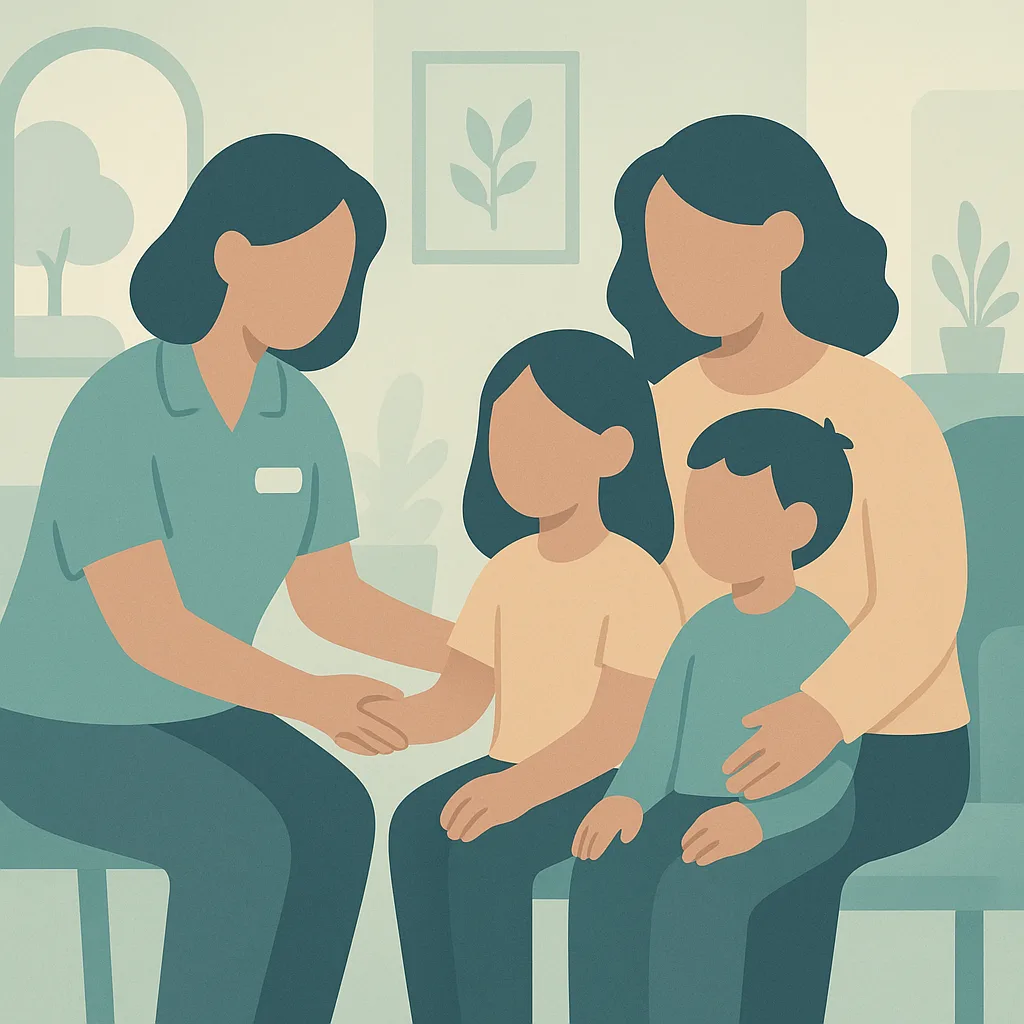
We provide care to the whole family, not just the child with the life-limiting condition. Parents are partners in care and usually the real experts in their child's needs. Well siblings are deeply affected by their brother or sister's illness and need their own support, space and groups where they can be children without the weight of caring. Grandparents and the wider family are also part of our care. We build deep, trusting relationships over many years, getting to know each child as a whole person, not just a diagnosis.
Honest and Age-Appropriate Communication
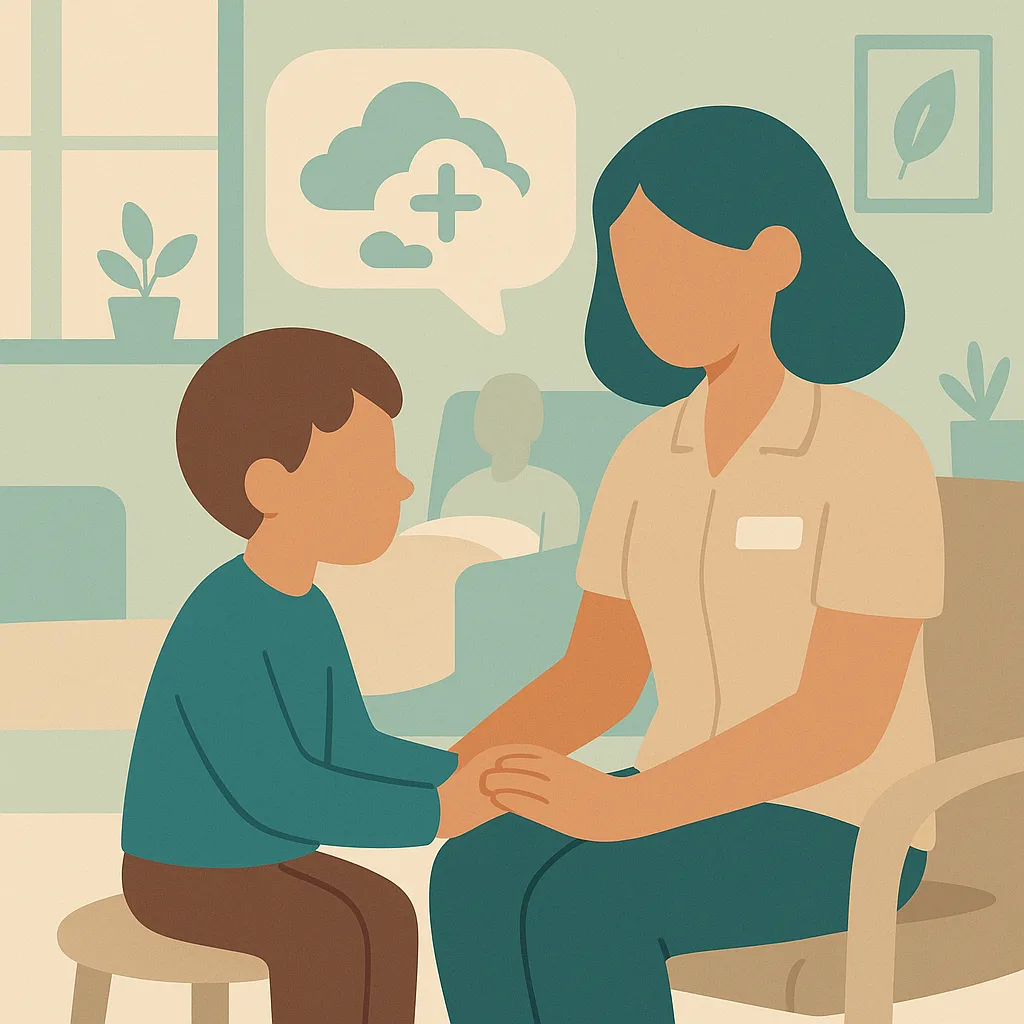
We communicate honestly with children and families in ways suited to the child's age and understanding. This includes the immensely difficult work of talking with children about dying when appropriate. We never lie to children, but we tailor our words to what they can understand and what they are asking. We support families through unbearable conversations and help them find the right words. Children often know more than adults think they do, and honest communication builds trust and reduces fear.
Symptom Management in Children
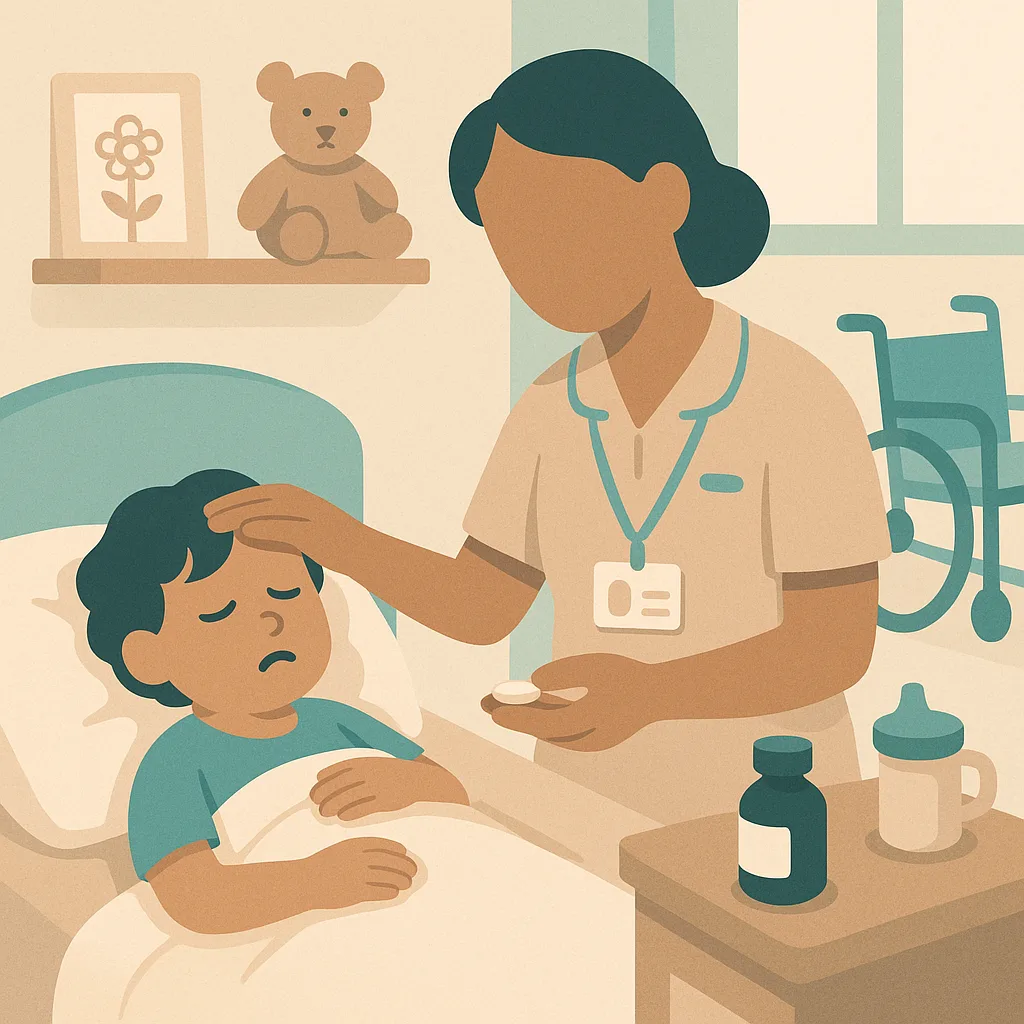
We manage symptoms like pain, seizures, breathlessness, secretions and feeding difficulties with care tailored to children. Medicines must be given at doses appropriate to a child's age and weight, never adult doses. We use comfort measures, positioning, distraction and play alongside clinical interventions. Pain assessment in children who cannot speak requires careful observation of behaviour, facial expression, body tension and changes in their usual pattern. We work closely with our medical team and follow each child's individual care plan.
Short Breaks and the Joy of Childhood
Short breaks and respite are a central part of our work. We provide skilled clinical care and genuine fun in the same breath, making the most of our hydrotherapy pool, sensory rooms, music, art, play and trips. We help children have ordinary childhood pleasures while managing complex symptoms, medicines, feeding, seizures and breathing with confidence. These stays give exhausted parents precious rest and build deep relationships with families over many years. Every short break is about living well.
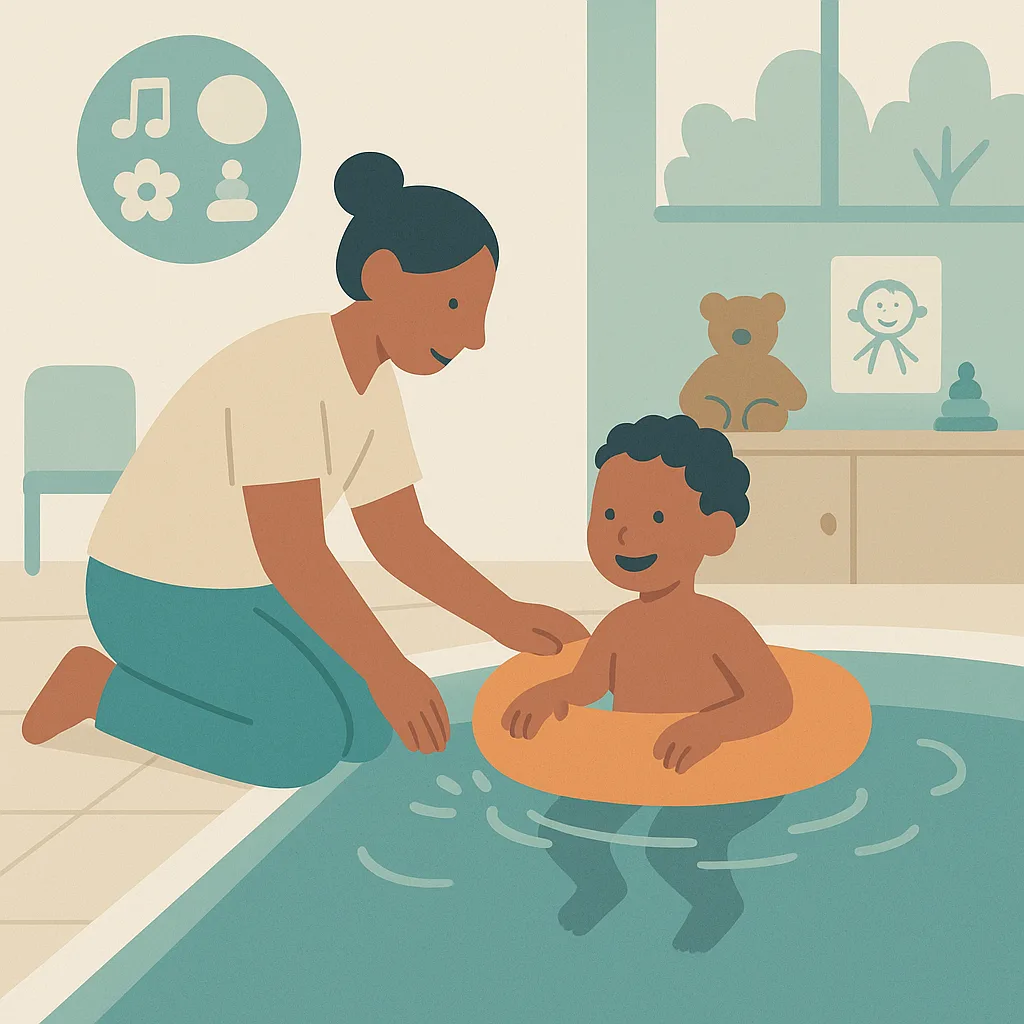
Advance Care Planning and Parallel Planning
Advance care planning helps families prepare for possible deterioration and death while still hoping for every good day. This is called parallel planning, hoping for the best while preparing for the worst. We support families to create emergency care plans and advance care plans that record the child's and family's wishes, preferred place of care, and what matters most to them. These plans are shared with hospitals, community teams and ambulance services. Planning ahead reduces crisis decisions and helps families feel more in control.
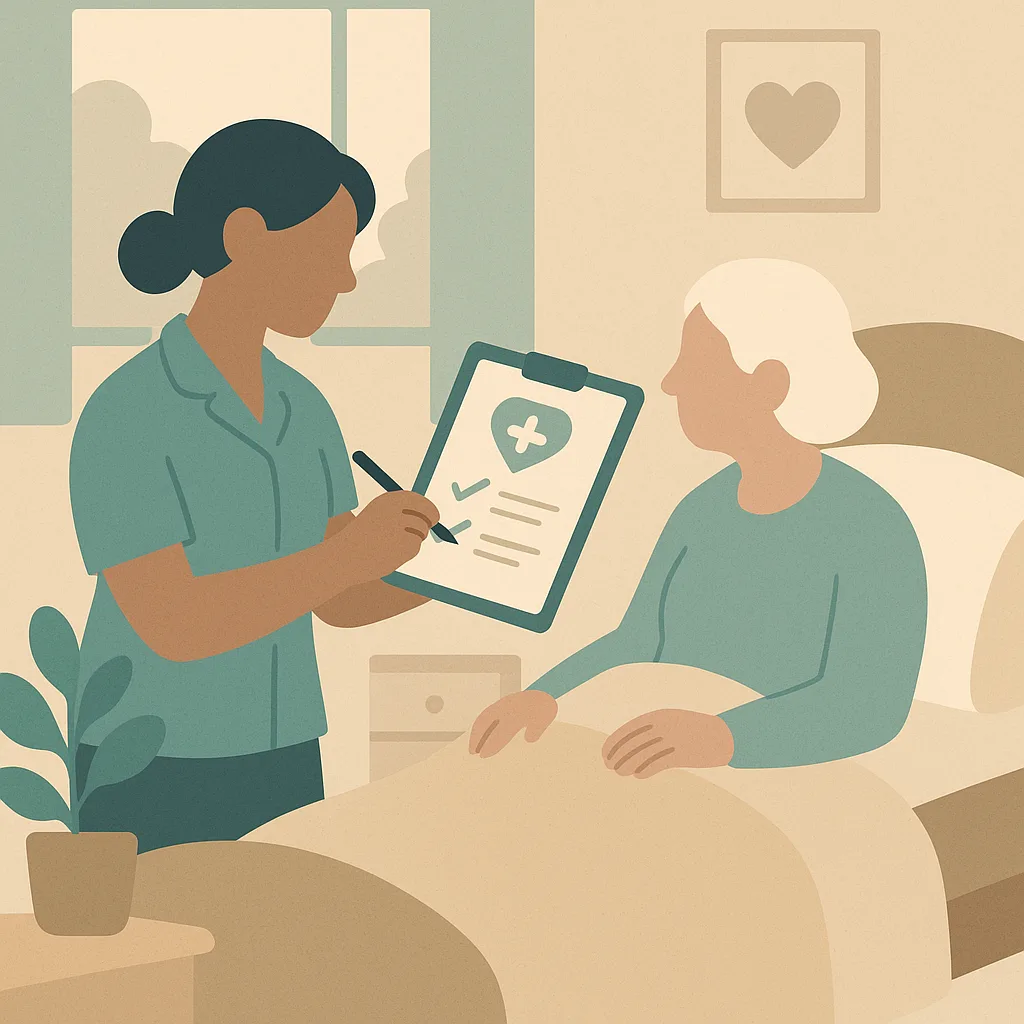
Care at End of Life and After Death
When a child is dying, we provide gentle, skilled care focused on comfort, dignity and family time. After death, we offer our cool bedroom so families can keep their child with them for precious unhurried days. We support memory making including handprints, locks of hair, photographs and memory boxes that families treasure forever. We care for the child's body with deep respect. Cultural, spiritual and religious needs guide everything we do. There is no rush. Families lead and we follow.
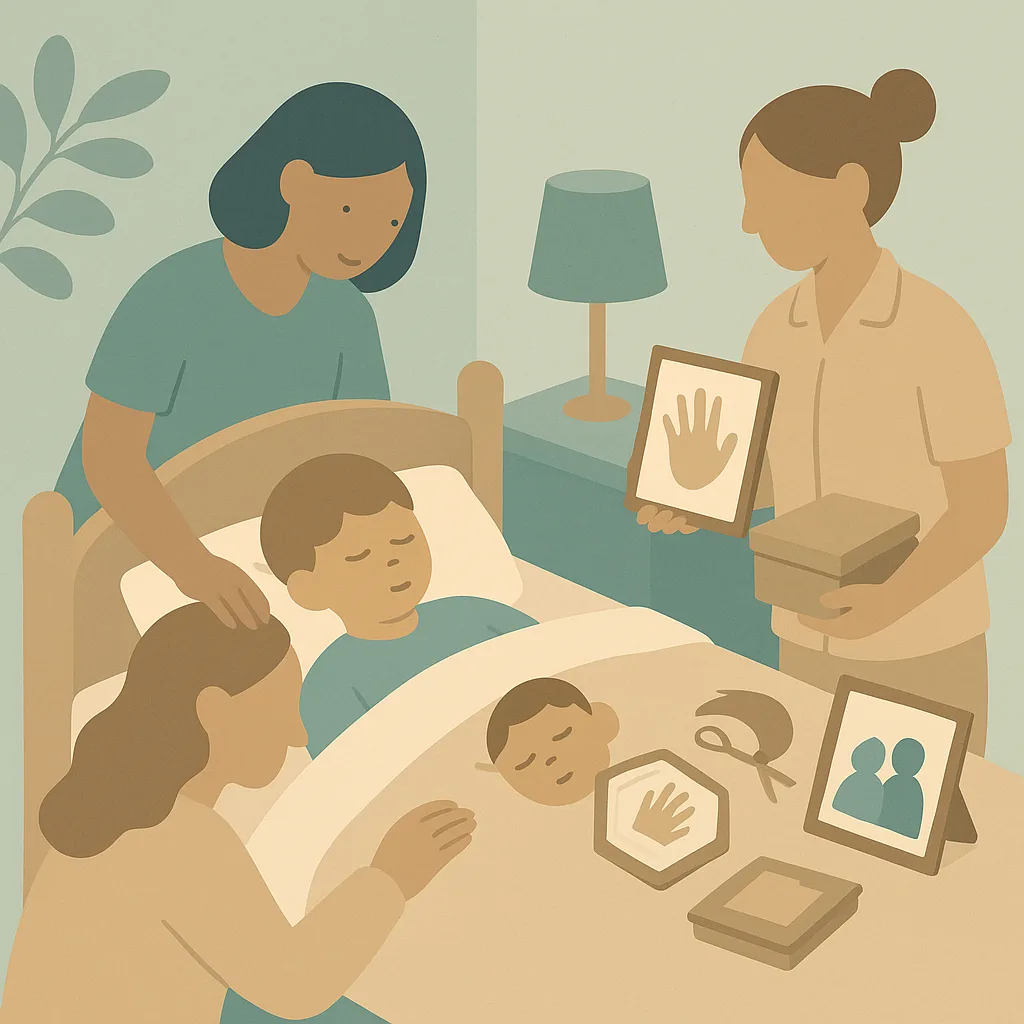
Long-Term Bereavement Support
Our bereavement care does not end when a child dies. We support the whole family for as long as they need it, through home visits, sibling support groups, remembrance events and marking anniversaries. Grief for a child is lifelong and families often return to us months or years later. We hold families in our hearts forever. Sibling bereavement support is especially important as brothers and sisters carry their grief into adulthood.
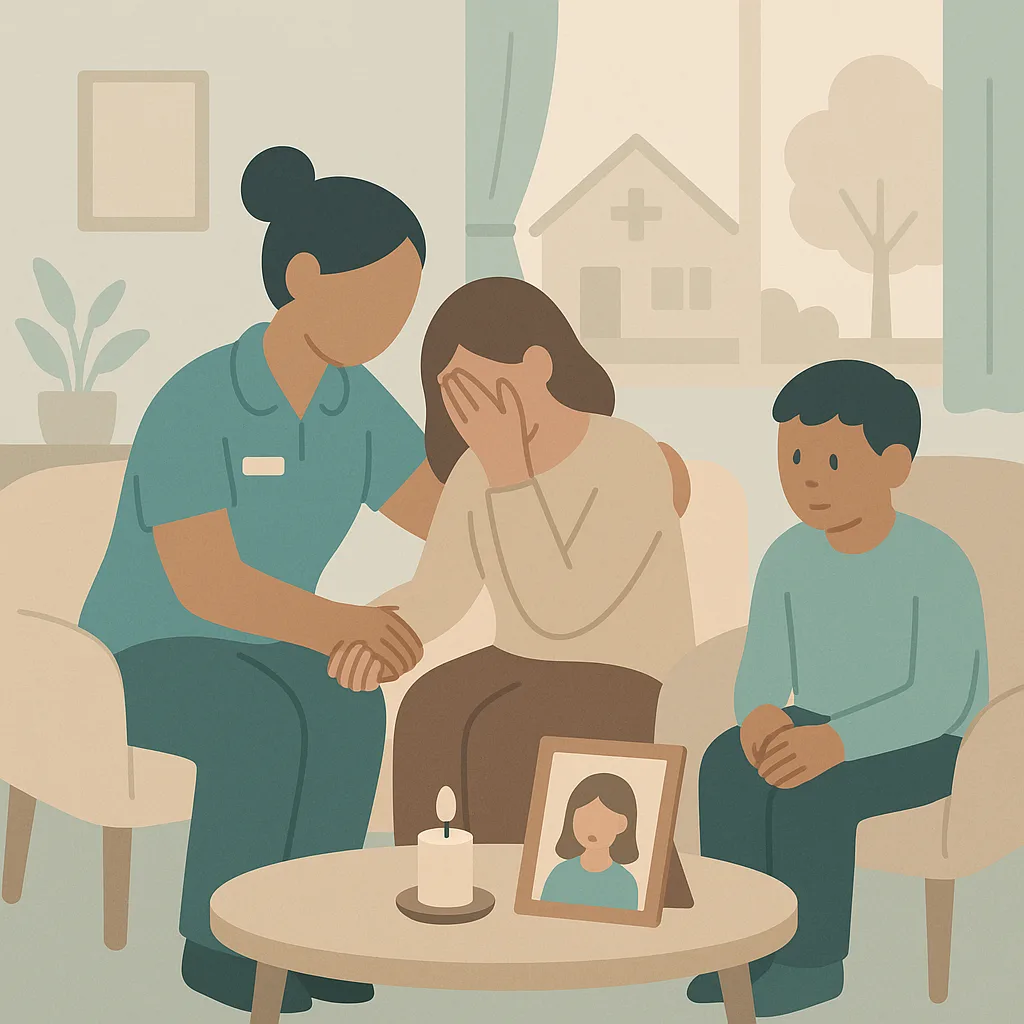
Safeguarding and Staff Support
Safeguarding children runs through everything we do. We follow the Children Acts and working together to safeguard children guidance. Any concern about a child's safety must be reported immediately to our named safeguarding leads. We also recognise that caring for dying children carries immense emotional weight. We support each other through reflective practice, debriefs after a child's death, supervision and attention to our own well-being and resilience. It is vital to talk about how this work affects you and to seek support when you need it.
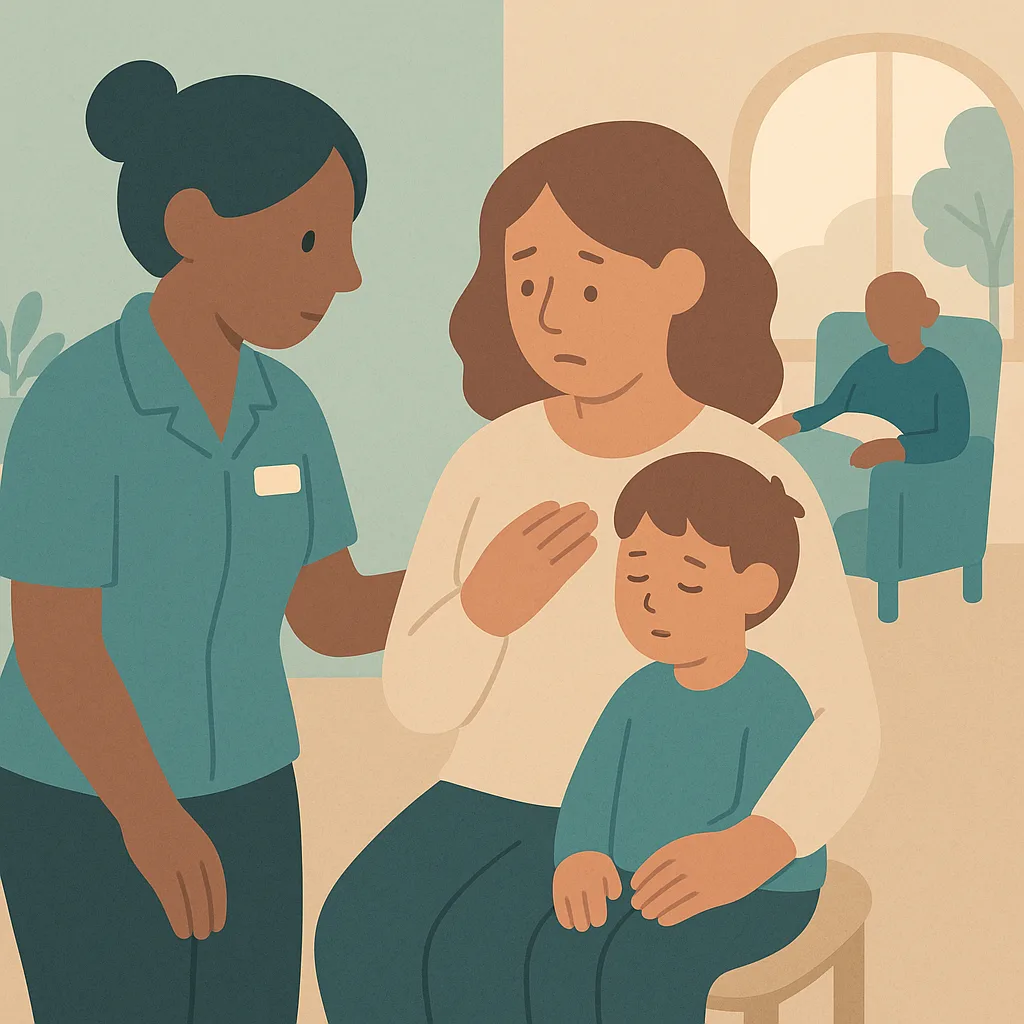
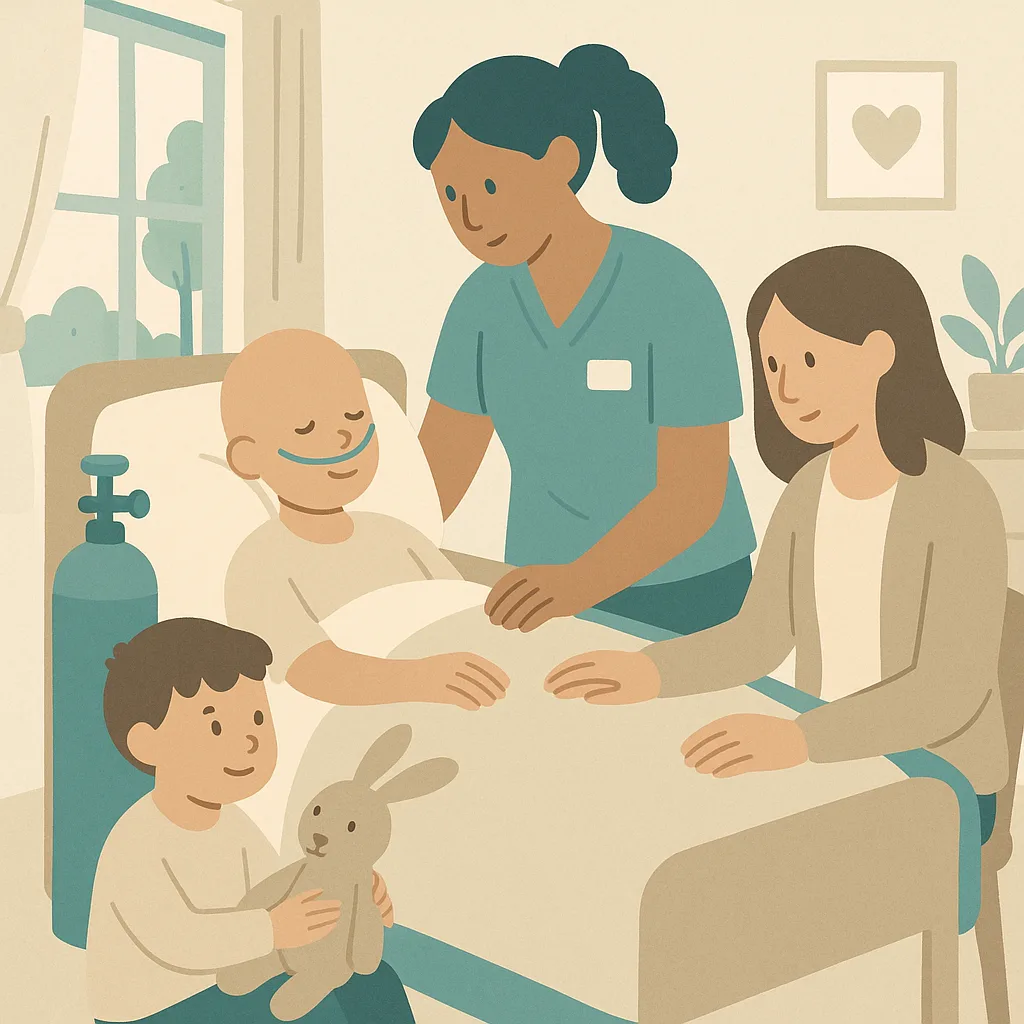
The things your team must remember.
- Children's palliative care is about the whole childhood journey over many years, not just end of life, and our hospice is a place for living and joy as much as for dying.
- We care for the whole family including well siblings and grandparents, building deep relationships and recognising parents as partners and experts in their child's needs.
- Honest, age-appropriate communication with children and families builds trust, and children often know more than we think they do.
- Symptom management in children requires careful observation, especially for those who cannot speak, and medicines must always be at doses appropriate to the child.
- Short breaks combine skilled clinical care with play, fun and ordinary childhood, and bereavement support continues for as long as families need it.
- Safeguarding is paramount, staff support and reflective practice are essential, and we must care for our own well-being to sustain this deeply emotional work.
Not a slideshow once a year. Training that sticks.
CareStream delivers children’s palliative care training in the hub your team already uses, grounded in best practice and your own policies, so it fits your care setting and not a generic template.
Short teaching sections and a real care scenario, then an assessment that checks understanding.
Staff complete it in over 60 languages, while your records stay in English.
A wrong answer triggers a short follow-up lesson and a fresh question, so the gap is closed.
Automatic reminders at 90, 30 and 7 days, with a live compliance dashboard.
From your dashboard to your team, in the CareStream hub.
Training is delivered in the hub each staff member logs into. You allocate the modules, they complete them in their own language, and you get the completion records and certificates for your CQC evidence, with any gaps closed by automatic follow up training.
Assign Children’s Palliative Care to each staff member in seconds. No course builder and no setup for each person.
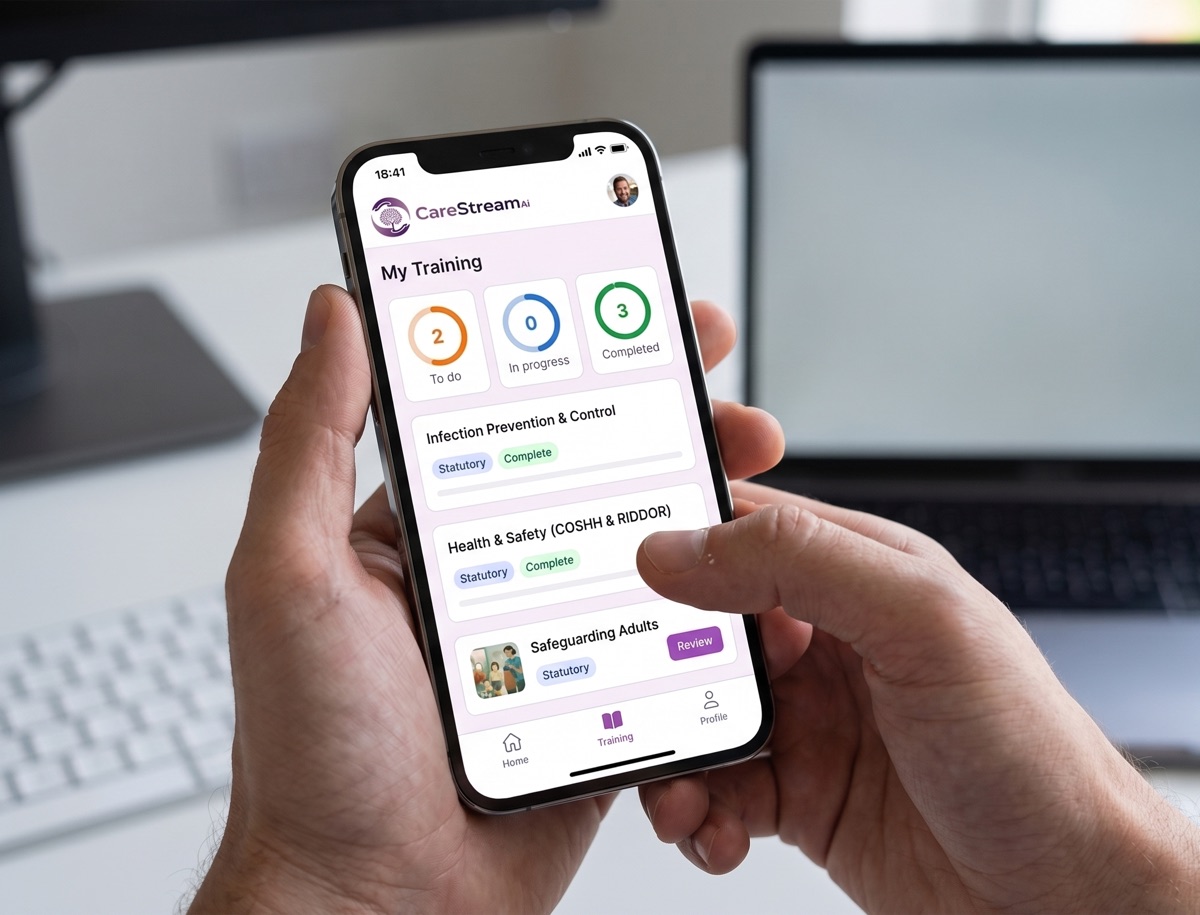
Staff work through the module on any device, in over 60 languages, teaching then checking understanding. A wrong answer sends a short follow up lesson.
See live completion status and a certificate for every person, ready as evidence for CQC.
Any step, in their language, in one tap.
Care teams are diverse and training should not leave anyone behind. On any lesson or question, a staff member taps the language button and the whole step flips into the language they think in. They understand it properly, and your records stay in English.
- One tap flips any lesson or question into their language, instantly.
- Over 60 languages, with no setup and no separate versions to manage.
- Completions and certificates stay in English for your CQC evidence.
Try the language buttons in the preview above.
Built for real learning, not box ticking
Every CareStream course goes further than a lesson and a quiz. These features come as standard on every course, giving your staff a richer way to learn and giving you the evidence to prove it.
Every course is built on recognised UK guidance and cites its sources, from NICE and Skills for Care to the NHS and the legislation itself.
A plain English glossary of the technical terms in each course. A simple way to support every learner, including staff with English as a second language.
A quick knowledge check before the lesson is compared with the final assessment, so every certificate comes with evidence of how much the course actually taught.
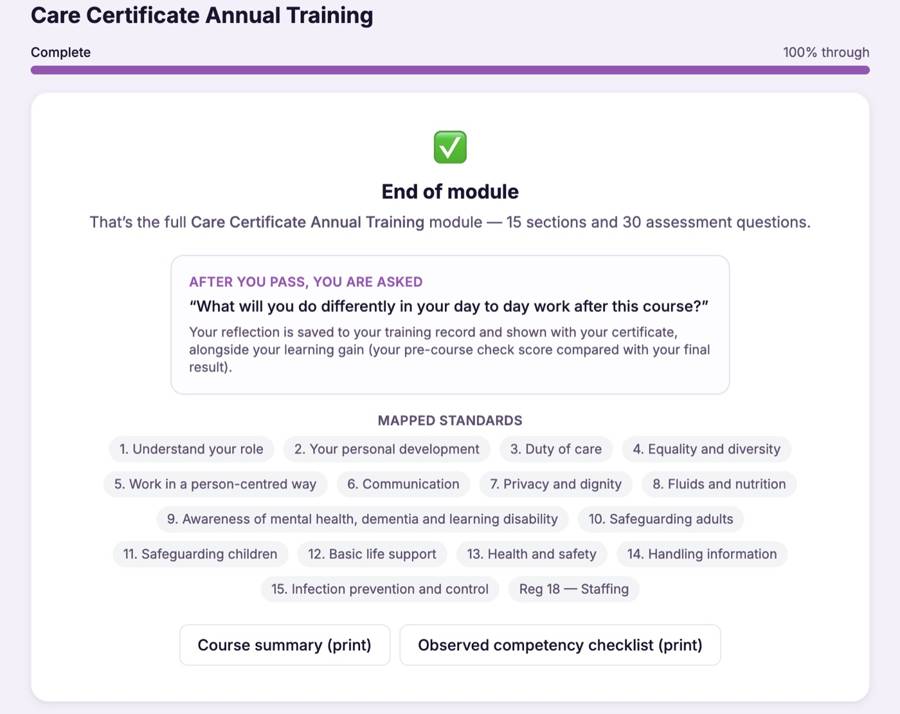
After passing, staff record what they will do differently in their day to day work. Their reflection is saved to their training record and shown with their certificate.
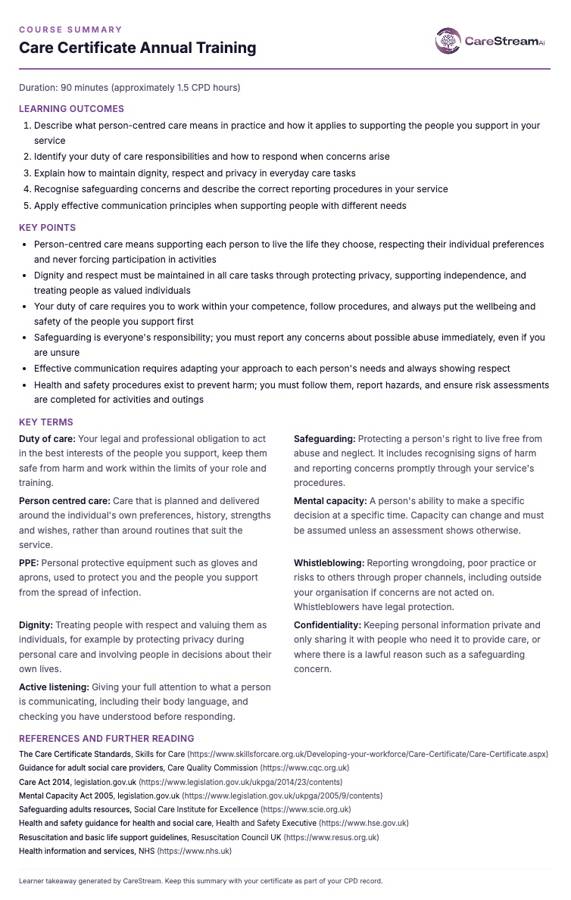
A printable one page takeaway of the outcomes, key points and key terms. Perfect for staff files, supervision conversations and the staff room wall.
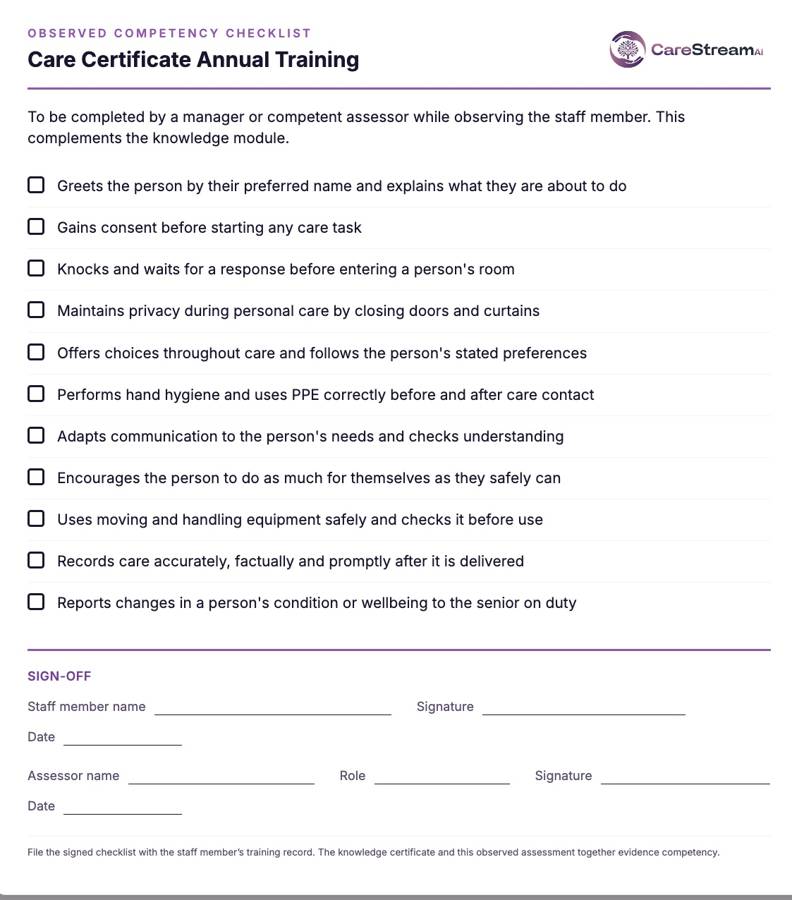
A printable checklist for managers to confirm skills in practice, with a sign off section. It completes the picture beyond the knowledge assessment.
Wrong answers become lessons, not failures
Most e learning marks an answer wrong and moves on. CareStream does not. Every wrong answer triggers an automatic follow up loop that teaches the point again and rechecks it, so no knowledge gap is left behind.
A wrong answer immediately opens a short lesson explaining the point, so the gap is closed there and then.
A fresh question on the same point checks the lesson has landed. The loop repeats until it has.
Staff move on to the next module and their certificate once they genuinely know the answer, not just after one lucky guess.
Why choose CareStream?
Training built for the care sector, delivered the way busy teams actually learn.
- 90+ care-specific training courses
- Bitesize, engaging lessons your staff actually finish
- Mapped to the Care Certificate & CQC standards
- Available in 60+ languages
- Instant certificate on completion
- Flexible learning, anytime, on any device
- Content kept up to date with UK care regulations
- Time to complete: ~35 min
Frequently asked questions.
Is Children’s Palliative Care training mandatory in care settings?
How often should staff complete Children’s Palliative Care training?
Can CareStream deliver Children’s Palliative Care training in other languages?
Does the training include an assessment?
More training your team may need
More mandatory and role-specific training CareStream delivers to your team, in the hub, in any language. Add any of these to your basket.
 Annual Certificate
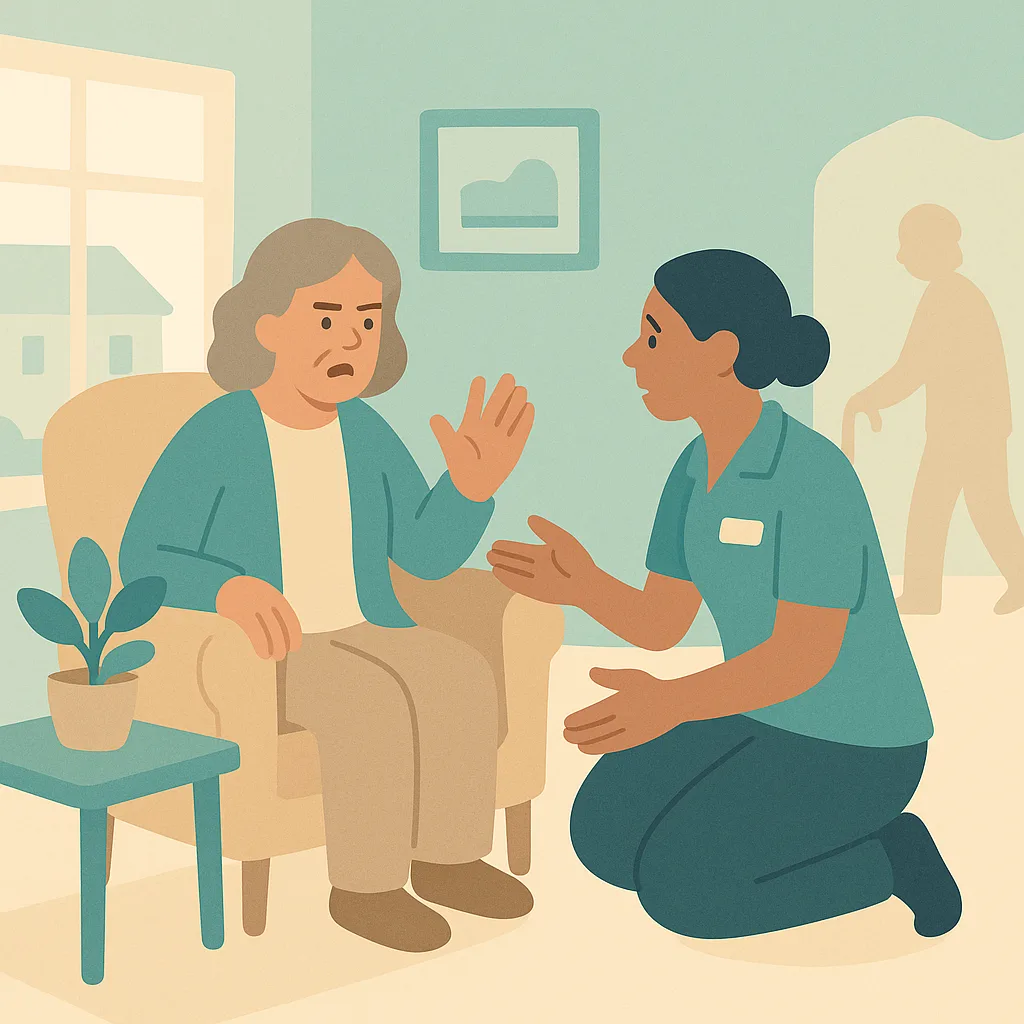
Positive Behaviour Support / De-escalation
This module teaches you how to support residents who display behaviours that challenge, using positive approaches to prevent distress and de-escalate situations safely. You will learn how to recognise triggers, respond calmly, and follow your organisation's policies on managing antisocial behaviour while protecting everyone's dignity and safety.
Bulk discounts from 10+ licences
 Annual Certificate
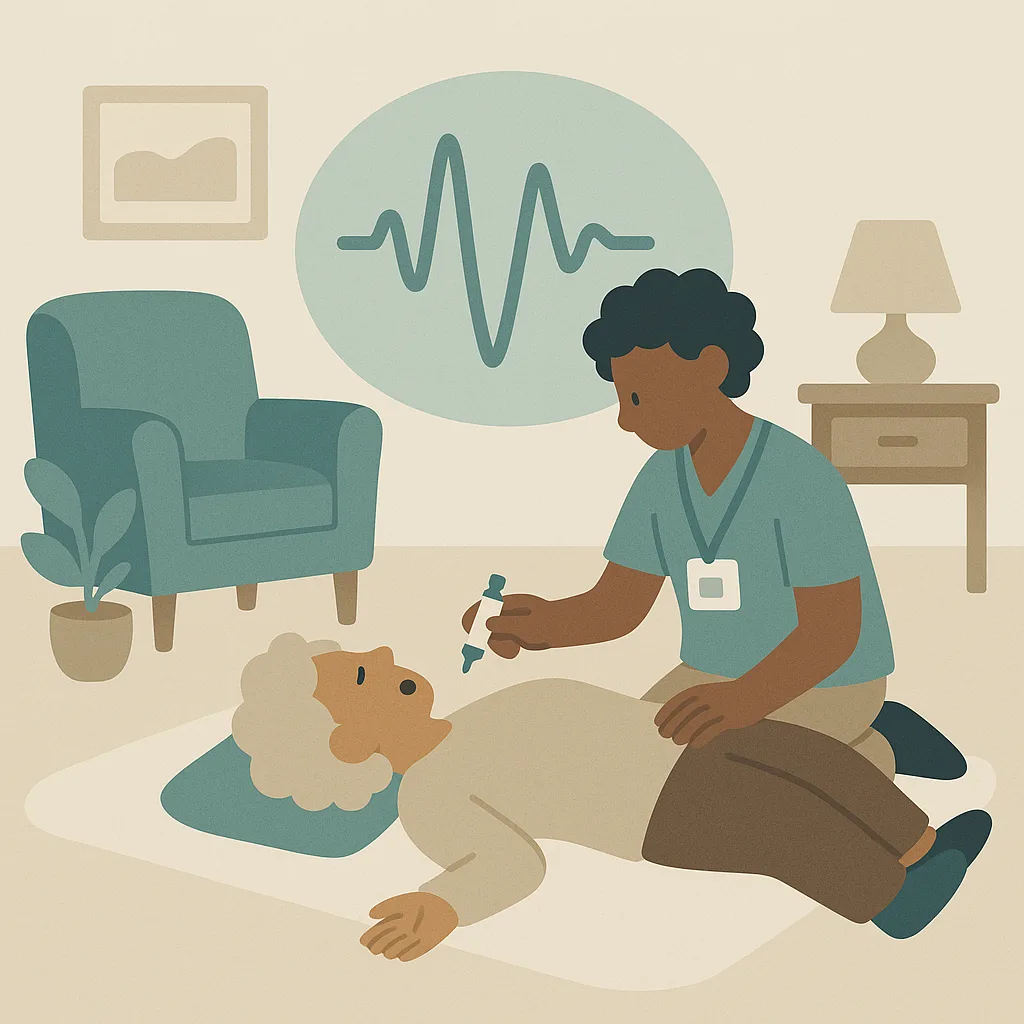
Epilepsy and Buccal Midazolam Administration
This annual refresher covers how we support residents with epilepsy at the Home, including recognising seizures, keeping people safe during episodes, and the knowledge requirements for buccal midazolam administration. This training covers the knowledge component only. Practical competency assessment must be completed separately before you can administer buccal midazolam in real situations.
Bulk discounts from 10+ licences
 Annual Certificate
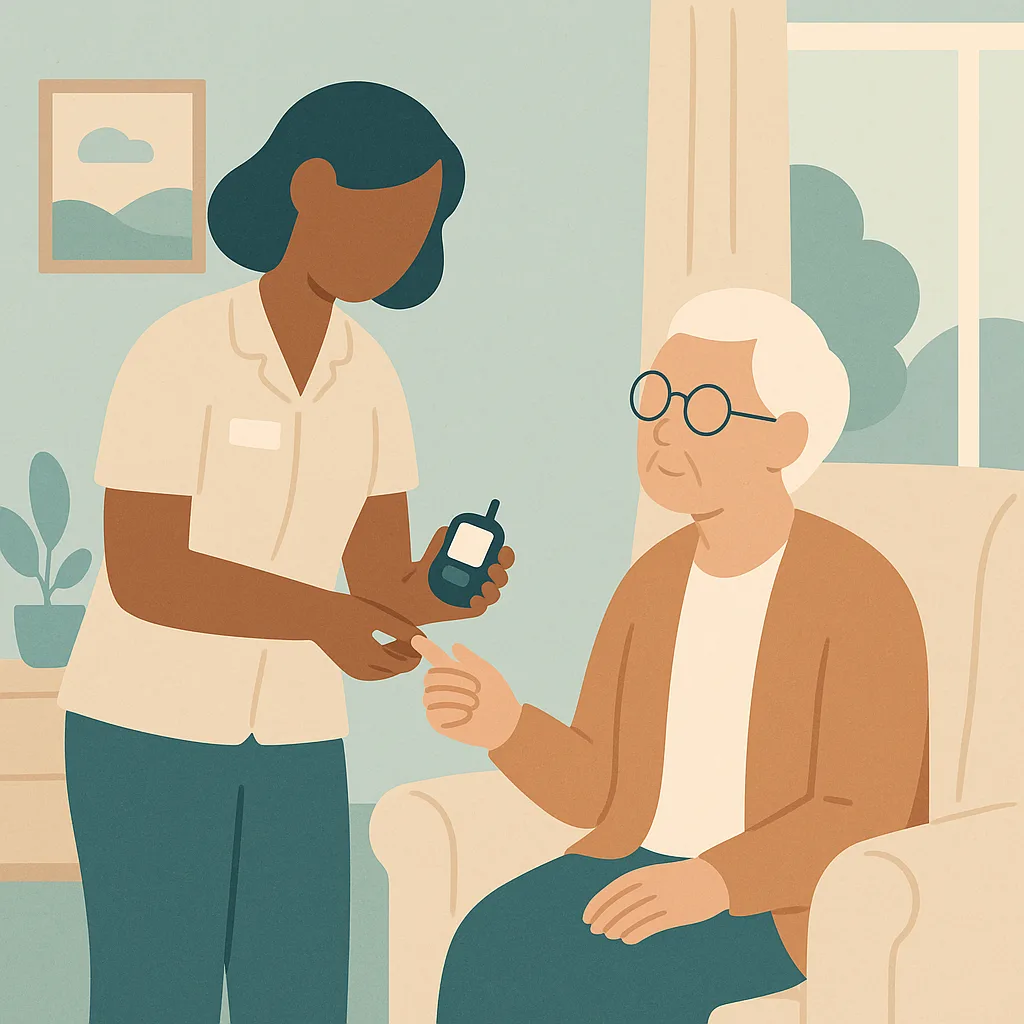
Diabetes Awareness
This annual refresher training covers the essential knowledge and skills you need to support residents with diabetes. You will learn about the types of diabetes, how residents are assessed and their care planned, how to recognise and respond to complications like hypoglycaemia, and how residents are empowered to manage their own condition wherever safely possible. This training reflects good practice for diabetes care in care homes and should be applied alongside your organisation's policies and procedures, helping ensure high quality, person centred care.
Bulk discounts from 10+ licences
 Annual Certificate
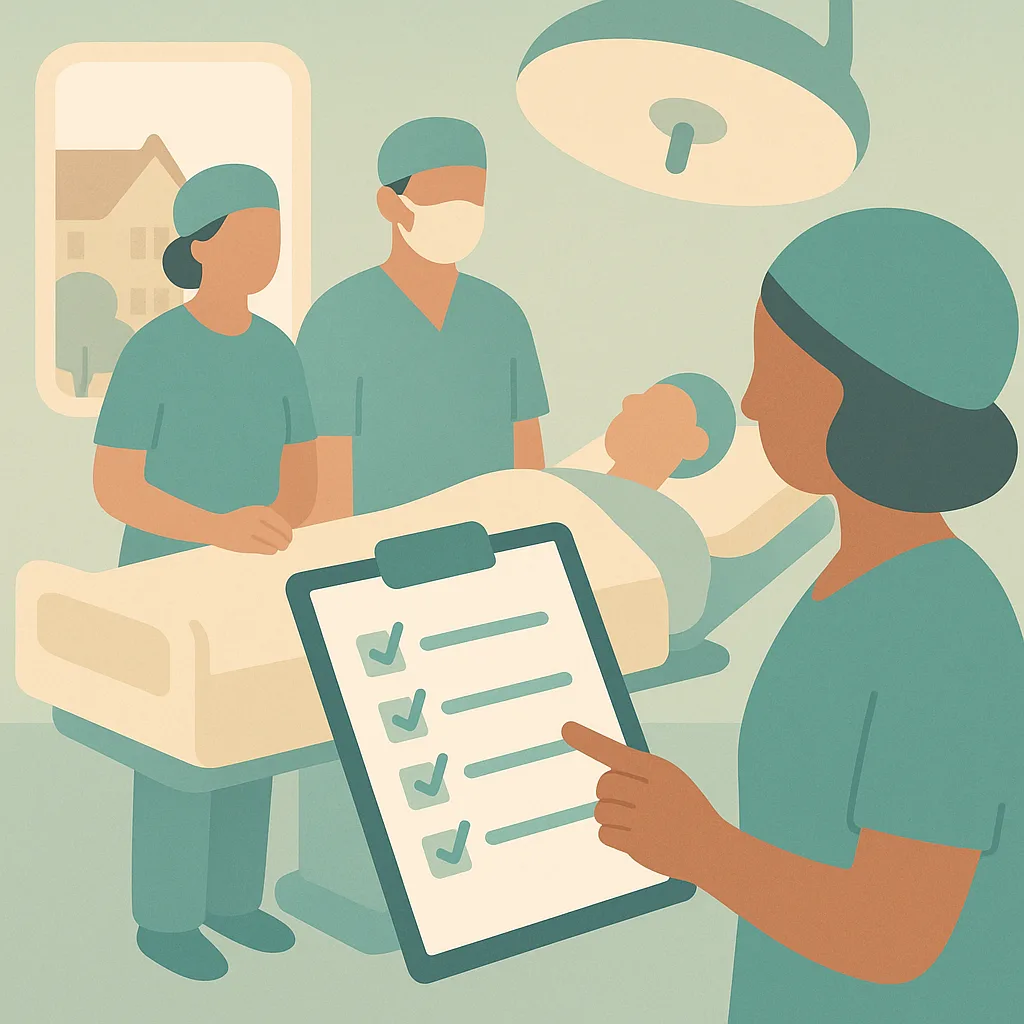
Surgical Safety and the WHO Checklist
This training ensures you understand and properly use the World Health Organisation Surgical Safety Checklist and the Five Steps to Safer Surgery in our theatre. The checklist prevents serious surgical harm including wrong site surgery, wrong implants and retained instruments. It works only when the whole team genuinely engages with each check, speaks up about concerns and treats every pause as a real safety moment.
Bulk discounts from 10+ licences
 Annual Certificate
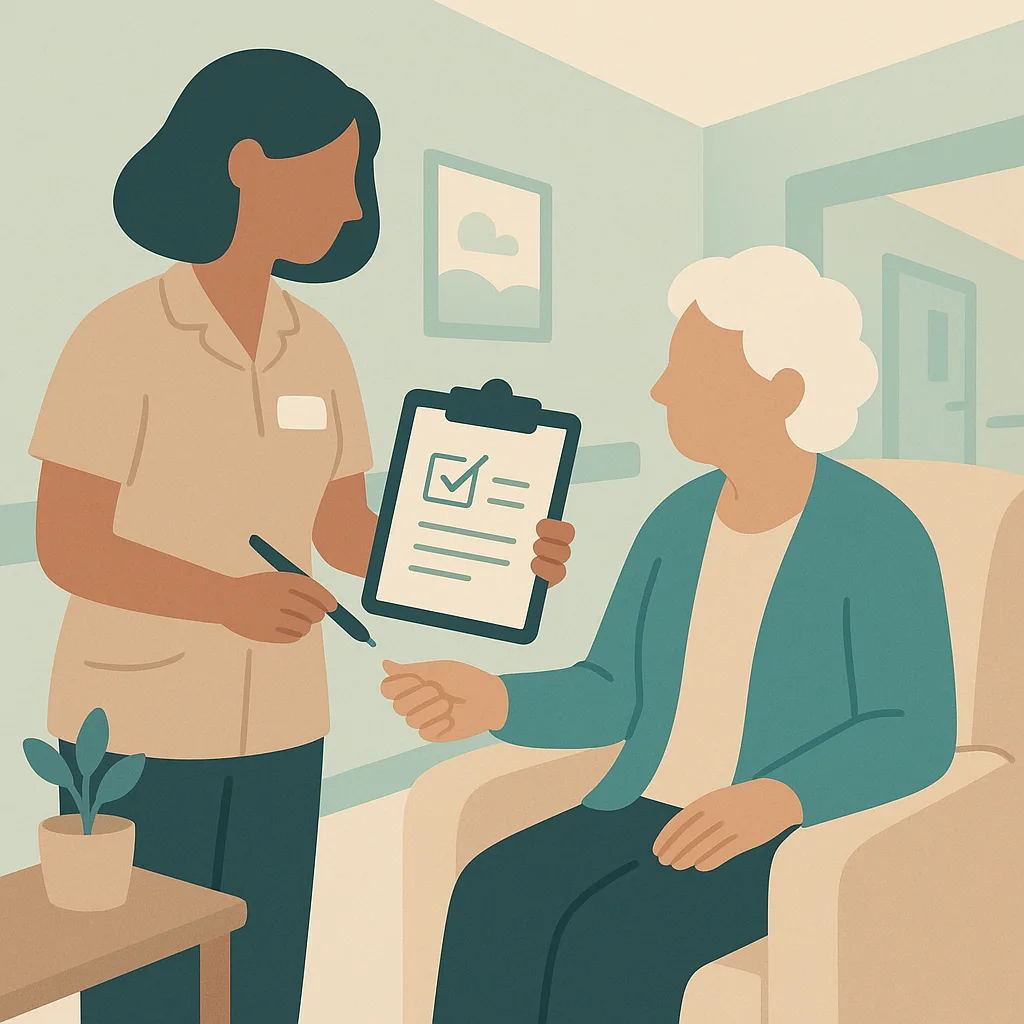
Consent for Procedures
This training ensures every member of our hospital team understands that valid consent is a process, not just a signature. You will learn how consent must be informed, voluntary and given by someone with capacity, how our two stage consent process works from outpatient clinic to theatre, and how the lessons of the Paterson Inquiry shape our safeguards against over treatment in private care.
Bulk discounts from 10+ licences
 Annual Certificate
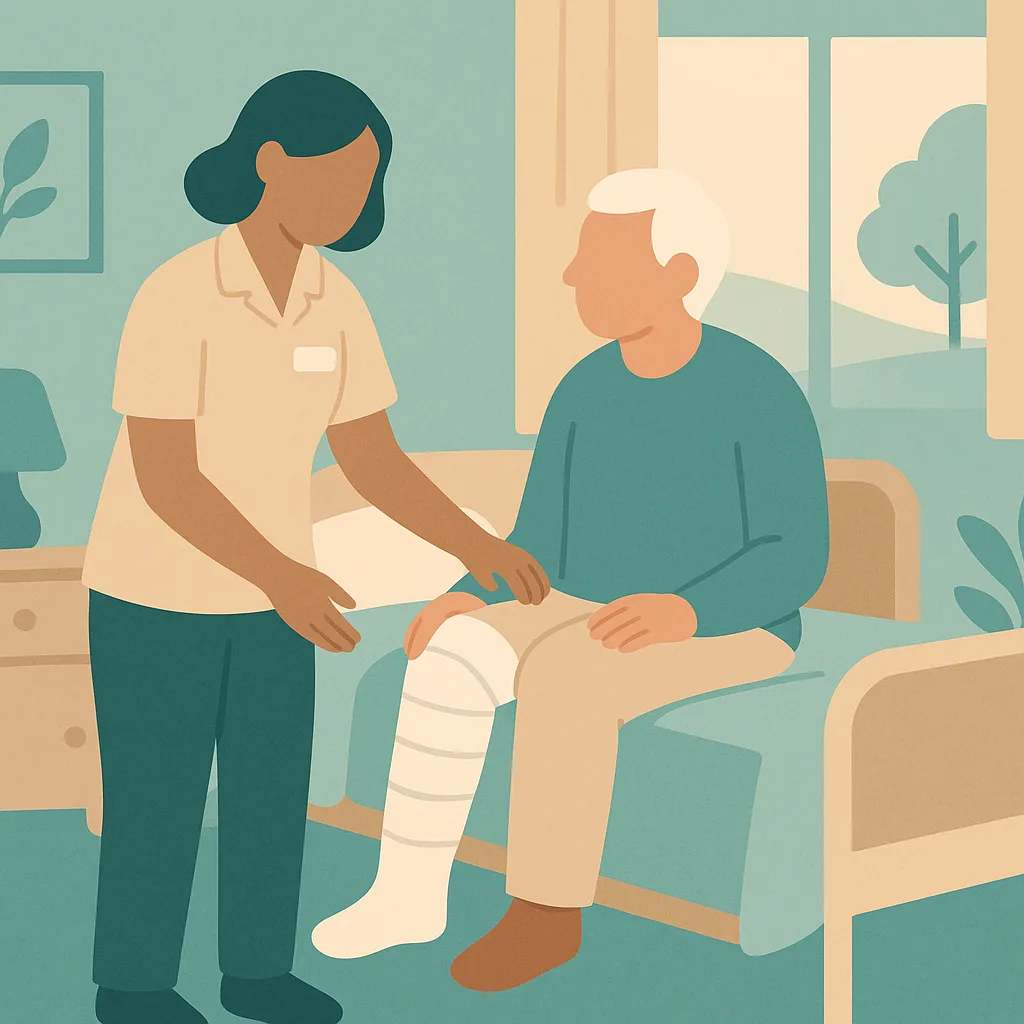
Venous Thromboembolism (VTE) Prevention
This training ensures you understand how to prevent blood clots in hospital patients through proper risk assessment, mechanical and pharmacological prevention methods, and patient involvement. Hospital acquired thrombosis is a leading cause of preventable death, and in independent hospitals where we perform high volumes of elective and orthopaedic surgery, getting VTE prevention right is essential to patient safety and regulatory compliance.
Bulk discounts from 10+ licences
Give your team children’s palliative care training that actually sticks.
Add it to your basket, allocate it in seconds, and let the evidence build itself.
Compared
Three ways to train a care team.
These modules are written and kept current by us, so your managers do not have to write or maintain them. We have compared what each approach does rather than naming providers, because products change and this should still be true next year.
| CareStream | A generic e-learning library | A trainer you book | |
|---|---|---|---|
| Try a real lesson and a real question before you buy | |||
| Learning outcomes and time to complete stated up front | |||
| Written lesson sections, each with its own illustration | |||
| Interactive exercises after the lesson that teaches them, in every module | |||
| Assessment in every module, with the key points to revisit | |||
| Taken in any of sixty plus languages | |||
| A wrong answer triggers a follow-up lesson, not just a re-sit | |||
| Practical sign-off by a manager where the subject needs it | |||
| Completion files itself into your training matrix and evidence pack | |||
| Bought one module at a time, with no annual contract |
Generic libraries are often cheaper per learner. They teach a national standard rather than being built, updated and evidenced around the way a CQC-registered service is actually inspected.
Care policies
Every module is written from a policy
If the policy behind it is out of date, the training inherits that. Sixty six policies written for your service, checked against current law and read by a person before they carry your name, from £39.