Challenging Behaviour Management training that gets your team CQC-ready
- CQC-aligned, mapped to the Care Certificate framework
- Completed in the hub in over 60 languages
- A certificate for every staff member, for your CQC evidence
- A wrong answer triggers a follow-up lesson, so gaps are closed
No subscription needed. Bulk discounts from 10+ licences.
From £25.99 per staff member, one-off. No subscription needed.
Trusted by UK care providers
Specialists in the technology behind it all
The same technology behind the world's best products powers CareStream, so your team's challenging behaviour management training stays accurate, always up to date with the latest guidance, and is delivered in over 60 languages.
Understanding Challenging Behaviour
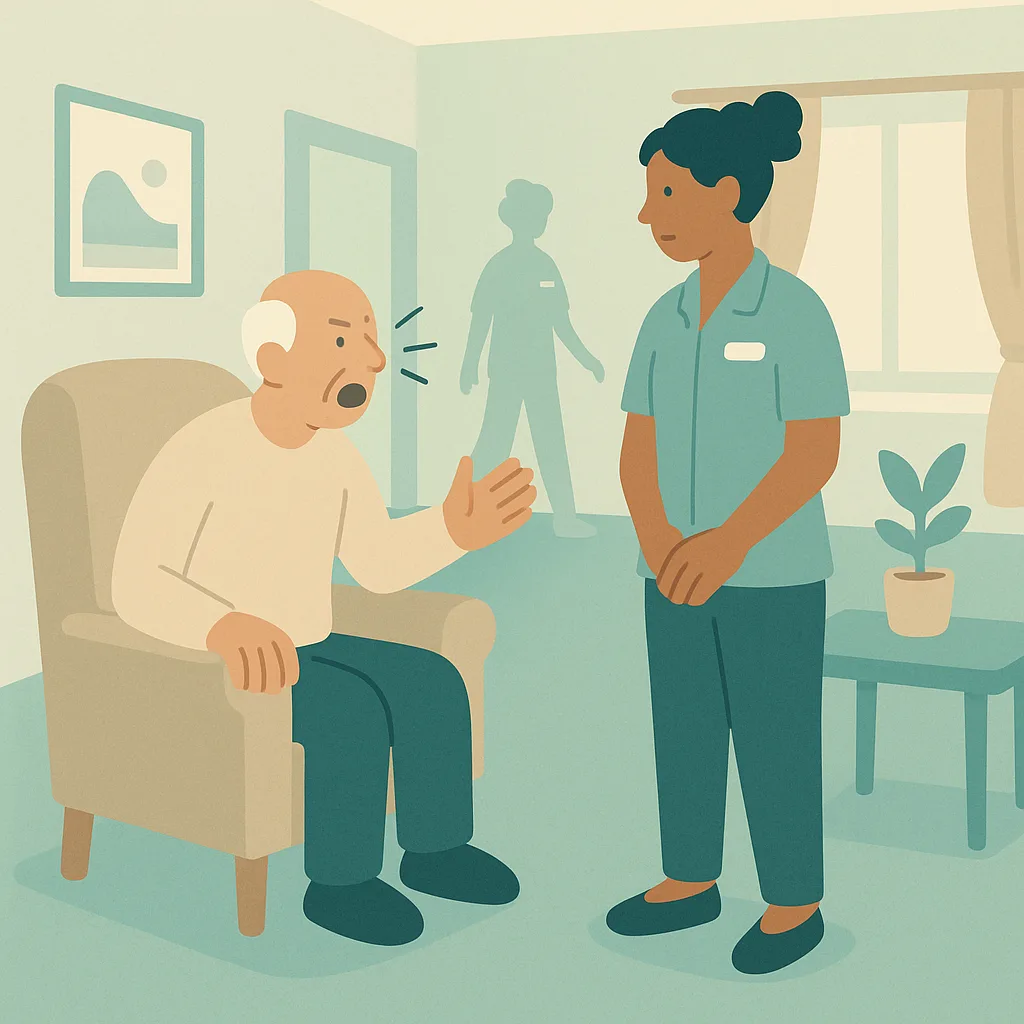
Challenging behaviour is any action that puts a resident or others at risk or prevents good care. It includes aggression, refusal of care, shouting, or repeated actions that disrupt daily life. Behaviour is often communication. A resident may be in pain, frightened, confused, or frustrated. Our job is to understand the cause and respond with patience and respect.
A resident is shouting and refusing care. What is the most important thing to remember?
In the hub, a wrong answer sends the staff member a short follow-up lesson and a fresh question on the same point. They close the gap before they can finish the module, and every attempt is recorded for your CQC evidence.
That is how the training works. Give your whole team the full Challenging Behaviour Management module.
Avg. Duration
About 35 minutes
Certificate
For every staff member
Available Languages (60+)
Course Published by

A clear, practical grounding in challenging behaviour management.
This training helps you understand and respond safely to challenging behaviour in the care setting. You will learn how to recognise triggers, use de-escalation techniques, and follow our policies to protect residents and staff. Managing behaviour well keeps everyone safe and maintains dignity.
By the end, your staff will be able to:
- Identify common triggers and early warning signs of challenging behaviour in residents
- Apply de-escalation techniques that respect resident dignity and autonomy
- Explain when and how to seek help from colleagues or management during incidents
- Recognise the importance of recording incidents accurately and learning from them
- Describe how our policies on personal space and safety apply when managing challenging behaviour
A closer look at the challenging behaviour management module.
The module is built in short, practical sections. Each one teaches a part of the topic, then applies it to a real care scenario and checks understanding before moving on.
Understanding Challenging Behaviour
Challenging behaviour is any action that puts a resident or others at risk or prevents good care. It includes aggression, refusal of care, shouting, or repeated actions that disrupt daily life. Behaviour is often communication. A resident may be in pain, frightened, confused, or frustrated. Our job is to understand the cause and respond with patience and respect.
Common Triggers and Warning Signs
Triggers are things that cause challenging behaviour. Common triggers include pain, hunger, needing the toilet, too much noise, feeling rushed, or changes to routine. Warning signs appear before behaviour escalates. These include restlessness, raised voice, clenched fists, pacing, or refusing to make eye contact. Spotting these early lets you prevent escalation.
De-escalation Techniques
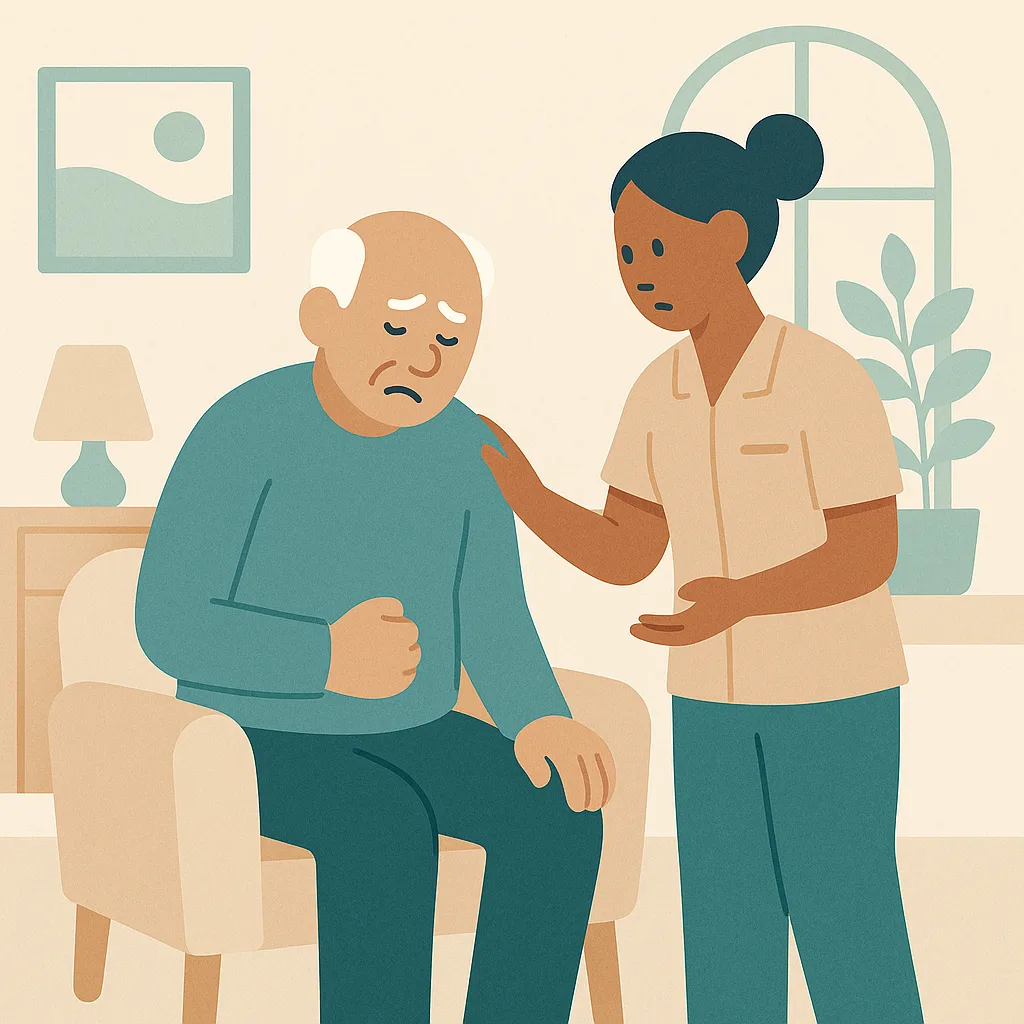
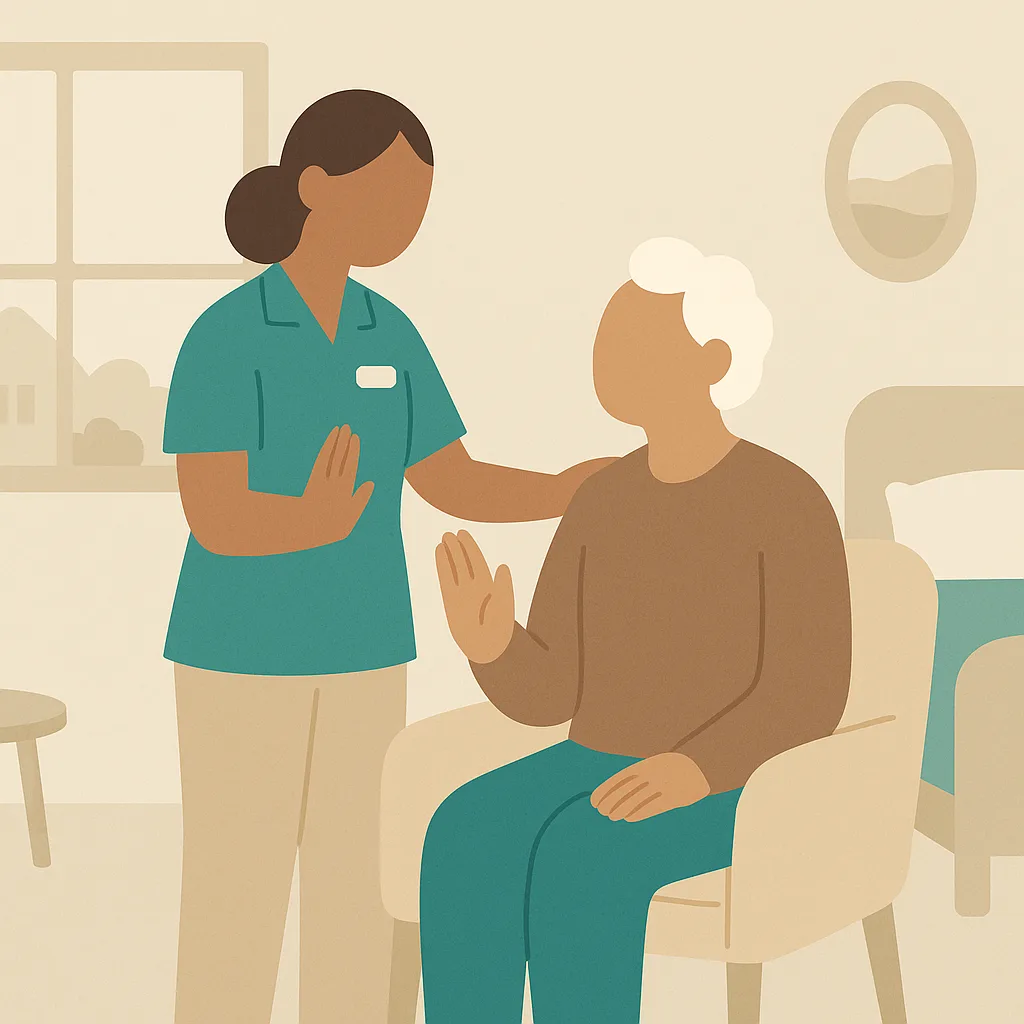
De-escalation means calming a situation before it gets worse. Stay calm yourself and speak in a low, gentle voice. Give the resident space and do not crowd them. Listen to what they are saying and acknowledge their feelings. Offer simple choices to give them control. Never argue, threaten, or raise your voice. If they are in their room, remember it is their private space and they have a right to be there.

Respecting Rights and Dignity
Even during challenging behaviour, residents have rights. They have the right to refuse care, to privacy in their room, and to be treated with dignity. Never restrain a resident unless they or others are in immediate danger and you are trained to do so. Never punish, shame, or speak harshly to a resident. Our Private Property policy reminds us that a resident's room is their private space. Always think about how your actions affect their dignity and autonomy.
When and How to Get Help
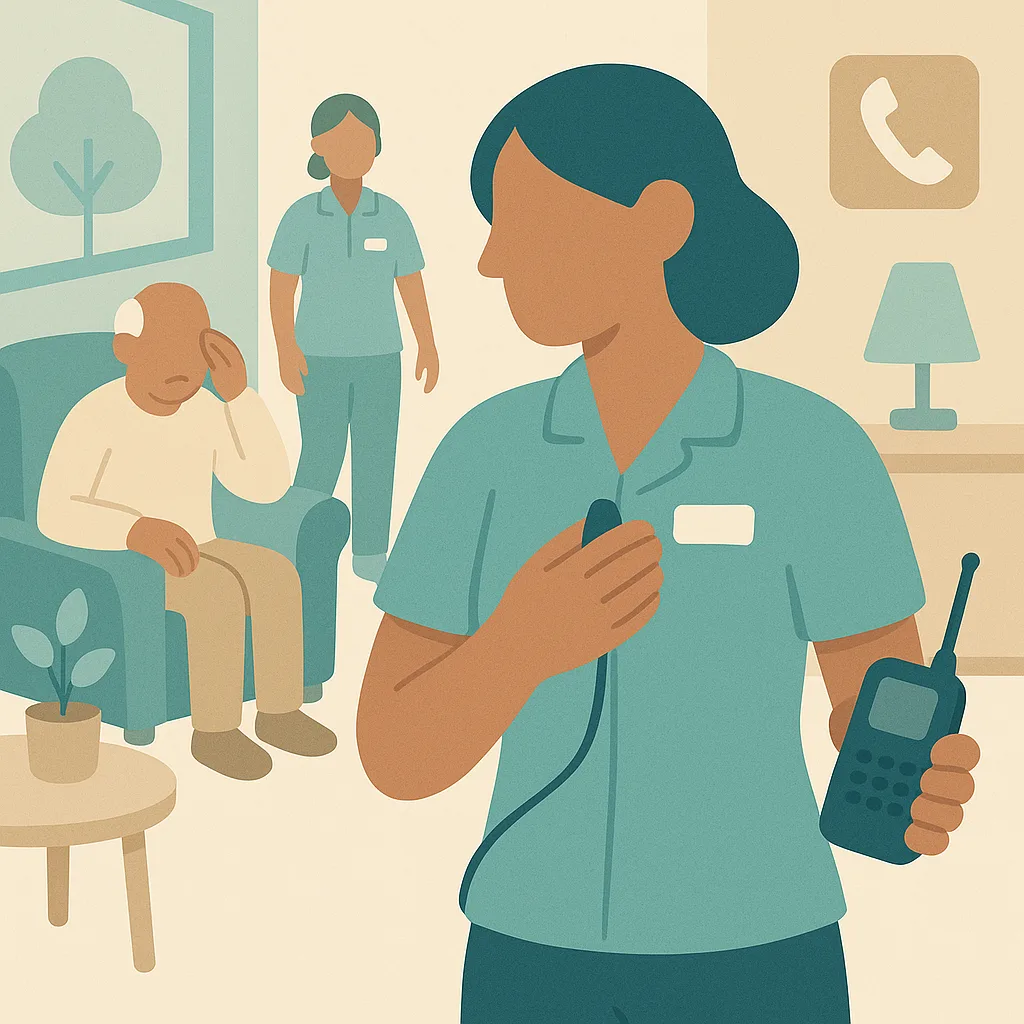
You should never deal with challenging behaviour alone if you feel unsafe or the situation is escalating. Call for help from a colleague using your call system or radio. If there is immediate danger, call emergency services. Know who your senior staff are on each shift. After any incident, report it to your manager. Never feel you have failed by asking for help. Working as a team keeps everyone safer.
Recording and Learning from Incidents
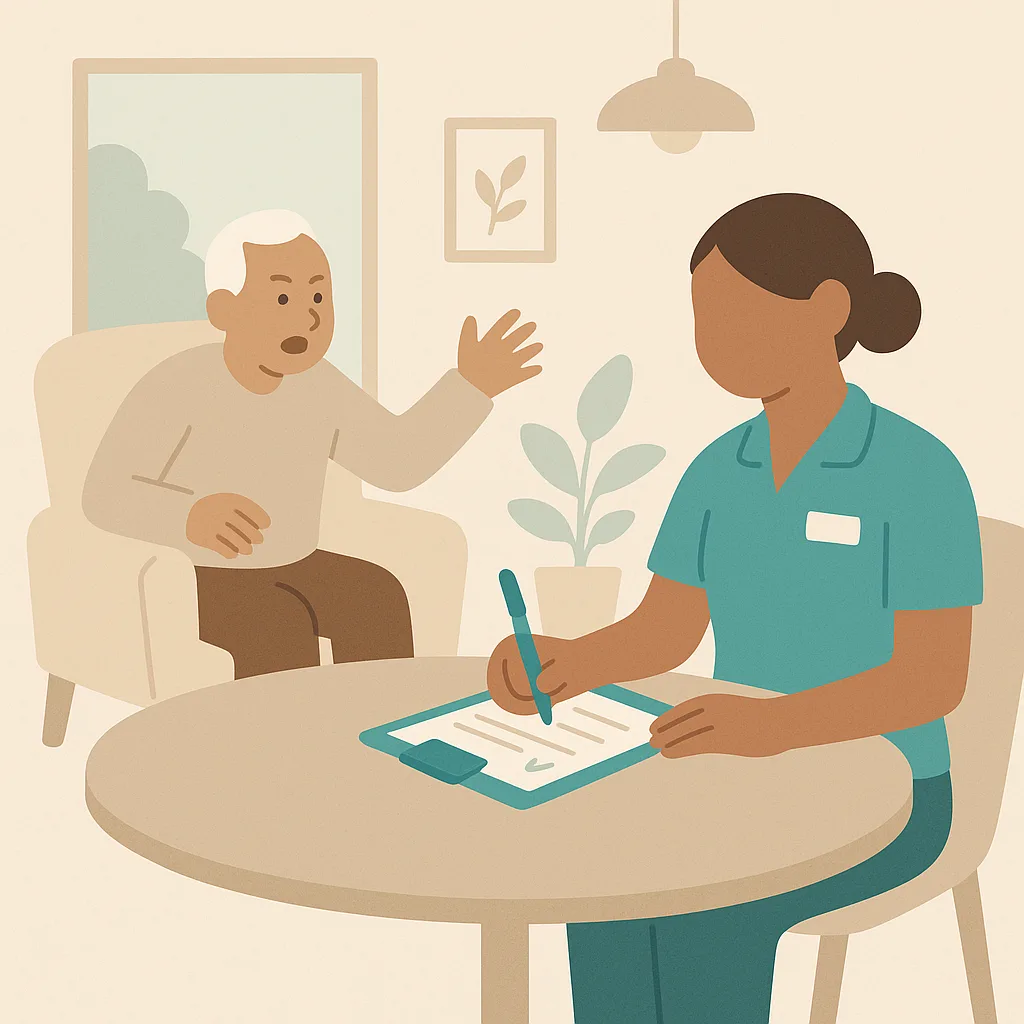
Every challenging behaviour incident must be recorded accurately in our incident reporting system. Write down what happened, what triggered it, what you did, and the outcome. Include the time, date, and who was involved. Good records help us spot patterns and prevent future incidents. They also protect you and the resident legally. Never guess or exaggerate. Recording is part of safe care under the Health and Social Care Act regulations.
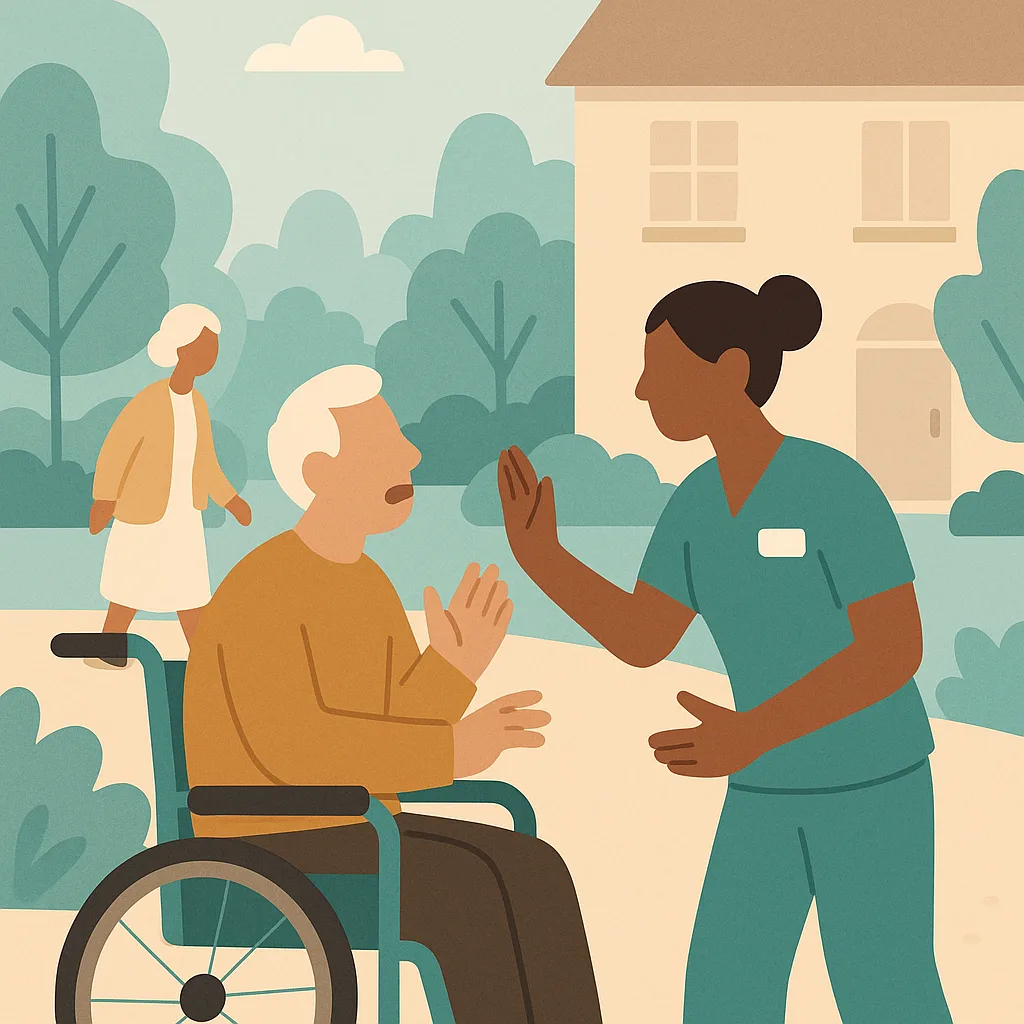
The things your team must remember.
- Challenging behaviour is usually communication. Look for the cause such as pain, fear, or unmet needs before reacting.
- Spot warning signs early like restlessness or raised voice. This lets you prevent escalation.
- De-escalate by staying calm, speaking gently, giving space, and respecting the resident's private space and autonomy.
- Never restrain a resident unless there is immediate danger and you are trained. Always respect dignity and rights.
- Call for help immediately if you feel unsafe or the situation escalates. Working as a team keeps everyone safer.
- Record every incident accurately. Good records help us learn, prevent future problems, and meet legal requirements.
Not a slideshow once a year. Training that sticks.
CareStream delivers challenging behaviour management training in the hub your team already uses, grounded in best practice and your own policies, so it fits your care setting and not a generic template.
Short teaching sections and a real care scenario, then an assessment that checks understanding.
Staff complete it in over 60 languages, while your records stay in English.
A wrong answer triggers a short follow-up lesson and a fresh question, so the gap is closed.
Automatic reminders at 90, 30 and 7 days, with a live compliance dashboard.
From your dashboard to your team, in the CareStream hub.
Training is delivered in the hub each staff member logs into. You allocate the modules, they complete them in their own language, and you get the completion records and certificates for your CQC evidence, with any gaps closed by automatic follow up training.
Assign Challenging Behaviour Management to each staff member in seconds. No course builder and no setup for each person.
Staff work through the module on any device, in over 60 languages, teaching then checking understanding. A wrong answer sends a short follow up lesson.
See live completion status and a certificate for every person, ready as evidence for CQC.
Any step, in their language, in one tap.
Care teams are diverse and training should not leave anyone behind. On any lesson or question, a staff member taps the language button and the whole step flips into the language they think in. They understand it properly, and your records stay in English.
- One tap flips any lesson or question into their language, instantly.
- Over 60 languages, with no setup and no separate versions to manage.
- Completions and certificates stay in English for your CQC evidence.
Try the language buttons in the preview above.
Built for real learning, not box ticking
Every CareStream course goes further than a lesson and a quiz. These features come as standard on every course, giving your staff a richer way to learn and giving you the evidence to prove it.
Every course is built on recognised UK guidance and cites its sources, from NICE and Skills for Care to the NHS and the legislation itself.
A plain English glossary of the technical terms in each course. A simple way to support every learner, including staff with English as a second language.
A quick knowledge check before the lesson is compared with the final assessment, so every certificate comes with evidence of how much the course actually taught.
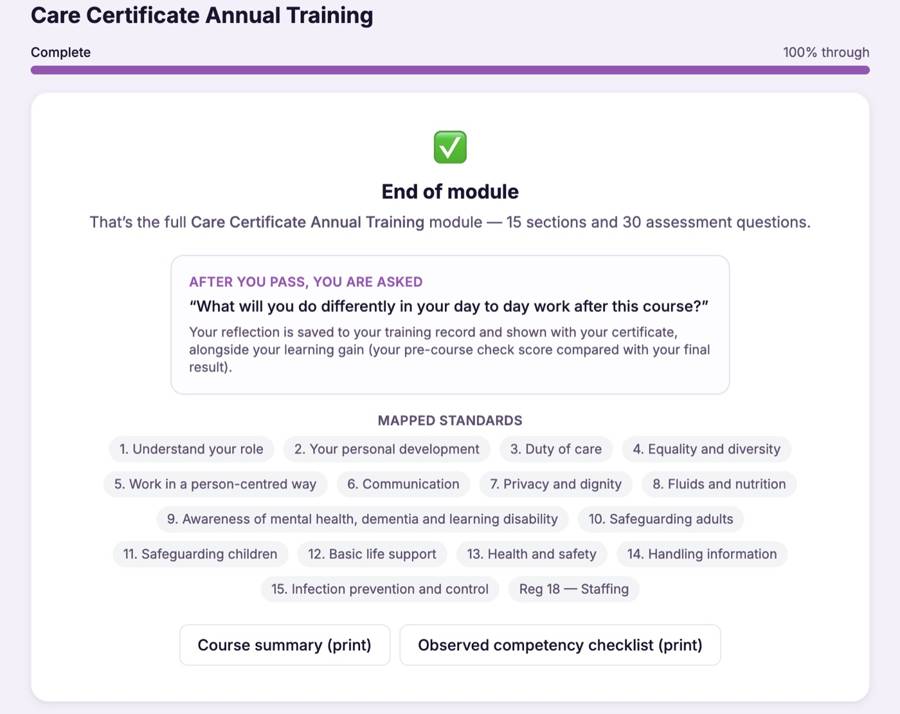
After passing, staff record what they will do differently in their day to day work. Their reflection is saved to their training record and shown with their certificate.
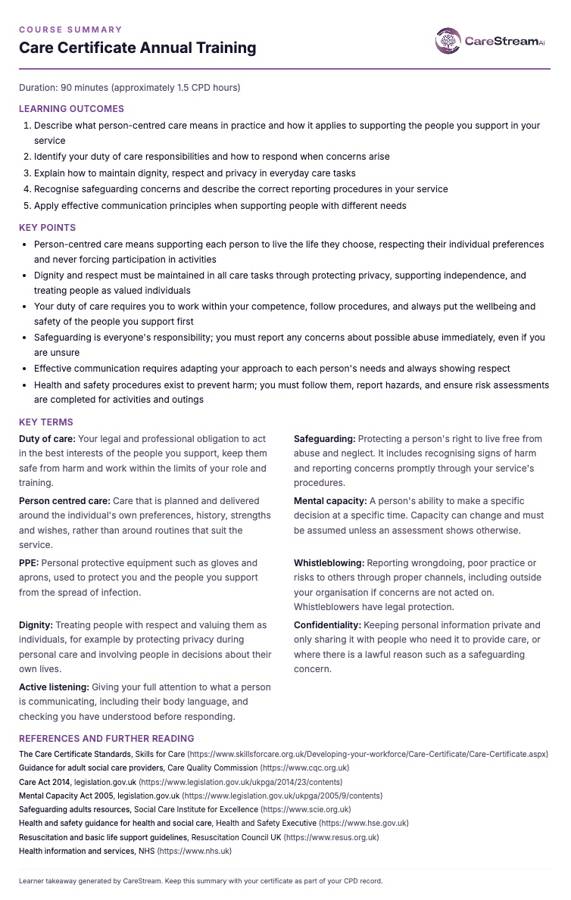
A printable one page takeaway of the outcomes, key points and key terms. Perfect for staff files, supervision conversations and the staff room wall.
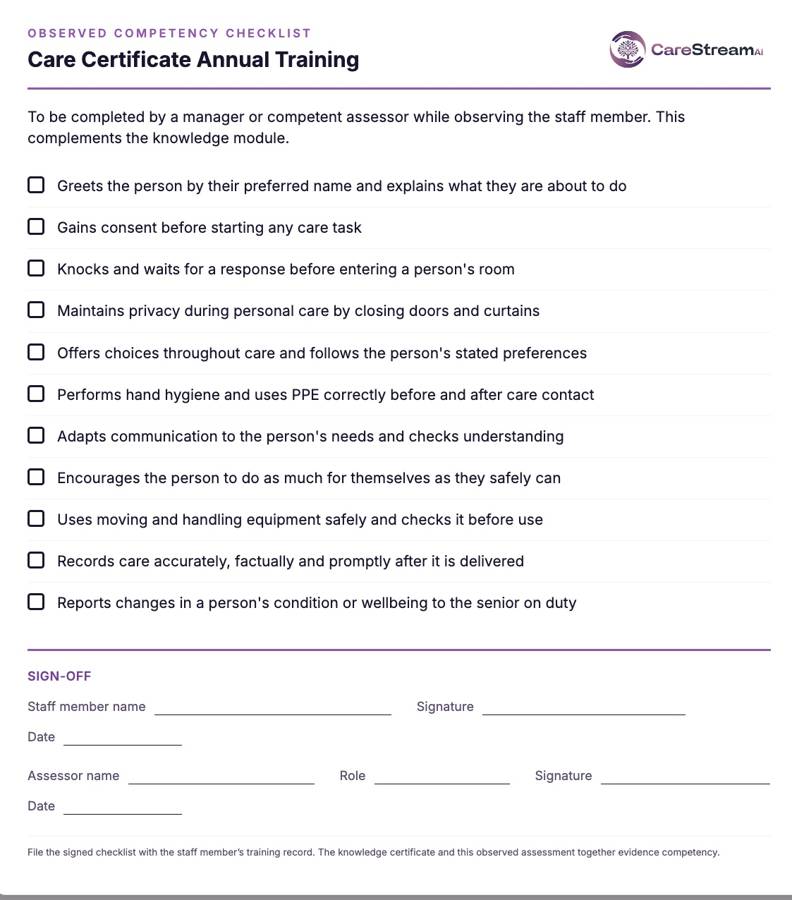
A printable checklist for managers to confirm skills in practice, with a sign off section. It completes the picture beyond the knowledge assessment.
Wrong answers become lessons, not failures
Most e learning marks an answer wrong and moves on. CareStream does not. Every wrong answer triggers an automatic follow up loop that teaches the point again and rechecks it, so no knowledge gap is left behind.
A wrong answer immediately opens a short lesson explaining the point, so the gap is closed there and then.
A fresh question on the same point checks the lesson has landed. The loop repeats until it has.
Staff move on to the next module and their certificate once they genuinely know the answer, not just after one lucky guess.
Why choose CareStream?
Training built for the care sector, delivered the way busy teams actually learn.
- 90+ care-specific training courses
- Bitesize, engaging lessons your staff actually finish
- Mapped to the Care Certificate & CQC standards
- Available in 60+ languages
- Instant certificate on completion
- Flexible learning, anytime, on any device
- Content kept up to date with UK care regulations
- Time to complete: ~35 min
Frequently asked questions.
Is Challenging Behaviour Management training mandatory in care settings?
How often should staff complete Challenging Behaviour Management training?
Can CareStream deliver Challenging Behaviour Management training in other languages?
Does the training include an assessment?
More training your team may need
More mandatory and role-specific training CareStream delivers to your team, in the hub, in any language. Add any of these to your basket.
 Annual Certificate
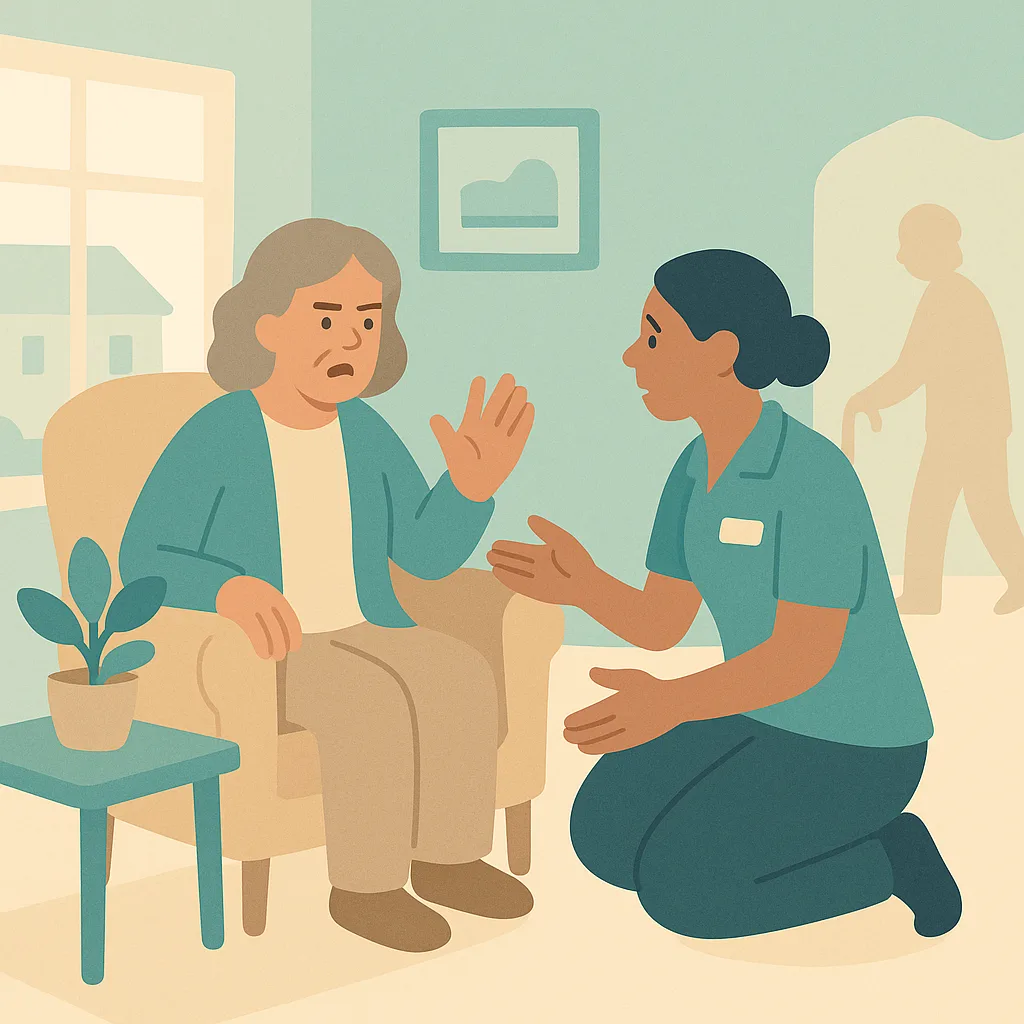
Positive Behaviour Support / De-escalation
This module teaches you how to support residents who display behaviours that challenge, using positive approaches to prevent distress and de-escalate situations safely. You will learn how to recognise triggers, respond calmly, and follow your organisation's policies on managing antisocial behaviour while protecting everyone's dignity and safety.
Bulk discounts from 10+ licences
 Annual Certificate
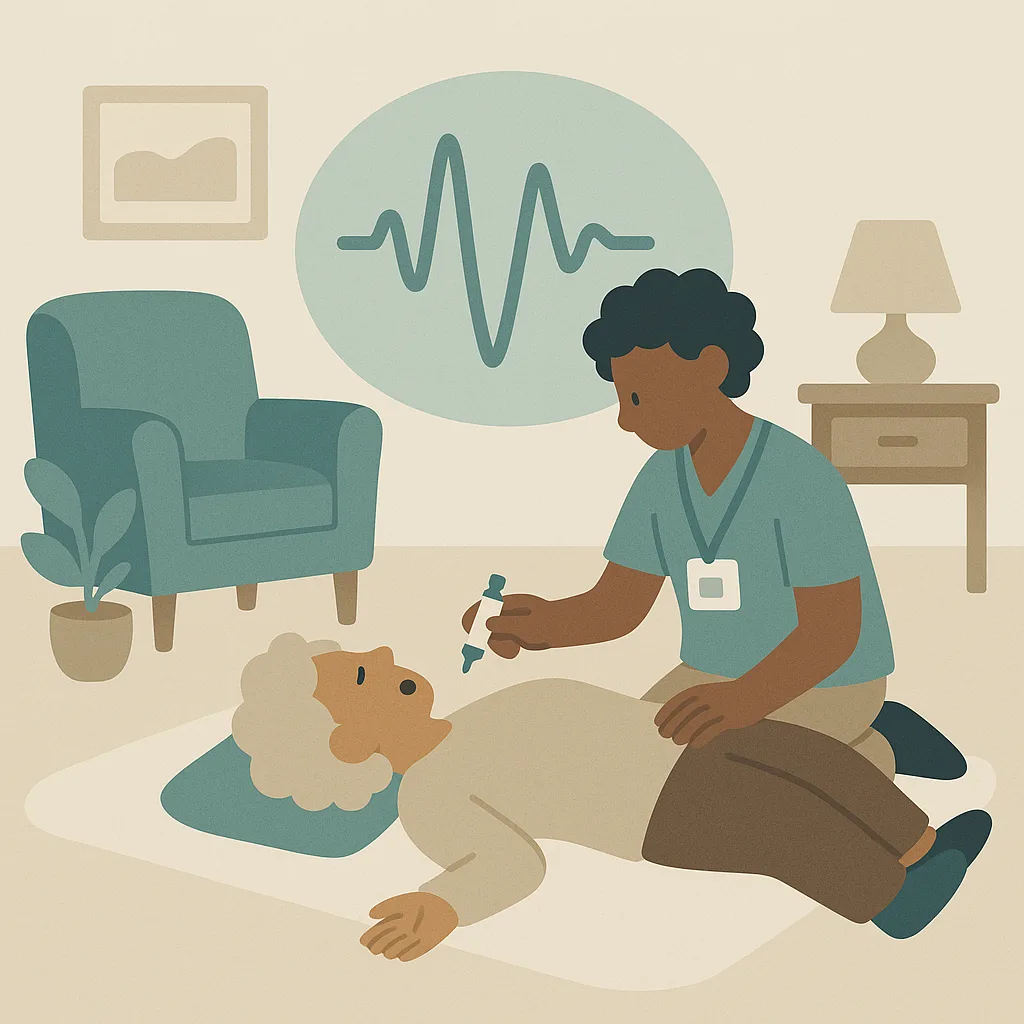
Epilepsy and Buccal Midazolam Administration
This annual refresher covers how we support residents with epilepsy at the Home, including recognising seizures, keeping people safe during episodes, and the knowledge requirements for buccal midazolam administration. This training covers the knowledge component only. Practical competency assessment must be completed separately before you can administer buccal midazolam in real situations.
Bulk discounts from 10+ licences
 Annual Certificate
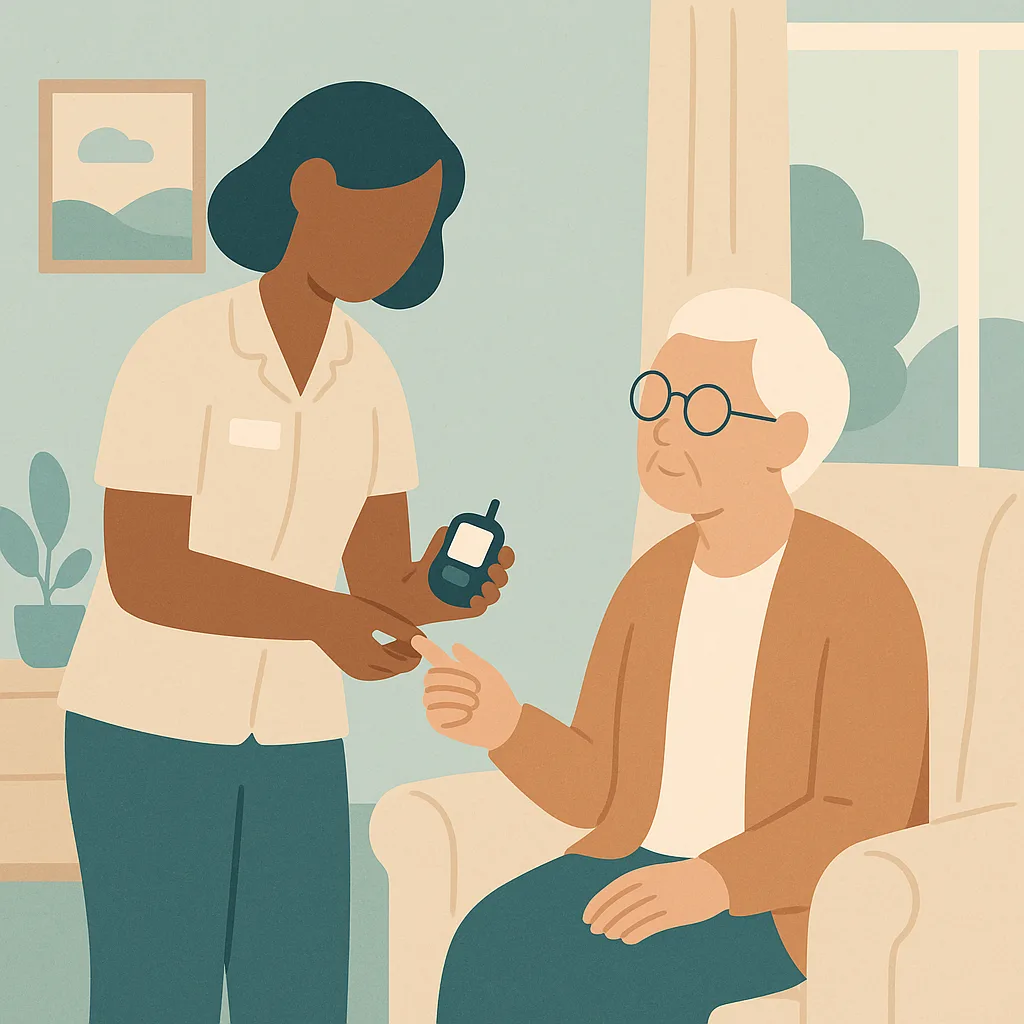
Diabetes Awareness
This annual refresher training covers the essential knowledge and skills you need to support residents with diabetes. You will learn about the types of diabetes, how residents are assessed and their care planned, how to recognise and respond to complications like hypoglycaemia, and how residents are empowered to manage their own condition wherever safely possible. This training reflects good practice for diabetes care in care homes and should be applied alongside your organisation's policies and procedures, helping ensure high quality, person centred care.
Bulk discounts from 10+ licences
 Annual Certificate
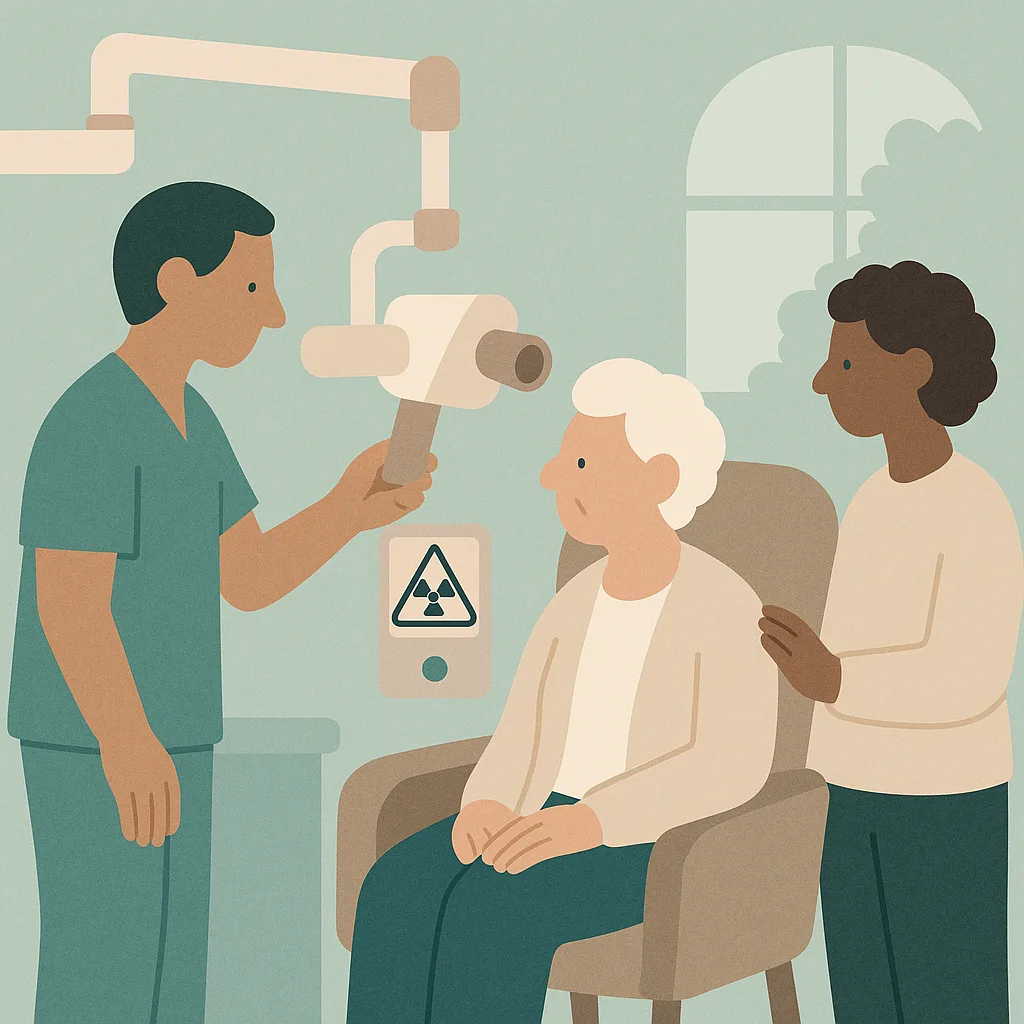
Dental Radiography and IR(ME)R
This training ensures everyone in our practice who refers for, justifies, or takes dental X-rays does so safely, lawfully, and to a high standard. It covers the two key regulations: IRR17 which protects staff and the public, and IR(ME)R which protects patients during exposures. You will learn the duty holder roles, the three governing principles, and how to apply them in daily practice so patients receive only the radiographs they genuinely need at the lowest reasonable dose.
Bulk discounts from 10+ licences
 Annual Certificate
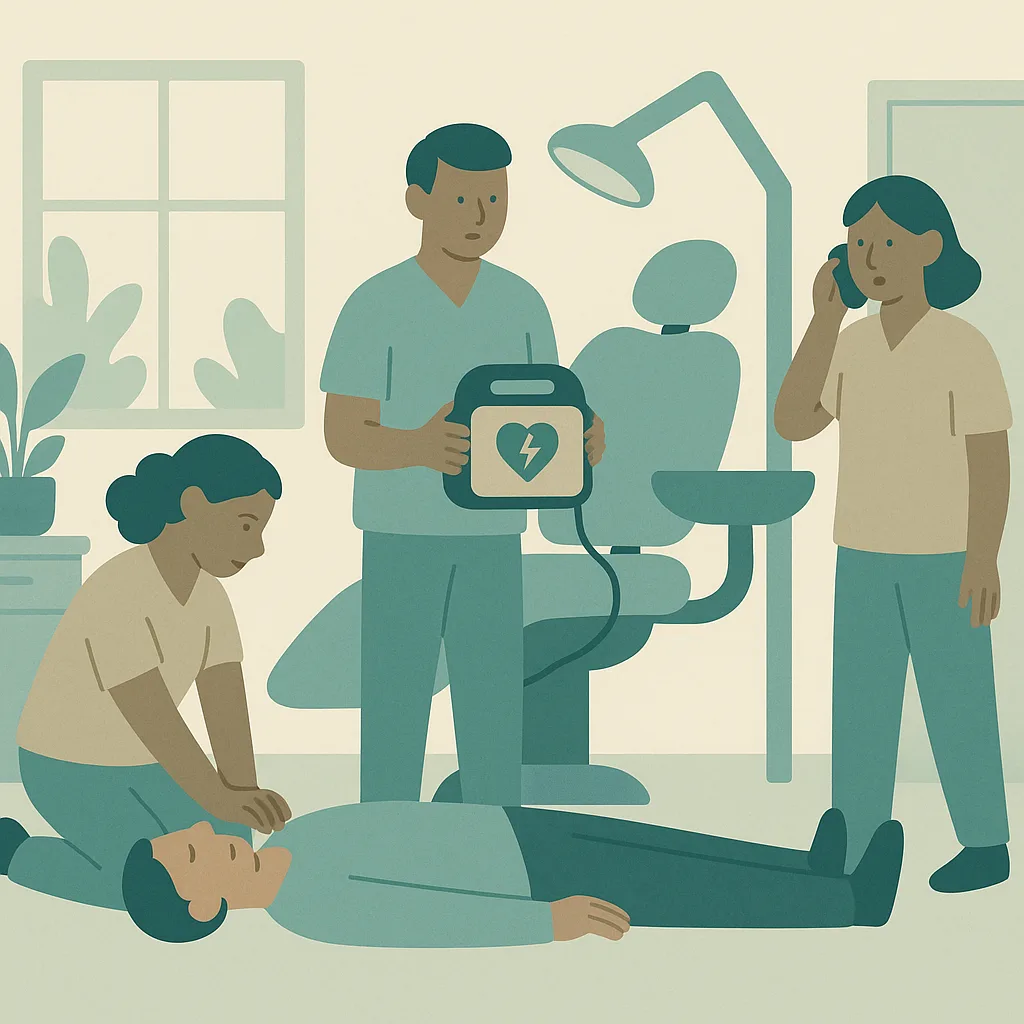
Medical Emergencies in the Dental Practice
This annual refresher training ensures every member of our dental team can recognise, respond to and manage medical emergencies that may occur in our practice. You will learn how to prevent emergencies where possible, deliver basic life support, use our defibrillator and work as a coordinated team to protect life until the ambulance arrives. This training meets GDC and CQC requirements and keeps our patients and team safe.
Bulk discounts from 10+ licences
 Annual Certificate
GDC Standards and Scope of Practice
This training ensures every registered member of our dental team understands the professional standards we must work to and the boundaries of what we are trained and permitted to do. It covers the nine principles from the GDC Standards for the Dental Team and the Scope of Practice guidance that defines what each role can and cannot do. This keeps our patients safe and maintains the trust placed in our profession.
Bulk discounts from 10+ licences
Give your team challenging behaviour management training that actually sticks.
Add it to your basket, allocate it in seconds, and let the evidence build itself.
Compared
Three ways to train a care team.
These modules are written and kept current by us, so your managers do not have to write or maintain them. We have compared what each approach does rather than naming providers, because products change and this should still be true next year.
| CareStream | A generic e-learning library | A trainer you book | |
|---|---|---|---|
| Try a real lesson and a real question before you buy | |||
| Learning outcomes and time to complete stated up front | |||
| Written lesson sections, each with its own illustration | |||
| Interactive exercises after the lesson that teaches them, in every module | |||
| Assessment in every module, with the key points to revisit | |||
| Taken in any of sixty plus languages | |||
| A wrong answer triggers a follow-up lesson, not just a re-sit | |||
| Practical sign-off by a manager where the subject needs it | |||
| Completion files itself into your training matrix and evidence pack | |||
| Bought one module at a time, with no annual contract |
Generic libraries are often cheaper per learner. They teach a national standard rather than being built, updated and evidenced around the way a CQC-registered service is actually inspected.
Care policies
Every module is written from a policy
If the policy behind it is out of date, the training inherits that. Sixty six policies written for your service, checked against current law and read by a person before they carry your name, from £39.